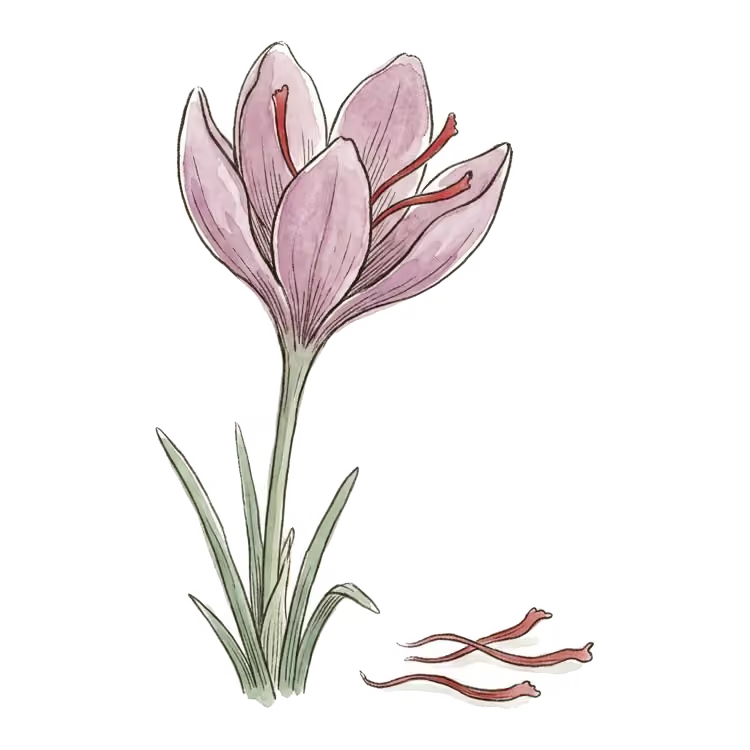
Saffron (Crocus sativus)
Crocus sativus · also known as saffron, za'faran, kesar, zafferano, safran, azafrán, saffron threads, saffron stigmas
By Superfoods Advisor Editors·July 3, 2026
Saffron supplement benefits for mood, anxiety, PMS, memory and ADHD: what trials of 20 to 30 mg a day found, plus side effects and interactions.
Saffron (Crocus sativus) is a spice made from the dried stigmas of a crocus flower and, by weight, the most expensive spice in the world. As a supplement, its best-studied benefit is mood: a meta-analysis of 23 small trials found that saffron, usually 20 to 30 mg a day, reduced depressive symptoms more than placebo, though most trials came from Iran.
Saffron consists of the dried stigmas (and, in some commercial grades, portions of the style) of Crocus sativus, a sterile triploid flowering plant in the Iridaceae family that cannot reproduce sexually and is propagated entirely through vegetative corm division. Each flower produces three stigmas. The flowers are usually picked by hand in the early morning, around mid-October in the main producing regions, and the stigmas are then separated and dried (Ziani et al., 2025). An estimated 70,000–200,000 flowers are required to yield one kilogram of dried saffron (Ziani et al., 2025), which partly explains its status as the world’s most expensive spice by weight.
Iran dominates global saffron production, contributing more than 90% of world supply (Ziani et al., 2025), with the remainder from Afghanistan, Spain, Morocco, India (Kashmir), Greece, and Azerbaijan. Spanish azafrán and Kashmiri saffron are widely regarded as premium alternatives. The global saffron market is plagued by adulteration — a 2025 systematic review estimated that 20–30% of commercial saffron is adulterated globally, ranging from about 3.5% in regulated EU markets to 60% in India (Mehdizadeh et al., 2025); common practices include substitution with safflower (Carthamus tinctorius), marigold, or turmeric and the addition of synthetic dyes — making source verification and purchase from reputable suppliers a practical consideration for both culinary and supplemental use.
Evidence at a glance
Active Compounds
Three major classes of bioactives define saffron’s pharmacological profile, each with distinct chemical character and biological activity:
Crocins are water-soluble carotenoid glycosides — polyene esters of the diterpene dicarboxylic acid crocetin conjugated to disaccharide chains of gentiobiose and glucose. Crocin-1 (trans-crocetin di-(β-D-gentiobiosyl) ester) is the most abundant and is primarily responsible for saffron’s brilliant golden-yellow color. Crocins themselves appear to be poorly absorbed after oral intake: they are hydrolyzed in the intestine to crocetin, which is what reaches the bloodstream, and in vitro barrier models suggest crocetin crosses the blood-brain barrier slowly (Lautenschläger et al., 2015). In rats, injected crocin shortened immobility in the forced swim test (a screen for antidepressant-like activity) and raised hippocampal BDNF levels (Vahdati Hassani et al., 2014). Crocins constitute approximately 6–16% of saffron dry weight (Ziani et al., 2025).
Crocetin is the aglycone (deglycosylated) form of crocin, a lipophilic C20 carotenoid dicarboxylic acid. In addition to central nervous system effects shared with crocins, crocetin has demonstrated anti-atherosclerotic, retinal protective, and anti-tumor effects in preclinical models. Following oral crocin consumption, crocetin is liberated mainly by enzymes in the intestinal lining (with only a minor role for gut bacteria, according to in vitro work) and absorbed into the systemic circulation (Lautenschläger et al., 2015).
Safranal (2,6,6-trimethyl-1,3-cyclohexadiene-1-carboxaldehyde) is the primary volatile compound and the principal contributor to saffron’s characteristic warm, hay-like, slightly medicinal aroma. Safranal accounts for roughly 60% of the volatile fraction and forms from the precursor picrocrocin during drying and storage (Ziani et al., 2025). In rats, safranal reduced chemically induced seizures, an effect partly blocked by the benzodiazepine antagonist flumazenil, which suggests action at the GABA-A receptor complex (Hosseinzadeh & Sadeghnia, 2007). It also has antioxidant activity in laboratory assays.
Picrocrocin (the glucoside precursor to safranal) gives saffron its characteristic bitter taste and makes up roughly 4% of stigma weight (about 3.7% in one review; Ziani et al., 2025). It is used as a key quality marker in ISO saffron grading (ISO 3632), along with crocin (color index) and safranal (aroma index).
Kaempferol and other flavonoids are present in saffron stigmas at lower concentrations and contribute to its antioxidant capacity. Kaempferol has demonstrated anti-inflammatory and antiproliferative properties in its own right, though its contribution to saffron’s total bioactivity is secondary to the crocin/safranal chemistry.
Nutritional Profile
Per 1 g dried saffron (about 1½ teaspoons by USDA’s 0.7 g/tsp measure; a large culinary dose). Calories and minerals from USDA FoodData Central:
| Component | Amount |
|---|---|
| Calories | ~3 kcal |
| Crocins | 60–160 mg |
| Manganese | 0.28 mg (12% DV) |
| Potassium | 17 mg |
Note: Typical culinary use of saffron is 0.1–0.3 g per dish (a pinch to a small sachet). Clinical trials typically use 28–60 mg/day of saffron extract, standardized to specific crocin and safranal content — well above culinary doses but achievable in supplement form.
Evidence for Purported Benefits
Depression (Mild to Moderate)
Evidence:Moderate A 23-RCT meta-analysis found large effects, but trials are small, short, mostly from Iran, with publication bias.
Saffron’s antidepressant evidence comes mainly from small randomized trials. A 2019 meta-analysis by Marx et al. (Nutrition Reviews, 23 RCTs) found a large effect of saffron versus placebo on depressive symptoms (Hedges’ g = 0.99) and a large effect as an add-on to antidepressants (g = 1.23), though the authors also found evidence of publication bias and noted that the trials came from a narrow range of regions. Individual trials include a 2005 double-blind pilot RCT by Noorbala et al. (Journal of Ethnopharmacology, n=40, 6 weeks) in which 30 mg/day saffron stigma extract performed similarly to 20 mg/day fluoxetine in mild-to-moderate depression, with similar side effects; and a 2014 RCT by Shahmansouri et al. (Journal of Affective Disorders, n=40, 6 weeks) that found no significant difference between 30 mg/day saffron and 40 mg/day fluoxetine in patients with depression after percutaneous coronary intervention.
The proposed mechanisms come mainly from animal and cell studies: monoamine reuptake inhibition, NMDA receptor antagonism, and GABA-A agonism, along with antioxidant and anti-inflammatory effects (Matraszek-Gawron et al., 2022; Lopresti & Drummond, 2014). These proposed actions parallel multiple pharmacological targets of conventional antidepressants, which may explain the clinical comparability observed in trials.
Key caveats: most trials are small (n=30–60), of short duration (6–8 weeks), and were conducted in Iran by overlapping research groups; independent replication by larger international trials is needed. Saffron is not an established clinical treatment and should not be substituted for prescribed antidepressants without clinical supervision. People with moderate-to-severe depression require medical evaluation and evidence-based treatment.
Anxiety
Evidence:Limited A meta-analysis and an 80-teen RCT show an effect, drawn from fewer trials than for depression.
The Marx et al. (2019) meta-analysis also reported a large effect of saffron versus placebo on anxiety symptoms (g = 0.95), drawn from fewer trials than for depression. A 2018 RCT by Lopresti et al. (Journal of Affective Disorders, n=80 adolescents aged 12–16, 8 weeks) found that a standardized saffron extract (14 mg twice daily) improved youth-rated anxiety and depressive symptoms more than placebo, but parent ratings corroborated this only inconsistently. Safranal’s apparent action at GABA-A receptors, seen in rodents, may contribute. The evidence base is smaller and less replicated than for depression, but the signal is consistent with preclinical models. Ashwagandha, another herb studied for stress and anxiety, has its own trial record and safety cautions.
PMS and Dysmenorrhea
Evidence:Preliminary One small RCT for PMS; data on menstrual pain are thinner and less consistent.
A 2008 double-blind RCT by Agha-Hosseini et al. (BJOG, two menstrual cycles) in women aged 20–45 found that 30 mg/day saffron reduced PMS symptoms on a daily symptom report, and scores on the Hamilton Depression Rating Scale, more than placebo. Evidence for menstrual pain (dysmenorrhea) is thinner and less consistent.
Cognitive Function and Memory
Evidence:Limited Two small Alzheimer’s trials, one without a placebo arm; neither replicated.
Two small Iranian RCTs by Akhondzadeh et al. tested 30 mg/day saffron in mild-to-moderate Alzheimer’s disease. In a 16-week placebo-controlled trial (Journal of Clinical Pharmacy and Therapeutics, 2010, n=46), saffron produced better ADAS-cog and CDR scores than placebo. In a separate 22-week trial without a placebo arm (Psychopharmacology, 2010, n=54), saffron performed similarly to donepezil 10 mg/day (a standard acetylcholinesterase inhibitor used in Alzheimer’s treatment). Possible mechanisms come from laboratory work: crocetin and safranal inhibited acetylcholinesterase in enzyme assays (Geromichalos et al., 2012), and saffron extract and crocin slowed amyloid-beta fibril formation in vitro (Papandreou et al., 2006). Both trials were small and require replication; saffron is not a proven treatment for dementia.
ADHD
Evidence:Preliminary One 54-child pilot RCT compared saffron with methylphenidate, with no placebo arm.
A six-week double-blind pilot trial by Baziar et al. (Journal of Child and Adolescent Psychopharmacology, 2019) randomized 54 children aged 6 to 17 with ADHD to saffron capsules or methylphenidate, each at 20 to 30 mg a day by body weight. Parent and teacher ADHD rating scores changed similarly in both groups, and adverse effects were about as frequent. With no placebo group and only 50 completers, the trial cannot show that saffron itself works, and the authors called for larger, longer studies. Saffron should not replace a prescribed ADHD treatment.
Eye Health (Age-Related Macular Degeneration)
Evidence:Preliminary One 25-person crossover trial on retinal function measures.
A small randomized crossover trial by Falsini et al. (Investigative Ophthalmology and Visual Science, 2010, n=25) found that 20 mg/day saffron for 3 months increased focal electroretinogram amplitude and improved retinal flicker sensitivity relative to placebo in patients with early age-related macular degeneration (AMD). The authors noted that the result needs replication and that its clinical significance had not been established. Crocetin’s role in protecting retinal pigment epithelium from oxidative stress has been studied mainly in animal models.
Typical Use and Preparation
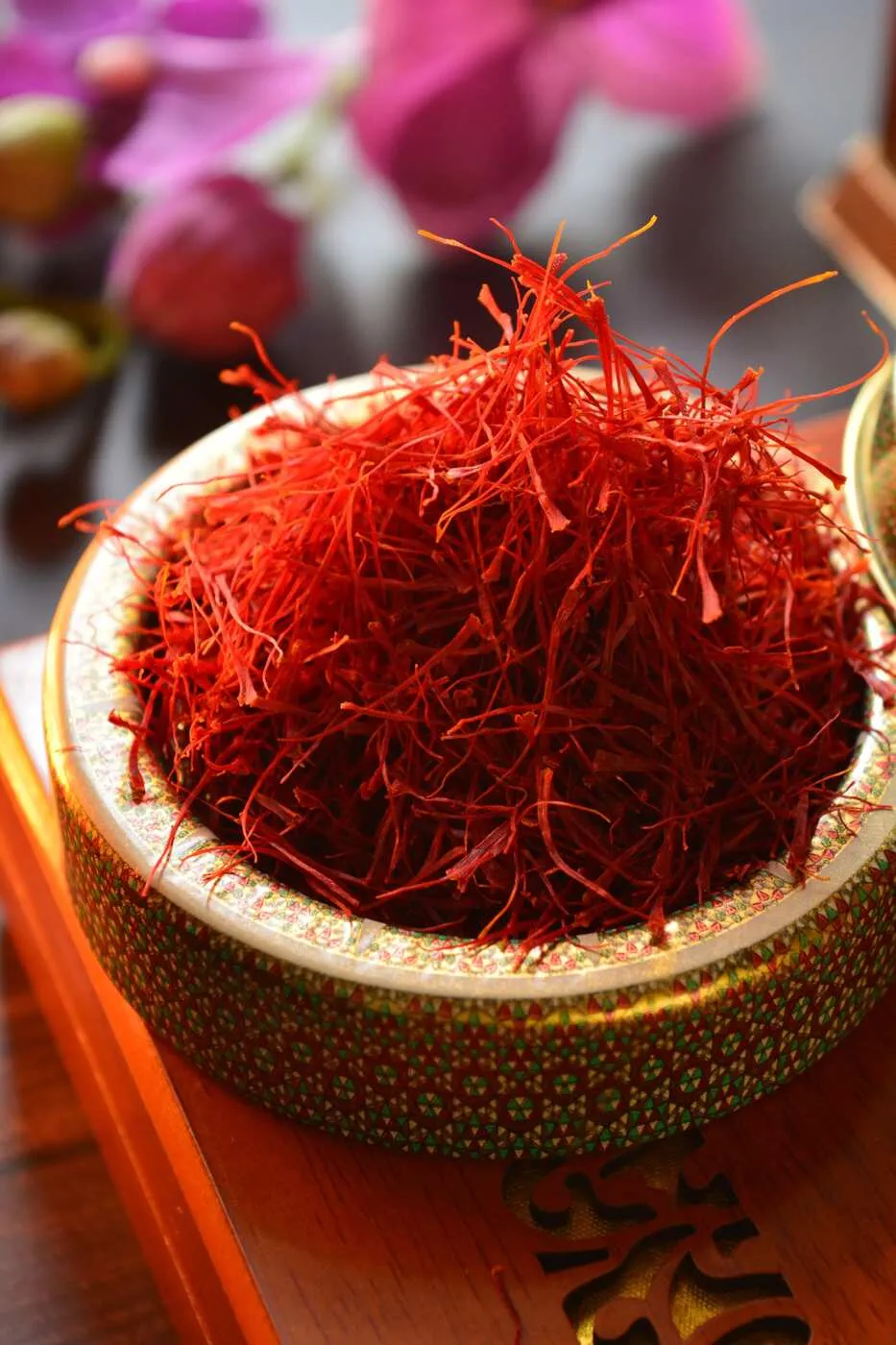 Photo: Shaharbano, CC BY 4.0, via Wikimedia Commons
Culinary (threads): Saffron threads are typically bloomed by soaking in warm (not boiling) water or milk for 15–30 minutes before adding to dishes. This releases crocins into the liquid, which then distributes color and flavor throughout the dish. Using boiling water or prolonged high heat degrades safranal and some crocin content. Typical culinary doses range from 0.1 g (a small pinch for color in rice) to 0.3 g (a more generous dose for paella or biryani). Saffron is essential to Persian rice dishes (tahdig), Spanish paella, Italian risotto Milanese, Moroccan tagines, and Indian biryanis.
Supplemental (capsule extracts): Clinical trials have predominantly used standardized saffron extracts (20–30 mg/day in the trials above, standardized to crocin and/or safranal content), which deliver higher and more consistent concentrations of bioactives than culinary use. Commercial saffron supplements vary considerably in quality and standardization.
Saffron tea: Brewed by steeping a small pinch of threads in hot (not boiling) water for 5–10 minutes; traditional in Iran and parts of South Asia.
Quality indicators: The ISO 3632 standard grades saffron by color strength (crocin/spectrophotometric absorbance at 440 nm, expressed as color units), safranal content (aroma), and picrocrocin content (bitterness). Category I saffron (coloring strength of at least 200 units) is the highest grade (Avila-Sosa et al., 2022). Adulterated saffron often fails these markers.
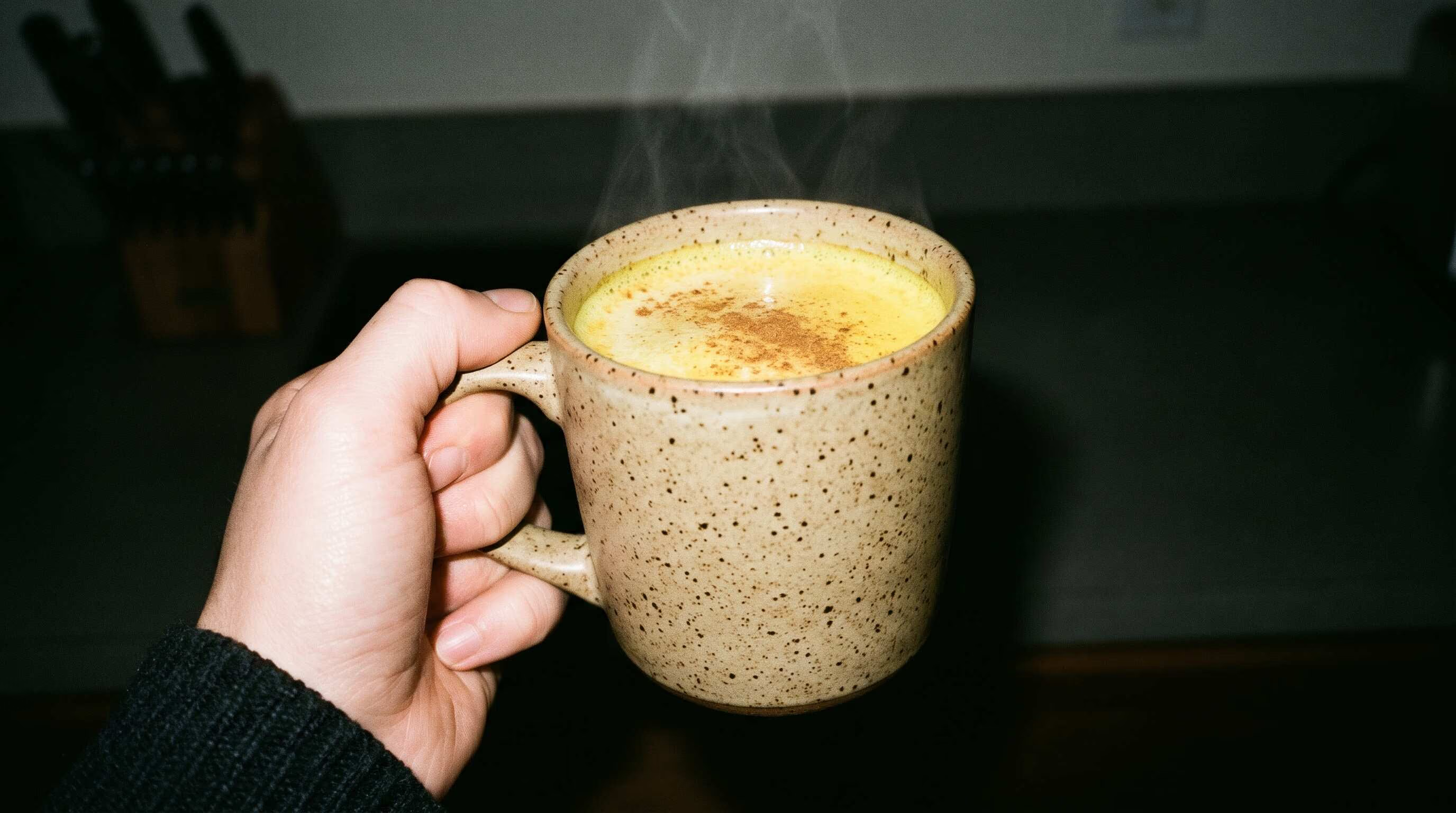
A few saffron threads go into the ghee-and-jaggery variation of the golden milk recipe.
Safety, Side Effects, and Interactions
Saffron in cooking amounts is safe for most people, and trial doses were generally well tolerated; the cautions concern pregnancy, serotonergic drugs, blood pressure and bleeding, and gram-level doses.
Pregnancy — high-dose contraindication: Saffron at culinary quantities (0.1–0.5 g/day) is a common food ingredient, but clinical trials on its safety in pregnancy are insufficient. High doses may stimulate uterine contraction or bleeding, saffron and its constituents caused embryonic malformations in animal studies at high (not pharmacological) doses, and a case-control study found a higher miscarriage rate among pregnant women heavily exposed to saffron during harvesting; a toxicology review advises pregnant women to avoid high doses (Bostan et al., 2017). Saffron supplements providing clinical doses (30–60 mg extract/day) should be avoided during pregnancy without medical supervision.
Serotonergic interactions: Given saffron’s proposed serotonergic activity, a theoretical risk of serotonin syndrome exists when combined with SSRIs, SNRIs, MAOIs, triptans, or other serotonergic agents. Culinary amounts are far below the extract doses used in trials; at supplement doses, patients on these medications should consult a prescriber before adding saffron.
Blood pressure and bleeding: In a one-week trial in 30 healthy volunteers, 400 mg/day saffron (but not 200 mg/day) lowered standing systolic and mean arterial pressure and slightly reduced platelet counts, all within normal ranges (Modaghegh et al., 2008). Individuals on antihypertensive medications or anticoagulants (warfarin, aspirin, clopidogrel) should use saffron supplements cautiously.
Toxicity at high doses: Saffron is toxic in large quantities. Reviews place the threshold for adverse effects at intakes above about 5 g/day of crude saffron (Ziani et al., 2025), with nausea, vomiting, diarrhea, and bleeding reported at gram-level doses (Bostan et al., 2017). Such amounts are far above the 0.1–0.3 g used in a dish.
Adulteration risk: Because a meaningful share of commercial saffron is adulterated, supplement quality (purity, standardization to active constituents, batch testing) is a genuine concern when using saffron for health purposes. Purchasing from suppliers with third-party ISO 3632 certification or independent laboratory testing reduces this risk.
Cytochrome P450 interactions: Preclinical studies indicate that saffron, crocin, and safranal can alter the expression or activity of some CYP enzymes, most notably inhibiting CYP3A4, which metabolizes many prescription drugs; the clinical significance and the doses at which interactions would occur have not been established in humans (Bathaei et al., 2025). People taking narrow-therapeutic-index drugs such as warfarin, digoxin, or cyclosporine should discuss saffron supplements with a prescriber.
Frequently Asked Questions
What are the benefits of saffron supplements?
The best-studied benefit is mood. A 2019 meta-analysis of 23 randomized trials found large reductions in depressive symptoms with saffron compared with placebo, and smaller sets of trials report effects on anxiety, PMS and memory in mild Alzheimer’s disease. The trials are mostly small, short and from Iran, so the findings need independent replication. Saffron is not a substitute for prescribed treatment.
How much saffron per day did studies use?
Most mood, PMS and memory trials used 20 to 30 mg a day of standardized saffron extract, sometimes split into two doses, for six to 22 weeks. That is far less than the roughly 5 g a day of crude saffron above which adverse effects are reported. Anyone taking antidepressants, blood thinners or blood pressure drugs should talk to a prescriber first.
Does saffron help with ADHD?
The evidence is preliminary. In a 2019 pilot trial of 54 children, 20 to 30 mg a day of saffron for six weeks produced changes in ADHD rating scores similar to methylphenidate, with similar side effect rates. The trial had no placebo group, so it cannot show saffron itself was effective. Children with ADHD should not switch treatments without their clinician.
Why is saffron so expensive?
Each crocus flower yields only three stigmas, which are picked by hand, usually in the early morning around mid-October, and then dried. An estimated 70,000 to 200,000 flowers are needed for one kilogram of dried saffron. The high price also drives widespread adulteration, with an estimated 20 to 30% of commercial saffron affected worldwide.
How much saffron do you use in rice?
A small pinch, about 0.1 g, is typically enough to color a pot of rice, and up to about 0.3 g is used for more generous dishes such as paella or biryani. Soak the threads in warm, not boiling, water or milk for 15 to 30 minutes first so the crocins release their color and flavor into the liquid.
Is saffron safe during pregnancy?
Culinary amounts are a normal food ingredient, but safety trials in pregnancy are lacking. High doses may stimulate uterine contractions or bleeding, animal studies found malformations at high doses, and heavy occupational exposure was linked to more miscarriages. A toxicology review advises pregnant women to avoid high doses, and supplements should be used only with medical supervision.
References
Show all 24 referencesShow fewer
- Lopresti, A. L., & Drummond, P. D. (2014). Saffron (Crocus sativus) for depression: A systematic review of clinical studies and examination of underlying antidepressant mechanisms of action. Human Psychopharmacology, 29(6), 517–527.
- Agha-Hosseini, M., et al. (2008). Crocus sativus L. (saffron) in the treatment of premenstrual syndrome: A double-blind, randomised and placebo-controlled trial. BJOG: An International Journal of Obstetrics and Gynaecology, 115(4), 515–519.
- Akhondzadeh, S., et al. (2010). Saffron in the treatment of patients with mild to moderate Alzheimer’s disease: A 16-week, randomized and placebo-controlled trial. Journal of Clinical Pharmacy and Therapeutics, 35(5), 581–588.
- Falsini, B., et al. (2010). Influence of saffron supplementation on retinal flicker sensitivity in early age-related macular degeneration. Investigative Ophthalmology and Visual Science, 51(12), 6118–6124.
- ISO 3632-1:2011. Saffron (Crocus sativus Linnaeus) — Part 1: Specifications. International Organization for Standardization.
- Marx, W., et al. (2019). Effect of saffron supplementation on symptoms of depression and anxiety: A systematic review and meta-analysis. Nutrition Reviews, 77(8), 557–571.
- Noorbala, A. A., et al. (2005). Hydro-alcoholic extract of Crocus sativus L. versus fluoxetine in the treatment of mild to moderate depression: A double-blind, randomized pilot trial. Journal of Ethnopharmacology, 97(2), 281–284.
- Shahmansouri, N., et al. (2014). A randomized, double-blind, clinical trial comparing the efficacy and safety of Crocus sativus L. with fluoxetine for improving mild to moderate depression in post percutaneous coronary intervention patients. Journal of Affective Disorders, 155, 216–222.
- Lopresti, A. L., et al. (2018). affron®, a standardised extract from saffron (Crocus sativus L.) for the treatment of youth anxiety and depressive symptoms: A randomised, double-blind, placebo-controlled study. Journal of Affective Disorders, 232, 349–357.
- Akhondzadeh, S., et al. (2010). A 22-week, multicenter, randomized, double-blind controlled trial of Crocus sativus in the treatment of mild-to-moderate Alzheimer’s disease. Psychopharmacology, 207(4), 637–643.
- Ziani, A., et al. (2025). Phytochemistry, biological activities, molecular mechanisms, and toxicity of saffron (Crocus sativus L.): A comprehensive overview. Antioxidants, 14(12), 1433.
- Mehdizadeh, M., et al. (2025). Combating saffron fraud: A systematic review of adulteration practices, detection technologies, recommendations and challenges. Critical Reviews in Food Science and Nutrition, 66(7), 1387–1403.
- Avila-Sosa, R., et al. (2022). Detection of saffron’s main bioactive compounds and their relationship with commercial quality. Foods, 11(20), 3245.
- Bostan, H. B., Mehri, S., & Hosseinzadeh, H. (2017). Toxicology effects of saffron and its constituents: A review. Iranian Journal of Basic Medical Sciences, 20(2), 110–121.
- Modaghegh, M. H., et al. (2008). Safety evaluation of saffron (Crocus sativus) tablets in healthy volunteers. Phytomedicine, 15(12), 1032–1037.
- USDA FoodData Central. Spices, saffron (FDC 170934).
- Lautenschläger, M., et al. (2015). Intestinal formation of trans-crocetin from saffron extract (Crocus sativus L.) and in vitro permeation through intestinal and blood brain barrier. Phytomedicine, 22(1), 36–44.
- Bathaei, P., et al. (2025). Effects of Crocus sativus and its active constituents on cytochrome P450: A review. Naunyn-Schmiedeberg’s Archives of Pharmacology, 398(9), 11407–11420.
- Matraszek-Gawron, R., et al. (2022). Current knowledge of the antidepressant activity of chemical compounds from Crocus sativus L. Pharmaceuticals, 16(1), 58.
- Vahdati Hassani, F., et al. (2014). Antidepressant effects of crocin and its effects on transcript and protein levels of CREB, BDNF, and VGF in rat hippocampus. DARU Journal of Pharmaceutical Sciences, 22(1), 16.
- Hosseinzadeh, H., & Sadeghnia, H. R. (2007). Protective effect of safranal on pentylenetetrazol-induced seizures in the rat: Involvement of GABAergic and opioids systems. Phytomedicine, 14(4), 256–262.
- Geromichalos, G. D., et al. (2012). Saffron as a source of novel acetylcholinesterase inhibitors: Molecular docking and in vitro enzymatic studies. Journal of Agricultural and Food Chemistry, 60(24), 6131–6138.
- Papandreou, M. A., et al. (2006). Inhibitory activity on amyloid-beta aggregation and antioxidant properties of Crocus sativus stigmas extract and its crocin constituents. Journal of Agricultural and Food Chemistry, 54(23), 8762–8768.
- Baziar, S., Aqamolaei, A., Khadem, E., et al. (2019). Crocus sativus L. versus methylphenidate in treatment of children with attention-deficit/hyperactivity disorder: A randomized, double-blind pilot study. Journal of Child and Adolescent Psychopharmacology, 29(3), 205–212.
Related content
More in Roots & Herbs
- Ashwagandha (Withania somnifera)
Ashwagandha side effects, who should avoid it, and drug interactions, plus what trials show for stress, sleep and strength at clinical doses.
- Basil (Ocimum basilicum)
Basil benefits: what lab and human studies show, vitamin K per serving, sweet basil vs holy basil, and the estragole and warfarin cautions.
- Black Pepper (Piper nigrum)
Black pepper benefits: how piperine raises absorption of curcumin and some drugs, what human studies show, side effects, and drug interactions.
- Cilantro / Coriander (Coriandrum sativum)
Cilantro vs parsley: how the two herbs differ in flavor, vitamin K and vitamin C, plus what the evidence says about cilantro benefits and safety.
- Cinnamon (Cinnamomum verum / C. cassia)
Ceylon cinnamon vs cassia: coumarin levels and liver risk, how much is safe per day, and what trials show for blood sugar and cholesterol.
- Garlic (Allium sativum)
Garlic benefits for blood pressure, cholesterol and colds: what trials show, how much raw garlic or supplement they used, and bleeding risks.

Curated by Superfoods Advisor Editors·Last updated