Does Chlorella Actually Detox Heavy Metals? What the Evidence Says
By Superfoods Advisor Editors·July 7, 2026
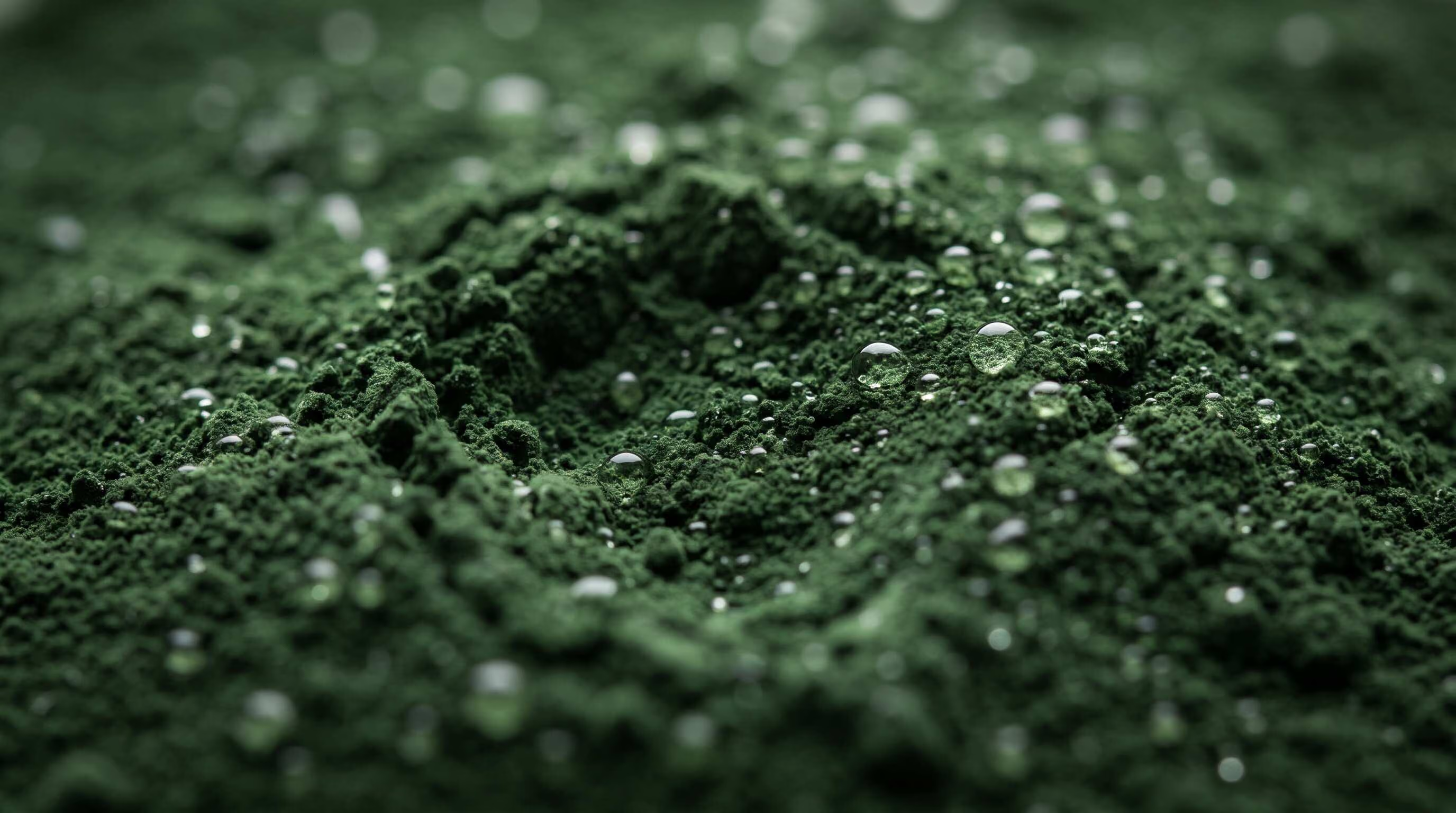
Chlorella detox claims checked: chlorella binds heavy metals in lab and animal studies, but human evidence that it removes them is thin and uncontrolled.
The short answer
Chlorella detox claims rest mostly on lab and animal data. Chlorella (for example Chlorella vulgaris), a green freshwater microalga sold as a supplement, binds mercury, lead, cadmium and arsenic in test-tube and rodent studies. Human evidence that it removes heavy metals is limited to a few small trials, none large, controlled or long enough to show a lower body burden.
Nothing on this page diagnoses, treats, prevents, or cures anything; see our medical disclaimer.
What is actually claimed
Chlorella’s cell surface carries polysaccharides and proteins whose functional groups bind metal ions in vitro, which is why the alga is studied as a biosorbent for cleaning metal-contaminated wastewater (Salimi et al. 2025, Sci Total Environ). The commercial-supplement version of the claim goes further: that oral chlorella powder increases fecal excretion of heavy metals and reduces circulating or tissue levels in humans.
The animal evidence
Rodent studies suggest that dietary chlorella can lower tissue levels of some metals. In rats fed cadmium for 8 weeks, adding 5% or 10% Chlorella vulgaris to the diet lowered liver cadmium and reduced liver damage (Shim et al. 2008, J Med Food). In mice given a single oral dose of methylmercury and then fed a chlorella-containing diet for three weeks, blood mercury fell faster, urinary and fecal mercury excretion rose, and kidney and brain mercury were lower than in controls, though liver levels were not significantly different (Uchikawa et al. 2011, J Toxicol Sci). The mouse result hints that chlorella may speed the excretion of mercury already absorbed, not only bind it in the gut, but these are animal data at dietary doses far above typical supplement servings.
The human evidence
Human data is limited and mostly small. In one uncontrolled study, 16 adults with long-standing dental amalgam fillings and titanium implants took a combination of Chlorella vulgaris, Fucus seaweed extract and sulfur-containing amino acids for 90 days; hair mercury, silver, tin and lead were lower than at baseline (Merino et al. 2019, Antioxidants (Basel)). There was no placebo group, chlorella was one ingredient among several, and hair levels are an indirect measure, so the result is hypothesis-generating at best. Human trials of this kind are not large, blinded, or long-duration.
Chlorella is not a chelation therapy. Diagnosed heavy-metal poisoning is treated with prescription chelating agents such as DMSA (succimer), DMPS and calcium disodium EDTA, given and monitored by clinicians (Balali-Mood et al. 2025, Heliyon). Chlorella is not in this category.
Cracked cell walls and bioavailability
The chlorella cell wall is tough. Human digestion cannot break it down, so most supplements are mechanically disrupted (“broken” or “cracked” cell wall) to make intracellular nutrients such as protein more available (Bito et al. 2020, Nutrients). Whether wall integrity affects metal binding in the gut is unclear.
Practical read
- If your interest is reducing incidental gut absorption of dietary metals (e.g. from fish), the mechanistic case is plausible but not proven in humans.
- If you have known elevated blood lead or mercury, chlorella is not a substitute for clinical evaluation and, if indicated, prescription chelation.
- Purity matters twice over here. Because algae take up contaminants readily, a 2025 analysis of 52 spirulina and chlorella supplements screened them for metals: all met EU limits for toxic metals, but aluminum and pharmaceutical residues were detected (Sochacka et al. 2025, Int J Mol Sci). Ask for a batch COA.
- No dose has been established for metal reduction. Human chlorella trials on other outcomes have used about 5–9 g per day (Kwak et al. 2012; Merchant et al. 2015).
Frequently Asked Questions
Does chlorella remove heavy metals?
Not in any way shown in humans so far. Chlorella binds metal ions in vitro, and in mice fed a chlorella diet after a methylmercury dose, blood mercury fell faster and urinary and fecal excretion rose. The only human study cited here was uncontrolled, combined chlorella with seaweed extract and amino acids, and measured hair levels, so it cannot show that chlorella itself lowers body-burden metals.
Does chlorella detox the body?
“Detox” is a marketing word, not a measured outcome. The specific, testable version of the claim is that chlorella increases excretion of heavy metals, and that has animal support but no solid human confirmation. Your liver and kidneys clear most everyday compounds; if you are worried about a real exposure, a blood test and a clinician are the way to find out.
How much chlorella per day for a detox?
No dose has been established for reducing heavy metals, because no adequate human trial has tested one. Human chlorella trials on other outcomes, such as immune function and vitamin B12 status, used about 5–9 g per day. The rodent studies that showed lower tissue metals fed diets of 5% or 10% chlorella, far more than a typical supplement serving.
Is chlorella a substitute for chelation therapy?
No. Chlorella is not a chelation therapy. Diagnosed heavy-metal poisoning is treated with prescription chelating agents such as DMSA (succimer), DMPS and calcium disodium EDTA, given and monitored by clinicians. If you have known elevated blood lead or mercury, talk to a clinician rather than self-treating with a supplement.
Can chlorella supplements themselves contain heavy metals?
They can take up contaminants, which is why purity matters. A 2025 analysis of 52 spirulina and chlorella supplements found all met EU limits for toxic metals, but aluminum and pharmaceutical residues were detected. Ask the brand for a batch certificate of analysis (COA) before buying.
Related
- Encyclopedia: Chlorella
- Encyclopedia: Spirulina
- Roundup: The best organic spirulina powder for daily smoothies
- Disclaimer: Medical disclaimer
References
Show all 9 referencesShow fewer
- Salimi et al. (2025, Sci Total Environ). PubMed 40580714
- Shim et al. (2008, J Med Food). PubMed 18800895
- Uchikawa et al. (2011, J Toxicol Sci). PubMed 21297350
- Merino et al. (2019, Antioxidants (Basel)). PubMed 31014007
- Balali-Mood et al. (2025, Heliyon). PubMed 40040983
- Bito et al. (2020, Nutrients). PubMed 32825362
- Sochacka et al. (2025, Int J Mol Sci). PubMed 41226507
- Kwak et al. (2012, Nutr J). PubMed 22849818
- Merchant et al. (2015, J Med Food). PubMed 26485478
Shopping for spirulina?
Top-ranked of 6 products compared.

Compare all 6 picks →Affiliate links. Disclosure.
Read next
Written by Superfoods Advisor Editors·Published July 7, 2026