Spirulina (Arthrospira platensis)
Arthrospira platensis · also known as blue-green algae, Spirulina platensis, spirulina powder
By Superfoods Advisor Editors·July 3, 2026
What is spirulina good for? Spirulina nutrition, what trials show for cholesterol and blood sugar, the B12 myth, how much per day, and side effects.
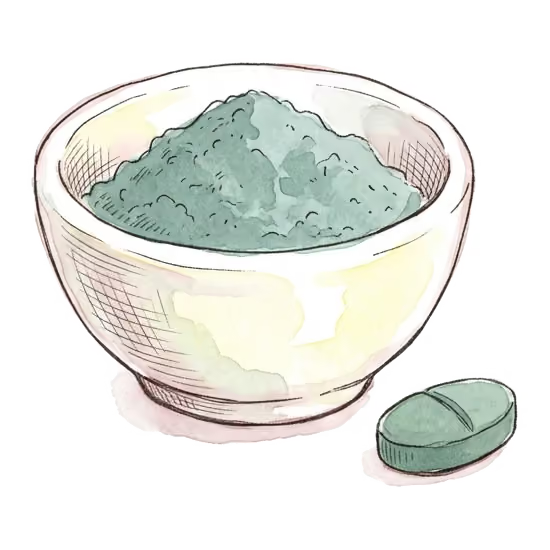
Spirulina (Arthrospira platensis) is a blue-green cyanobacterium sold as a dried powder and tablets, often called blue-green algae. It is mainly good for adding concentrated protein (57–70% by dry weight), iron and the pigment phycocyanin. Small trials suggest it may lower cholesterol and fasting glucose, but it is not a reliable source of vitamin B12.
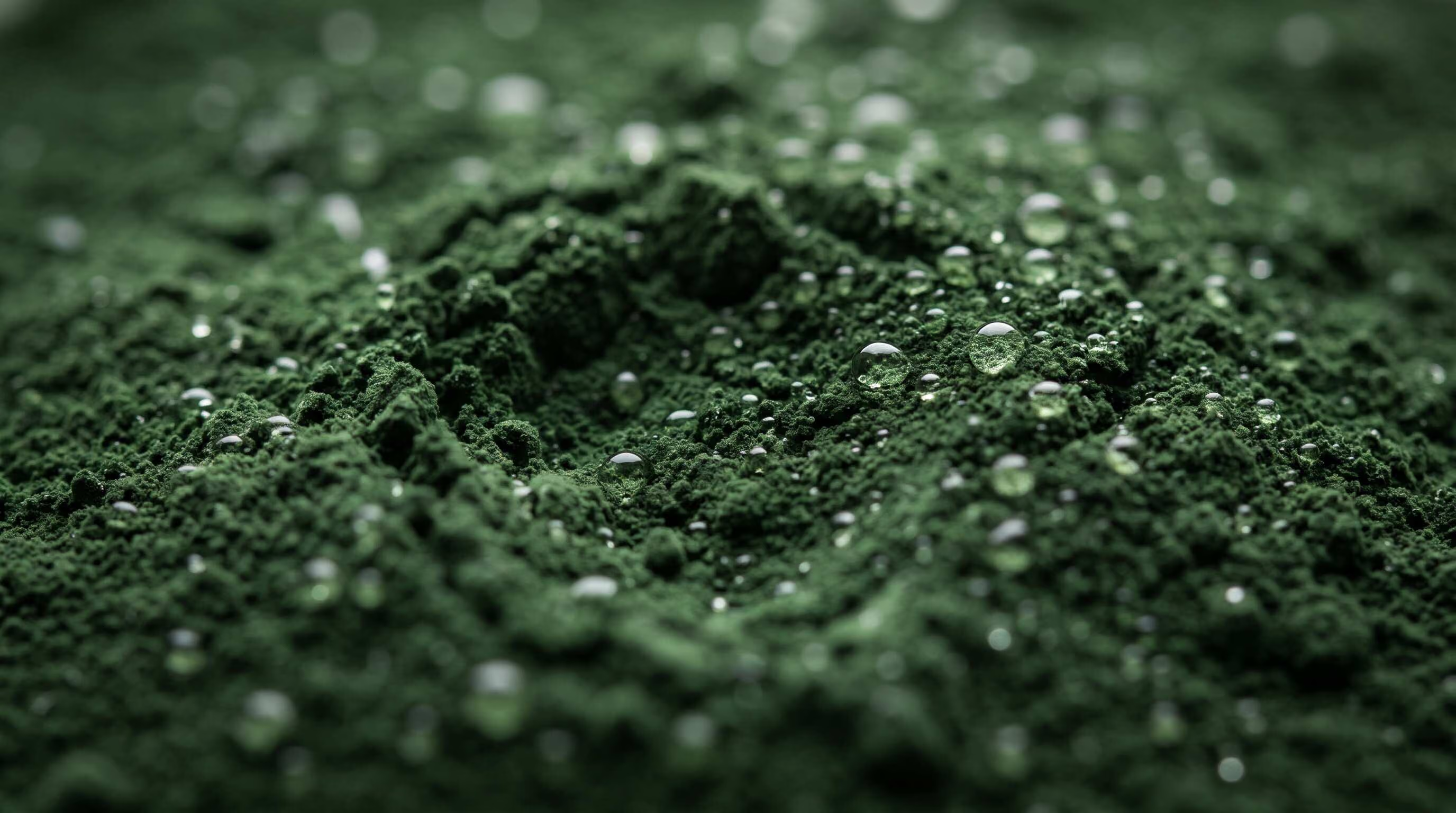
Spirulina is a photosynthetic prokaryote, commonly grouped with microalgae in the supplement literature, that grows in warm, highly alkaline lakes. A. maxima is also sold under the spirulina name. It is farmed in open raceway ponds or closed photobioreactors in the United States, China, India and several African countries; Lake Texcoco in Mexico and Lake Chad supplied wild harvests historically.
People have eaten it for centuries. The Aztecs harvested it from Lake Texcoco as “tecuitlatl,” and the Kanembou people around Lake Chad traditionally prepared dried spirulina cakes. NASA later studied it as a food for long space missions, and a 2008 FAO review noted that in parts of Africa it is collected, dried and eaten as a protein source (Habib et al., 2008).
Evidence at a glance
Active Compounds
Phycocyanin is spirulina’s most pharmacologically studied constituent. This water-soluble biliprotein pigment gives the alga its characteristic blue-green color and functions as both a light-harvesting pigment and an antioxidant. In cell and animal models, phycocyanin has demonstrated free-radical scavenging activity, cyclooxygenase-2 (COX-2) inhibition, and NF-κB pathway modulation. Human data remain limited, and the concentrations achieved through typical supplement doses may differ significantly from those used in laboratory studies.
Gamma-linolenic acid (GLA) is an omega-6 fatty acid that can make up as much as 40% of total fatty acids in Arthrospira platensis (Furmaniak et al., 2017). Because spirulina is low in fat, the absolute amount is small: USDA FoodData Central lists about 0.8 g of 18:3 fatty acids (the class that includes GLA) per 100 g of dried spirulina. GLA serves as a precursor to anti-inflammatory eicosanoids via dihomo-gamma-linolenic acid (DGLA), distinguishing spirulina from most plant protein sources, which supply linoleic acid but little or no GLA.
Phytonutrients and pigments include beta-carotene (a provitamin A carotenoid), zeaxanthin (a xanthophyll carotenoid relevant to eye health), and chlorophyll. These compounds contribute to spirulina’s antioxidant capacity as measured by ORAC and DPPH assays, though in-vitro antioxidant scores do not directly predict in-vivo activity.
Protein fraction comprises approximately 55–70% of dry weight, with all nine essential amino acids present (Podgórska-Kryszczuk, 2024). Unlike chlorella, spirulina lacks a tough cellulose cell wall. In a small crossover trial (n=10), a 20 g protein dose from spirulina raised blood amino acids about as much as milk protein, while whole-cell chlorella barely raised them (Williamson et al., 2024).
Vitamin and mineral cofactors of note include iron (approximately 28 mg per 100 g, per USDA FoodData Central), potassium, magnesium, and B vitamins including thiamine (B1), riboflavin (B2), and niacin (B3).
Nutritional Profile
Values are approximate and vary by cultivation conditions, species, and drying method. Single figures are from USDA FoodData Central (“Seaweed, spirulina, dried”); ranges for protein, beta-carotene and phycocyanin are from a 2024 review (Podgórska-Kryszczuk).
Per 100 g dried powder:
| Nutrient | Amount | % DV |
|---|---|---|
| Protein | 57–70 g | — |
| Carbohydrates | 24 g | — |
| Fat | 7–8 g | — |
| 18:3 fatty acids (incl. GLA) | 0.8 g | — |
| Iron | 28 mg | — |
| Calcium | 120 mg | — |
| Magnesium | 195 mg | — |
| Beta-carotene | 177–580 mg | — |
| Phycocyanin | 14–20 g | — |
Carotenoid figures are the least consistent: USDA’s entry lists only 342 µg of beta-carotene per 100 g, far below the analyses compiled in the review, so treat any single beta-carotene value with caution.
Per 3 g serving (about 1 teaspoon):
| Nutrient | Amount |
|---|---|
| Calories | ~9 kcal |
| Protein | 1.7 g |
| Iron | ~0.9 mg (~5% DV) |
| Beta-carotene | variable (see above) |
At a typical supplement serving of 3–5 g per day, spirulina contributes modest but real amounts of protein, iron, and carotenoids. It is not a significant source of essential fatty acids at this dose.
Evidence for Purported Benefits
Lipid Profile and Cardiovascular Risk Markers
Evidence:Limited A meta-analysis of 7 small RCTs in varied populations found lipid reductions; trials were few and of mixed quality.
Several small randomized controlled trials have examined spirulina’s effect on blood lipids. A 2016 meta-analysis by Serban et al. (Clinical Nutrition, 7 RCTs) found statistically significant reductions in total cholesterol (−46.8 mg/dL), LDL cholesterol (−41.3 mg/dL), and triglycerides (−44.2 mg/dL), with a modest increase in HDL cholesterol. The authors reported the effects as independent of dose, while longer supplementation was associated with larger changes. The included trials were few and enrolled varied populations. These findings warrant confirmation in larger, longer-duration trials before clinical application.
Antioxidant Status and Inflammation
Evidence:Preliminary One RCT in 78 older adults found antioxidant marker changes; the rest is in vitro work on phycocyanin.
A 2008 randomized, double-blind, placebo-controlled trial by Park et al. (Annals of Nutrition and Metabolism, n=78 adults aged 60–87, 16 weeks, 8 g/day) found a favorable change in total antioxidant status in men and increased superoxide dismutase activity in women, along with lower total cholesterol. The lead author worked for a Korean food company (CJ CheilJedang). Phycocyanin has demonstrated in-vitro inhibition of reactive oxygen species at micromolar concentrations. Translation to meaningful antioxidant effects in healthy humans eating varied diets is uncertain.
Muscle Damage and Exercise Performance
Evidence:Preliminary A single crossover trial in 9 trained men measured one oxidative stress marker; no replication.
A 2010 crossover trial by Kalafati et al. (Medicine & Science in Sports & Exercise, n=9 moderately trained men, 4 weeks, 6 g/day) reported that a lipid peroxidation marker (TBARS) rose after prolonged running on placebo but not on spirulina. Single studies of this size cannot be treated as conclusive; replication in larger samples is needed.
Blood Glucose Regulation
Evidence:Limited A meta-analysis of 8 small trials in type 2 diabetes found lower fasting glucose but no change in HbA1c.
A 2021 meta-analysis by Hatami et al. (Journal of Diabetes & Metabolic Disorders) pooled 8 studies of spirulina in people with type 2 diabetes and found a reduction in fasting blood glucose (about −18 mg/dL) but no significant effect on HbA1c or postprandial blood glucose. The included trials were small and few. Spirulina should not be used as a substitute for established diabetes management.
Shopping for spirulina?
Top-ranked of 6 products compared.
Compare all 6 picks →Affiliate links. Disclosure.
Typical Use and Preparation
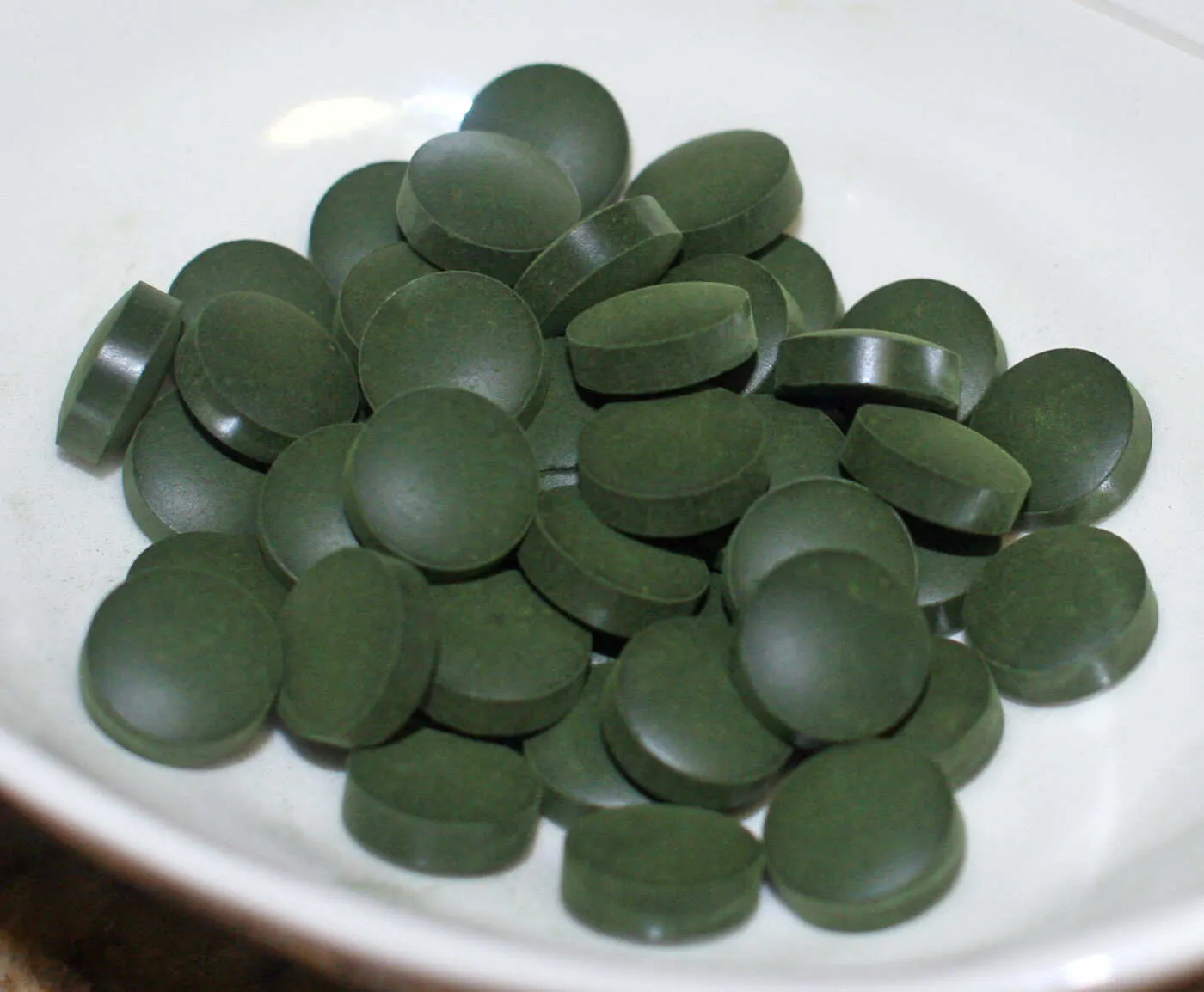 Photo: Original uploader was Perdita at the English Wikipedia, public domain, via Wikimedia Commons
Spirulina powder dissolves readily in water, juice, or smoothies, imparting a strong, earthy, sulfurous flavor that many users mask with fruit. Doses in the trials described above ranged from 6 to 8 g per day, and 3–5 g is common in commercial products. Tablets and capsules are preferred by those averse to the taste. There is no established optimal dose, and most trials have lasted weeks to a few months.
Spirulina does not require any processing to make its protein available; whole-cell chlorella, by contrast, delivered little amino acid to the blood in the trial described above (Williamson et al., 2024). It mixes well in:
- Green smoothies with banana, mango, or pineapple to buffer the flavor
- Energy balls with dates and nut butter
- Savory dips and dressings in small amounts
Spirulina powder appears in several of the superfood smoothie recipes, usually blended with fruit. For tested products, see the comparison of the best organic spirulina powder for daily smoothies. Spirulina is most often compared with chlorella, a green alga whose entry sets the two side by side.
Safety, Interactions, and Contraindications
B12 misconception — important: Spirulina contains corrinoid compounds that the microbiological assays used in food analysis count as vitamin B12. In spirulina tablets analyzed by Watanabe et al. (1999), the microbiological method gave values roughly 6–9 times higher than an intrinsic-factor assay, and 83% of the intrinsic-factor-active cobamide was pseudovitamin B12. Pseudovitamin B12 is biologically inactive in humans, so the high B12 figures on some spirulina labels overstate what the body can use, and reviewers conclude that edible cyanobacteria are not suitable B12 sources for vegetarians (Watanabe et al., 2014). Vegans and vegetarians must obtain B12 from fortified foods or supplemental cyanocobalamin/methylcobalamin, not from spirulina.
Contamination risk: Because spirulina is cultivated in open ponds, contamination with other cyanobacteria (notably Microcystis species, which produce hepatotoxic microcystins), heavy metals, and microbial pathogens is a documented concern. Market surveys in Germany and Italy found microcystins only in products containing Aphanizomenon flos-aquae, while spirulina-only products tested negative (Heussner et al., 2012; Vichi et al., 2012), so blended “blue-green algae” products appear to carry more risk. Pure spirulina is not automatically clean, though: a Spanish survey of 10 microalgae supplements detected microcystin-LR and anatoxin-a in products other than AFA, along with high lead in some (Sánchez-Parra et al., 2020), whereas a 2025 Polish analysis of 52 spirulina and chlorella supplements found all within EU toxic-metal limits, with organic products no cleaner than conventional ones (Sochacka et al., 2025). The reference level most often applied is the 1 µg/g microcystin guideline set by the Oregon Department of Agriculture in 1997; a review of 623 samples from French spirulina farms found none above it (Pinchart et al., 2023). The FDA regulates spirulina as a dietary supplement, meaning pre-market safety testing is not required. Product selection from manufacturers with third-party contamination testing is essential.
Phenylketonuria (PKU): Spirulina is a concentrated protein source containing phenylalanine (about 2.8 g per 100 g, per USDA FoodData Central) and must be avoided by individuals with PKU.
Autoimmune conditions: Spirulina may stimulate immune activity. Case reports link spirulina-containing supplements to flares of pemphigus vulgaris and to the onset of dermatomyositis (Lee & Werth, 2004), and a later review groups it with other immunostimulatory supplements reported alongside lupus and dermatomyositis flares (Bax et al., 2021). The evidence is limited to case reports, but people with lupus or other autoimmune disorders should use it only after consulting a physician.
Drug interactions: Immunosuppressant medications (cyclosporine, azathioprine) may interact with spirulina’s immunomodulatory effects. Spirulina’s vitamin K content is low (USDA lists about 25 µg per 100 g, roughly 1 µg in a 3–5 g serving), so any concern with anticoagulant therapy (warfarin) rests mainly on phycocyanin’s antiplatelet activity, which has been shown only in laboratory studies with isolated human platelets (Hsiao et al., 2005). Patients on these medications should consult their prescriber before use.
Pregnancy and lactation: Insufficient safety data exist. Use is not recommended during pregnancy or breastfeeding.
Known adverse effects: A 2011 United States Pharmacopeia review analyzed 31 adverse event reports along with clinical and animal data and assigned spirulina a Class A safety rating, meaning it found no serious safety concern that would bar a quality monograph (Marles et al., 2011). Mild gastrointestinal symptoms such as nausea and diarrhea have been reported. Allergy appears uncommon, but a 2024 review found five published cases, four of them classified as anaphylaxis (Gromek et al., 2024). Liver injury has been described in a case report (Iwasa et al., 2002), though establishing causality is difficult given the supplement market’s quality variability.
Product Selection Criteria
Third-party contamination testing: Given the open-pond cultivation environment, independent testing for microcystins (cyanotoxins), arsenic, lead, mercury, cadmium, and microbial contamination is the most critical selection criterion. Look for certificates of analysis (CoAs) from ISO-accredited laboratories.
Origin and growing conditions: Country of origin and organic status are no substitute for batch testing; the surveys above found contamination and clean results in products from varied sources.
Processing: Phycocyanin is heat-sensitive. In one drying study its content fell at temperatures above about 80 °C and with long drying times (Silva et al., 2023), so gentler, lower-temperature drying tends to preserve more of the pigment.
Certifications: USDA Organic certification limits pesticide residue risk; NSF Certified for Sport or Informed Sport certification provides additional assurance for athletes subject to anti-doping rules.
Dose transparency: Products should list spirulina content in grams per serving, not in milligrams, to enable meaningful dose comparison.
Frequently Asked Questions
What is spirulina good for?
Spirulina is mainly a concentrated source of protein, iron, magnesium and pigments such as phycocyanin and beta-carotene. In small trials it has been studied for cholesterol, blood sugar, antioxidant status and exercise recovery, with modest and early results. It does not supply usable vitamin B12, and at 3–5 g a day it adds nutrients rather than replacing a varied diet.
Is spirulina a complete protein?
Spirulina contains all nine essential amino acids, and protein makes up about 55–70% of its dry weight. In a small crossover trial, 20 g of spirulina protein raised blood amino acids about as much as milk protein. Typical servings are small, though: 3 g of powder gives about 1.7 g of protein, so it contributes little toward daily protein needs at supplement doses.
How much spirulina per day?
There is no established optimal dose. Commercial products commonly suggest 3–5 g a day, and the trials described here used 6–8 g a day for weeks to a few months. People with PKU must avoid it because of its phenylalanine, and people with autoimmune disease, those on immunosuppressants, or anyone pregnant or breastfeeding should check with a clinician first.
Is spirulina good for you?
For most healthy adults it appears safe: a 2011 United States Pharmacopeia review gave it a Class A safety rating. Its benefits are modest and mostly supported by small trials, and its quality depends on the product, because open-pond cultivation can introduce cyanotoxins and heavy metals. Choosing a product with third-party test results is the most important step.
Does spirulina have vitamin B12?
Not in a form the body can use. Lab assays count spirulina’s corrinoids as B12, but most of it is pseudovitamin B12, which is inactive in humans; in one analysis, standard methods overstated true B12 6–9 fold. Reviewers conclude edible cyanobacteria are not suitable B12 sources, so vegans and vegetarians need fortified foods or a B12 supplement.
What are the side effects of spirulina?
Mild nausea and diarrhea are the most reported. Rarer problems include allergic reactions, with five published cases in one review, four of them anaphylaxis, and a case report of liver injury. Case reports also link spirulina supplements to flares of autoimmune skin disease. Contaminated products are a separate risk, which is why third-party testing matters.
References
Show all 23 referencesShow fewer
- Serban, M. C., Sahebkar, A., Dragan, S., et al. (2016). A systematic review and meta-analysis of the impact of Spirulina supplementation on plasma lipid concentrations. Clinical Nutrition, 35(4), 842–851.
- Park, H. J., Lee, Y. J., Ryu, H. K., et al. (2008). A randomized double-blind, placebo-controlled study to establish the effects of spirulina in elderly Koreans. Annals of Nutrition and Metabolism, 52(4), 322–328.
- Kalafati, M., Jamurtas, A. Z., Nikolaidis, M. G., et al. (2010). Ergogenic and antioxidant effects of spirulina supplementation in humans. Medicine & Science in Sports & Exercise, 42(1), 142–151.
- Watanabe, F., Katsura, H., Takenaka, S., et al. (1999). Pseudovitamin B12 is the predominant cobamide of an algal health food, spirulina tablets. Journal of Agricultural and Food Chemistry, 47(11), 4736–4741.
- Hatami, E., Ghalishourani, S. S., Najafgholizadeh, A., et al. (2021). The effect of spirulina on type 2 diabetes: a systematic review and meta-analysis. Journal of Diabetes & Metabolic Disorders, 20(1), 883–892.
- Watanabe, F., Yabuta, Y., Bito, T., & Teng, F. (2014). Vitamin B12-containing plant food sources for vegetarians. Nutrients, 6(5), 1861–1873.
- Furmaniak, M. A., Misztak, A. E., Franczuk, M. D., et al. (2017). Edible cyanobacterial genus Arthrospira: actual state of the art in cultivation methods, genetics, and application in medicine. Frontiers in Microbiology, 8, 2541.
- Podgórska-Kryszczuk, I. (2024). Spirulina — an invaluable source of macro- and micronutrients with broad biological activity and application potential. Molecules, 29(22), 5387.
- Heussner, A. H., Mazija, L., Fastner, J., & Dietrich, D. R. (2012). Toxin content and cytotoxicity of algal dietary supplements. Toxicology and Applied Pharmacology, 265(2), 263–271.
- Vichi, S., Lavorini, P., Funari, E., Scardala, S., & Testai, E. (2012). Contamination by Microcystis and microcystins of blue-green algae food supplements (BGAS) on the Italian market and possible risk for the exposed population. Food and Chemical Toxicology, 50(12), 4493–4499.
- Pinchart, P. E., Leruste, A., Pasqualini, V., & Mastroleo, F. (2023). Microcystins and cyanobacterial contaminants in the French small-scale productions of spirulina (Limnospira sp.). Toxins, 15(6), 354.
- Lee, A. N., & Werth, V. P. (2004). Activation of autoimmunity following use of immunostimulatory herbal supplements. Archives of Dermatology, 140(6), 723–727.
- Bax, C. E., Chakka, S., Concha, J. S. S., Zeidi, M., & Werth, V. P. (2021). The effects of immunostimulatory herbal supplements on autoimmune skin diseases. Journal of the American Academy of Dermatology, 84(4), 1051–1058.
- U.S. Department of Agriculture. FoodData Central: Seaweed, spirulina, dried (FDC ID 170495).
- Habib, M. A. B., Parvin, M., Huntington, T. C., & Hasan, M. R. (2008). A review on culture, production and use of spirulina as food for humans and feeds for domestic animals. FAO Fisheries and Aquaculture Circular No. 1034. Rome: FAO.
- Williamson, E., Monteyne, A. J., Van der Heijden, I., et al. (2024). Ingestion of ‘whole cell’ or ‘split cell’ Chlorella sp., Arthrospira sp., and milk protein show divergent postprandial plasma amino acid responses with similar postprandial blood glucose control in humans. Frontiers in Nutrition, 11, 1487778.
- Sánchez-Parra, E., Boutarfa, S., & Aboal, M. (2020). Are cyanotoxins the only toxic compound potentially present in microalgae supplements? Results from a study of ecological and non-ecological products. Toxins, 12(9), 552.
- Sochacka, M., et al. (2025). Spirulina and Chlorella dietary supplements: are they a source solely of valuable nutrients? International Journal of Molecular Sciences.
- Hsiao, G., Chou, P. H., Shen, M. Y., et al. (2005). C-phycocyanin, a very potent and novel platelet aggregation inhibitor from Spirulina platensis. Journal of Agricultural and Food Chemistry, 53(20), 7734–7740.
- Marles, R. J., Barrett, M. L., Barnes, J., et al. (2011). United States Pharmacopeia safety evaluation of spirulina. Critical Reviews in Food Science and Nutrition, 51(7), 593–604.
- Gromek, W., Kołdej, N., Kurowski, M., & Majsiak, E. (2024). Spirulina (Arthrospira platensis): antiallergic agent or hidden allergen? A literature review. Foods, 13(7), 1052.
- Iwasa, M., Yamamoto, M., Tanaka, Y., Kaito, M., & Adachi, Y. (2002). Spirulina-associated hepatotoxicity. American Journal of Gastroenterology, 97(12), 3212–3213.
- Silva, N. C., Freitas, L. V. D., Silva, T. C., Duarte, C. R., & Barrozo, M. A. S. (2023). Use of refractance window drying as an alternative method for processing the microalga Spirulina platensis. Molecules, 28(2), 720.
Reviews
Product recommendations tied to this entry, selected by the criteria in our affiliate disclosure.
The Best Organic Spirulina Powder for Daily Smoothies (2026)
 Check price on Amazon on Amazon for Nutrex Hawaii Pure Hawaiian Spirulina Powder, 16 oz (opens in a new tab)
 Check price on Amazon on Amazon for Micro Ingredients Organic Spirulina Powder, 1 lb (opens in a new tab)
 Check price on Amazon on Amazon for Nutricost Organic Spirulina Powder, 908 g (2 lb) (opens in a new tab)
Compare all 6 picks →Affiliate links. Disclosure.
Related content
More in Seaweed & Algae
- Algae Oil (Schizochytrium and Crypthecodinium)
Algae oil omega-3 explained: how much EPA and DHA it supplies, algae oil vs fish oil, what trials show for heart and pregnancy, dosing, and safety.
- Chlorella (Chlorella vulgaris)
Chlorella vs spirulina compared, plus chlorella benefits: trials on immunity and cholesterol, the detox claim, B12, cell walls, dose and side effects.
- Sea Moss (Irish Moss)
What is sea moss good for? Sea moss benefits against the evidence: nutrition, gut, thyroid and immune claims, iodine and heavy metals, and safety.
- Seaweed (Edible Sea Vegetables)
Is seaweed good for you? Nutrition of nori, wakame and kombu, iodine benefits and risks, what research shows, how much is too much, and which to avoid.

Curated by Superfoods Advisor Editors·Last updated