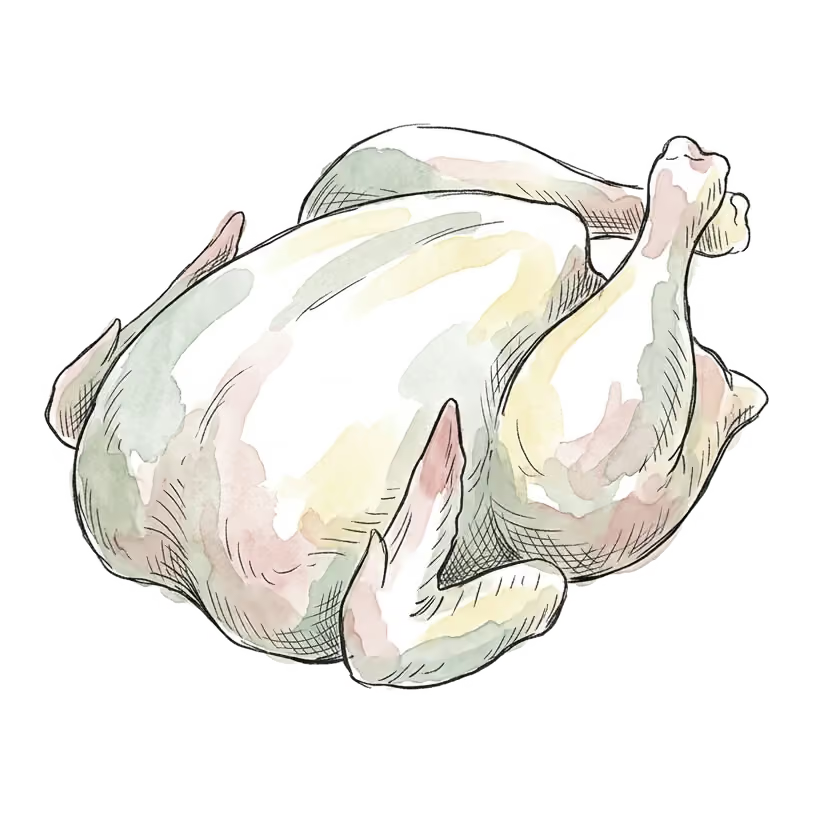
Pastured Chicken
Gallus gallus domesticus · also known as pasture-raised chicken, free-range chicken, pastured poultry, heritage breed chicken, yard bird, free-roaming chicken
By Superfoods Advisor Editors·July 3, 2026
Pasture-raised vs free-range chicken: what each USDA label and certifier requires, how the meat differs nutritionally, and chicken safety facts.
Pasture-raised (pastured) chicken comes from birds (Gallus gallus domesticus) raised mostly outdoors on grass and other vegetation, while “free-range” means only documented access to the outdoors, with no federal minimum for time or space. Certified Humane, for example, requires 108 square feet of outdoor space per pasture-raised bird against 2 square feet for free-range.
More broadly, “pastured chicken” refers to birds raised with access to outdoor pasture and the ability to engage in natural foraging behaviors — grazing on grasses, seeds, and insects — as opposed to confinement poultry production, where birds are housed entirely indoors in high-density environments. The terminology around poultry production labels is important to understand. In the United States, the USDA Food Safety and Inspection Service (FSIS) does not define “free range” or “pasture raised” in regulation; it approves these claims label by label from producer documentation, and “free range” generally rests on documented access to the outdoors without a federal minimum for duration or space. FSIS’s 2024 guideline strongly encourages third-party certification and asks producers making “pasture raised” claims to document that birds were raised on land mostly covered by grass or other rooted vegetation for the majority of their lives (FSIS, Federal Register 2024). Certifier standards are stricter and vary: Certified Humane, for example, requires 108 square feet of outdoor space per bird for its “pasture raised” broiler option versus 2 square feet for “free range” (Humane Farm Animal Care, Standards for Chickens). “Pastured” and “pasture-raised” generally signify greater outdoor access, foraging opportunity, and movement than standard “free-range” labeling.
Nutritionally, chicken is valued as a complete protein source with a high protein digestibility-corrected amino acid score (PDCAAS), as well as a vehicle for selenium, B vitamins, and, in some pastured systems, a modestly altered fatty acid profile. This entry covers the nutritional composition of pastured chicken, the evidence for nutritional differences between pastured and conventionally raised birds, safety considerations including Salmonella risk, and preparation guidance.
Evidence at a glance
Pasture-Raised vs. Free-Range Chicken
The difference between pasture-raised and free-range chicken is mostly how much time birds spend outdoors on vegetation, and how strictly that is checked. Neither term guarantees organic feed or antibiotic-free production unless the label also says so.
| Label | What it requires |
|---|---|
| Free range (USDA claim) | Documented access to the outdoors; no federal minimum for duration or space |
| Pasture raised (USDA claim) | FSIS 2024 guideline asks producers to show birds lived most of their lives on land mostly covered by grass or other rooted vegetation |
| Certified Humane free range | 2 sq ft of outdoor space per bird |
| Certified Humane pasture raised | 108 sq ft of outdoor space per bird |
| USDA organic | Animals treated with antibiotics cannot be sold as organic |
Because the USDA claims rest on producer paperwork, FSIS strongly encourages third-party certification, and a certifier’s seal is the clearest sign of what a pasture-raised label means in practice.
Active Compounds and Nutritional Profile
Chicken of any kind is a lean, complete protein with useful selenium, niacin and B6; pasture access changes mainly the fat, and only modestly.
Protein quality: Chicken is a high-quality complete protein source, containing all nine essential amino acids in proportions closely matching human requirements. Like other animal proteins such as eggs and dairy, it scores near the top of the PDCAAS scale. Per 100 g of roasted skinless chicken breast, protein content is approximately 31 g with approximately 165 kcal (USDA FoodData Central). The amino acid profile is particularly notable for its leucine content (approximately 2.3 g/100 g roasted, USDA FoodData Central) — the amino acid most potently stimulating muscle protein synthesis via mTORC1 activation — making chicken breast a highly efficient protein source for muscle maintenance and anabolism.
L-carnosine: Skeletal muscle of chicken, as with other meat, is a significant source of carnosine (β-alanyl-L-histidine), a dipeptide concentrated in fast-twitch muscle fibers. Chicken muscle actually contains more anserine than carnosine, and both dipeptides are roughly two to three times more concentrated in breast than in thigh muscle; in one comparison, breast muscle from a slower-growing strain had higher levels than that of fast-growing broilers (Barbaresi et al., 2019). Carnosine functions as a cytoplasmic buffer against the acidification of exercise (H+ ion buffering), an antioxidant, and a glycation inhibitor. Upon consumption, dietary carnosine is hydrolyzed to beta-alanine and histidine; the beta-alanine is subsequently re-incorporated into tissue carnosine via carnosine synthase. Beta-alanine supplementation, which increases muscle carnosine, improved high-intensity exercise performance in a meta-analysis (Hobson et al., 2012). How much dietary carnosine from meat adds is less clear: vegetarians had about 26% lower gastrocnemius carnosine than omnivores in a cross-sectional study (Everaert et al., 2011), but switching omnivorous women to a vegetarian diet for 6 months left muscle carnosine unchanged in a randomized trial (Blancquaert et al., 2018).
Selenium: Chicken is a reliable source of selenium, providing approximately 28 µg per 100 g of roasted breast meat, about half of the adult daily value of 55 µg (USDA FoodData Central). Selenium from animal foods is generally well absorbed, though its chemical form depends on what the birds were fed. Selenium content in pastured chickens that forage on selenium-containing soil and plants may be modestly higher than in confined birds fed controlled rations, though this is substrate-dependent and not universally documented.
B vitamins: Chicken is a good source of several B vitamins. Niacin (B3) is particularly notable — roasted chicken breast provides approximately 14 mg per 100 g (about 85% of the adult daily value; USDA FoodData Central), making it one of the better dietary sources of this vitamin. Vitamin B6 is also meaningful (approximately 0.6 mg/100 g, ~35% DV; USDA FoodData Central), as are smaller amounts of vitamin B12, riboflavin, and pantothenic acid. Niacin and B6 are both involved in energy metabolism; B6 is additionally required for amino acid transamination, neurotransmitter synthesis, and heme synthesis.
Fatty acid profile — pastured vs. conventional: The most studied potential nutritional difference between pastured and conventionally raised chicken is the fatty acid composition of the fat, and the results depend heavily on how much pasture the birds actually eat. In a Portuguese trial, broilers given clover pasture while still fed a full cereal ration ate little forage (under 5% of intake), and pasture had a low impact on meat fatty acids; breast meat actually had less ALA, though EPA was higher in spring (Ponte et al., 2008). When the same group restricted the cereal feed so birds ate more pasture, breast meat had significantly more ALA, EPA, DPA, and DHA (Ponte et al., 2008b). The absolute quantity of omega-3 fatty acids in chicken is modest in any case — even pastured chicken is not a major omega-3 source compared to oily fish — but any ratio improvement may have some relevance for overall dietary omega-6:omega-3 balance.
Vitamin E: Pasture access allows chickens to consume vitamin E-rich greens and insects; however, in the Ponte trials pasture intake had only a low or marginal effect on the vitamin E content of the meat (Ponte et al., 2008; Ponte et al., 2008b). Vitamin E is a lipid-soluble antioxidant that protects polyunsaturated fatty acids from oxidative degradation, so any difference in tocopherol content would matter mainly for the oxidative stability of the meat.
Fat content by cut: Chicken fat is concentrated in the skin and subcutaneous tissue. Skinless chicken breast is among the leanest meats available (approximately 3.6 g fat/100 g roasted, USDA FoodData Central). Roasted chicken thigh with skin is substantially higher in fat (~15 g/100 g, USDA FoodData Central). Dark meat (leg, thigh) has roughly twice the zinc of breast meat and slightly more iron (USDA FoodData Central), with the iron difference reflecting its higher myoglobin content, and has a richer, more savory flavor. Bone-in preparations retain more moisture during cooking; marrow from chicken bones contributes trace nutrients.
Evidence for Purported Benefits
Muscle Protein Synthesis and Lean Mass
Evidence:Limited Meta-analyses back higher protein with resistance training, mostly supplements; chicken itself has been tested in few trials.
In acute studies, soy and wheat protein produced a smaller muscle protein synthetic response than several animal proteins, which a review attributed to lower digestibility, lower leucine content, and gaps in essential amino acids; the same review noted that few plant proteins have actually been tested (van Vliet et al., 2015). Direct comparisons with chicken are scarce, and in one randomized trial in 24 young men, 40 g of protein from a lysine-enriched wheat and chickpea product raised muscle protein synthesis to a similar extent as the same amount of protein from chicken breast (Kouw et al., 2022).
A 2018 systematic review and meta-analysis (Morton et al., 2018, British Journal of Sports Medicine, n=49 RCTs, >1,800 participants) confirmed that protein supplementation or increased protein intake from high-quality sources significantly augmented lean mass gains in response to resistance exercise training, with no further gains in fat-free mass above total intakes of about 1.6 g/kg/day. Chicken is a common whole-food protein source, although most of the trials pooled used protein supplements rather than whole foods.
Weight Management and Satiety
Evidence:Moderate Several trials support high-protein diets for satiety and lean mass; no data favour pastured over conventional chicken.
Protein is the most satiating macronutrient per calorie, partly through peptide YY and GLP-1 secretion, and partly through direct effects on hypothalamic appetite regulation. In one feeding study, raising protein from 15% to 30% of energy reduced ad libitum intake by about 440 kcal/day (Weigle et al., 2005). Chicken breast, as a low-calorie, high-protein food, is commonly prescribed in weight management protocols. Evidence that pastured chicken specifically provides superior satiety or weight management outcomes relative to conventional chicken is not available; any advantage is attributable to the overall high protein content.
Nutritional Differences Between Pastured and Conventional Chicken
Evidence:Limited Small compositional trials show forage raises omega-3 modestly; effects on human health outcomes are not established.
Compositional trials show that pasture can raise omega-3 levels in broiler meat when birds eat enough forage, but the effect was small when a full cereal ration was also supplied (Ponte et al., 2008, Poultry Science, two trials). Whether these compositional differences translate to meaningful clinical outcomes in human consumers has not been established in randomized controlled trials. The contribution of any additional omega-3s from pastured chicken to overall omega-3 status is modest compared to direct fish consumption.
Carnosine and Exercise Performance
Evidence:Lab & animal only Beta-alanine supplement trials raise muscle carnosine; whether dietary carnosine from chicken does the same is untested.
Muscle carnosine is an important intracellular H+ buffer in exercising skeletal muscle (Lancha Junior et al., 2015), and higher carnosine concentrations are associated with improved performance in high-intensity exercise lasting roughly 1–4 minutes (where hydrogen ion accumulation causes fatigue). Beta-alanine supplementation (4–6 g/day for at least 2–4 weeks, per the International Society of Sports Nutrition), which increases muscle carnosine, improved exercise lasting 60–240 seconds in a meta-analysis, with a median gain of about 3% (Hobson et al., 2012, Amino Acids). Whether the amounts of carnosine obtained from habitual chicken consumption meaningfully elevate muscle carnosine stores above those from normal meat-including diets has not been isolated in controlled studies.
Typical Use and Preparation
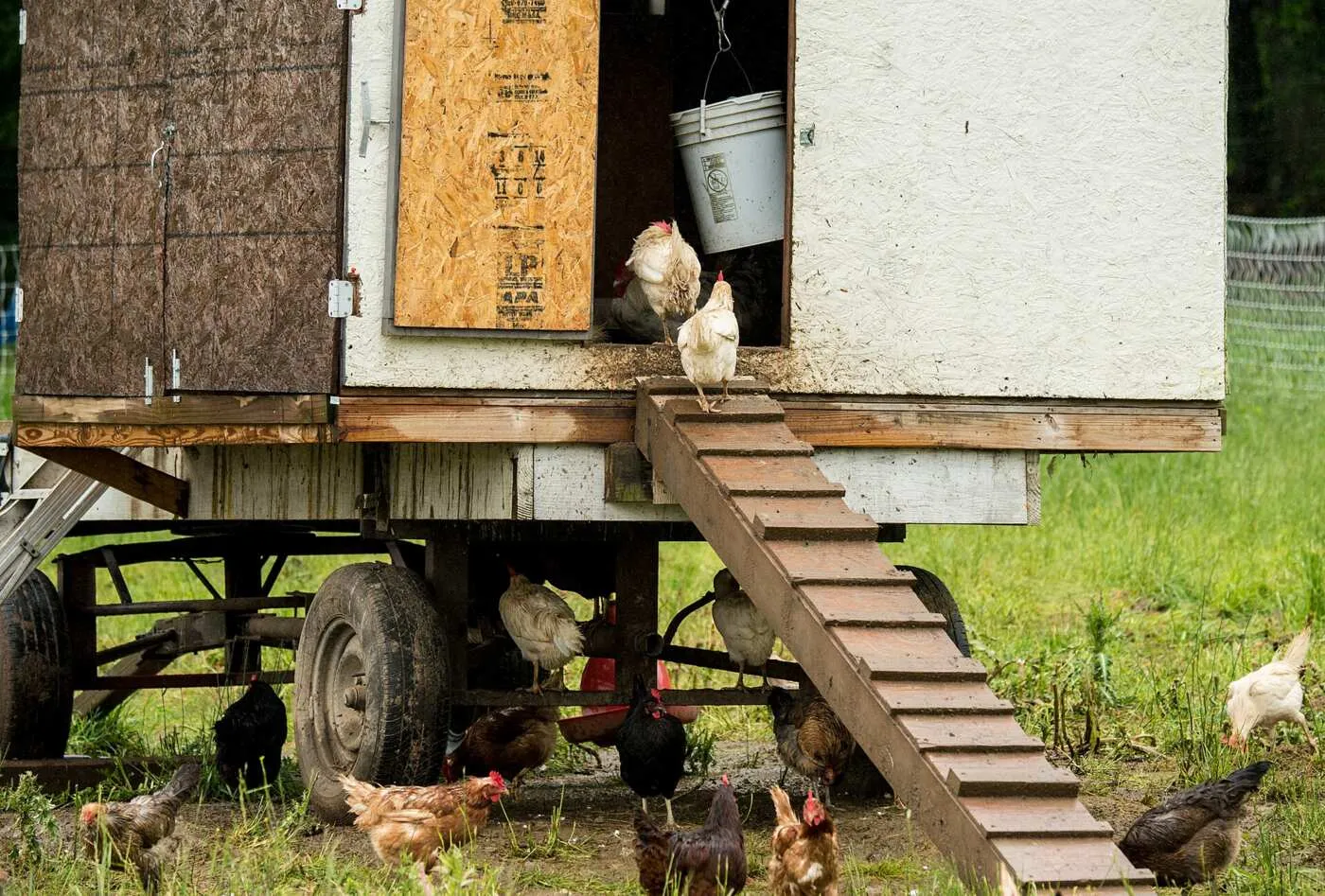 Photo: U.S. Department of Agriculture, public domain, via Wikimedia Commons
Safe internal temperature: Chicken must be cooked to a minimum internal temperature of 74°C (165°F), per USDA FSIS, as measured by a food thermometer at the thickest part of the meat, to eliminate Salmonella and other bacterial pathogens (see Safety section). Resting time after cooking also continues heat penetration.
Breast meat: Lean, versatile, and the highest-protein cut. It dries out easily when overcooked; brining (soaking in saltwater for 30–60 minutes before cooking) or using a wet-heat method (poaching, slow cooking) helps retain moisture. Breast meat is suitable for grilling, baking, poaching, stir-frying, and use in salads.
Thighs and legs: Dark meat is more forgiving of higher cooking temperatures due to higher fat and connective tissue content, producing juicier results. Better suited to braising, roasting, or slow cooking. Higher in iron and zinc than breast meat.
Bone-in preparations: Cooking chicken on the bone — roasting whole birds, braising bone-in thighs — produces superior flavor through bone marrow-derived compounds and maintains meat moisture more effectively. Bones and carcasses can be simmered to produce chicken stock, extracting collagen (which partially hydrolyzes to gelatin and provides glycine-rich peptides) and minerals.
Skin: Chicken skin is high in monounsaturated and saturated fat and is a concentrated source of flavor. Whether to consume the skin depends on individual caloric and dietary fat targets; it does not substantially alter the food safety profile once properly cooked.
Storage: Raw chicken must be refrigerated at 4°C (40°F) or below and used within 1–2 days (FoodSafety.gov), or frozen for longer storage. Cross-contamination from raw chicken juices is a primary vector of foodborne illness in domestic kitchens; use separate cutting boards, wash hands thoroughly after handling, and avoid rinsing raw chicken (which can splash bacteria to surrounding surfaces).
Poultry is one of the foods the MIND dietary pattern emphasizes, which the brain-health guide describes in more detail. Pasture access affects eggs more than meat: the eggs entry covers the omega-3 and vitamin D differences in pasture-raised eggs, and the bone broth entry covers what simmered chicken bones do and do not supply.
Safety, Interactions, and Contraindications
Salmonella: Chicken is a major food source of Salmonella infection in the United States and much of the world. Salmonella is a gram-negative bacterium commonly present in the intestinal tracts of poultry; contamination of meat typically occurs during slaughter and processing. The U.S. Centers for Disease Control and Prevention (CDC) estimates approximately 1.35 million Salmonella infections occur in the United States annually and calls chicken a major source (CDC). Salmonella infection typically causes self-limiting gastroenteritis (diarrhea, fever, abdominal cramps) lasting 4–7 days, but can become severe, including bloodstream infection, particularly in young children, older adults, and people with weakened immune systems. Adequate cooking to 74°C (165°F) internal temperature eliminates Salmonella; the risk is from raw or undercooked chicken and cross-contamination during food preparation.
Campylobacter: Campylobacter jejuni is also commonly associated with poultry and is a leading cause of bacterial gastroenteritis worldwide. Similar precautions as for Salmonella apply: thorough cooking and prevention of cross-contamination. A UK study found that 95–100% of organic and free-range flocks became colonized versus 55% of conventional flocks, with free-range flocks usually colonized after release onto pasture, though carriage levels in positive birds were similar (Allen et al., 2011).
Heterocyclic amines (HCAs) and polycyclic aromatic hydrocarbons (PAHs): High-temperature cooking of meat — particularly grilling, pan-frying, and broiling at temperatures above about 150°C (300°F) (National Cancer Institute) — generates heterocyclic amines (such as PhIP and MeIQx) and polycyclic aromatic hydrocarbons (when fat drips onto open flame). These compounds are mutagenic in laboratory experiments and caused tumors in rodents at doses thousands of times higher than normal dietary exposure. Some observational studies have associated high consumption of well-done, fried, or barbecued meat with higher risk of colorectal, pancreatic, and prostate cancer, but results are mixed and a causal link has not been established (National Cancer Institute). Practical mitigation strategies include cooking at lower temperatures (baking, braising, poaching), minimizing charring, marinating meat before grilling (rosemary extracts reduced HCA formation in beef patties in laboratory cooking tests; Puangsombat & Smith, 2010), turning meat frequently, and avoiding eating heavily charred areas.
Dietary fat considerations: Skin-on, dark-meat chicken is substantially higher in saturated fat than skinless breast preparations. Individuals managing cardiovascular risk factors should be aware of fat content differences by cut and preparation.
Antibiotic resistance considerations: Conventional poultry production has historically used subtherapeutic antibiotics for growth promotion, contributing to concerns about antibiotic-resistant bacterial strains. Since FDA Guidance #213 took full effect in January 2017, medically important antimicrobials may no longer be used for growth promotion in U.S. food animals, and their use in feed requires veterinary supervision under the Veterinary Feed Directive (FDA). USDA organic rules bar selling any animal treated with antibiotics as organic (7 CFR 205.238); a “pasture raised” label on its own does not imply antibiotic-free production. The public health implications of choosing antibiotic-free poultry are debated but represent a reasonable consideration for consumers.
Frequently Asked Questions
What is pasture-raised chicken?
Pasture-raised chicken comes from birds that spend much of their lives outdoors on grass or other vegetation, foraging for plants, seeds and insects. In the U.S., FSIS approves the claim from producer documentation, and its 2024 guideline asks for evidence that birds lived most of their lives on vegetated land. Third-party certifiers such as Certified Humane set specific space minimums.
Is pasture-raised chicken better than free-range?
Pasture-raised usually means far more outdoor time and space than free-range, which only requires documented outdoor access. Nutritionally, the gap is small: compositional trials found pasture raised omega-3s in the meat only when birds ate substantial forage. Most people choosing pasture-raised do so for welfare and farming practices rather than measurable nutrition differences.
Is pasture-raised chicken better than organic?
They cover different things. USDA organic rules bar selling any animal treated with antibiotics as organic, while pasture-raised certifications such as Certified Humane set specific outdoor space minimums. A “pasture raised” label alone does not mean antibiotic-free or organic feed. Labels carrying both claims, or a certifier’s seal, offer the most information.
Is pasture-raised chicken healthier?
There is no clinical evidence that eating pasture-raised rather than conventional chicken improves health. Protein, niacin, B6 and selenium are similar. Pasture can modestly raise omega-3s in the meat when birds eat enough forage, but chicken of any kind is a minor omega-3 source next to oily fish. Its main nutritional value is lean, complete protein.
Is pasture-raised chicken safer to eat?
Not necessarily. In a UK study, 95–100% of organic and free-range flocks became colonized by Campylobacter, against 55% of conventional flocks, although carriage levels in positive birds were similar. All raw chicken can carry Salmonella and Campylobacter. Cooking to an internal temperature of 74°C (165°F) and avoiding cross-contamination are the safeguards regardless of label.
References
Show all 16 referencesShow fewer
- Ponte, P. I. P., Alves, S. P., Bessa, R. J. B., et al. (2008). Influence of pasture intake on the fatty acid composition, and cholesterol, tocopherols, and tocotrienols content in meat from free-range broilers. Poultry Science, 87(1), 80–88.
- van Vliet, S., Burd, N. A., & van Loon, L. J. C. (2015). The skeletal muscle anabolic response to plant- versus animal-based protein consumption. Journal of Nutrition, 145(9), 1981–1991.
- Hobson, R. M., Saunders, B., Ball, G., Harris, R. C., & Sale, C. (2012). Effects of β-alanine supplementation on exercise performance: A meta-analysis. Amino Acids, 43(1), 25–37.
- Morton, R. W., Murphy, K. T., McKellar, S. R., et al. (2018). A systematic review, meta-analysis and meta-regression of the effect of protein supplementation on resistance training-induced gains in muscle mass and strength in healthy adults. British Journal of Sports Medicine, 52(6), 376–384.
- Centers for Disease Control and Prevention. About Salmonella Infection.
- Ponte, P. I. P., Prates, J. A. M., Crespo, J. P., et al. (2008). Restricting the intake of a cereal-based feed in free-range-pastured poultry: effects on performance and meat quality. Poultry Science, 87(10), 2032–2042.
- Barbaresi, S., Maertens, L., Claeys, E., et al. (2019). Differences in muscle histidine-containing dipeptides in broilers. Journal of the Science of Food and Agriculture, 99(13), 5680–5686.
- Allen, V. M., Ridley, A. M., Harris, J. A., et al. (2011). Influence of production system on the rate of onset of Campylobacter colonization in chicken flocks reared extensively in the United Kingdom. British Poultry Science, 52(1), 30–39.
- Weigle, D. S., et al. (2005). A high-protein diet induces sustained reductions in appetite, ad libitum caloric intake, and body weight. American Journal of Clinical Nutrition, 82(1), 41–48.
- Trexler, E. T., et al. (2015). International Society of Sports Nutrition position stand: Beta-Alanine. Journal of the International Society of Sports Nutrition, 12, 30.
- USDA Food Safety and Inspection Service. (2024). Availability of FSIS Guideline on Substantiating Animal-Raising or Environment-Related Labeling Claims. Federal Register, 89, 73253–73257.
- Everaert, I., Mooyaart, A., Baguet, A., et al. (2011). Vegetarianism, female gender and increasing age, but not CNDP1 genotype, are associated with reduced muscle carnosine levels in humans. Amino Acids, 40(4), 1221–1229.
- Blancquaert, L., Baguet, A., Bex, T., et al. (2018). Changing to a vegetarian diet reduces the body creatine pool in omnivorous women, but appears not to affect carnitine and carnosine homeostasis: a randomised trial. British Journal of Nutrition, 119(7), 759–770.
- Kouw, I. W. K., Pinckaers, P. J. M., et al. (2022). Ingestion of an ample amount of meat substitute based on a lysine-enriched, plant-based protein blend stimulates postprandial muscle protein synthesis to a similar extent as an isonitrogenous amount of chicken in healthy, young men. British Journal of Nutrition, 128(10), 1955–1965.
- Lancha Junior, A. H., Painelli, V. de S., Saunders, B., & Artioli, G. G. (2015). Nutritional strategies to modulate intracellular and extracellular buffering capacity during high-intensity exercise. Sports Medicine, 45(Suppl 1), S71–S81.
- Puangsombat, K., & Smith, J. S. (2010). Inhibition of heterocyclic amine formation in beef patties by ethanolic extracts of rosemary. Journal of Food Science, 75(2), T40–T47.
More in Animal Foods
- Anchovies (Engraulis encrasicolus)
Anchovies vs sardines: how the two small oily fish compare on omega-3s, calcium, B12, sodium and mercury, plus anchovy nutrition, benefits and safety.
- Beef Liver
Is beef liver good for you? Its B12, vitamin A, copper and iron per 100 g, how often to eat it, liver supplements, and the vitamin A toxicity limit.
- Bone Broth
Is bone broth good for you? What a cup contains, how it compares with collagen supplements and chicken broth, and the evidence on joints, gut and sleep.
- Eggs
Are eggs good for you? Egg nutrition per large egg, whole eggs vs egg whites, what cohort studies show on cholesterol and heart risk, and egg safety.
- Grass-Fed Beef
Grass-fed vs grain-fed beef: how omega-3s, CLA, vitamin E, fat, protein, iron and zinc compare, what the USDA grass-fed label means, and red meat cautions.
- Oysters
Oyster benefits: zinc, B12, copper, selenium and omega-3s per serving, what the evidence shows, how many to eat, and the Vibrio risk of raw oysters.

Curated by Superfoods Advisor Editors·Last updated