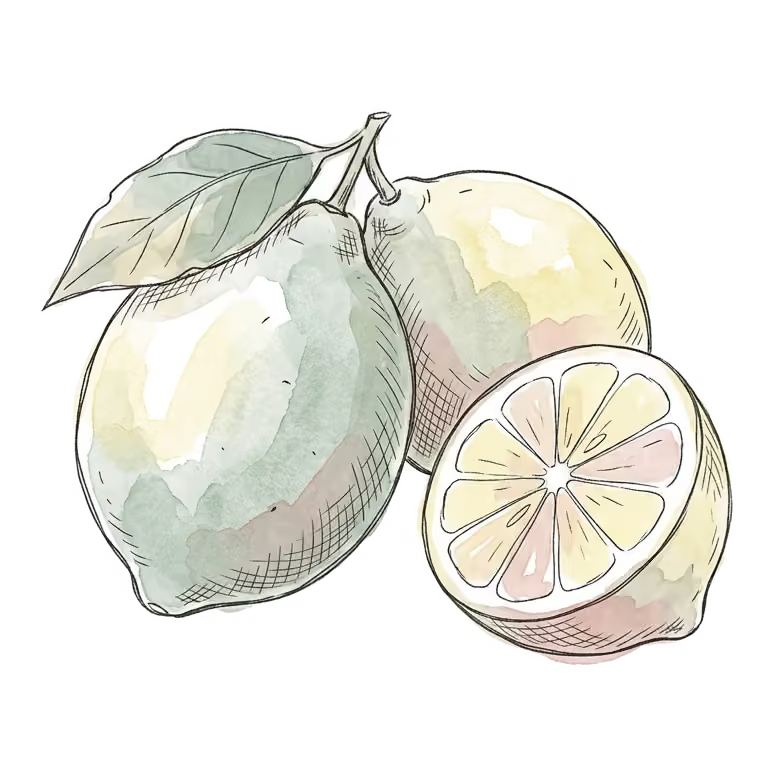
Lime (Citrus aurantifolia / Citrus latifolia)
Citrus aurantifolia · also known as Key lime, Persian lime, West Indian lime, Mexican lime, limón
By Superfoods Advisor Editors·July 3, 2026
Limes benefits, weighed: lime juice adds vitamin C, citric acid and flavanones, but its furanocoumarins can burn skin in sunlight and affect some drugs.
Limes are a low-calorie source of vitamin C and citric acid. The two main species are Citrus aurantifolia (Key, West Indian or Mexican lime) and Citrus latifolia (Persian or Tahiti lime). Lime juice provides 25 kcal and about 30 mg of vitamin C per 100 g. Its peel also carries furanocoumarins, which can cause sun-triggered skin burns.
The Key lime originated in Southeast Asia and spread westward with Arab traders before European colonists carried it to the Americas. The Persian lime, the seedless supermarket lime, is a triploid hybrid of lemon and Key lime (Curk et al., 2016) and became the dominant commercial variety in the 20th century thanks to its size, seedlessness and shelf life.
Across Caribbean, Latin American and Southeast Asian cuisines, lime is a flavoring and the acid that “cooks” raw fish in ceviche, though acid marination does not reliably kill bacteria or parasites. Kaffir lime (Citrus hystrix), used for its leaves and zest, is a botanically distinct species. Clinical evidence for traditional medicinal uses of lime juice is limited.
Evidence at a glance
Active Compounds
Lime shares the core chemical profile of citrus fruits but has a distinct composition compared to related species:
- Citric acid: The dominant organic acid (about 1.4 g per fluid ounce of fresh juice, or roughly 4.7 g/100 mL; Penniston et al., 2008), responsible for the characteristic tartness and the pH that drives many culinary applications, including protein denaturation in ceviche and color preservation in cut fruit.
- Vitamin C (ascorbic acid): About 30 mg/100 g of raw juice, lower than raw lemon juice (about 39 mg/100 g; USDA FoodData Central, lemon juice) but nutritionally significant in populations where lime is a dietary staple.
- Flavanones: The principal flavonoids in lime juice are hesperidin (released as the aglycone hesperetin after gut hydrolysis) and eriocitrin, the flavanone more often associated with lemon; one analysis measured about 367 ppm hesperidin and 148 ppm eriocitrin (Costa et al., 2014; see also Saeidi et al., 2011). Flavanone content is concentrated in the peel and pith rather than the juice; zest contains substantially more flavonoids than squeezed juice.
- Limonene: The major volatile terpene in lime peel essential oil (58% of a hydrodistilled Key lime oil in one analysis; Spadaro et al., 2012), with documented antimicrobial properties and preliminary evidence for apoptosis induction in cancer cell lines; dietary exposures from food use are orders of magnitude below doses used in preclinical experiments.
- Furanocoumarins: Lime peel of both Key and Persian limes contains bergapten (5-methoxypsoralen), bergamottin, and related furanocoumarins (Ramírez-Pelayo et al., 2019), compounds that sensitize skin to UV radiation (phototoxicity) and can inhibit cytochrome P450 3A4 (CYP3A4), the enzyme responsible for metabolizing many drugs. Lime is not low in these compounds relative to grapefruit: laboratory analyses have measured more bergamottin in lime juice than in grapefruit juice (Bailey et al., 2003; Masuda et al., 2018), and lime peel held far more than grapefruit peel in the latter study.
- Limonoids: Limonin and nomilin, bitter-tasting triterpenoids. The “delayed bitterness” of some citrus juices develops after juicing, when a non-bitter precursor (limonoate A-ring lactone) converts to limonin, a reaction promoted by the juice’s acidity (Zhang et al., 2018, in navel orange juice).
- Potassium and trace minerals in modest amounts.
Nutritional Profile
Per 100 g raw lime juice (USDA FoodData Central):
| Nutrient | Amount | % DV |
|---|---|---|
| Energy | 25 kcal | — |
| Water | 90.8 g | — |
| Carbohydrate | 8.4 g | — |
| Dietary fiber | 0.4 g | — |
| Sugars | 1.7 g | — |
| Protein | 0.4 g | — |
| Fat | 0.1 g | — |
| Vitamin C | 30 mg | 33% |
| Folate | 10 µg | 3% |
| Potassium | 117 mg | 2% |
| Calcium | 14 mg | 1% |
Per 100 g fresh lime with peel (not typically consumed in full but relevant for zest use), flavanone content is substantially higher than in juice alone.
Evidence for Purported Benefits
Vitamin C and Immune Function
Evidence:Moderate Vitamin C’s role in immunity is well documented; a typical lime serving supplies 9–15 mg, and lime-specific trials are absent.
The vitamin C content of lime is nutritionally meaningful and historically important. Citrus juice was used against scurvy at sea from the late 18th century, and in 1867 British law made lime juice compulsory in the merchant service (Cook, 2004); the British use of lime juice is the origin of the term “limey.” Ascorbic acid is essential for collagen synthesis, immune cell function, and iron absorption from non-heme sources. A systematic review by Hemilä and Chalker (2013, Cochrane Database of Systematic Reviews) found that regular vitamin C supplementation (200 mg/day or more) reduced the duration of common cold symptoms by approximately 8% in adults, though it did not prevent colds in the general population. Lime juice at typical serving sizes (30–50 mL) provides 9–15 mg of vitamin C, a modest fraction of the studied supplemental doses. The evidence base for the broader role of dietary vitamin C in immune function is robust; evidence specific to lime as a source is extrapolated from vitamin C pharmacology rather than lime-specific clinical trials.
Cardiovascular Effects of Flavanones
Evidence:Preliminary A meta-analysis of 8 RCTs of citrus flavonoid supplements improved endothelial function; no lime data exist.
Hesperidin and naringenin (the latter mainly a grapefruit flavanone) have been studied in clinical trials primarily using concentrated supplements or orange and grapefruit juice as sources. A meta-analysis by Jalili et al. (2024, Phytotherapy Research) of 8 randomized trials of citrus flavonoid supplementation found a significant improvement in flow-mediated dilation (FMD), a measure of endothelial function, of about 2.75 percentage points versus placebo. However, the included trials tested citrus flavonoid supplements, not lime, and lime-specific data are absent. Extrapolation to lime based on flavanone content is plausible but unverified.
Antimicrobial Properties
Evidence:Preliminary Lab studies plus one observational outbreak study linking lime juice in sauce to lower cholera risk.
Lime juice has demonstrated antimicrobial activity against several pathogens in laboratory settings, including Vibrio cholerae, Salmonella, and Escherichia coli O157:H7 (Nogueira et al., 2003, in juice concentrates). In community and laboratory studies in Guinea-Bissau, Rodrigues et al. (2000, Tropical Medicine and International Health) found that eating rice with a sauce containing lime juice was associated with strong protection against cholera during an outbreak, and that lime juice inhibited V. cholerae growth in prepared meals, suggesting that lime juice in sauces may reduce foodborne transmission. The mechanism is primarily the low pH of citric acid rather than any flavonoid-specific effect. These findings represent preliminary evidence with practical implications in resource-limited settings; they do not constitute a recommendation to substitute lime juice for standard antimicrobial treatment.
Kidney Stone Prevention
Evidence:Limited Lime-specific data are sparse; results for citrus juices conflict, and acidic lemonade did not raise urinary citrate.
Citrate — the conjugate base of citric acid — inhibits calcium oxalate crystallization in urine and is used therapeutically to prevent kidney stones. Lime juice, like lemon juice, is a dietary source of citrate. Citrate content alone may not predict the effect, however: in a small crossover study under controlled metabolic conditions (Odvina, 2006, Clinical Journal of the American Society of Nephrology; n = 13), orange juice raised urinary pH and citrate compared with control, while lemonade with comparable citrate content did not, likely because lemonade delivers citric acid without an accompanying alkali load. Lime juice is similarly acidic, so a stone-preventive effect cannot be assumed, and lime-specific clinical data are sparse.
Typical Use and Preparation
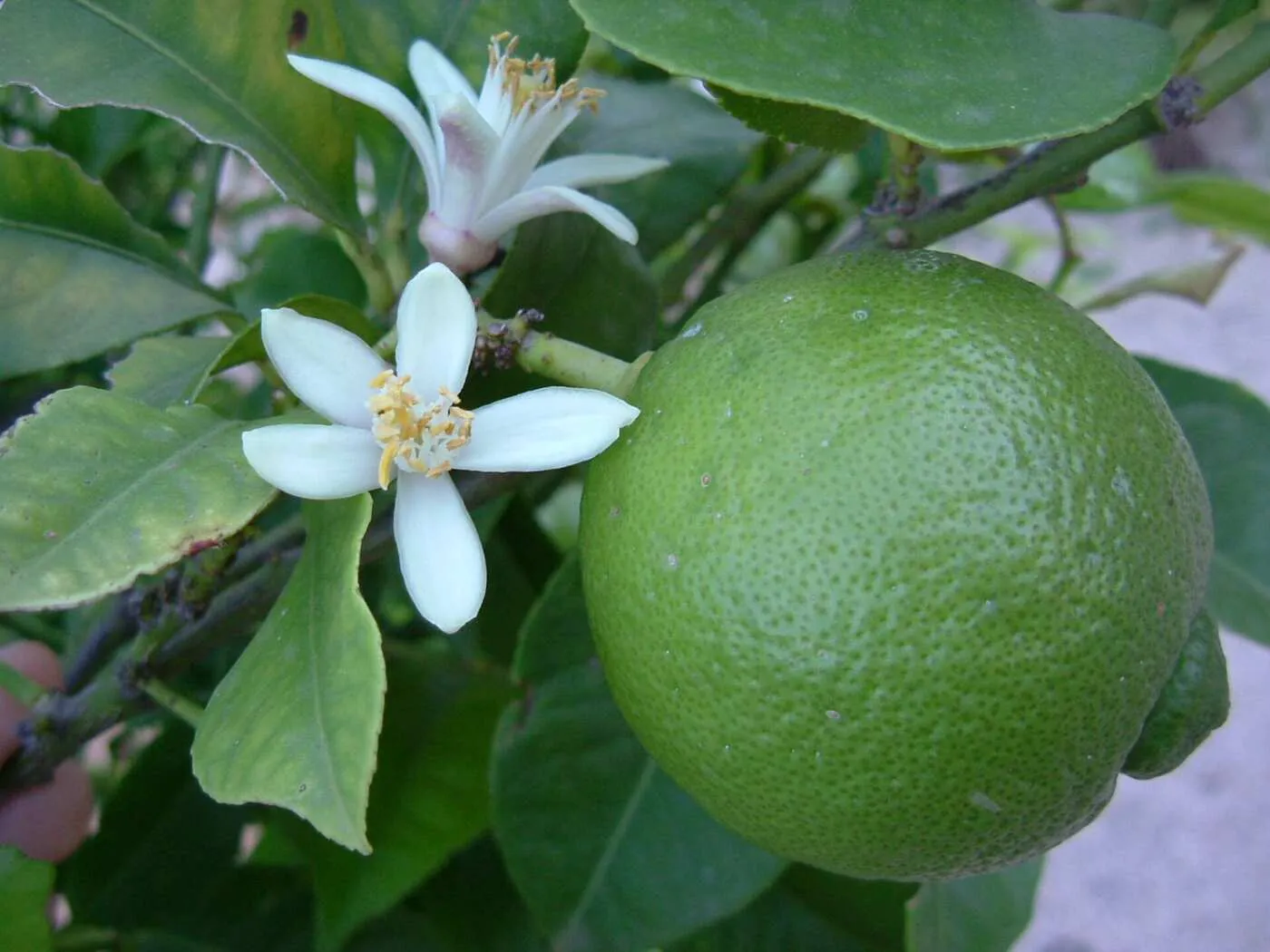 Photo: Prosthetic Head, CC BY-SA 3.0, via Wikimedia Commons
Lime is consumed in juice form, as zest, in whole wedges, and as an ingredient in marinades, dressings, and beverages. Culinary traditions that maximize the fruit’s nutritional value include:
- Fresh squeezed juice: Retains full vitamin C and flavanone content. Vitamin C degrades upon prolonged storage after squeezing; immediate use preserves the most.
- Zest: The outermost colored layer of the peel contains the highest concentrations of limonene, flavanones, and furanocoumarins. Grating zest into dishes adds flavor compounds without the juice’s acidity.
- Ceviche: The marinating of raw seafood in lime juice for 20–60 minutes acidically denatures proteins (a process sometimes called “cold cooking”) and reduces bacterial load, though the process is not equivalent to heat cooking and does not eliminate all pathogens.
- Preserved limes: Fermented or salt-cured lime preparations used in North African and South Asian cuisines.
- Beverages: Central to cocktails (margarita, mojito, caipirinha), agua frescas, and the Mexican agua de limón.
Heating lime juice in cooking reduces its vitamin C content, with losses rising with temperature and cooking time. The flavanones in peel are more heat-stable than ascorbic acid.
For a wider look at vitamin C and immune function, see our guide to immune-supporting foods. Lemon is the closest relative and has more data on kidney stones, while grapefruit covers the CYP3A4 drug interaction in full.
Safety, Interactions, and Contraindications
Phototoxicity (furanocoumarins): Topical contact with lime juice followed by sun exposure can cause phytophotodermatitis — a blistering, hyperpigmenting reaction. It is well documented in case reports, often after squeezing limes for drinks or meals outdoors (“margarita dermatitis”), and can also appear as delayed, painless hyperpigmentation days after exposure, most often on the backs of the hands (Cohen & Ramsay, 2026). The reaction is driven by furanocoumarins such as bergapten interacting with UVA radiation in the skin. Washing hands and skin after handling limes, before sun exposure, is the usual precaution.
Drug interactions (CYP3A4 inhibition): Lime juice inhibits CYP3A4 in laboratory assays and could in principle raise blood levels of drugs metabolized by this enzyme, including some statins, immunosuppressants (cyclosporine, tacrolimus), and certain calcium channel blockers. This effect is well documented for grapefruit juice. Human data for lime are limited to one small crossover study: 250 mL of quarter-strength lime juice did not change average felodipine levels, though it more than doubled them in 2 participants (Bailey et al., 2003). The effect of full-strength juice or regular intake has not been tested. Patients on narrow-therapeutic-index CYP3A4-metabolized medications should consult a pharmacist.
Dental erosion: The high citric acid content of lime juice can erode tooth enamel with frequent direct contact. The American Dental Association advises rinsing with water after acidic foods or drinks and waiting about an hour before brushing (ADA MouthHealthy).
GERD and acid reflux: Citric acid and the acidity of lime juice may exacerbate gastroesophageal reflux symptoms in sensitive individuals.
Pregnancy: Lime is eaten in ordinary food amounts as part of normal diets. Vitamin C intake above the adult Tolerable Upper Intake Level of 2,000 mg/day (Linus Pauling Institute) is not advised, including during pregnancy, but dietary lime consumption does not come close to it.
Frequently Asked Questions
Are limes good for you?
For most people, yes, as a low-calorie flavoring. Lime juice supplies vitamin C, citric acid and flavanones such as hesperidin, with only 25 kcal per 100 g. A typical squeeze provides a modest share of daily vitamin C, about 9 to 15 mg. The cautions are mainly practical: the acid can erode tooth enamel, and the juice can burn skin in sunlight.
Are limes and lemons the same?
No, though they are closely related. The Persian lime is a seedless hybrid of lemon and Key lime. Limes are smaller and green, and their juice has similar citric acid to lemon juice but somewhat less vitamin C, about 30 mg versus 39 mg per 100 g. Laboratory analyses have also found more bergamottin in lime juice than in grapefruit juice.
Are limes a fruit?
Yes. Limes are citrus fruits of the genus Citrus, grown on small trees in tropical and subtropical regions. The two most common commercial types are the Key lime (Citrus aurantifolia) and the larger, seedless Persian lime (Citrus latifolia). They are eaten mainly as juice and zest rather than whole because of their acidity.
Can lime juice interact with medications?
Possibly, though the evidence is thin. Lime juice blocks the enzyme CYP3A4 in laboratory tests, the same mechanism behind grapefruit’s drug interactions. In the only human study, quarter-strength lime juice did not change average felodipine levels but more than doubled them in 2 participants. People taking statins, cyclosporine, tacrolimus or similar drugs should ask a pharmacist about regular lime intake.
Why can lime juice burn your skin in the sun?
Lime peel and juice contain furanocoumarins such as bergapten that react with UVA light in the skin. The result, phytophotodermatitis, can range from blistering to painless dark patches that appear days later, often on the backs of the hands after squeezing limes outdoors. Washing hands and skin after handling limes, before going into the sun, is the usual precaution.
Does lime water help with kidney stones?
It cannot be assumed to. Citrate inhibits calcium oxalate stones, and lime juice contains citric acid, but in a small controlled study an acidic lemonade with comparable citrate did not raise urinary citrate, while orange juice did. Lime-specific clinical data are sparse. Anyone with recurrent stones should follow the plan from their urologist or nephrologist.
References
Show all 18 referencesShow fewer
- Hemilä, H., & Chalker, E. (2013). Vitamin C for preventing and treating the common cold. Cochrane Database of Systematic Reviews, 1, CD000980.
- Jalili, F., Moradi, S., Talebi, S., Mehrabani, S., Ghoreishy, S. M., Wong, A., … Jalili, F. (2024). The effects of citrus flavonoids supplementation on endothelial function: A systematic review and dose-response meta-analysis of randomized clinical trials. Phytotherapy Research, 38(6), 2847–2859.
- Odvina, C. V. (2006). Comparative value of orange juice versus lemonade in reducing stone-forming risk. Clinical Journal of the American Society of Nephrology, 1(6), 1269–1274.
- Rodrigues, A., Sandström, A., Cá, T., Steinsland, H., Jensen, H., & Aaby, P. (2000). Protection from cholera by adding lime juice to food: Results from community and laboratory studies in Guinea-Bissau, West Africa. Tropical Medicine and International Health, 5(6), 418–422.
- Penniston, K. L., Nakada, S. Y., Holmes, R. P., & Assimos, D. G. (2008). Quantitative assessment of citric acid in lemon juice, lime juice, and commercially-available fruit juice products. Journal of Endourology, 22(3), 567–570.
- Saeidi, I., et al. (2011). HPLC determination of hesperidin, diosmin and eriocitrin in Iranian lime juice using polyamide as an adsorbent for solid phase extraction. Journal of Pharmaceutical and Biomedical Analysis, 56(2), 419–422.
- Spadaro, F., Costa, R., Circosta, C., & Occhiuto, F. (2012). Volatile composition and biological activity of key lime Citrus aurantifolia essential oil. Natural Product Communications, 7(11), 1523–1526.
- Ramírez-Pelayo, C., Martínez-Quiñones, J., Gil, J., & Durango, D. (2019). Coumarins from the peel of citrus grown in Colombia: composition, elicitation and antifungal activity. Heliyon, 5(6), e01937.
- Bailey, D. G., Dresser, G. K., & Bend, J. R. (2003). Bergamottin, lime juice, and red wine as inhibitors of cytochrome P450 3A4 activity: comparison with grapefruit juice. Clinical Pharmacology & Therapeutics, 73(6), 529–537.
- Masuda, M., Watanabe, S., Tanaka, M., Tanaka, A., & Araki, H. (2018). Screening of furanocoumarin derivatives as cytochrome P450 3A4 inhibitors in citrus. Journal of Clinical Pharmacy and Therapeutics, 43(1), 15–20.
- Cohen, P. R., & Ramsay, B. L. (2026). Margarita dermatitis revisited: a case report and literature review of lime-associated phytophotodermatitis. Cureus, 18(9), e116249.
- Linus Pauling Institute. Vitamin C. Micronutrient Information Center, Oregon State University.
- Costa, R., et al. (2014). Thorough investigation of the oxygen heterocyclic fraction of lime (Citrus aurantifolia (Christm.) Swingle) juice. Journal of Separation Science, 37(7), 792–797.
- Curk, F., Ollitrault, F., Garcia-Lor, A., Luro, F., Navarro, L., & Ollitrault, P. (2016). Phylogenetic origin of limes and lemons revealed by cytoplasmic and nuclear markers. Annals of Botany, 117(4), 565–583.
- Zhang, J., et al. (2018). Effects of postharvest time, heat treatment, pH and filtration on the limonin content in Newhall navel orange (Citrus sinensis Osbeck cv. Newhall) juice. Molecules, 23(10), 2691.
- Cook, G. C. (2004). Scurvy in the British Mercantile Marine in the 19th century, and the contribution of the Seamen’s Hospital Society. Postgraduate Medical Journal, 80(942), 224–229.
- Nogueira, M. C., Oyarzábal, O. A., & Gombas, D. E. (2003). Inactivation of Escherichia coli O157:H7, Listeria monocytogenes, and Salmonella in cranberry, lemon, and lime juice concentrates. Journal of Food Protection, 66(9), 1637–1641.
- American Dental Association. Dietary acids and your teeth. MouthHealthy.
More in Fruits
- Apple (Malus domestica)
Are apples good for you? Apples supply pectin fiber and quercetin, and large cohort studies link regular intake to lower heart disease and diabetes risk.
- Avocado (Persea americana)
Is avocado good for you? Avocado is high in monounsaturated fat, fiber and potassium, and small trials link a daily avocado to lower LDL cholesterol.
- Banana (Musa acuminata)
Are bananas good for you? Bananas supply potassium, vitamin B6 and fiber, and green bananas add resistant starch. The evidence, and who should limit them.
- Cherry (Prunus avium / Prunus cerasus)
Tart cherry juice benefits, weighed: small trials suggest faster muscle recovery and longer sleep, and gout data are early. Sweet vs tart cherry nutrition.
- Grapefruit (Citrus × paradisi)
Is grapefruit good for you? It is low in calories and rich in vitamin C, but it interacts with statins and 85+ other drugs. Benefits, nutrition and risks.
- Grapes (Vitis vinifera)
Are grapes good for you? Grapes supply skin polyphenols and vitamin K but little fiber and plenty of sugar. What the vascular and resveratrol data show.

Curated by Superfoods Advisor Editors·Last updated