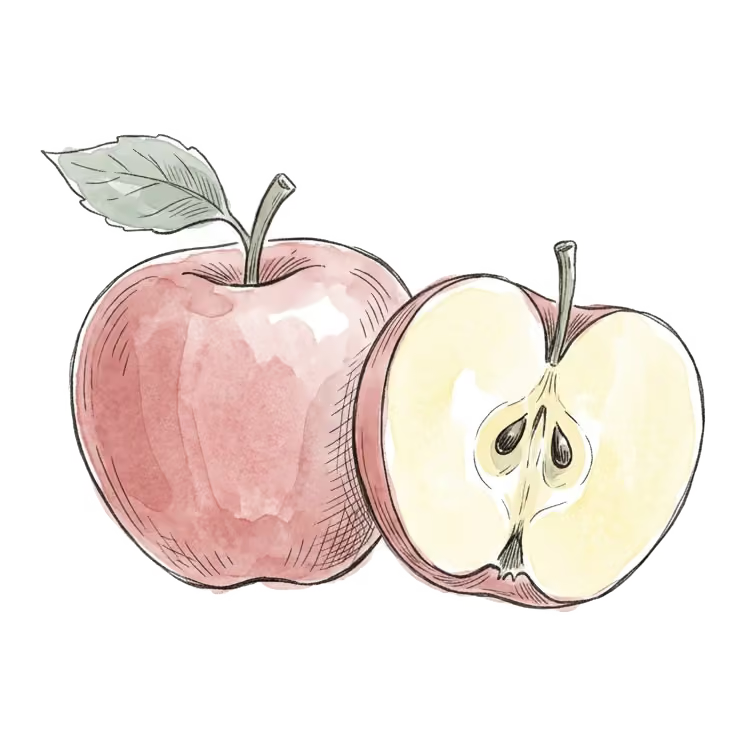
Apple (Malus domestica)
Malus domestica · also known as common apple, cultivated apple, eating apple
By Superfoods Advisor Editors·July 3, 2026
Are apples good for you? Apples supply pectin fiber and quercetin, and large cohort studies link regular intake to lower heart disease and diabetes risk.
For most people, apples are a good everyday fruit. The cultivated apple (Malus domestica), a pome fruit of the rose family, provides 52 kcal and 2.4 g of fiber per 100 g, with quercetin concentrated in the peel and soluble pectin in the flesh. Large cohort studies associate regular apple intake with lower cardiovascular and type 2 diabetes risk.
Its main wild ancestor, Malus sieversii, originated in the forests of Central Asia (present-day Kazakhstan) and spread westward along the Silk Road. Along the way, gene flow from the European crabapple (Malus sylvestris) made that species a major secondary contributor to the cultivated apple’s genome (Cornille et al., 2012). Cultivation since then has produced thousands of modern cultivars.
The apple is often dismissed as nutritionally modest, since it is not a concentrated source of any vitamin or mineral. Its interest to researchers lies in its combination of polyphenols, especially quercetin and chlorogenic acid, with pectin, which gut bacteria ferment. Observational data cannot establish causation, but the proposed mechanisms are biologically plausible.
Evidence at a glance
Active Compounds
The major bioactive constituents of apple vary by cultivar and anatomical location (peel versus flesh), but consistently include:
- Quercetin glycosides: Several sugar-bound forms, including quercetin-3-galactoside, quercetin-3-glucoside, and quercetin-3-rhamnoside, concentrated almost entirely in the peel (Boyer & Liu, 2004). In a comparison of four cultivars, total phenolic and flavonoid contents were highest in the peel, followed by whole fruit and then flesh (Wolfe et al., 2003). Quercetin is among the most studied dietary flavonoids and has demonstrated anti-inflammatory and antioxidant activity in numerous in vitro and animal models.
- Chlorogenic acid: A hydroxycinnamic acid ester of caffeic acid and quinic acid. One of the most abundant polyphenols in apple flesh, chlorogenic acid has been associated with glucose metabolism modulation in some human trials.
- Epicatechin and procyanidins: Flavan-3-ols present in both peel and flesh; procyanidin B1 and B2 are the principal oligomeric forms. These compounds share structural similarities with the catechins in green tea, including EGCG, though the concentration and bioavailability differ.
- Phloridzin and phloretin: Dihydrochalcones; phloridzin is the major one in apple, though it also occurs in some other fruit trees. Phloridzin blocks the sodium-glucose cotransporters (SGLTs) of the kidney and small intestine and has served as a physiology research tool for over 150 years, which fed into the development of phloridzin analogs for diabetes (Ehrenkranz et al., 2005). In rats fed phloridzin, plasma contained phloretin conjugates but no intact phloridzin (Boyer & Liu, 2004), so dietary apple is not a meaningful source of the intact compound.
- Pectin: A soluble dietary fiber that forms gels in the gut, slows gastric emptying, and is fermented by colonic bacteria into short-chain fatty acids (SCFAs); in human fecal cultures, pectin fermentation raised acetate quickly and butyrate later (Bang et al., 2018). SCFAs have well-documented roles in colonocyte health and systemic inflammation regulation.
- Vitamin C: Present in modest amounts in fresh apple (about 4.6 mg/100 g; USDA FoodData Central), substantially reduced by storage and cooking.
Nutritional Profile
Per 100 g raw apple with skin (USDA FoodData Central):
| Nutrient | Amount | % DV |
|---|---|---|
| Energy | 52 kcal | — |
| Water | 85.6 g | — |
| Carbohydrate | 13.8 g | — |
| Dietary fiber | 2.4 g | — |
| Sugars | 10.4 g | — |
| Protein | 0.3 g | — |
| Fat | 0.2 g | — |
| Vitamin C | 4.6 mg | 5% |
| Potassium | 107 mg | 2% |
| Vitamin K | 2.2 µg | 2% |
| Folate | 3 µg | 1% |
Total polyphenol content in fresh apple varies widely, depending heavily on cultivar.
Evidence for Purported Benefits
Cardiovascular Disease Risk
Evidence:Preliminary Large prospective cohorts link apple and pear intake to lower cardiovascular mortality and diabetes risk; no trials have measured cardiovascular events.
The most robust epidemiological data on apple and health outcomes come from large prospective cohort studies. Mink et al. (2007, American Journal of Clinical Nutrition) analyzed 16 years of follow-up in the Iowa Women’s Health Study (n=34,489 postmenopausal women) and found that eating apples, pears, or both was among the food sources of flavonoids associated with significantly lower coronary heart disease and cardiovascular disease mortality. In three US cohorts (the Nurses’ Health Study, Nurses’ Health Study II, and Health Professionals Follow-up Study; about 187,000 participants followed for up to 24 years), every three servings per week of apples and pears was associated with a 7% lower risk of type 2 diabetes (HR 0.93; Muraki et al., 2013, BMJ). These studies adjust for known confounders but remain observational; confounding by healthy lifestyle cannot be fully excluded.
Proposed cardiovascular mechanisms include quercetin-mediated inhibition of LDL oxidation, chlorogenic acid effects on postprandial glucose and insulin, and SCFA production from pectin fermentation lowering hepatic cholesterol synthesis. A meta-analysis of 133 randomized trials of flavonoids and flavonoid-rich foods (Hooper et al., 2008, American Journal of Clinical Nutrition) found no trials measuring cardiovascular events, effects on risk factors that differed by flavonoid subclass and food, and insufficient evidence to draw conclusions for many subclasses.
Gut Microbiota and Digestive Health
Evidence:Preliminary One small randomized crossover trial (n=40) plus lab fermentation work; no human data on colorectal outcomes.
Pectin is fermentable by colonic bacteria. In an in vitro colonic model inoculated with human feces, three digested apple varieties raised acetate, propionate, and total SCFAs, and two of them increased bifidobacteria; the authors note human trials are needed to confirm this (Koutsos et al., 2017). Koutsos et al. (2020, American Journal of Clinical Nutrition) conducted a randomized crossover trial in mildly hypercholesterolemic adults (n=40) and found that consumption of two whole proanthocyanidin-rich apples daily for eight weeks significantly reduced total and LDL cholesterol and triglycerides compared to a sugar- and energy-matched apple control beverage. The SCFA butyrate produced from pectin fermentation supports intestinal barrier function and has been associated in preclinical models with reduced colorectal cancer risk, though human clinical data specifically linking apple pectin to colorectal cancer outcomes are insufficient to draw conclusions.
Blood Glucose Regulation
Evidence:Preliminary The low glycemic index is measured; chlorogenic acid data come from animal work and a small coffee study, not apple trials.
Chlorogenic acid inhibits intestinal glucose absorption and hepatic glucose output in animal models. A small randomized crossover study by Johnston et al. (2003, American Journal of Clinical Nutrition) in 9 healthy volunteers found that chlorogenic acid-rich decaffeinated coffee altered gut hormone responses to a glucose load in a pattern consistent with delayed intestinal glucose absorption. Whether the concentration achievable through apple consumption is sufficient to produce clinically meaningful effects in humans is uncertain. The low glycemic index of whole raw apples (GI 36 ± 2; Atkinson et al., 2008) supports a favorable glycemic profile relative to refined carbohydrates, but the low GI partly reflects the apple’s high share of fructose, which raises blood glucose little, rather than any specific polyphenol effect.
“An Apple a Day” — What the Evidence Actually Supports
Evidence:Preliminary Observational only; an NHANES analysis found daily apple eaters were no less likely to visit a physician.
The popular aphorism “an apple a day keeps the doctor away” derives from a 19th-century Welsh proverb and has no clinical trial basis. Davis et al. (2015, JAMA Internal Medicine) examined NHANES data and found that daily apple eaters were no more likely than non-eaters to avoid physician visits in the past year after adjusting for sociodemographic and health factors, though they were marginally more likely to avoid prescription medications — a finding that generated popular attention. The aphorism is best understood as a dietary heuristic for daily fruit consumption rather than a specific evidence-based claim. The evidence does support apple consumption as part of a varied, plant-rich diet associated with lower chronic disease risk; it does not support apples as a discrete therapeutic intervention.
Typical Use and Preparation
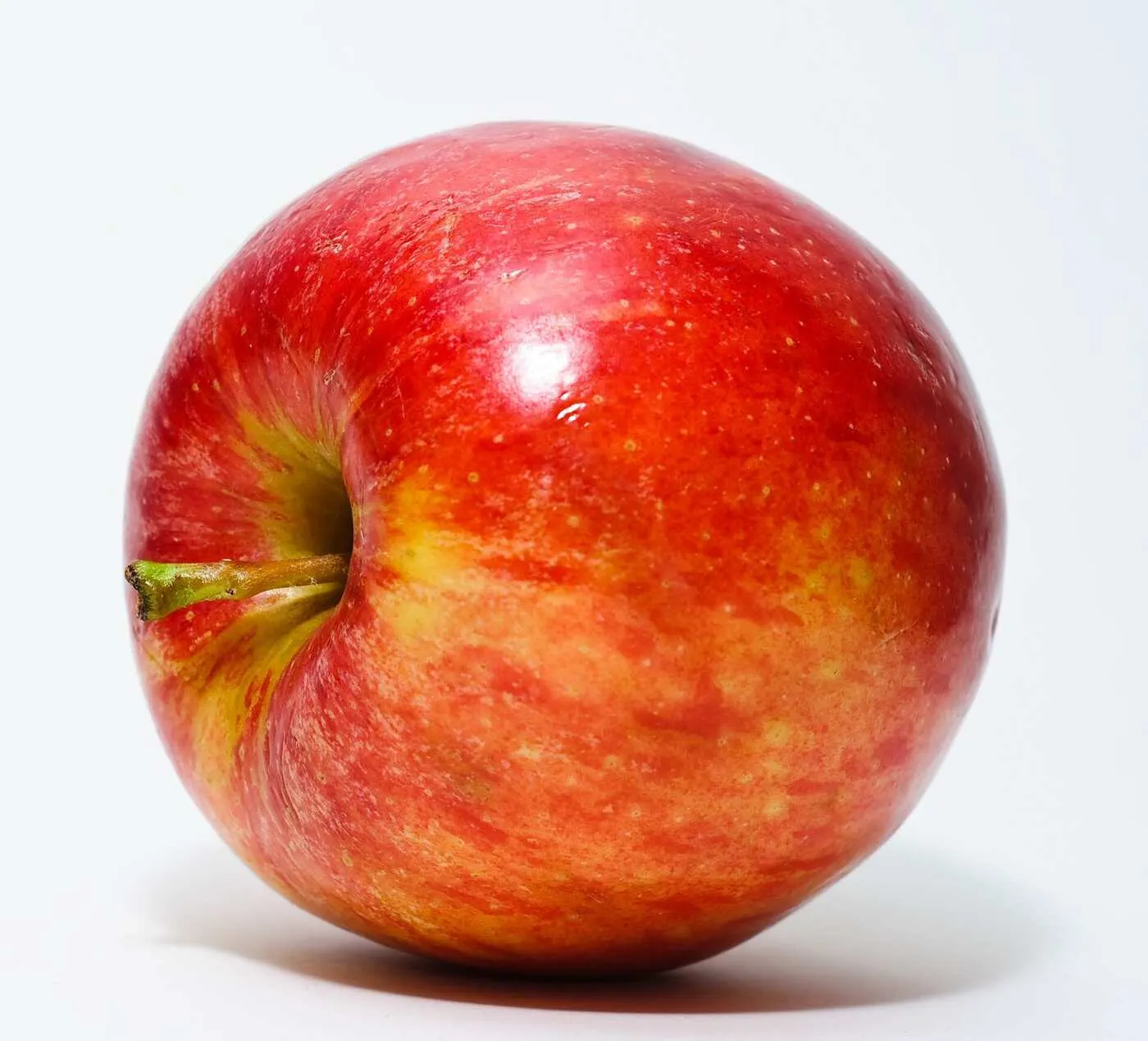 Photo: Abhijit Tembhekar from Mumbai, India, CC BY 2.0, via Wikimedia Commons
Apples are eaten fresh, cooked, pressed into juice or cider, and dried. Preparation substantially affects polyphenol content:
- Fresh, unpeeled: Highest polyphenol and fiber content. The peel contains the majority of quercetin and much of the anthocyanin.
- Peeling: Removes most of the quercetin, which sits almost entirely in the peel, and substantially reduces total flavonoid intake.
- Cooking: Heat degrades vitamin C and some polyphenols.
- Juice: Clarified apple juice retains minimal fiber and substantially less quercetin than whole fruit. Cloudy (turbid) apple juice retains more pectin and polyphenols than clarified juice; extracts from cloudy juices were richer in procyanidins than those from clear juices of the same cultivars (Huemmer et al., 2008).
- Cider vinegar: Claims of exceptional health benefits from apple cider vinegar are not supported by clinical evidence commensurate with the popular interest.
Cultivar selection matters, though polyphenol rankings between varieties also shift with growing conditions, harvest timing, and storage.
Apple is the main fruit in the apple-cinnamon-walnut version among the overnight oats recipes. For how pectin and other fermentable fibers act in the gut, see the gut health superfoods guide and the dietary fiber and microbiome research review. The closely related pear shares much of the apple’s fiber and polyphenol profile.
Safety, Interactions, and Contraindications
Apples are well tolerated by most people at normal dietary intake levels. Specific considerations include:
Allergy: Apple can cause allergic reactions, occasionally severe. In northern and central Europe, apple allergy mostly stems from cross-reactivity with birch pollen; in the Mediterranean area it is mostly linked to peach allergy. Peeling and heat treatment may lower the risk of severe reactions (Siekierzynska et al., 2021).
Fructose content: Apples contain moderate amounts of fructose (about 5.9 g/100 g; USDA FoodData Central) as well as the sugar alcohol sorbitol, and their fructose exceeds their glucose (Muir et al., 2009). Individuals with fructose malabsorption or irritable bowel syndrome (IBS) following a low-FODMAP diet may need to limit intake, as apples are classified as high-FODMAP.
Drug interactions: Apple juice (not whole apple) inhibits intestinal OATP uptake transporters and can reduce the absorption of some drugs. In small crossover trials, 1.2 L of apple juice over 3 hours cut fexofenadine (antihistamine) exposure to 30–40% of that with water (Dresser et al., 2002); 1,200 mL and 600 mL cut atenolol (beta-blocker) exposure by about 82% and 58% (Jeon et al., 2013); and 200 mL three times daily cut aliskiren (antihypertensive) exposure by 63% (Tapaninen et al., 2011). This effect has not been demonstrated with whole apple at typical serving sizes.
Apple seeds: Contain amygdalin, a cyanogenic glycoside that releases hydrogen cyanide upon hydrolysis; seeds from 15 varieties held 1–4 mg of amygdalin per gram, while commercial apple juices contained little (Bolarinwa et al., 2015). Cyanide is released mainly when seeds are chewed or crushed, so eating crushed seeds in quantity should be avoided.
Pesticide residue: Apple frequently appears on EWG’s “Dirty Dozen” list for detectable pesticide residues. In one study, residues were higher in the peel and core than in the flesh, peeling and coring reduced most of them, and washing removed only part (from about 7% to 67%, depending on the pesticide) (Kong et al., 2012). Peeling also removes the polyphenol-rich peel. Washing with water before consumption is recommended regardless of organic status.
Frequently Asked Questions
Are apples good for you?
For most people, yes. Apples are low in energy (52 kcal per 100 g), mostly water, and supply fiber, pectin and polyphenols such as quercetin and chlorogenic acid. Large prospective cohorts link regular apple and pear intake to lower cardiovascular mortality and type 2 diabetes risk. Those studies are observational, so apples are best treated as one part of a varied, plant-rich diet rather than a treatment.
Do apples have fiber?
Yes. A raw apple with its skin contains about 2.4 g of dietary fiber per 100 g, according to USDA FoodData Central. Much of it is pectin, a soluble fiber that forms a gel in the gut and is fermented by colonic bacteria into short-chain fatty acids such as acetate and butyrate. Peeling the apple lowers its fiber and removes most of its quercetin.
Are apples good for diabetics?
Whole raw apples have a low glycemic index (36 ± 2), partly because much of their sugar is fructose, which raises blood glucose little. In US cohort data, more apple and pear intake was associated with lower type 2 diabetes risk, but that does not show apples improve blood sugar control in people who already have diabetes. Anyone managing diabetes should plan fruit portions with their clinician.
Can apples cause bloating or digestive upset?
They can for some people. Apples contain more fructose than glucose plus the sugar alcohol sorbitol, and they are classified as high-FODMAP. People with fructose malabsorption or irritable bowel syndrome may notice bloating or loose stools and may need to limit portions. Most people tolerate apples well at normal dietary intakes.
Does an apple a day keep the doctor away?
Not literally. An analysis of US NHANES data found that daily apple eaters were no more likely than non-eaters to avoid physician visits after adjusting for other factors, though they were marginally more likely to avoid prescription medications. The proverb works as a reminder to eat fruit daily, not as a specific evidence-based claim.
Are apple seeds poisonous?
Apple seeds contain amygdalin, which can release cyanide when the seed is chewed or crushed. Seeds from 15 varieties held 1 to 4 mg of amygdalin per gram, while commercial apple juices contained little. Swallowing a few whole seeds by accident is not usually a concern, but eating crushed seeds in quantity should be avoided.
References
Show all 22 referencesShow fewer
- Mink, P. J., Scrafford, C. G., Barraj, L. M., Harnack, L., Hong, C.-P., Nettleton, J. A., & Jacobs, D. R. (2007). Flavonoid intake and cardiovascular disease mortality: a prospective study in postmenopausal women. American Journal of Clinical Nutrition, 85(3), 895–909.
- Muraki, I., Imamura, F., Manson, J. E., Hu, F. B., Willett, W. C., van Dam, R. M., & Sun, Q. (2013). Fruit consumption and risk of type 2 diabetes: results from three prospective longitudinal cohort studies. BMJ, 347, f5001.
- Koutsos, A., Riccadonna, S., Ulaszewska, M. M., Franceschi, P., Trošt, K., Galvin, A., … Lovegrove, J. A. (2020). Two apples a day lower serum cholesterol and improve cardiometabolic biomarkers in mildly hypercholesterolemic adults: a randomized, controlled, crossover trial. American Journal of Clinical Nutrition, 111(2), 307–318.
- Johnston, K. L., Clifford, M. N., & Morgan, L. M. (2003). Coffee acutely modifies gastrointestinal hormone secretion and glucose tolerance in humans: glycemic effects of chlorogenic acid and caffeine. American Journal of Clinical Nutrition, 78(4), 728–733.
- Davis, M. A., Bynum, J. P., & Sirovich, B. E. (2015). Association between apple consumption and physician visits: appealing the conventional wisdom that an apple a day keeps the doctor away. JAMA Internal Medicine, 175(5), 777–783.
- Hooper, L., Kroon, P. A., Rimm, E. B., Cohn, J. S., Harvey, I., Le Cornu, K. A., Ryder, J. J., Hall, W. L., & Cassidy, A. (2008). Flavonoids, flavonoid-rich foods, and cardiovascular risk: a meta-analysis of randomized controlled trials. American Journal of Clinical Nutrition, 88(1), 38–50.
- Wolfe, K., Wu, X., & Liu, R. H. (2003). Antioxidant activity of apple peels. Journal of Agricultural and Food Chemistry, 51(3), 609–614.
- Atkinson, F. S., Foster-Powell, K., & Brand-Miller, J. C. (2008). International tables of glycemic index and glycemic load values: 2008. Diabetes Care, 31(12), 2281–2283.
- Dresser, G. K., Bailey, D. G., Leake, B. F., Schwarz, U. I., Dawson, P. A., Freeman, D. J., & Kim, R. B. (2002). Fruit juices inhibit organic anion transporting polypeptide-mediated drug uptake to decrease the oral availability of fexofenadine. Clinical Pharmacology & Therapeutics, 71(1), 11–20.
- Jeon, H., Jang, I. J., Lee, S., Ohashi, K., Kotegawa, T., Ieiri, I., … Lim, K. S. (2013). Apple juice greatly reduces systemic exposure to atenolol. British Journal of Clinical Pharmacology, 75(1), 172–179.
- Tapaninen, T., Neuvonen, P. J., & Niemi, M. (2011). Orange and apple juice greatly reduce the plasma concentrations of the OATP2B1 substrate aliskiren. British Journal of Clinical Pharmacology, 71(5), 718–726.
- U.S. Department of Agriculture. Apples, raw, with skin (FDC ID 171688). FoodData Central.
- Boyer, J., & Liu, R. H. (2004). Apple phytochemicals and their health benefits. Nutrition Journal, 3, 5.
- Ehrenkranz, J. R., Lewis, N. G., Kahn, C. R., & Roth, J. (2005). Phlorizin: a review. Diabetes/Metabolism Research and Reviews, 21(1), 31–38.
- Cornille, A., Gladieux, P., Smulders, M. J., … Giraud, T. (2012). New insight into the history of domesticated apple: secondary contribution of the European wild apple to the genome of cultivated varieties. PLoS Genetics, 8(5), e1002703.
- Bang, S. J., Kim, G., Lim, M. Y., … Seo, D. H. (2018). The influence of in vitro pectin fermentation on the human fecal microbiome. AMB Express, 8(1), 98.
- Koutsos, A., Lima, M., Conterno, L., … Tuohy, K. M. (2017). Effects of commercial apple varieties on human gut microbiota composition and metabolic output using an in vitro colonic model. Nutrients, 9(6), 533.
- Muir, J. G., Rose, R., Rosella, O., Liels, K., Barrett, J. S., Shepherd, S. J., & Gibson, P. R. (2009). Measurement of short-chain carbohydrates in common Australian vegetables and fruits by high-performance liquid chromatography (HPLC). Journal of Agricultural and Food Chemistry, 57(2), 554–565.
- Bolarinwa, I. F., Orfila, C., & Morgan, M. R. (2015). Determination of amygdalin in apple seeds, fresh apples and processed apple juices. Food Chemistry, 170, 437–442.
- Kong, Z., Shan, W., Dong, F., Liu, X., Xu, J., Li, M., & Zheng, Y. (2012). Effect of home processing on the distribution and reduction of pesticide residues in apples. Food Additives & Contaminants: Part A, 29(8), 1280–1287.
- Siekierzynska, A., Piasecka-Kwiatkowska, D., Myszka, A., Burzynska, M., Sozanska, B., & Sozanski, T. (2021). Apple allergy: causes and factors influencing fruits allergenic properties. Clinical and Translational Allergy, 11(4), e12032.
- Huemmer, W., Dietrich, H., Will, F., Schreier, P., & Richling, E. (2008). Content and mean polymerization degree of procyanidins in extracts obtained from clear and cloudy apple juices. Biotechnology Journal, 3(2), 234–243.
Related content
More in Fruits
- Avocado (Persea americana)
Is avocado good for you? Avocado is high in monounsaturated fat, fiber and potassium, and small trials link a daily avocado to lower LDL cholesterol.
- Banana (Musa acuminata)
Are bananas good for you? Bananas supply potassium, vitamin B6 and fiber, and green bananas add resistant starch. The evidence, and who should limit them.
- Cherry (Prunus avium / Prunus cerasus)
Tart cherry juice benefits, weighed: small trials suggest faster muscle recovery and longer sleep, and gout data are early. Sweet vs tart cherry nutrition.
- Grapefruit (Citrus × paradisi)
Is grapefruit good for you? It is low in calories and rich in vitamin C, but it interacts with statins and 85+ other drugs. Benefits, nutrition and risks.
- Grapes (Vitis vinifera)
Are grapes good for you? Grapes supply skin polyphenols and vitamin K but little fiber and plenty of sugar. What the vascular and resveratrol data show.
- Kiwi (Actinidia deliciosa)
Is kiwi good for you? Kiwifruit has more vitamin C than orange, plus fiber and vitamin K, and trials show two kiwis a day can ease constipation.





Curated by Superfoods Advisor Editors·Last updated