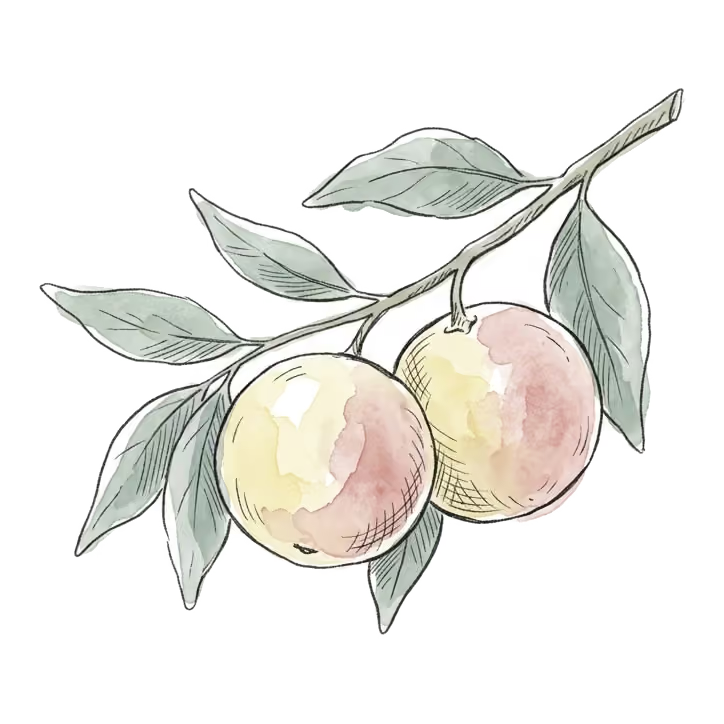
Camu Camu (Myrciaria dubia)
Myrciaria dubia · also known as camu camu berry, camocamo, cacari, myrciaria dubia
By Superfoods Advisor Editors·July 3, 2026
What is camu camu, and what are its benefits? An Amazonian berry with 1,800–3,000 mg vitamin C per 100 g, small trials on inflammation, and safety notes.
Camu camu (Myrciaria dubia) is a sour Amazonian berry sold mainly as a freeze-dried powder and valued for its vitamin C, roughly 1,800 to 3,000 mg per 100 g of fresh pulp. Its other proposed benefits, for inflammation, oxidative stress and liver fat, rest on two small human trials.
The plant is a bushy riverine shrub in the family Myrtaceae, native to the floodplain forests of the Amazon basin in Peru, Brazil, Colombia and Venezuela. It produces small cherry-like fruits about 2.5 cm across (García-Chacón et al., 2023) with a thin purple-red to yellow skin and tart, highly acidic pulp. The fruit has long been eaten locally as a seasonal food, and one review notes that indigenous communities traditionally used it against flu (García-Chacón et al., 2023).
Camu camu has attracted considerable scientific and commercial attention primarily because of its vitamin C content, which is among the highest recorded in any edible plant. Most analyses of fresh pulp report roughly 1,800 to 3,000 mg of ascorbic acid per 100 g (Justi et al., 2000; Freitas et al., 2016), with some studies reporting more (García-Chacón et al., 2023). That is above the ~1,680 mg listed for raw acerola (USDA FoodData Central) and roughly 35 to 55 times the ~53 mg in raw orange (USDA FoodData Central). Genotype, growing region, and ripeness at harvest introduce wide ranges across studies; several studies found ascorbic acid rising as the fruit matured (García-Chacón et al., 2023). Content falls with post-harvest handling: frozen pulp lost about 26% over 335 days of storage (Justi et al., 2000).
Evidence at a glance
Active Compounds
Camu camu’s bioactive profile is anchored by its exceptional vitamin C content, with supporting polyphenol and carotenoid fractions:
- Ascorbic acid (vitamin C) — the primary bioactive; roughly 1,800–3,000 mg per 100 g fresh pulp in most analyses. Drying concentrates it: one analysis measured about 3.5% vitamin C (~3,500 mg/100 g) in a dehydrated pulp powder and about 9.1% in a flour made from the skin and seeds (Fracassetti et al., 2013).
- Cyanidin-3-glucoside and delphinidin-3-glucoside — the principal anthocyanins; concentrated in the skin rather than the pulp (García-Chacón et al., 2023).
- Ellagic acid and ellagitannins — notably castalagin and vescalagin; in fresh berries these sit mainly in the seeds (Fracassetti et al., 2013).
- Flavonoids — mainly myricetin and quercetin and their glycosides (García-Chacón et al., 2023).
- Carotenoids — present in modest amounts, with all-trans-lutein the major one, followed by beta-carotene (García-Chacón et al., 2023).
- Organic acids — the source of the extreme tartness; pulp pH ranged from about 1.4 to 2.1 across seven Brazilian genotypes (Freitas et al., 2016).
Nutritional Profile
Values below are for raw camu camu pulp per 100 g. Note that the majority of the fruit’s polyphenols reside in the skin; peeled pulp values will underestimate whole-fruit polyphenol content. USDA FoodData Central does not maintain a comprehensive entry for camu camu; values below are the ranges reported across seven Brazilian genotypes by Freitas et al. (2016).
| Nutrient | Amount per 100 g (fresh pulp) | % DV |
|---|---|---|
| Energy | 30–51 kcal | — |
| Total fat | 0.2–0.8 g | — |
| Total carbohydrates | 6.4–11.7 g | — |
| Reducing sugars | 2.4–4.7 g | — |
| Protein | 0.1–0.4 g | — |
| Vitamin C (ascorbic acid) | 1,790–2,935 mg | — |
| Calcium | 8–16 mg | — |
| Iron | 0.4–3.9 mg | — |
| Potassium | 68–108 mg | — |
Note: Published values for vitamin C in camu camu vary substantially across studies due to differences in cultivar, altitude of origin, ripeness at harvest, and analytical method. The ranges above come from a single study of seven genotypes grown in Brazil; fiber and phosphorus were not measured.
Evidence for Purported Benefits
Human clinical evidence for camu camu is extremely limited. A small number of controlled trials have been published, alongside a larger body of in vitro and rodent studies. Claims circulating in commercial contexts frequently outpace what the human evidence supports.
Antioxidant Status and Oxidative Stress
Evidence:Preliminary One small, one-week trial in 20 male smokers.
A randomized trial by Inoue and colleagues (2008, Journal of Cardiology, n=20) assigned male smokers to either 70 ml per day of 100% camu camu juice (providing approximately 1,050 mg vitamin C) or vitamin C tablets delivering the same dose for seven days. Urinary 8-hydroxy-deoxyguanosine (8-OHdG, a marker of oxidative DNA damage) and total reactive oxygen species fell significantly in the camu camu group, while the vitamin C tablet group showed no change. The authors suggested that compounds in the fruit other than ascorbic acid may contribute. The study was small, ran for one week, and used a population with elevated baseline oxidative stress (smokers); generalizability is uncertain.
Anti-inflammatory Effects
Evidence:Preliminary The same single small trial in smokers, plus cell studies.
In the same Inoue trial, serum high-sensitivity C-reactive protein, IL-6, and IL-8 also decreased in the camu camu juice group but not in the vitamin C tablet group. This is a single small, short trial in smokers; sustained anti-inflammatory effects at habitual dietary doses have not been established.
Cell studies point the same way: a seed extract reduced TNF-α release from LPS-stimulated macrophages, and a fruit extract dampened NF-κB/AP-1 inflammatory signaling in human skin cells (García-Chacón et al., 2023). These findings provide mechanistic plausibility but cannot substitute for clinical evidence.
Gut Microbiota Modulation
Evidence:Preliminary One crossover RCT (n=30) reporting microbiota changes as an exploratory outcome.
A 2024 double-blind, placebo-controlled crossover trial by Agrinier and colleagues (Cell Reports Medicine, n=30 adults with overweight and hypertriglyceridemia) found that 12 weeks of camu camu capsules (1.5 g per day) reduced liver fat and liver enzymes compared to placebo and, as an exploratory outcome, changed gut microbiota composition. Functional significance of the observed microbiome shifts was not established. This is a promising preliminary finding requiring replication in larger trials.
Metabolic Effects
Evidence:Insufficient Benefits seen in mice; the one human trial found no effect on weight or glucose.
In mice fed a high-fat, high-sucrose diet, a camu camu extract prevented weight gain and improved glucose tolerance and insulin sensitivity (Anhê et al., 2019). Those results have not carried over to people so far: in the 2024 Agrinier trial, 12 weeks of camu camu changed neither body weight nor adiposity, and glucose-homeostasis and other cardiometabolic measures did not differ from placebo. No trial has assessed camu camu against diabetes or other metabolic disease outcomes.
Typical Use and Preparation
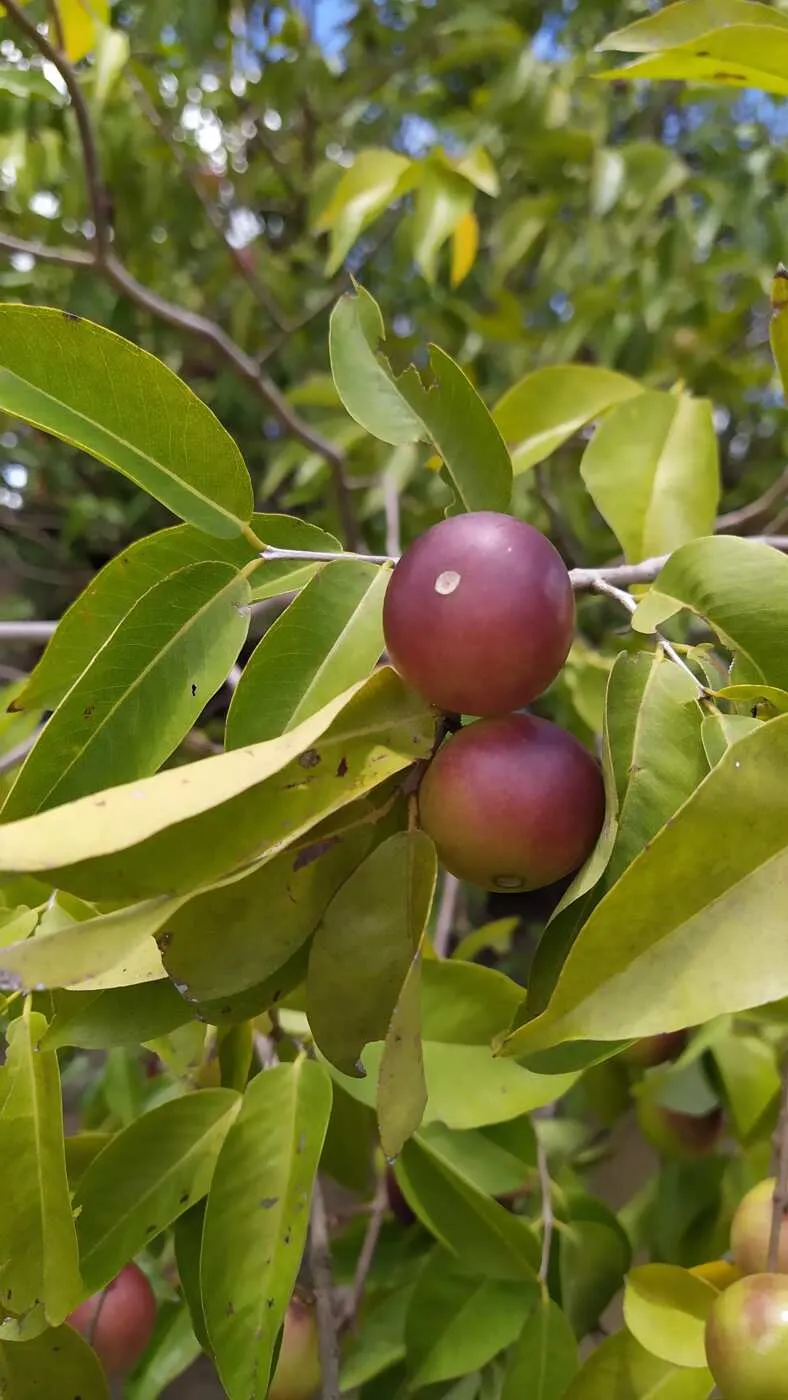 Photo: Túllio F, CC BY-SA 4.0, via Wikimedia Commons
Fresh camu camu fruit is rarely available outside its growing regions due to extreme perishability. Commercial export is almost exclusively in processed forms:
- Freeze-dried powder — the most common export form; vitamin C content depends on whether the pulp alone or the skin and seeds were dried; laboratory values range from about 3,500 to 9,100 mg per 100 g (Fracassetti et al., 2013), so each gram of powder may supply roughly 35–90 mg.
- Juice concentrate — available in some specialty health food markets; vitamin C content varies widely.
- Capsules and tablets — containing freeze-dried powder; marketed as natural vitamin C supplements.
- Blended functional foods — incorporated into superfood powders and green drink blends.
The extremely sour flavor makes whole-fruit fresh consumption uncommon. Most consumers use freeze-dried powder blended into smoothies or juices.
Other vitamin C–dense berries covered here are acerola cherry and rose hip. Because camu camu is mostly valued as a vitamin C source, the immune-nutrition guide is a useful companion read on what vitamin C intake can and cannot be expected to do.
Safety, Interactions, and Contraindications
Camu camu consumed at food-equivalent and typical supplement doses appears well tolerated in the limited trial data. Neither published trial reported serious adverse events; in the 2024 trial, two participants withdrew citing minor digestive discomfort that may have been linked to the capsules.
- High-dose vitamin C: supplemental camu camu can deliver pharmacological doses of ascorbic acid. At doses above the tolerable upper intake level of 2,000 mg/day for vitamin C (Linus Pauling Institute), risk of gastrointestinal disturbance (diarrhea, nausea) and oxalate-driven kidney stone formation increases.
- Dental erosion: the extreme acidity of camu camu juice poses a theoretical risk of dental enamel erosion with frequent direct consumption of acidic juice; using a straw and rinsing with water afterward is prudent.
- Drug interactions: the considerations for high-dose ascorbic acid apply. Large doses of vitamin C may blunt the effect of warfarin (the evidence is disputed), so people on anticoagulants are advised to stay under 1 g/day and have prothrombin time monitored; high-dose antioxidants may also interfere with some chemotherapy drugs, so cancer patients should consult their oncologist (Linus Pauling Institute).
- Hemochromatosis: vitamin C enhances non-heme iron absorption, so people with iron overload conditions should talk to their doctor before taking high-dose camu camu supplements.
- Kidney stones: supplemental vitamin C raises urinary oxalate; evidence on stone risk is mixed, and people prone to oxalate stones may consider avoiding doses of 1 g/day or more (Linus Pauling Institute).
- Pregnancy and lactation: camu camu supplements have not been studied in pregnancy or breastfeeding. Trials of 1,000 mg/day vitamin C (combined with vitamin E) in pregnant women found no effect on fetal loss or birth defects (Linus Pauling Institute), but that does not establish the safety of concentrated fruit products; ask a clinician before using them.
This article is for informational purposes only. It does not constitute medical advice, and camu camu should not be used to diagnose, treat, prevent, or cure any condition.
Frequently Asked Questions
What is camu camu?
Camu camu is the fruit of Myrciaria dubia, a shrub that grows along rivers in the Amazon basin of Peru, Brazil, Colombia and Venezuela. The fruits are about 2.5 cm across, with a purple-red to yellow skin and very acidic pulp (pH about 1.4 to 2.1). They spoil quickly, so almost all camu camu sold abroad is freeze-dried powder, juice concentrate or capsules.
Is camu camu better than acerola?
Camu camu usually contains more vitamin C than acerola, with most analyses reporting 1,800–3,000 mg per 100 g of pulp against about 1,680 mg for raw acerola in USDA data. Both vary widely with ripeness and processing. Neither has been compared with the other in a human trial, and for most people either one, or ordinary fruit, covers the 75–90 mg daily vitamin C requirement.
How much camu camu powder should you take daily?
No standard dose has been established. Laboratory values suggest each gram of powder may supply roughly 35 to 90 mg of vitamin C, depending on whether skin and seeds were included, so a teaspoon can exceed the daily requirement several times over. The 2024 liver-fat trial used 1.5 g of capsules per day. Staying well below the 2,000 mg/day vitamin C upper limit is sensible.
What are the side effects of camu camu?
Camu camu appeared well tolerated in the two published trials, with no serious adverse events; two participants in the 2024 trial withdrew over minor digestive discomfort. At high doses the effects are those of excess vitamin C: diarrhea, nausea and raised urinary oxalate. The juice is acidic enough to pose a theoretical risk to tooth enamel with frequent sipping.
Is camu camu safe during pregnancy?
Camu camu supplements have not been studied in pregnancy or breastfeeding. Trials of 1,000 mg/day vitamin C combined with vitamin E in pregnant women found no effect on fetal loss or birth defects, but that does not establish the safety of concentrated fruit powders. Anyone pregnant should ask a clinician before using one.
References
Show all 7 referencesShow fewer
- Inoue, T., Komoda, H., Uchida, T., & Node, K. (2008). Tropical fruit camu-camu (Myrciaria dubia) has anti-oxidative and anti-inflammatory properties. Journal of Cardiology, 52(2), 127–132.
- Agrinier, A. L., Morissette, A., Daoust, L., et al. (2024). Camu-camu decreases hepatic steatosis and liver injury markers in overweight, hypertriglyceridemic individuals: a randomized crossover trial. Cell Reports Medicine, 5(8), 101682.
- Justi, K. C., Visentainer, J. V., de Souza, N. E., & Matsushita, M. (2000). Nutritional composition and vitamin C stability in stored camu-camu (Myrciaria dubia) pulp. Archivos Latinoamericanos de Nutrición, 50(4), 405–408.
- García-Chacón, J. M., Marín-Loaiza, J. C., & Osorio, C. (2023). Camu camu (Myrciaria dubia (Kunth) McVaugh): an Amazonian fruit with biofunctional properties — a review. ACS Omega, 8(6).
- Freitas, C. A. B., Silva, A. S., Alves, C. N., et al. (2016). Characterization of the fruit pulp of camu-camu (Myrciaria dubia) of seven different genotypes and their rankings using statistical methods PCA and HCA. Journal of the Brazilian Chemical Society, 27(10).
- Fracassetti, D., Costa, C., Moulay, L., & Tomás-Barberán, F. A. (2013). Ellagic acid derivatives, ellagitannins, proanthocyanidins and other phenolics, vitamin C and antioxidant capacity of two powder products from camu-camu fruit (Myrciaria dubia). Food Chemistry, 139(1–4), 578–588.
- Anhê, F. F., Nachbar, R. T., Varin, T. V., et al. (2019). Treatment with camu camu (Myrciaria dubia) prevents obesity by altering the gut microbiota and increasing energy expenditure in diet-induced obese mice. Gut, 68(3), 453–464.
More in Berries
- Acai Berry (Euterpe oleracea)
Is acai good for you? What small human trials show on acai benefits for antioxidants, lipids and blood sugar, plus nutrition, acai bowls and safety.
- Acerola Cherry (Malpighia emarginata)
Acerola cherry benefits come mostly from its vitamin C, about 1,680 mg per 100 g. What the evidence shows for immunity, skin and antioxidants, and safety.
- Blackberry (Rubus fruticosus)
What are blackberries good for? Fiber (5.3 g per 100 g), vitamin C, vitamin K and anthocyanins. Blackberry benefits, nutrition and what research shows.
- Blackcurrant (Ribes nigrum)
Blackcurrant benefits: a tart berry with 181 mg vitamin C per 100 g and dense anthocyanins. Small trials on eye fatigue, exercise recovery and cognition.
- Blueberry (Vaccinium corymbosum)
Are blueberries good for you? Trials suggest a daily cup (150 g) may help blood-vessel function; memory and blood-sugar data are early. Nutrition, safety.
- Cranberry (Vaccinium macrocarpon)
Is cranberry juice good for you? Cranberry products modestly cut repeat UTIs in trials, but juice cocktail is sweetened and low in PACs. Benefits, safety.

Curated by Superfoods Advisor Editors·Last updated