The Best Superfoods for Gut Health: A Science-Backed Guide
By Superfoods Advisor Editors·July 4, 2026
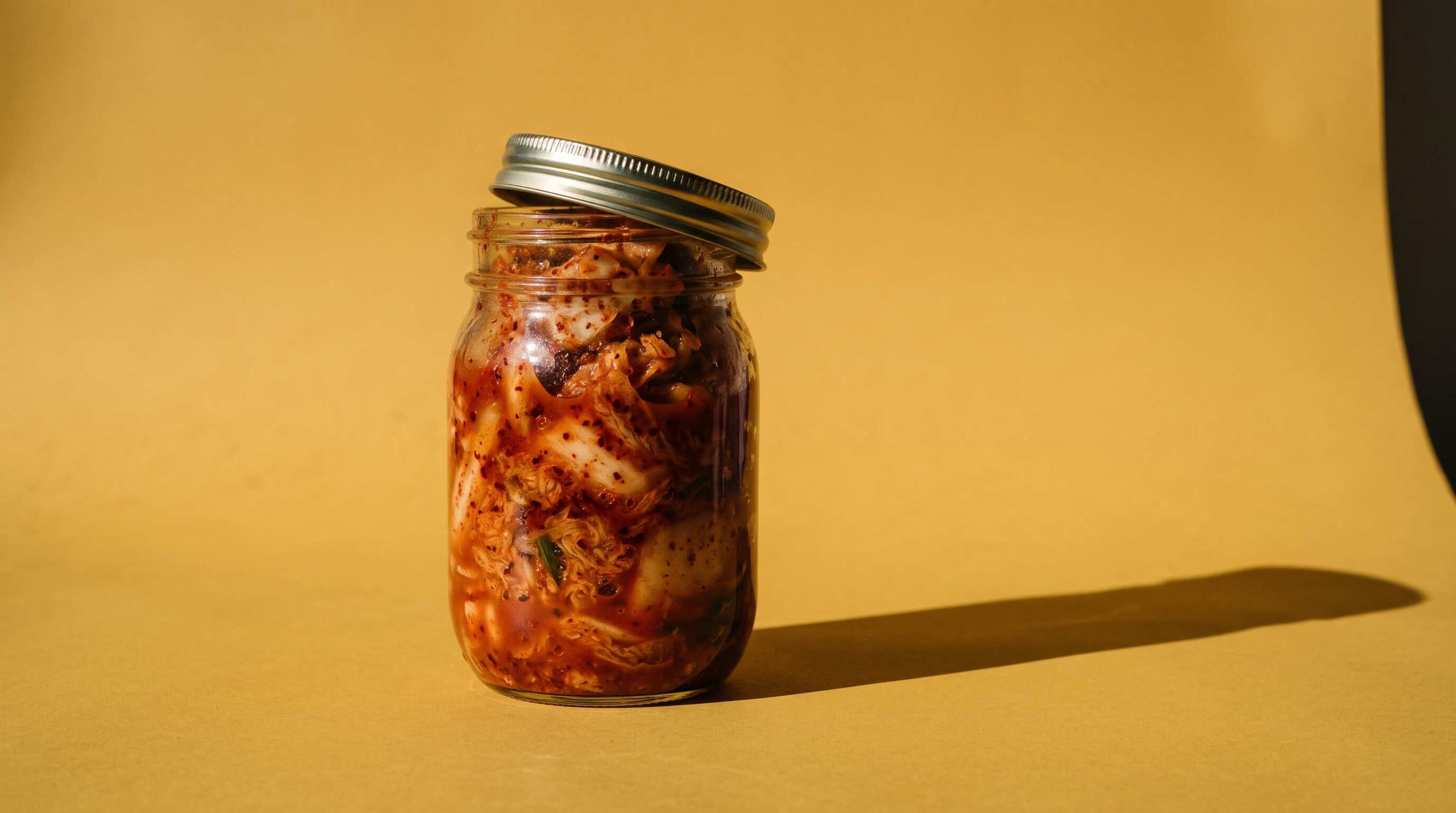
Gut health foods compared on the evidence: fermented foods like kefir and kimchi, prebiotic fibers such as inulin and oats, and polyphenol-rich berries.
The best-studied gut health foods fall into three groups: fermented foods such as kefir, yogurt, kimchi, and sauerkraut, which supply live cultures; prebiotic fibers in oats, garlic, onion, and chicory, which feed resident bacteria; and polyphenol-rich foods such as blueberries. In a 2021 Cell trial, a high-fermented-food diet raised microbiome diversity.
Your body hosts roughly 38 trillion bacteria, most of them in the gut, alongside archaea and fungi: about as many microbial cells as human cells, not the oft-quoted ten to one (Sender et al., PLoS Biology, 2016). This community, the gut microbiome, influences digestion, immune regulation, and possibly mood through the gut-brain axis.
In that 2021 trial, the high-fermented-food diet increased microbiome diversity and reduced 19 inflammatory proteins, outperforming a high-fiber diet on those specific markers (Wastyk et al., Cell, 2021). Polyphenols, particularly from berries, appear to reshape the microbial environment in ways researchers are still working out.
What Do Fermented Foods Actually Do for Your Gut?
Fermented foods are the most direct dietary intervention for the microbiome. The Wastyk et al. (2021) Cell trial (a 17-week human RCT with 36 participants) found that high fermented food intake raised microbiome diversity scores and reduced 19 inflammatory markers, including IL-6 and IL-12p70. This is the strongest recent human evidence linking diet to microbiome composition. (Wastyk et al., Cell, 2021)
The key practical point is that not all fermented products are equal. Pasteurized versions of sauerkraut, kimchi, and kombucha contain no live cultures. Only unpasteurized, refrigerated products deliver viable bacteria. Cooking temperatures kill lactic acid bacteria (LAB), so simmering fermented foods in hot dishes eliminates the live-culture benefit.
Kefir
Kefir is fermented milk produced by kefir grains, a matrix of bacteria and yeasts. It carries a broader mix of bacteria and yeasts than most yogurts, though viable counts vary by product: when five US commercial kefirs were plated, two-thirds of those with a guaranteed count overstated it by at least tenfold, and only one exceeded 10⁹ CFU/g (Metras et al., JDS Communications, 2021). In a 15-person trial in adults with lactose maldigestion, kefir produced less breath hydrogen and milder flatulence than the same lactose dose in milk (Hertzler & Clancy, Journal of the American Dietetic Association, 2003). An uncontrolled 20-patient pilot study in chronic constipation reported more frequent stools and faster colonic transit after four weeks of kefir (Turan et al., Turkish Journal of Gastroenterology, 2014), though controlled trials are limited.
Kimchi
Kimchi is a traditional Korean fermented vegetable dish (most often napa cabbage) whose lactic acid bacteria reach roughly 10⁹–10¹⁰ CFU per gram during fermentation, mainly Leuconostoc, Weissella, and Lactobacillus species (Cha et al., Critical Reviews in Food Science and Nutrition, 2024). A small crossover trial by Kim et al. (Nutrition Research, 2011; 22 overweight and obese adults, two 4-week phases) found fermented kimchi produced greater net reductions in fasting glucose, total cholesterol, body fat, and blood pressure than fresh kimchi, suggesting the LAB and their metabolites may contribute beyond simple vegetable nutrition. (Kim et al., Nutrition Research, 2011)
One practical note: USDA lists about 500 mg of sodium per 100 g of kimchi (USDA FoodData Central), and recipes vary. Those managing hypertension or kidney disease should account for this.
Sauerkraut
Sauerkraut, lacto-fermented shredded cabbage, is one of the simplest and most affordable ways to add live cultures to your diet. Counts in unpasteurized batches vary with age: in a French survey of 75 homemade fermented vegetables, mostly cabbage, lactic acid bacteria ranged from undetectable to about 10⁸·⁷ CFU/g, were highest in batches under 100 days old, and were dominated by Lactiplantibacillus plantarum/pentosus and Levilactobacillus brevis (Thierry et al., Frontiers in Microbiology, 2023). Importantly, most canned or shelf-stable sauerkraut is pasteurized. Look for refrigerated, raw-labeled products.
Miso
Miso is a fermented soybean paste with origins in Japan and China, aged anywhere from weeks to several years. The Aspergillus oryzae mold drives fermentation alongside lactic acid bacteria, generating a complex flavor profile and a range of bioactive peptides. Miso’s sodium content is high: a tablespoon (about 17 g) provides roughly 630 mg (USDA FoodData Central), so it works best as a flavoring agent in small amounts rather than a primary probiotic source. Add it to dressings, marinades, or broth after cooking to preserve live cultures.
Kombucha
Kombucha is a fermented tea beverage produced by a SCOBY (symbiotic culture of bacteria and yeasts). Its microbial community differs meaningfully from yogurt or kefir: an analysis of nine commercial kombuchas found acetic acid bacteria such as Komagataeibacter, Gluconacetobacter, and Gluconobacter, yeasts dominated by Brettanomyces, and in some products an added probiotic, Bacillus coagulans (Yang et al., Nutrients, 2022). Viable counts in finished kombucha vary widely between products, and some commercial products are pasteurized. Human trials are few, small, and mixed: a 10-week RCT in 59 adults with excess weight found no microbiota difference versus control (Fraiz et al., Foods, 2024), a 24-person controlled study reported only modest shifts (Ecklu-Mensah et al., Scientific Reports, 2024), and a 6-week RCT of a fiber-enriched kombucha reported higher Bifidobacterium abundance (Arce-López et al., Current Research in Food Science, 2025); the latter two were industry-funded. That said, kombucha contributes polyphenols from tea and organic acids that may influence the gut environment.
Yogurt
Yogurt with live and active cultures (typically Lactobacillus bulgaricus and Streptococcus thermophilus, sometimes augmented with Bifidobacterium) is the most extensively studied fermented food in clinical nutrition. EFSA has accepted that live yogurt cultures improve lactose digestion in people with lactose maldigestion (EFSA, 2010). Look for the Live & Active Cultures seal and avoid heat-treated yogurt, which destroys cultures after fermentation.
Which Prebiotic Fibers Feed the Microbiome Most Effectively?
Prebiotics work differently from probiotics. Rather than introducing new bacteria, they selectively nourish the beneficial species already living in your colon. Roberfroid et al. (2010, British Journal of Nutrition) reviewed the human intervention studies and concluded that prebiotics such as inulin and fructooligosaccharides (FOS) produce statistically significant shifts in gut microbiota composition, most consistently an increase in fecal Bifidobacterium counts. Bifidobacterium species are thought to contribute to pathogen resistance, barrier function, and immune regulation, though direct human evidence for these roles is still limited.
Inulin
Inulin is a fructan fiber found naturally in chicory root, Jerusalem artichoke, onion, and garlic. It passes through the small intestine undigested and reaches the colon, where resident bacteria ferment it into short-chain fatty acids (SCFAs), mostly acetate along with propionate and butyrate. Butyrate is the primary fuel for colonocytes (the cells lining your colon) and supports intestinal barrier integrity.
A meta-analysis by Liu et al. (2017, European Journal of Clinical Nutrition) of 20 RCTs (607 adults) found inulin-type fructans modestly lowered LDL cholesterol overall; lower fasting insulin and a non-significant trend toward lower fasting glucose appeared only in the type 2 diabetes subgroup, which included few trials. (Liu et al., European Journal of Clinical Nutrition, 2017) Clinical evidence for the bifidogenic effect is strong; evidence for systemic outcomes is moderate and population-dependent.
One caution: inulin is classified as a high-FODMAP food. Individuals with IBS who follow a low-FODMAP diet should introduce it slowly, if at all, as it may worsen bloating and cramping at higher doses.
Garlic
Garlic contains inulin-type fructans, including fructooligosaccharides (FOS), alongside alliin, the organosulfur precursor that garlic’s enzyme alliinase converts to allicin when cloves are crushed or chewed (Lawson & Hunsaker, Nutrients, 2018). Its fructans would be expected to feed Bifidobacterium as other inulin-type fructans do, though trials of garlic itself on the microbiome are scarce. Garlic is also among the more accessible prebiotic foods: a few cloves per day delivers a small but cumulative prebiotic dose.
Oats
Oats are one of the richest dietary sources of beta-glucan, a soluble fiber with well-established effects on both gut health and cardiovascular risk. Beta-glucan is fermented by colonic bacteria into SCFAs, and in a 32-adult crossover trial, 45 g/day of whole-grain oat granola for six weeks raised fecal bifidobacteria and lactobacilli (Connolly et al., Frontiers in Microbiology, 2016). A 2014 meta-analysis of 28 RCTs found that 3 g/day or more of oat beta-glucan reduced LDL cholesterol by about 0.25 mmol/L (Whitehead et al., American Journal of Clinical Nutrition, 2014), and microbiome changes have been proposed as one contributing mechanism. For gut health specifically, steel-cut and rolled oats are preferable to instant oats, which have a higher glycemic index (Tosh & Chu, 2015).
How Do Polyphenols Support the Gut Microbiome?
Polyphenols are plant compounds that most people associate with antioxidant activity, but their gut effects may be more important. Most dietary polyphenols are poorly absorbed in the small intestine and reach the colon (Manach et al., 2004), where they can act as a substrate for specific bacterial populations and, in laboratory studies, inhibit some pathogenic species (Selma et al., 2009). This interaction is bidirectional: the microbiome also metabolizes polyphenols into their bioactive forms, meaning gut composition affects how much benefit you actually extract from polyphenol-rich foods.
Blueberries
Blueberries are among the most polyphenol-dense commonly consumed fruits, with total anthocyanins of about 200 to 400 mg per 100 g across the commercial cultivars and breeding lines in one analysis (Yousef et al., Journal of Agricultural and Food Chemistry, 2013). A 2021 meta-analysis by Carvalho et al. (Nutrition Research, 12 RCTs pooled) found blueberry supplementation significantly lowered total and LDL cholesterol and diastolic blood pressure in trials targeting metabolic syndrome risk factors (Carvalho et al., 2021). A microbiome mechanism has been proposed: in a small crossover trial, six weeks of a wild blueberry powder drink raised Bifidobacterium relative to a placebo drink (Vendrame et al., Journal of Agricultural and Food Chemistry, 2011).
In practice, frozen blueberries are nutritionally comparable to fresh and substantially more affordable year-round. Trial doses differed in form and amount; a 6-month RCT in 115 adults with metabolic syndrome reported vascular improvements at an intake equivalent to 1 cup (150 g) of blueberries a day (Curtis et al., American Journal of Clinical Nutrition, 2019), making moderate daily servings the practical target.
Other Polyphenol-Rich Foods Worth Noting
Green tea, dark chocolate (70%+ cacao), extra-virgin olive oil, and red cabbage all contribute meaningful polyphenol loads that preliminary research links to favorable microbiome shifts. The diversity principle applies here too: different polyphenol classes feed different bacterial populations. Rotating sources likely provides broader benefit than focusing on a single food.
How Do You Build a Gut-Friendly Dietary Pattern?
The most underappreciated finding from the Wastyk et al. (2021) Cell trial is that the high-fermented-food diet steadily increased microbiome diversity while diversity in the high-fiber group stayed stable; fiber instead increased the microbiome’s glycan-degrading enzymes (Wastyk et al., 2021). This suggests that combining both food types across the week may be more strategic than maximizing any single category.
The practical framework is straightforward. Aim for at least one serving of a fermented food daily, rotating among sources: yogurt at breakfast, kimchi or sauerkraut as a condiment at lunch or dinner, kefir as a snack. This rotation exposes the gut to a broader range of microbial species than any single fermented food provides.
For prebiotic fiber (covered in depth in our dietary fiber and microbiome research review), a dose-finding trial in 40 healthy adults found 10 g/day of short-chain FOS was the lowest dose that significantly raised fecal bifidobacteria within a week, while 2.5 and 5 g/day did not (Bouhnik et al., Journal of Nutrition, 1999). Achieving this through whole foods (oats, garlic, onion, leek, asparagus, Jerusalem artichoke) is preferable to supplementation for most people, as whole foods deliver additional nutrients and fiber types alongside the prebiotic substrate.
Polyphenols fit most easily as daily additions to existing meals: a handful of blueberries with oatmeal, a cup of green tea, extra-virgin olive oil as a standard cooking and dressing fat.
What to Avoid
Highly processed foods and excess alcohol have been associated with less favorable microbiome profiles. In a 2-week RCT in 120 adults, saccharin, sucralose, aspartame, and stevia each altered the gut microbiome, and saccharin and sucralose impaired glycemic responses (Suez et al., Cell, 2022). Antibiotics can disrupt the microbiome profoundly, and recovery after a course may be incomplete (Dethlefsen & Relman, PNAS, 2011). None of these represent absolute prohibitions, but they are worth accounting for when building a gut-supporting pattern.
Frequently Asked Questions
What is the best food for gut health?
No single food covers every route. A fermented food with live cultures, such as kefir or plain yogurt, adds microbes; fiber-rich foods such as oats, garlic, onion, and leek feed the bacteria already there. The 2021 Wastyk trial found the two did different things: fermented foods raised diversity, while fiber increased the microbiome’s glycan-degrading enzymes. Combining both across the week is the reasonable default.
Which foods should you limit for gut health?
Highly processed foods and excess alcohol have been associated with less favorable microbiome profiles, though that evidence is largely observational. In a 2-week randomized trial in 120 adults, saccharin, sucralose, aspartame, and stevia each altered the gut microbiome, and saccharin and sucralose impaired glycemic responses. These are reasons to moderate intake, not absolute prohibitions.
How long does it take to see changes in the gut microbiome from diet?
Research suggests measurable shifts in gut microbial composition can occur within 3-4 days of a significant dietary change (David et al., Nature, 2014). However, sustained, clinically meaningful changes in diversity and key bacterial populations typically require weeks of consistent dietary pattern change. Short-term shifts often revert quickly if the new diet isn’t maintained.
Is one fermented food enough, or do I need variety?
Variety appears to matter. Different fermented foods deliver different microbial species and metabolites. Kefir is dominated by Lactobacillus and yeast species; kimchi provides mainly Leuconostoc, Weissella and Lactobacillus species; yogurt typically delivers L. bulgaricus and S. thermophilus. In a Danish cohort, people with low gut bacterial richness had more adiposity, insulin resistance, and inflammation than those with high richness (Le Chatelier et al., Nature, 2013), an association rather than proof of cause, so rotating among 2-3 fermented foods weekly is a reasonable approach.
Can I get enough prebiotics from whole foods without supplements?
Yes, for most people. A diet that includes oats most mornings, garlic and onion regularly in cooking, and occasional Jerusalem artichoke, leek, or asparagus supplies a steady daily dose of prebiotic fiber without supplementation. Inulin supplements are useful for those with limited dietary variety or specific therapeutic goals, but food-first is the better default.
Should I take probiotics and eat fermented foods, or is one enough?
These are not interchangeable. Commercial probiotic supplements typically deliver specific, well-characterized strains at controlled doses, which makes them relevant for targeted outcomes studied in RCTs using those strains, such as antibiotic-associated diarrhea in children (Guo et al., Cochrane, 2019). They are not a shortcut to microbiome recovery after antibiotics: in one study, a multi-strain probiotic delayed the gut microbiome’s return to baseline (Suez et al., Cell, 2018). Fermented foods deliver broader but less controlled microbial diversity alongside nutrients. For general gut health, fermented foods are a reasonable starting point before considering supplementation.
Are fermented foods safe for everyone?
Most healthy adults tolerate fermented foods well. However, several populations should exercise caution. High-sodium fermented foods (kimchi, miso, sauerkraut) are a concern for those with hypertension or kidney disease. Individuals with histamine intolerance may react to kimchi, sauerkraut, or aged miso, which can contain histamine. People taking MAOI antidepressants are advised to avoid high-tyramine foods, including sauerkraut, soy sauce, and aged cheese, because of the risk of hypertensive crisis; yogurt is not on that list (Gardner et al., 1996). Rare Lactobacillus infections have been reported in vulnerable patients (Rossi et al., 2022), so immunocompromised individuals should discuss live-culture fermented foods with their clinician.
This article is for informational purposes only and does not constitute medical advice. The content here does not diagnose, treat, prevent, or cure any condition. Consult a qualified healthcare provider before making significant dietary changes, particularly if you have an underlying health condition or take medications.
References
Show all 35 referencesShow fewer
- Wastyk, H. C., et al. (2021). Gut-microbiota-targeted diets modulate human immune status. Cell, 184(16), 4137-4153.
- Sender, R., Fuchs, S., & Milo, R. (2016). Revised estimates for the number of human and bacteria cells in the body. PLoS Biology, 14(8), e1002533.
- Kim, E. K., An, S. Y., Lee, M. S., et al. (2011). Fermented kimchi reduces body weight and improves metabolic parameters in overweight and obese patients. Nutrition Research, 31(6), 436-443.
- Roberfroid, M., Gibson, G. R., Hoyles, L., et al. (2010). Prebiotic effects: Metabolic and health benefits. British Journal of Nutrition, 104(S2), S1-S63.
- David, L. A., et al. (2014). Diet rapidly and reproducibly alters the human gut microbiome. Nature, 505(7484), 559-563.
- Carvalho, M. F., Lucca, A. B. A., Ribeiro e Silva, V. R., Macedo, L. R., & Silva, M. (2021). Blueberry intervention improves metabolic syndrome risk factors: systematic review and meta-analysis. Nutrition Research, 91, 67-80.
- Liu, F., Prabhakar, M., Ju, J., Long, H., & Zhou, H. W. (2017). Effect of inulin-type fructans on blood lipid profile and glucose level: a systematic review and meta-analysis of randomized controlled trials. European Journal of Clinical Nutrition, 71(1), 9-20.
- Whitehead, A., Beck, E. J., Tosh, S., & Wolever, T. M. (2014). Cholesterol-lowering effects of oat β-glucan: a meta-analysis of randomized controlled trials. American Journal of Clinical Nutrition, 100(6), 1413-1421.
- Selma, M. V., Espín, J. C., & Tomás-Barberán, F. A. (2009). Interaction between phenolics and gut microbiota: role in human health. Journal of Agricultural and Food Chemistry, 57(15), 6485-6501.
- Manach, C., Scalbert, A., Morand, C., Rémésy, C., & Jiménez, L. (2004). Polyphenols: food sources and bioavailability. American Journal of Clinical Nutrition, 79(5), 727-747.
- Bouhnik, Y., Vahedi, K., Achour, L., et al. (1999). Short-chain fructo-oligosaccharide administration dose-dependently increases fecal bifidobacteria in healthy humans. Journal of Nutrition, 129(1), 113-116.
- Metras, B. N., et al. (2021). Commercial kefir products assessed for label accuracy of microbial composition and density. JDS Communications.
- Cha, J., et al. (2024). Does kimchi deserve the status of a probiotic food? Critical Reviews in Food Science and Nutrition.
- Thierry, A., et al. (2023). Microbial communities of a variety of 75 homemade fermented vegetables. Frontiers in Microbiology.
- Fraiz, G. M., et al. (2024). The impact of green tea kombucha on the intestinal health, gut microbiota, and serum metabolome of individuals with excess body weight in a weight loss intervention: a randomized controlled trial. Foods.
- Ecklu-Mensah, G., et al. (2024). Modulating the human gut microbiome and health markers through kombucha consumption: a controlled clinical study. Scientific Reports, 14(1), 31647.
- Arce-López, B., et al. (2025). Effect of fiber-modified kombucha tea on gut microbiota in healthy population: a randomized controlled trial. Current Research in Food Science, 11, 101130.
- Yousef, G. G., et al. (2013). Efficient quantification of the health-relevant anthocyanin and phenolic acid profiles in commercial cultivars and breeding selections of blueberries (Vaccinium spp.). Journal of Agricultural and Food Chemistry.
- Curtis, P. J., et al. (2019). Blueberries improve biomarkers of cardiometabolic function in participants with metabolic syndrome: results from a 6-month, double-blind, randomized controlled trial. American Journal of Clinical Nutrition.
- U.S. Department of Agriculture. FoodData Central: Cabbage, kimchi (FDC 170392); Miso (FDC 172442).
- Hertzler, S. R., & Clancy, S. M. (2003). Kefir improves lactose digestion and tolerance in adults with lactose maldigestion. Journal of the American Dietetic Association, 103(5), 582-587.
- Turan, İ., et al. (2014). Effects of a kefir supplement on symptoms, colonic transit, and bowel satisfaction score in patients with chronic constipation: a pilot study. Turkish Journal of Gastroenterology.
- Yang, J., et al. (2022). Microbial and chemical profiles of commercial kombucha products. Nutrients, 14(3), 670.
- EFSA Panel on Dietetic Products, Nutrition and Allergies (2010). Scientific Opinion on the substantiation of health claims related to live yoghurt cultures and improved lactose digestion. EFSA Journal, 8(10), 1763.
- Lawson, L. D., & Hunsaker, S. M. (2018). Allicin bioavailability and bioequivalence from garlic supplements and garlic foods. Nutrients, 10(7), 812.
- Connolly, M. L., et al. (2016). Hypocholesterolemic and prebiotic effects of a whole-grain oat-based granola breakfast cereal in a cardio-metabolic “at risk” population. Frontiers in Microbiology, 7, 1675.
- Vendrame, S., et al. (2011). Six-week consumption of a wild blueberry powder drink increases bifidobacteria in the human gut. Journal of Agricultural and Food Chemistry, 59(24), 12815-12820.
- Suez, J., et al. (2022). Personalized microbiome-driven effects of non-nutritive sweeteners on human glucose tolerance. Cell, 185(18), 3307-3328.
- Dethlefsen, L., & Relman, D. A. (2011). Incomplete recovery and individualized responses of the human distal gut microbiota to repeated antibiotic perturbation. PNAS, 108(Suppl 1), 4554-4561.
- Le Chatelier, E., et al. (2013). Richness of human gut microbiome correlates with metabolic markers. Nature, 500(7464), 541-546.
- Guo, Q., et al. (2019). Probiotics for the prevention of pediatric antibiotic-associated diarrhea. Cochrane Database of Systematic Reviews.
- Suez, J., et al. (2018). Post-antibiotic gut mucosal microbiome reconstitution is impaired by probiotics and improved by autologous FMT. Cell, 174(6), 1406-1423.
- Gardner, D. M., et al. (1996). The making of a user friendly MAOI diet. Journal of Clinical Psychiatry, 57(3), 99-104.
- Rossi, F., et al. (2022). Lactobacilli infection case reports in the last three years and safety implications. Nutrients, 14(6), 1178.
- Tosh, S. M., & Chu, Y. (2015). Systematic review of the effect of processing of whole-grain oat cereals on glycaemic response. British Journal of Nutrition, 114(8), 1256-1262.
Read next


Written by Superfoods Advisor Editors·Published July 4, 2026