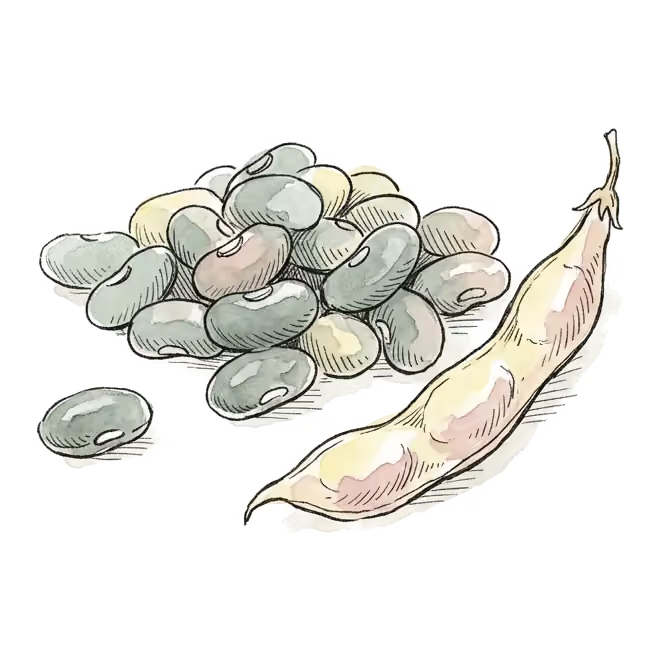
Black Beans (Phaseolus vulgaris)
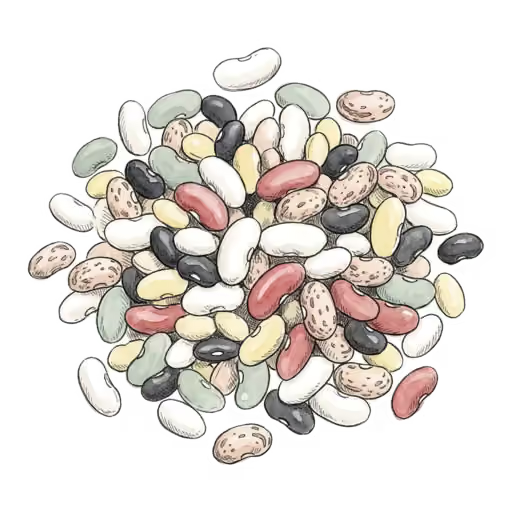
Phaseolus vulgaris · also known as black turtle beans, frijoles negros, turtle beans
By Superfoods Advisor Editors·July 3, 2026
Black beans vs pinto beans compared, plus black beans nutrition and benefits: 8.9 g protein and 8.7 g fiber per 100 g cooked, and what studies show.
Black beans (Phaseolus vulgaris), also called turtle beans, are a variety of the common bean with a black, anthocyanin-rich seed coat. Per 100 g cooked they provide about 132 kcal, 8.9 g protein and 8.7 g fiber. Compared with pinto beans, the same species, black beans have slightly fewer calories and more magnesium; pinto beans have more folate and potassium.
The common bean was domesticated independently in Mesoamerica and the Andes, with genetic evidence pointing to the Oaxaca valley as the Mesoamerican center (Bitocchi et al., 2013), and subsequently spread throughout North and South America before European contact. Black beans became a dietary cornerstone across Latin America and the Caribbean, where they remain central to national cuisines from Brazil (feijoada) to Cuba (moros y cristianos). They are now grown commercially in the Americas, Africa, and South Asia, and rank among the most widely consumed legumes worldwide.
Nutritionally, black beans represent an inexpensive, shelf-stable source of plant protein, complex carbohydrate, and dietary fiber. Their dark seed coat imparts a high concentration of anthocyanins, which gives the beans both their characteristic color and a distinct polyphenol profile compared to lighter-colored common bean varieties. The general beans entry covers the whole Phaseolus group.
Evidence at a glance
Active Compounds
Black beans contain several classes of bioactive constituents beyond their macronutrient content:
- Resistant starch (RS3): Cooked and cooled black beans contain substantial retrograded resistant starch — starch that resists digestion in the small intestine and is fermented by colonic microbiota into short-chain fatty acids (SCFAs), particularly butyrate. RS content increases further with cooling after cooking.
- Dietary fiber (mixed): Both soluble (mucilage, pectin-like polysaccharides) and insoluble fiber fractions are present. Soluble fiber may attenuate postprandial glucose and cholesterol response; insoluble fiber supports transit time and fecal bulk.
- Anthocyanins: The black seed coat contains delphinidin, malvidin, and petunidin glycosides, with delphinidin-3-glucoside the most abundant in one analysis of Mexican black bean seed coats (Fonseca Hernández et al., 2023); concentrations vary widely by cultivar. These pigments are potent radical scavengers in vitro, but little intact anthocyanin reaches the bloodstream; in a human tracer study of a related anthocyanin (cyanidin-3-glucoside), most of the absorbed dose circulated as breakdown metabolites rather than the parent compound (Czank et al., 2013).
- Polyphenols (non-anthocyanin): Proanthocyanidins (condensed tannins) and hydroxycinnamic acids (ferulic, chlorogenic) contribute to overall phenolic content. A study of black bean genotypes grown in four environments found the seed-coat anthocyanins were mainly delphinidin, with less petunidin and malvidin, and detected no flavonols in the seed coat (Marles et al., 2010).
- Saponins: Group B soyasaponins have been identified in common bean seeds (Bianco et al., 2018). Saponins are proposed to reduce intestinal cholesterol absorption by forming insoluble complexes with cholesterol; their bioavailability is low, and human clinical evidence is sparse.
- Phytic acid (phytate): Binds divalent minerals (iron, zinc, calcium), reducing their bioavailability. Soaking, sprouting, and cooking reduce phytate content significantly.
- Lectins (phytohemagglutinin): Present in raw black beans at concentrations that are toxic if the beans are eaten raw or undercooked. Proper cooking (full boiling) denatures lectins to safe levels.
- Folate (vitamin B9): Black beans are among the richest plant sources of dietary folate.
Nutritional Profile
Values are approximate per 100 g of black beans, boiled without salt (USDA FoodData Central):
| Nutrient | Amount | % DV |
|---|---|---|
| Energy | 132 kcal | — |
| Protein | 8.9 g | — |
| Total fat | 0.5 g | — |
| Carbohydrate | 23.7 g | — |
| Dietary fiber | 8.7 g | — |
| Folate | 149 µg | 37% |
| Iron | 2.1 mg | 12% |
| Magnesium | 70 mg | 17% |
| Phosphorus | 140 mg | 11% |
| Potassium | 355 mg | 8% |
| Zinc | 1.1 mg | 10% |
| Thiamin (B1) | 0.24 mg | 20% |
Black beans contain approximately 8.7 g of dietary fiber per 100 g cooked, representing about 31% of the US daily value. Their glycemic index is low: the two cooked black bean entries in the international GI tables measured 20 and 30 (Atkinson et al., 2008). Fiber, resistant starch, and protein are thought to slow glucose absorption.
Black Beans vs Pinto Beans
Black and pinto beans are two varieties of the same species, and their nutrition differs only modestly. Per 100 g cooked, black beans are slightly lower in calories and carbohydrate and higher in magnesium; pinto beans are higher in folate, potassium and fiber (USDA FoodData Central: black, pinto).
| Per 100 g, boiled | Black beans | Pinto beans |
|---|---|---|
| Energy | 132 kcal | 143 kcal |
| Protein | 8.9 g | 9.0 g |
| Carbohydrate | 23.7 g | 26.2 g |
| Dietary fiber | 8.7 g | 9.0 g |
| Folate | 149 µg | 172 µg |
| Iron | 2.1 mg | 2.1 mg |
| Magnesium | 70 mg | 50 mg |
| Potassium | 355 mg | 436 mg |
The clearer difference is in the seed coat. Black beans carry anthocyanins (mainly delphinidin glycosides), which pinto beans do not carry in comparable amounts; pinto beans contain kaempferol and quercetin glycosides instead. Whether that difference matters for health in people is unknown, since little intact anthocyanin reaches the bloodstream. In the kitchen, black beans hold their shape better, while pinto beans turn creamy and are the usual choice for refried beans.
Evidence for Purported Benefits
Glycemic Control and Insulin Response
Evidence:Limited One 3-month RCT of mixed legumes lowered HbA1c; a cohort meta-analysis found no link with diabetes risk. Results conflict.
Black beans are a low-glycemic food, but evidence that eating them improves diabetes outcomes is limited and comes mostly from mixed-legume studies. Observational evidence on legumes and diabetes risk is mixed: a meta-analysis of 15 prospective cohorts found no significant association between total legume intake and incident type 2 diabetes (Tang et al., 2020). In a 3-month randomized trial in 121 adults with type 2 diabetes (Jenkins et al., 2012, Archives of Internal Medicine), a low-glycemic-index diet that added at least one cup of legumes per day lowered HbA1c by 0.5 percentage points, compared with 0.3 points on a high wheat-fiber diet. Legumes in that trial were mixed (beans, chickpeas, lentils), not black beans alone. Proposed mechanisms involve fiber, resistant starch, and protein acting together to slow gastric emptying and glucose absorption. Studies are generally short-term; long-term glycemic outcomes require further investigation.
LDL Cholesterol and Cardiovascular Risk Markers
Evidence:Moderate A meta-analysis of 26 RCTs of mixed pulses found about 5% lower LDL; black-bean-specific data are scarce.
A meta-analysis of 26 randomized trials (Ha et al., 2014, CMAJ) found that diets providing about one serving of pulses per day (median 130 g) lowered LDL cholesterol by 0.17 mmol/L (roughly 5%) compared with control diets. Separately, a meta-analysis of prospective cohorts (Afshin et al., 2014, American Journal of Clinical Nutrition) associated each four weekly 100 g servings of legumes with about 14% lower risk of ischemic heart disease, but found no significant association with stroke or diabetes; these are observational associations. Soluble fiber and saponins are among the proposed mechanisms. Most studies used mixed legume interventions rather than black beans exclusively, so cultivar-specific effect sizes are uncertain. Reductions, where observed, were modest and may contribute to lower cardiovascular risk only as part of an overall dietary pattern.
Gut Microbiome and Colon Health
Evidence:Lab & animal only Mouse data show more fermenting bacteria and SCFAs; human microbiome data for black beans are lacking.
The resistant starch and fermentable fiber in black beans serve as substrates for colonic fermentation. In mice, a black bean diet increased carbohydrate-fermenting bacteria such as Prevotella and Ruminococcus flavefaciens and raised SCFA production (Monk et al., 2017); comparable human data are limited. Butyrate, in particular, is the primary energy source for colonocytes and has been associated with reduced colonic inflammation in preclinical models. Evidence linking legume intake to colorectal cancer risk is observational, and black-bean-specific data are lacking.
Antioxidant and Anti-inflammatory Activity
Evidence:Preliminary One pilot crossover in 12 adults found a better post-meal antioxidant and insulin response; other data are in vitro.
The anthocyanin-rich seed coat produces high in vitro radical-scavenging activity. A pilot crossover study in 12 adults with metabolic syndrome (Reverri et al., 2015, Nutrients) found that adding black beans to a Western-style meal lowered the postprandial insulin response and moderately improved plasma antioxidant capacity over five hours compared with a fiber-matched control meal. Whether these acute changes translate to reduced oxidative stress or inflammation biomarkers with habitual consumption requires larger, longer trials.
Typical Use and Preparation
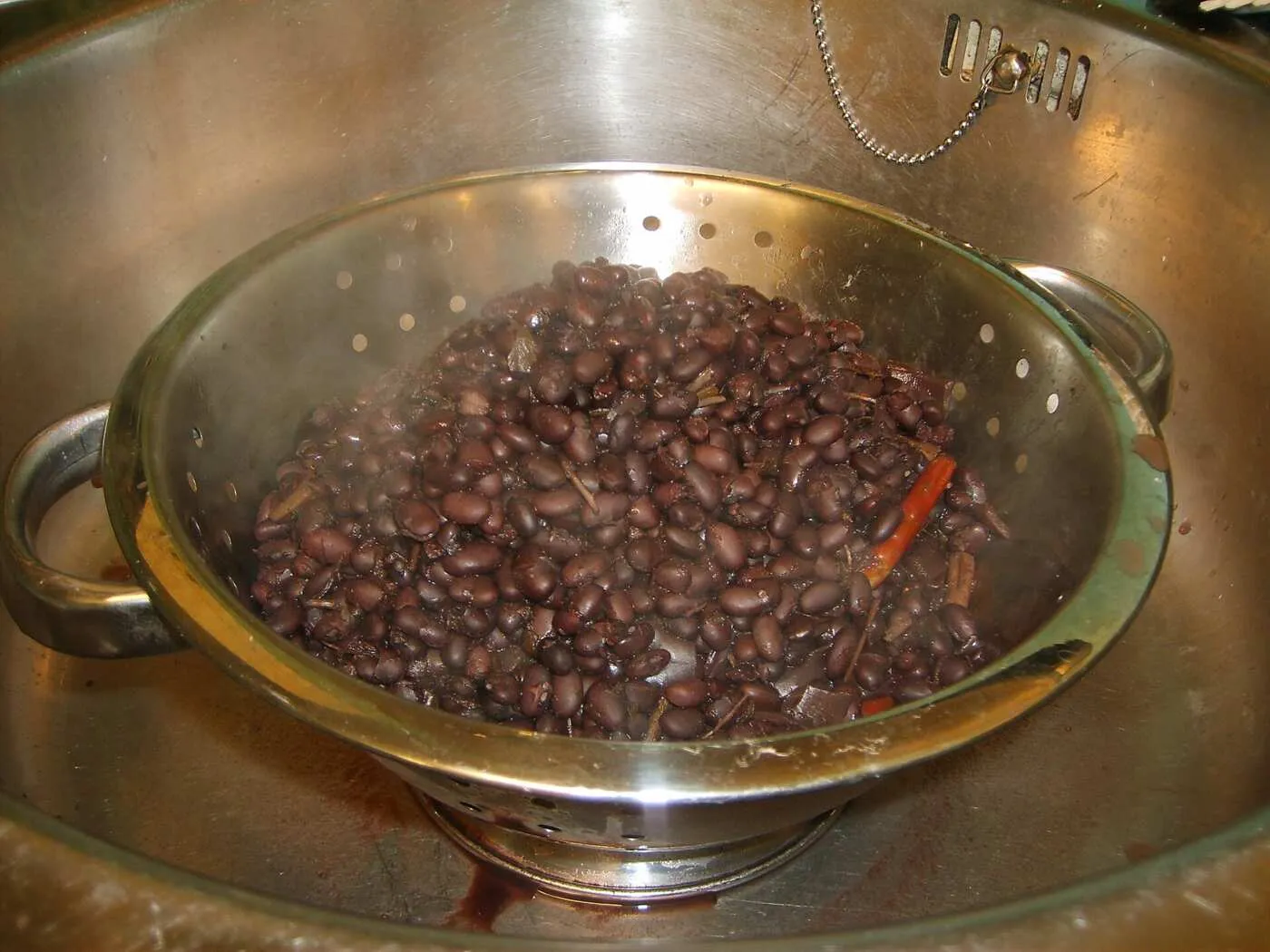 Photo: Father.Jack from Coventry, UK, CC BY 2.0, via Wikimedia Commons
Soaking: Dry black beans should be rinsed, then soaked in 3–4 times their volume of cold water for 8–12 hours (or using the quick-soak method: boil for 2 minutes, then soak 1 hour). Discarding soaking water and rinsing before cooking reduces oligosaccharide content (thereby reducing flatulence potential), phytic acid, and some lectins.
Cooking: After soaking, simmer in fresh water for 45–90 minutes until tender. Pressure cooking reduces cooking time to 20–25 minutes and further reduces lectins and phytates.
Canned black beans: Commercially canned beans are pre-cooked and safe to eat directly. Draining and rinsing canned beans significantly reduces their sodium content (Duyff et al., 2011). Resistant starch content in canned beans may be lower than home-cooked and cooled beans.
FODMAP considerations: Black beans contain galacto-oligosaccharides (GOS), a FODMAP that may trigger bloating, gas, and abdominal discomfort in individuals with irritable bowel syndrome (IBS) or other functional gastrointestinal disorders. Thorough soaking and cooking reduces but does not eliminate FODMAPs. The Monash University FODMAP app lists about 40 g (roughly 2 to 3 tablespoons) of canned, drained black beans as a low-FODMAP serving.
Resistant starch: Cooking and then refrigerating black beans for 24 hours before consumption increases RS3 resistant starch content through retrogradation and may modestly lower the glycemic response relative to freshly cooked beans.
The plant-based protein guide compares black beans with lentils and chickpeas as protein sources, and the blood sugar superfoods guide covers legumes alongside other foods studied for glucose control.
Safety, Interactions, and Contraindications
Lectin toxicity from raw or undercooked beans: Raw black beans and beans cooked at temperatures below boiling (e.g., slow cooker set to low without a prior boil) may retain toxic concentrations of phytohemagglutinin. Symptoms include nausea, vomiting, and diarrhea, usually beginning within 1–3 hours of consumption (FDA Bad Bug Book). In one study, boiling at 100 °C for 10 minutes destroyed the toxin; the FDA advises boiling for at least 30 minutes to be sure. This is avoided by any standard cooking method that brings beans to a full boil.
Purine content and gout: Black beans contain moderate amounts of purines. Individuals with gout or hyperuricemia should consult a physician or registered dietitian regarding legume intake, although in a 12-year cohort of 47,150 men, higher meat and seafood intake was associated with gout while purine-rich vegetables (a group that included beans) were not (Choi et al., 2004). Among people who already have gout, however, purine intake from plant sources was still weakly associated with recurrent attacks, though far less than animal purines (Zhang et al., 2012).
Iron bioavailability (non-heme): The iron in black beans is non-heme iron, which has lower bioavailability than heme iron from animal sources. Consuming black beans with vitamin C-rich foods increases non-heme iron absorption. Phytic acid and polyphenols in the beans themselves inhibit iron absorption, as shown in iron-isotope studies in women (Petry et al., 2010); these effects are partially mitigated by soaking and cooking.
Kidney disease: Patients with chronic kidney disease (CKD) requiring potassium or phosphorus restriction should discuss legume intake with their nephrologist, as black beans are moderate-to-high in both minerals.
Drug interactions: High fiber intake from any source may theoretically slow absorption of orally administered drugs if taken simultaneously; taking medications apart from high-fiber meals is a common precaution.
Frequently Asked Questions
Are black beans or pinto beans healthier?
Neither is clearly healthier. Per 100 g cooked, both have about 9 g protein and 9 g fiber. Black beans have fewer calories and more magnesium plus anthocyanin pigments in the skin; pinto beans have more folate and potassium. Health studies mostly test mixed legumes rather than one variety, so choose by taste and texture.
Do black beans have protein?
Yes. Cooked black beans provide about 8.9 g protein per 100 g, roughly 15 g per cup. Bean protein is usually described as rich in lysine but low in the sulfur amino acids methionine and cysteine, which is the traditional logic behind eating black beans with a grain over the day, as in rice and beans.
Are black beans good for diabetics?
Black beans have a low glycemic index (20 and 30 in the international GI tables) and are high in fiber, so they raise blood glucose slowly. In a 3-month trial in type 2 diabetes, a low-glycemic diet with at least 1 cup of mixed legumes daily lowered HbA1c by 0.5 points. Anyone managing diabetes should plan diet changes with their care team.
Can black beans cause diarrhea or gas?
They can. Their galacto-oligosaccharides are fermented in the colon and can cause gas and bloating, especially in people with IBS. Undercooked beans are a different problem: raw lectins can cause vomiting and diarrhea within 1–3 hours. A full boil prevents this, and canned black beans are already cooked.
How many black beans is a serving?
No official black-bean amount exists; nutrition labels and recipes often use ½ cup of cooked beans as a serving. The pulse trials pooled in one meta-analysis used about one serving a day, with a median of 130 g, to reach a roughly 5% drop in LDL cholesterol. People unused to beans often start with less and increase gradually to limit gas.
References
Show all 20 referencesShow fewer
- Jenkins, D. J. A., et al. (2012). Effect of legumes as part of a low glycemic index diet on glycemic control and cardiovascular risk factors in type 2 diabetes mellitus. Archives of Internal Medicine, 172(21), 1653–1660.
- Afshin, A., et al. (2014). Consumption of nuts and legumes and risk of incident ischemic heart disease, stroke, and diabetes: a systematic review and meta-analysis. American Journal of Clinical Nutrition, 100(1), 278–288.
- Reverri, E. J., Randolph, J. M., Steinberg, F. M., et al. (2015). Black beans, fiber, and antioxidant capacity pilot study: examination of whole foods vs. functional components on postprandial metabolic, oxidative stress, and inflammation in adults with metabolic syndrome. Nutrients, 7(8), 6139–6154.
- USDA FoodData Central. Beans, black, mature seeds, cooked, boiled, without salt. FDC ID 173735. U.S. Department of Agriculture.
- Monash University FODMAP Diet App. Black beans (canned, drained). Monash University. (Serving data is published in the app only.)
- Ha, V., Sievenpiper, J. L., de Souza, R. J., et al. (2014). Effect of dietary pulse intake on established therapeutic lipid targets for cardiovascular risk reduction: a systematic review and meta-analysis of randomized controlled trials. CMAJ, 186(8), E252–E262.
- Bitocchi, E., et al. (2013). Molecular analysis of the parallel domestication of the common bean (Phaseolus vulgaris) in Mesoamerica and the Andes. New Phytologist, 197(1), 300–313.
- Fonseca Hernández, D., et al. (2023). Black and pinto beans (Phaseolus vulgaris L.) unique Mexican varieties exhibit antioxidant and anti-inflammatory potential. Food Research International, 169, 112816.
- Atkinson, F. S., Foster-Powell, K., & Brand-Miller, J. C. (2008). International tables of glycemic index and glycemic load values: 2008. Diabetes Care, 31(12), 2281–2283.
- Duyff, R. L., Mount, J. R., & Jones, J. B. (2011). Sodium reduction in canned beans after draining, rinsing. Journal of Culinary Science & Technology, 9(2), 106–112.
- U.S. Food and Drug Administration. (2012). Bad Bug Book, 2nd ed.: Phytohaemagglutinin (kidney bean lectin).
- Tang, J., et al. (2020). Legume and soy intake and risk of type 2 diabetes: a systematic review and meta-analysis of prospective cohort studies. American Journal of Clinical Nutrition, 111(3), 677–688.
- Czank, C., et al. (2013). Human metabolism and elimination of the anthocyanin, cyanidin-3-glucoside: a 13C-tracer study. American Journal of Clinical Nutrition, 97(5), 995–1003.
- Bianco, G., et al. (2018). Determination of soyasaponins in Fagioli di Sarconi beans (Phaseolus vulgaris L.) by LC-ESI-FTICR-MS and evaluation of their hypoglycemic activity. Analytical and Bioanalytical Chemistry, 410(5), 1561–1569.
- Monk, J. M., et al. (2017). Navy and black bean supplementation primes the colonic mucosal microenvironment to improve gut health. Journal of Nutritional Biochemistry, 49, 89–100.
- Choi, H. K., et al. (2004). Purine-rich foods, dairy and protein intake, and the risk of gout in men. New England Journal of Medicine, 350(11), 1093–1103.
- Petry, N., et al. (2010). Polyphenols and phytic acid contribute to the low iron bioavailability from common beans in young women. Journal of Nutrition, 140(11), 1977–1982.
- Marles, M. A., et al. (2010). Differential accumulation of polyphenolics in black bean genotypes grown in four environments. Journal of Agricultural and Food Chemistry, 58(11), 7001–7006.
- Zhang, Y., et al. (2012). Purine-rich foods intake and recurrent gout attacks. Annals of the Rheumatic Diseases, 71(9), 1448–1453.
- USDA FoodData Central. Beans, pinto, mature seeds, cooked, boiled, without salt. FDC ID 175200.
Related content
More in Grains & Legumes
- Amaranth (Amaranthus spp.)
Amaranth benefits and nutrition: a gluten-free pseudocereal high in lysine, manganese and iron, what human studies show, and its side effects.
- Beans (Phaseolus spp.)
Beans benefits and nutrition: protein, fiber, folate and resistant starch in navy, pinto, black and kidney beans, what studies show, and side effects.
- Brown Rice (Oryza sativa)
Brown rice vs white rice: brown keeps the bran, with 4x the fiber and 3x the magnesium, a slightly lower GI and more arsenic. Benefits and evidence.
- Buckwheat (Fagopyrum esculentum)
Is buckwheat gluten free? Yes: it is a seed unrelated to wheat. Buckwheat nutrition, rutin, glycemic index, benefits, allergy and side effects.
- Chickpeas (Cicer arietinum)
Chickpeas (garbanzo beans) benefits and nutrition: 8.9 g protein, 7.6 g fiber and 43% DV folate per 100 g, a GI near 28, what studies show, side effects.
- Edamame (Glycine max)
Is edamame good for you? These young soybeans give 11.9 g complete protein, 5.2 g fiber and 78% DV folate per 100 g. Benefits, downsides and safety.

Curated by Superfoods Advisor Editors·Last updated