Superfoods for Blood Sugar and Metabolic Health: What the Evidence Actually Shows
By Superfoods Advisor Editors·July 4, 2026

Foods for insulin resistance and blood sugar: what trials found for oats, legumes, nuts, olive oil, vinegar, cinnamon and six more foods.
The foods with the most consistent trial evidence for blood sugar and insulin resistance are oats, beans and lentils, nuts, and extra-virgin olive oil eaten within a Mediterranean-style pattern. Vinegar with meals blunts post-meal glucose in small trials, while cinnamon, berries, and green tea show smaller or less consistent effects. None replaces diabetes medication.
About 40 million Americans have diabetes, most of it type 2, and an estimated 115 million adults meet the criteria for prediabetes, according to CDC surveillance data. This guide separates the foods with controlled-trial evidence from the ones running on reputation, and gives the effect sizes reported in trials of people with type 2 diabetes or prediabetes.
Why Does Diet Have Such a Strong Effect on Blood Sugar?
Blood glucose is regulated by a feedback loop between dietary carbohydrate load, pancreatic insulin secretion, and peripheral insulin sensitivity in muscle, liver, and adipose tissue. Foods influence this loop in three distinct ways: by slowing carbohydrate absorption (soluble fiber, vinegar, protein, fat), by improving insulin sensitivity over weeks of intake (polyphenols, monounsaturated fats, magnesium), and, in laboratory and animal studies, by reducing hepatic glucose output (specific plant compounds like cinnamaldehyde and chlorogenic acid).
A 2019 series of systematic reviews and meta-analyses in The Lancet by Reynolds and colleagues examined 185 prospective studies and 58 clinical trials and found that the highest fiber consumers had a 15-30% lower incidence of several chronic diseases, type 2 diabetes among them, than the lowest consumers, with the greatest risk reduction at 25-29 g/day (PubMed, 2019). The certainty of that evidence was graded moderate. The evidence for specific foods below fits within that broader fiber-and-polyphenol framework.
Does Cinnamon Actually Lower Blood Sugar?
Cinnamon contains cinnamaldehyde and methylhydroxychalcone polymer (MHCP), and in cell and enzyme studies cinnamon extracts and MHCP triggered insulin receptor phosphorylation and inhibited PTP-1, a rat counterpart of protein tyrosine phosphatase 1B, a negative regulator of insulin signaling (Imparl-Radosevich et al., 1998; Jarvill-Taylor et al., 2001). Cassia cinnamon (Cinnamomum cassia) carries far more coumarin than Ceylon cinnamon (C. verum), and coumarin is hepatotoxic at high doses.
The most widely sold type, cassia (Chinese) cinnamon, carries a tradeoff: it is high in coumarin, which is why the European Food Safety Authority set a tolerable daily intake of 0.1 mg coumarin per kg body weight (Abraham et al., 2010).
Trials have used doses from 120 mg to 6 grams per day for 4-18 weeks. The most consistent effect is on fasting glucose. In the Allen meta-analysis, pooled lipid results also favored cinnamon (lower total cholesterol, LDL, and triglycerides; slightly higher HDL), though heterogeneity was high for every outcome except HDL (Allen et al., 2013). Cinnamon is not a substitute for glucose-lowering medication in diagnosed type 2 diabetes; as an adjunct, it has a plausible mechanism and a small-to-moderate effect size.
What Does Apple Cider Vinegar Do to Postprandial Glucose?
The acetic acid in vinegar appears to slow gastric emptying, which a small crossover study in healthy adults proposed as the reason for a lower glucose response to a starchy meal (Liljeberg and Björck, 1998); in intestinal cell cultures, it also suppressed disaccharidase activity (Ogawa et al., 2000). A 2017 meta-analysis by Shishehbor and colleagues pooled controlled trials and found significantly lower postprandial glucose and insulin responses when vinegar was taken with a meal (PubMed, 2017). Long-term HbA1c evidence is thinner: a small 12-week report (Johnston, 2009) found HbA1c fell 0.16% with daily vinegar but rose with pickle or vinegar-pill use (PubMed, 2009), and a 2018 meta-analysis of small trials in people with diabetes estimated a 0.39% HbA1c reduction after 8-12 weeks (PubMed, 2018).
Practical use: a small amount diluted in water, taken immediately before a high-carbohydrate meal. Acetic acid is corrosive to tooth enamel and esophageal tissue when consumed undiluted or in excess. Small effect on fasting glucose over weeks; more pronounced effect on individual meal responses.
How Do Chia Seeds and Soluble Fiber Affect Glycemic Control?
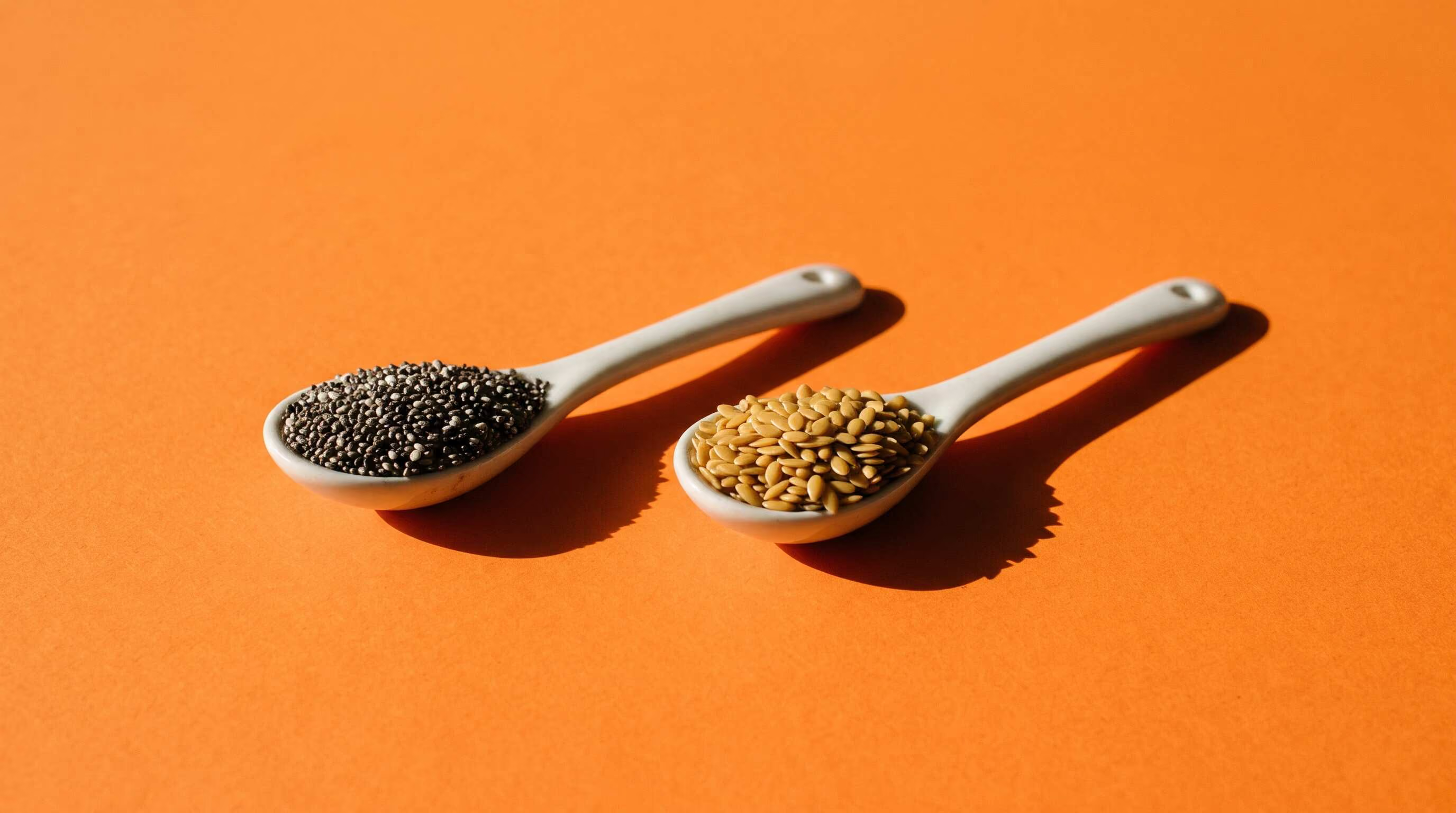
Viscous soluble fiber forms a gel in the small intestine, slowing carbohydrate absorption and reducing postprandial glucose peaks. Chia seeds provide roughly 10 grams of fiber per ounce (USDA FoodData Central), part of it as soluble mucilage. Psyllium, glucomannan, and beta-glucan from oats all operate on the same mechanism.
A 2017 RCT by Vuksan and colleagues in Nutrition, Metabolism and Cardiovascular Diseases enrolled 77 overweight adults with type 2 diabetes over 6 months. On a calorie-restricted diet, participants taking Salba-chia (30 g/1000 kcal) lost 1.9 kg versus 0.3 kg on an oat bran-based control, and C-reactive protein fell 39% versus 7%, while glycemic control stayed stable in both groups (PubMed, 2017). The effect sizes are modest.
Chia seeds also deliver alpha-linolenic acid, magnesium (95 mg per ounce, per USDA FoodData Central), and polyphenols including caffeic acid and rosmarinic acid. Magnesium deficiency is common in type 2 diabetes and is linked to impaired insulin signaling (Barbagallo and Dominguez, 2015), giving chia a plausible secondary mechanism beyond fiber alone.
Why Are Oats and Beta-Glucan Effective for Metabolic Syndrome?
Oats contain beta-glucan, a soluble fiber with an unusually strong body of evidence for glycemic and cardiovascular effects. The FDA authorized a health claim for oat beta-glucan and coronary heart disease risk reduction in 1997, based on cholesterol-lowering data (21 CFR 101.81). The glycemic evidence has since caught up, as the He et al. meta-analysis above shows for whole oats.
Beta-glucan viscosity is what matters. Instant oats and processed oat products lose some of that viscosity through smaller particle size and heat processing. In a systematic review of glycemic index tests, quick-cooking and instant oats produced significantly higher glucose responses than large-flake oats, while steel-cut oats tested in the low-to-medium range (Tosh and Chu, 2015). A daily intake of 3 grams of beta-glucan is the threshold in the FDA cholesterol claim (21 CFR 101.81) and may be enough for the glycemic effect as well.
What About Legumes, Beans, and Lentils?
Beans, lentils, chickpeas, and split peas combine slowly-digested resistant starch, soluble fiber, plant protein, and a favorable amino acid profile. Their glycemic index is among the lowest of any staple carbohydrate: about 32 for lentils, 28 for chickpeas, and 24 for kidney beans in the international GI tables (Atkinson et al., 2008). A 2009 meta-analysis of 41 trials by Sievenpiper and colleagues (Diabetologia) found that pulses lowered fasting glucose and, as part of low-GI or high-fiber diets, HbA1c or fructosamine, though heterogeneity between trials was high (PubMed, 2009).
The Jenkins 2012 trial is notable because it isolated legumes specifically against a well-designed active control (whole wheat), rather than against a low-fiber baseline. The legume diet’s advantage over that active control was 0.2 percentage points of HbA1c, a modest but real difference for a food-only change. Practical intake: 1 cup cooked legumes daily.
Do Berries and Polyphenols Improve Insulin Sensitivity?
Berries deliver anthocyanins, flavonols, and ellagic acid, polyphenols with documented effects on postprandial glucose and endothelial function. Blueberries, strawberries, blackberries, raspberries, and tart cherries have all been evaluated in trials. A 2020 narrative review by Kalt et al. in Advances in Nutrition concluded that observational studies link regular blueberry and anthocyanin intake with lower type 2 diabetes risk and that clinical biomarker studies support benefits for glucoregulatory function, while noting that more human clinical evidence is needed (PubMed, 2020).
A 2010 double-blind RCT by Stull et al. (Journal of Nutrition) in 32 obese, nondiabetic, insulin-resistant adults found that a smoothie containing blueberry bioactives twice daily for 6 weeks improved insulin sensitivity, measured by hyperinsulinemic-euglycemic clamp, more than a placebo smoothie (PubMed, 2010). In laboratory and animal studies, the proposed polyphenol mechanisms include inhibition of intestinal alpha-glucosidase, activation of AMPK in muscle and liver, and reduction of oxidative stress on beta cells.
Berries may pair well with higher-carbohydrate meals: in a small crossover trial in 12 healthy adults, a berry purée eaten with sucrose lowered the early glucose peak compared with sucrose alone, though the 3-hour glucose total did not differ (Törrönen et al., 2010). A cup of fresh berries provides roughly 50-85 calories and 3-8 grams of fiber, depending on the berry (blueberries highest in calories, strawberries lowest in fiber, raspberries highest; USDA FoodData Central), making them one of the more nutrient-dense carbohydrate sources.
How Do Leafy Greens Fit into Metabolic Health?
A 2010 systematic review by Carter and colleagues in BMJ pooled 6 prospective cohort studies, 4 of which reported green leafy vegetables separately, and found that greater intake of green leafy vegetables was associated with a 14% lower risk of type 2 diabetes; fruit and total vegetables showed no significant association (PubMed, 2010). Spinach, kale, chard, and collard greens deliver magnesium, vitamin K, folate, and nitrates without meaningful carbohydrate load.
Magnesium is one proposed mediator. Low intracellular magnesium impairs insulin receptor tyrosine kinase activity, and magnesium supplementation improved metabolic profiles in most, but not all, clinical studies in people with diabetes (Barbagallo and Dominguez, 2015). A cup of cooked spinach provides about 157 mg of magnesium (USDA FoodData Central), more than a third of the 420 mg Daily Value. Leafy greens don’t produce dramatic single-meal effects on glucose, but higher intake has been associated with lower diabetes risk in pooled cohort data.
Are Nuts, Especially Almonds, Effective for Glycemic Control?
Almonds have been tested directly for postprandial glucose. In a small dose-response study by Josse, Jenkins and colleagues in 9 healthy volunteers, adding 30, 60, or 90 grams of almonds to a white bread meal lowered the glycemic index of the meal in a dose-dependent way, to about 63 at 60 grams and 45 at 90 grams (PubMed, 2007). The mechanism combines protein and fat displacing carbohydrate, magnesium content (76 mg per ounce, per USDA FoodData Central), and cell-wall encapsulation of intracellular lipids that limits caloric absorption.
Nuts also matter for cardiovascular risk, the main concern in type 2 diabetes. In the PREDIMED trial of adults at high cardiovascular risk, the Mediterranean diet supplemented with 30 g of mixed nuts daily was associated with a 28% lower rate of major cardiovascular events than a low-fat control diet (PubMed, 2018). Practical intake: 1-2 ounces of tree nuts daily, unsalted, with meals or as a snack replacing refined carbohydrate.
A frequently overlooked finding from Novotny et al. (American Journal of Clinical Nutrition, 2012) is that whole almonds delivered about 129 kcal per 28 g serving in a controlled feeding study, roughly a quarter fewer than the 168-170 kcal the Atwater factors predict (PubMed, 2012). Cell walls that resist digestion and encapsulate lipids are the likely reason, which may partly explain why regular nut intake does not produce the weight gain that pure caloric accounting would predict.
What Does the PREDIMED Trial Tell Us About Olive Oil?
Extra-virgin olive oil delivers oleocanthal, oleuropein, and hydroxytyrosol alongside monounsaturated fat. These polyphenols show anti-inflammatory activity in laboratory studies (oleocanthal inhibits the same COX enzymes as ibuprofen in vitro; Beauchamp et al., 2005). The roughly 40% reduction in new diabetes in the PREDIMED olive oil arm comes from a secondary analysis, so it is supportive rather than definitive.
Quality matters. “Light” olive oil, refined olive oil, and pomace oil lose the polyphenol content that may contribute to the metabolic benefit. Extra-virgin olive oil is the form PREDIMED used; in the PREDIMED-Reus arm, the olive oil group was supplied 1 liter a week (Salas-Salvadó et al., 2011). Practical intake: a few tablespoons a day, used as dressing or finishing oil rather than for high-heat frying.
Does Green Tea and EGCG Improve Insulin Sensitivity?
Green tea contains epigallocatechin-3-gallate (EGCG), the most-studied catechin for metabolic effects. A 2013 meta-analysis by Liu et al. in the American Journal of Clinical Nutrition pooled 17 RCTs (1,133 participants) and found green tea or green tea extract reduced fasting glucose by 0.09 mmol/L and HbA1c by 0.30% (PubMed, 2013).
In laboratory studies, EGCG appears to inhibit alpha-amylase and alpha-glucosidase, activate AMPK in hepatocytes and skeletal muscle, and improve endothelial nitric oxide bioavailability. Effect sizes in trials are modest.
A caveat: the European Food Safety Authority concluded that supplement doses of 800 mg EGCG or more per day raised liver enzymes in clinical trials (EFSA, 2018). The same opinion judged catechins from traditionally brewed green tea generally safe at usual intakes, while noting rare, probably idiosyncratic cases of liver injury even after tea infusions. Extracts require more caution.
Fatty Fish and Fenugreek: Two Additional Foods Worth Including
Fatty fish (salmon, sardines, mackerel, herring) delivers long-chain omega-3 fatty acids EPA and DHA. A Cochrane review of 23 trials of omega-3 supplementation in type 2 diabetes found lower triglycerides but no significant change in HbA1c or fasting glucose (Hartweg et al., 2008). The case for fatty fish rests mainly on observational links between fish intake and lower cardiovascular risk, the leading cause of death in type 2 diabetes; supplements have not confirmed it, as 1 g/day of omega-3 capsules did not reduce serious vascular events in the ASCEND trial of 15,480 adults with diabetes (ASCEND Study Collaborative Group, 2018).
Fenugreek seeds contain 4-hydroxyisoleucine, an amino acid that potentiated glucose-dependent insulin secretion in isolated rat and human islets (Sauvaire et al., 1998), and galactomannan fiber that slows gastric emptying. A 2014 meta-analysis by Neelakantan and colleagues in Nutrition Journal pooled 10 clinical trials and found fenugreek reduced fasting blood glucose by 0.96 mmol/L and, across just 3 trials, HbA1c by 0.85%. Significant effects on fasting glucose appeared only at medium or high doses in people with diabetes, and most of the trials were of low methodological quality (PubMed, 2014).
Fenugreek doses in those trials ranged from 1 to 100 grams of seed daily; no effect was seen below about 5 grams, and acute studies used 5-25 grams of seed powder (Neelakantan et al., 2014). The bitter taste limits palatability at higher doses. Fenugreek may add to the effect of glucose-lowering medications, so anyone on antidiabetic drugs should consult their physician before adding it.
| Food intervention | HbA1c reduction |
|---|---|
| Cinnamon | 0.16% (not statistically significant) |
| Green tea | 0.30% |
| Legumes (low-GI diet) | 0.5% (0.2% more than a whole-wheat control) |
| Fenugreek | 0.85% (3 small trials) |
Source: Allen 2013, Jenkins 2012, Liu 2013, Neelakantan 2014.
How Should You Combine These Foods in Practice?
Additive effects across foods are plausible but not directly tested in factorial trials. The PREDIMED design suggests that food patterns (Mediterranean + olive oil, or Mediterranean + nuts) outperform single-food interventions, but no trial has yet compared a “maximally stacked” superfood diet against a standard Mediterranean baseline.
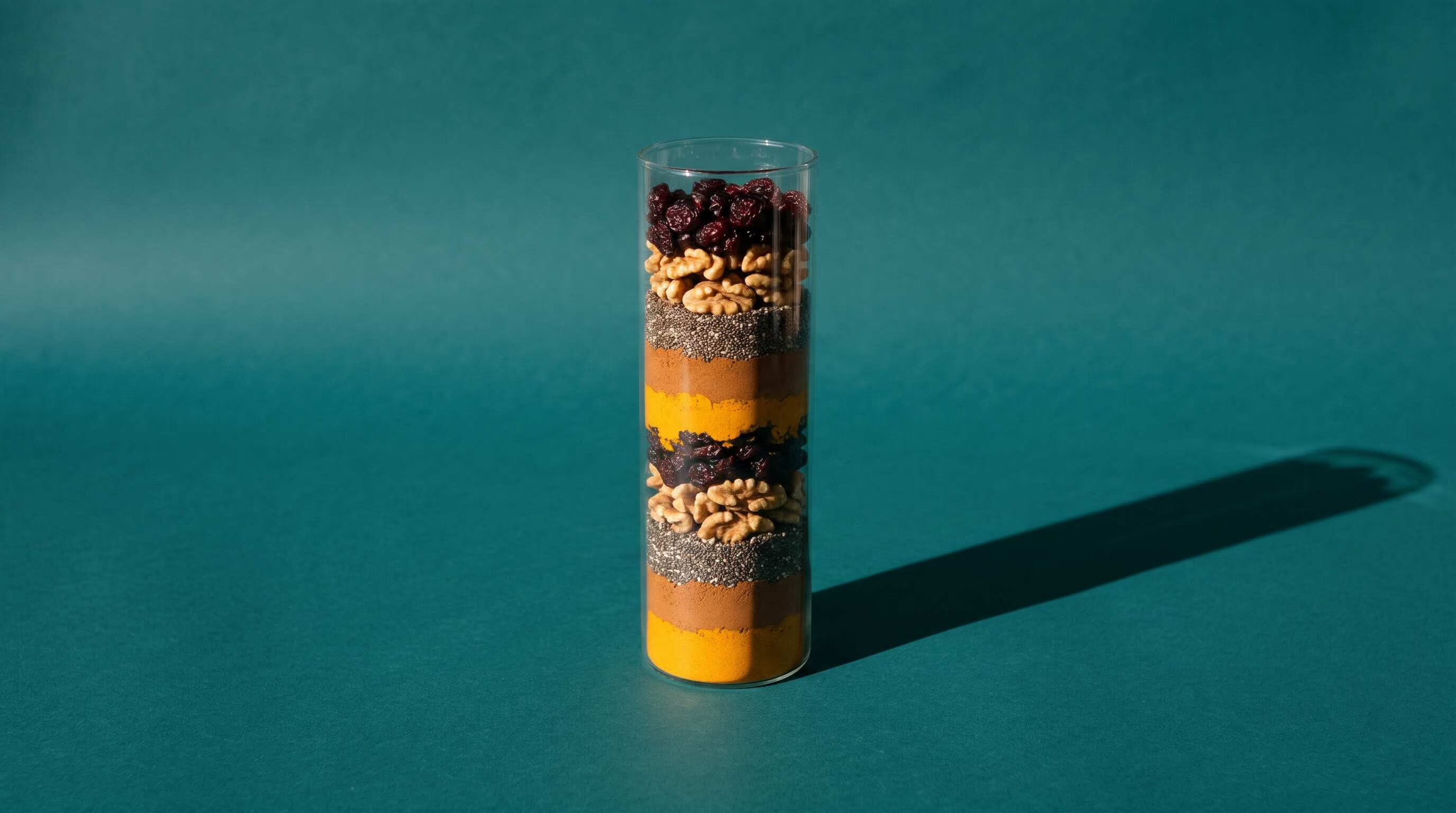
Practical stacking is straightforward. A breakfast of steel-cut oats with berries and a tablespoon of chia seeds. A lunch built on lentils or beans with leafy greens and extra-virgin olive oil. A dinner featuring fatty fish or a legume main with vegetables. Snacks based on almonds or other tree nuts. Green tea throughout the day. Cinnamon in oats or coffee. This pattern approximates the PREDIMED intervention and combines most of the mechanisms described above.
For anyone with diagnosed type 2 diabetes or prediabetes, these foods are adjuncts to, not substitutes for, medical management. Metformin, GLP-1 agonists, and SGLT2 inhibitors have effect sizes that exceed any single food. Diet works alongside those tools, not in place of them. Continuous glucose monitors have made it easy to see individual meal responses and personalize the pattern within these evidence-based options.
Frequently Asked Questions
What foods help with insulin resistance?
Foods rich in soluble fiber, unsaturated fat, and polyphenols have the most support: oats, beans and lentils, nuts, extra-virgin olive oil, and berries. In one small trial, a blueberry smoothie taken twice daily for 6 weeks improved insulin sensitivity measured by clamp in insulin-resistant adults. Effects in trials come from regular intake over weeks, and they work best as part of an overall dietary pattern rather than as single foods.
Is the Mediterranean diet good for insulin resistance?
The best trial data point that way. In PREDIMED, 3,541 adults at high cardiovascular risk were randomized to a Mediterranean diet with extra-virgin olive oil, one with mixed nuts, or a low-fat control. Over a median 4.1 years, the olive oil arm had about 40% fewer new type 2 diabetes cases than control. That figure comes from a secondary analysis, so it is supportive rather than definitive.
What foods lower blood sugar after a meal?
Vinegar, soluble fiber, and pairing carbohydrates with protein or fat slow how fast glucose reaches the blood. Small trials found that vinegar taken just before a high-carbohydrate meal lowered the glucose and insulin response, and legumes have among the lowest glycemic index values of any staple carbohydrate, around 32 for lentils. No food lowers an already high reading quickly; anyone with symptoms of high or low blood sugar should follow their care plan.
Can these foods reverse type 2 diabetes?
Sustained remission of type 2 diabetes has been documented in trials combining significant weight loss with dietary change, most notably the DiRECT trial (Lean et al., The Lancet, 2018), in which 46% of participants in a primary care weight management program built on total diet replacement were in remission at one year, versus 4% of controls (PubMed, 2018). Individual foods discussed here support glycemic control but don’t independently produce remission. The combination of dietary pattern, weight management, physical activity, and medical care is what drives remission when it occurs.
How quickly do effects on blood sugar appear?
Postprandial effects (vinegar, chia, oats, almonds) appear within a single meal. HbA1c reflects the prior 8-12 weeks of blood glucose, so trial effects on HbA1c typically show up at the 12-week measurement. Trials have reported fasting glucose changes after as little as 4 weeks.
Is cinnamon safe to take daily?
Cinnamon is likely safe in the amounts commonly used in food, according to NCCIH, which also considers larger amounts of Ceylon cinnamon unsafe during pregnancy. Cassia cinnamon contains higher coumarin, which is hepatotoxic at cumulative doses. The European Food Safety Authority set a tolerable daily intake of 0.1 mg coumarin per kg body weight (7 mg for a 70 kg adult), a level heavy cassia users can reach (Abraham et al., 2010). Coumarin content varies widely between cassia samples, while Ceylon bark contains only traces (Wang et al., 2013), so Ceylon cinnamon does not carry the same coumarin constraint.
Do these foods interact with diabetes medications?
They may, especially fenugreek, cinnamon at high doses, and bitter melon. Additive glucose-lowering effects could produce low blood sugar when combined with sulfonylureas or insulin. Anyone on antidiabetic medication should coordinate dietary changes with their prescribing physician and monitor glucose more closely during transitions.
Are frozen berries as effective as fresh?
Probably comparable. Freezing preserves polyphenols well: in one study, frozen blueberries showed no significant loss of anthocyanins over three months of storage, whereas cabinet drying cut them by roughly 40-50% (Lohachoompol et al., 2004). No trial has compared the glycemic effects of frozen and fresh berries directly.
Conclusion
Twelve foods have trial or cohort evidence linking them to one or more markers of metabolic health: cinnamon, apple cider vinegar, chia seeds, oats, legumes, berries, leafy greens, almonds and tree nuts, extra-virgin olive oil, green tea, fatty fish, and fenugreek. Effect sizes range from small (cinnamon, green tea) to moderate (oats, legumes) to large in the context of dietary patterns (PREDIMED Mediterranean diet). None cure type 2 diabetes. Most have shown at least modest effects on a glycemic marker and can support glycemic control alongside standard medical care in prediabetes and type 2 diabetes; fatty fish is the exception, valued for cardiovascular rather than glycemic reasons.
The most defensible strategy is to build a food pattern around these ingredients rather than chase individual “super” effects. That pattern happens to match the Mediterranean diet closely, which is not a coincidence. The mechanisms overlap: soluble fiber, polyphenols, monounsaturated fat, and low-glycemic carbohydrate sources acting together on the same insulin-signaling and gut-absorption pathways.
Medical Disclaimer
The information in this article is for educational purposes only. It does not constitute medical advice, diagnosis, or treatment. Consult a qualified healthcare provider before making significant dietary changes, particularly if you take prescription medications for diabetes or another chronic condition. The statements on this site have not been evaluated by the Food and Drug Administration. Dietary interventions are not intended to diagnose, treat, cure, or prevent any disease.
References
Show all 42 referencesShow fewer
-
Allen RW, Schwartzman E, Baker WL, Coleman CI, Phung OJ. Cinnamon use in type 2 diabetes: an updated systematic review and meta-analysis. Annals of Family Medicine. 2013;11(5):452-459. PubMed
-
Johnston CS, Kim CM, Buller AJ. Vinegar improves insulin sensitivity to a high-carbohydrate meal in subjects with insulin resistance or type 2 diabetes. Diabetes Care. 2004;27(1):281-282. PubMed
-
Jenkins DJA, Kendall CWC, Augustin LSA, et al. Effect of legumes as part of a low glycemic index diet on glycemic control and cardiovascular risk factors in type 2 diabetes mellitus. Archives of Internal Medicine. 2012;172(21):1653-1660. PubMed
-
Salas-Salvadó J, Bulló M, Estruch R, et al. Prevention of diabetes with Mediterranean diets: a subgroup analysis of a randomized trial. Annals of Internal Medicine. 2014;160(1):1-10. PubMed
-
He LX, Zhao J, Huang YS, Li Y. The difference between oats and beta-glucan extract intake in the management of HbA1c, fasting glucose and insulin sensitivity: a meta-analysis of randomized controlled trials. Food & Function. 2016;7(3):1413-1428. PubMed
-
Viguiliouk E, Kendall CWC, Blanco Mejia S, et al. Effect of tree nuts on glycemic control in diabetes: a systematic review and meta-analysis of randomized controlled dietary trials. PLoS ONE. 2014;9(7):e103376. PubMed
-
Neelakantan N, Narayanan M, de Souza RJ, van Dam RM. Effect of fenugreek (Trigonella foenum-graecum L.) intake on glycemia: a meta-analysis of clinical trials. Nutrition Journal. 2014;13:7. PubMed
-
Reynolds A, Mann J, Cummings J, Winter N, Mete E, Te Morenga L. Carbohydrate quality and human health: a series of systematic reviews and meta-analyses. The Lancet. 2019;393(10170):434-445. PubMed
-
Vuksan V, Jenkins AL, Brissette C, et al. Salba-chia (Salvia hispanica L.) in the treatment of overweight and obese patients with type 2 diabetes: a double-blind randomized controlled trial. Nutrition, Metabolism and Cardiovascular Diseases. 2017;27(2):138-146. PubMed
-
Shishehbor F, Mansoori A, Shirani F. Vinegar consumption can attenuate postprandial glucose and insulin responses; a systematic review and meta-analysis of clinical trials. Diabetes Research and Clinical Practice. 2017;127:1-9. PubMed
-
Johnston CS, White AM, Kent SM. Preliminary evidence that regular vinegar ingestion favorably influences hemoglobin A1c values in individuals with type 2 diabetes mellitus. Diabetes Research and Clinical Practice. 2009;84(2):e15-e17. PubMed
-
Siddiqui FJ, Assam PN, de Souza NN, Sultana R, Dalan R, Chan ES. Diabetes control: is vinegar a promising candidate to help achieve targets? Journal of Evidence-Based Integrative Medicine. 2018;23:2156587217753004. PubMed
-
Sievenpiper JL, Kendall CWC, Esfahani A, et al. Effect of non-oil-seed pulses on glycaemic control: a systematic review and meta-analysis of randomised controlled experimental trials in people with and without diabetes. Diabetologia. 2009;52(8):1479-1495. PubMed
-
Kalt W, Cassidy A, Howard LR, et al. Recent research on the health benefits of blueberries and their anthocyanins. Advances in Nutrition. 2020;11(2):224-236. PubMed
-
Stull AJ, Cash KC, Johnson WD, Champagne CM, Cefalu WT. Bioactives in blueberries improve insulin sensitivity in obese, insulin-resistant men and women. Journal of Nutrition. 2010;140(10):1764-1768. PubMed
-
Carter P, Gray LJ, Troughton J, Khunti K, Davies MJ. Fruit and vegetable intake and incidence of type 2 diabetes mellitus: systematic review and meta-analysis. BMJ. 2010;341:c4229. PubMed
-
Josse AR, Kendall CWC, Augustin LSA, Ellis PR, Jenkins DJA. Almonds and postprandial glycemia: a dose-response study. Metabolism. 2007;56(3):400-404. PubMed
-
Estruch R, Ros E, Salas-Salvadó J, et al. Primary prevention of cardiovascular disease with a Mediterranean diet supplemented with extra-virgin olive oil or nuts. New England Journal of Medicine. 2018;378(25):e34. PubMed
-
Novotny JA, Gebauer SK, Baer DJ. Discrepancy between the Atwater factor predicted and empirically measured energy values of almonds in human diets. American Journal of Clinical Nutrition. 2012;96(2):296-301. PubMed
-
Liu K, Zhou R, Wang B, et al. Effect of green tea on glucose control and insulin sensitivity: a meta-analysis of 17 randomized controlled trials. American Journal of Clinical Nutrition. 2013;98(2):340-348. PubMed
-
Lean MEJ, Leslie WS, Barnes AC, et al. Primary care-led weight management for remission of type 2 diabetes (DiRECT): an open-label, cluster-randomised trial. The Lancet. 2018;391(10120):541-551. PubMed
-
Centers for Disease Control and Prevention. National Diabetes Statistics Report. CDC
-
Atkinson FS, Foster-Powell K, Brand-Miller JC. International tables of glycemic index and glycemic load values: 2008. Diabetes Care. 2008;31(12):2281-2283. PubMed
-
Abraham K, Wöhrlin F, Lindtner O, Heinemeyer G, Lampen A. Toxicology and risk assessment of coumarin: focus on human data. Molecular Nutrition & Food Research. 2010;54(2):228-239. PubMed
-
Wang YH, Avula B, Nanayakkara NPD, Zhao J, Khan IA. Cassia cinnamon as a source of coumarin in cinnamon-flavored food and food supplements in the United States. Journal of Agricultural and Food Chemistry. 2013;61(18):4470-4476. PubMed
-
EFSA Panel on Food Additives and Nutrient Sources added to Food (ANS). Scientific opinion on the safety of green tea catechins. EFSA Journal. 2018;16(4):e05239. PubMed
-
U.S. Food and Drug Administration. Health claims: soluble fiber from certain foods and risk of coronary heart disease. 21 CFR 101.81. Cornell LII
-
U.S. Department of Agriculture, Agricultural Research Service. FoodData Central: chia seeds, dried (170554); blueberries, raw (171711); strawberries, raw (167762); raspberries, raw (167755); spinach, cooked, boiled, drained (168463); almonds (170567).
-
Jarvill-Taylor KJ, Anderson RA, Graves DJ. A hydroxychalcone derived from cinnamon functions as a mimetic for insulin in 3T3-L1 adipocytes. Journal of the American College of Nutrition. 2001;20(4):327-336. PubMed
-
Liljeberg H, Björck I. Delayed gastric emptying rate may explain improved glycaemia in healthy subjects to a starchy meal with added vinegar. European Journal of Clinical Nutrition. 1998;52(5):368-371. PubMed
-
Ogawa N, Satsu H, Watanabe H, et al. Acetic acid suppresses the increase in disaccharidase activity that occurs during culture of Caco-2 cells. Journal of Nutrition. 2000;130(3):507-513. PubMed
-
Barbagallo M, Dominguez LJ. Magnesium and type 2 diabetes. World Journal of Diabetes. 2015;6(10):1152-1157. PubMed
-
Tosh SM, Chu Y. Systematic review of the effect of processing of whole-grain oat cereals on glycaemic response. British Journal of Nutrition. 2015;114(8):1256-1262. PubMed
-
Törrönen R, Sarkkinen E, Tapola N, Hautaniemi E, Kilpi K, Niskanen L. Berries modify the postprandial plasma glucose response to sucrose in healthy subjects. British Journal of Nutrition. 2010;103(8):1094-1097. PubMed
-
Beauchamp GK, Keast RS, Morel D, et al. Phytochemistry: ibuprofen-like activity in extra-virgin olive oil. Nature. 2005;437(7055):45-46. PubMed
-
Salas-Salvadó J, Bulló M, Babio N, et al. Reduction in the incidence of type 2 diabetes with the Mediterranean diet: results of the PREDIMED-Reus nutrition intervention randomized trial. Diabetes Care. 2011;34(1):14-19. PubMed
-
Hartweg J, Perera R, Montori V, Dinneen S, Neil HA, Farmer A. Omega-3 polyunsaturated fatty acids (PUFA) for type 2 diabetes mellitus. Cochrane Database of Systematic Reviews. 2008;(1):CD003205. PubMed
-
ASCEND Study Collaborative Group. Effects of n-3 fatty acid supplements in diabetes mellitus. New England Journal of Medicine. 2018;379(16):1540-1550. PubMed
-
Sauvaire Y, Petit P, Broca C, et al. 4-Hydroxyisoleucine: a novel amino acid potentiator of insulin secretion. Diabetes. 1998;47(2):206-210. PubMed
-
Lohachoompol V, Srzednicki G, Craske J. The change of total anthocyanins in blueberries and their antioxidant effect after drying and freezing. Journal of Biomedicine and Biotechnology. 2004;2004(5):248-252. PubMed
-
National Center for Complementary and Integrative Health. Cinnamon. NCCIH
-
Imparl-Radosevich J, Deas S, Polansky MM, et al. Regulation of PTP-1 and insulin receptor kinase by fractions from cinnamon: implications for cinnamon regulation of insulin signalling. Hormone Research. 1998;50(3):177-182. PubMed
Read next

Written by Superfoods Advisor Editors·Published July 4, 2026