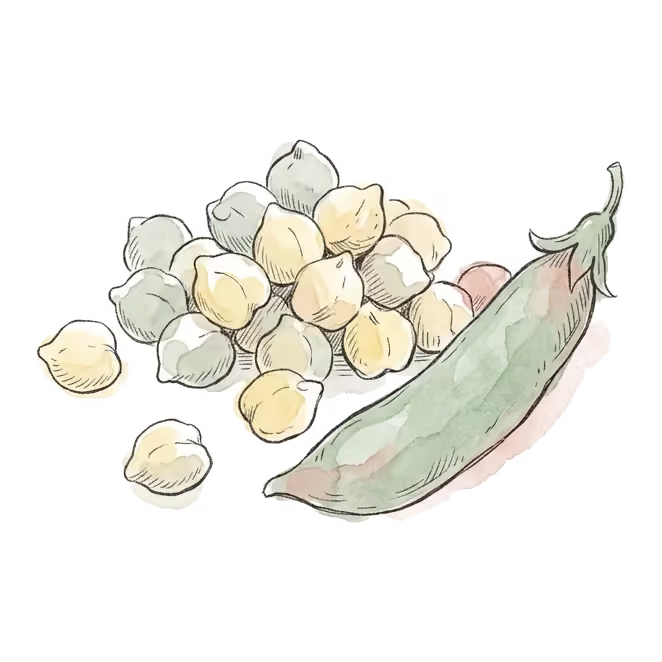
Chickpeas (Cicer arietinum)
Cicer arietinum · also known as garbanzo beans, Bengal gram, ceci beans, Egyptian pea
By Superfoods Advisor Editors·July 3, 2026
Chickpeas (garbanzo beans) benefits and nutrition: 8.9 g protein, 7.6 g fiber and 43% DV folate per 100 g, a GI near 28, what studies show, side effects.
Chickpeas (Cicer arietinum), also called garbanzo beans, are a legume supplying about 8.9 g protein, 7.6 g fiber and 43% of the Daily Value for folate per 100 g cooked. Their glycemic index averages about 28. Trials of pulses, a group that includes chickpeas, suggest modest benefits for blood glucose, LDL cholesterol and short-term fullness.
Chickpeas are one of the oldest cultivated legumes, domesticated in the Neolithic Near East from a wild progenitor (Cicer reticulatum) native to southeastern Turkey (van Oss et al., 2015), with chickpea remains appearing in Pre-Pottery Neolithic sites (Abbo et al., 2003). From this origin, chickpeas spread throughout the Mediterranean basin, the Indian subcontinent, and North Africa, becoming a dietary staple across remarkably diverse culinary traditions — from Indian dal and chana masala to Middle Eastern hummus and falafel to Italian pasta e ceci. Today, India grows about three-quarters of the world’s chickpeas (75% of 2022 production, per India’s Directorate of Pulses Development), and Australia is a leading exporter.
Two distinct market types exist: the larger, cream-colored kabuli type (common in Western markets and in hummus) and the smaller, darker desi type (predominant in South Asia), which has a thicker seed coat and higher fiber content. Both types share a similar macronutrient profile, and in vitro starch digestibility varies between individual desi and kabuli cultivars (Chung et al., 2008). This entry addresses both types unless specified.
Evidence at a glance
Active Compounds
Chickpeas contain a well-characterized array of bioactive constituents:
- Resistant starch: A significant fraction of chickpea starch is physically encapsulated within intact seed tissue and cell walls, and resists amylase digestion in the small intestine. This structure is a primary driver of the low glycemic index and supports colonic fermentation and SCFA production.
- Soluble fiber (pectin and other polysaccharides): Forms viscous gels in the gastrointestinal lumen that slow glucose absorption and cholesterol reabsorption from bile acids, contributing to postprandial glycemic attenuation and LDL cholesterol reduction.
- Insoluble fiber: Cellulose and hemicellulose in the seed coat contribute to fecal bulk and reduced intestinal transit time.
- Saponins: The main saponin detected in chickpeas is soyasaponin VI (soyasaponin βg), a DDMP-conjugated form of soyasaponin I (Ruiz et al., 1996); saponins may reduce intestinal cholesterol reabsorption. Bioavailability is low; human clinical relevance is uncertain.
- Polyphenols: Chickpeas contain flavonols (quercetin, kaempferol, myricetin), hydroxycinnamic acids, and isoflavones (biochanin A, formononetin) — phytoestrogens that may have weak estrogenic and anti-estrogenic activity depending on tissue and hormonal context.
- Galacto-oligosaccharides (GOS) and raffinose: These prebiotic oligosaccharides reach the colon intact and are selectively fermented by beneficial bacteria (Bifidobacterium, Lactobacillus); they also produce hydrogen and carbon dioxide gas, contributing to the flatulence associated with legume consumption.
- Phytic acid: Reduces bioavailability of iron, zinc, and calcium. Substantially reduced by soaking and cooking.
- Trypsin inhibitors and lectins: Present in raw chickpeas; reduced or eliminated by cooking (Jukanti et al., 2012).
Nutritional Profile
Values are approximate per 100 g of chickpeas boiled without salt (USDA FoodData Central):
| Nutrient | Amount | % DV |
|---|---|---|
| Energy | 164 kcal | — |
| Protein | 8.9 g | — |
| Total fat | 2.6 g | — |
| Carbohydrate | 27.4 g | — |
| Dietary fiber | 7.6 g | — |
| Folate | 172 µg | 43% |
| Iron | 2.9 mg | 16% |
| Phosphorus | 168 mg | 13% |
| Magnesium | 48 mg | 11% |
| Potassium | 291 mg | 6% |
| Zinc | 1.5 mg | 14% |
| Manganese | 1.0 mg | 45% |
| Vitamin B6 | 0.14 mg | 8% |
The glycemic index of chickpeas averages about 28 in the international GI tables (Atkinson et al., 2008), varying with cooking method and cultivar — among the lowest of any commonly consumed carbohydrate-containing food. Chickpea protein supplies all essential amino acids, though it is relatively low in the sulfur-containing amino acids such as methionine (Jukanti et al., 2012); combining with methionine-rich foods (grains, seeds) over the course of the day achieves complete amino acid complementarity.
Evidence for Purported Benefits
Glycemic Control
Evidence:Moderate A meta-analysis of 41 trials covers pulses as a group, with high heterogeneity; chickpea data are small acute studies.
Chickpeas raise blood glucose slowly, and pooled trials of pulses suggest they can modestly improve longer-term glucose markers. In acute feeding studies, chickpeas have produced lower postprandial blood glucose responses than refined carbohydrate foods such as white bread. A systematic review and meta-analysis of 41 controlled trials by Sievenpiper et al. (2009, Diabetologia) found that pulses (a group that includes chickpeas), eaten alone or as part of low-GI or high-fibre diets, lowered fasting blood glucose and glycated blood proteins such as HbA1c in people with and without diabetes, though heterogeneity between trials was high. In a small acute study in healthy women, a chickpea preload produced 29–36% lower blood glucose than an energy-matched white-bread preload and was followed by lower energy intake at the next meal (Zafar & Kabir, 2017, Journal of Food Science and Technology). Evidence is most robust for short-term glycemic response; long-term diabetes prevention data are observational.
LDL Cholesterol Reduction
Evidence:Moderate A meta-analysis of 10 small RCTs of non-soy legumes, including chickpeas, found about 8 mg/dL lower LDL.
A meta-analysis by Bazzano et al. (2011, Nutrition, Metabolism and Cardiovascular Diseases) of 10 randomized trials (268 participants) found that diets rich in non-soy legumes (including chickpeas) lowered total cholesterol by about 11.8 mg/dL and LDL cholesterol by about 8.0 mg/dL compared with control diets. The proposed mechanisms include viscous fiber reducing bile acid reabsorption, saponins binding cholesterol in the intestinal lumen, and displacement of saturated fat from the diet. The effects were modest and the trials small.
Satiety and Weight Management
Evidence:Moderate Acute pulse trials agree on short-term satiety, plus one 12-week chickpea study; long-term weight trials are few.
Chickpeas have been associated with greater postmeal satiety than equivalent calorie portions of many other foods. A meta-analysis of nine acute feeding trials (Li et al., 2014, Obesity) found that meals containing pulses produced about 31% greater short-term satiety than isocaloric controls, without reducing food intake at the next meal. In a 12-week study in 42 Australian adults, adding an average of 104 g of chickpeas a day to the habitual diet increased self-reported satiation and lowered intake of other foods, particularly cereals (Murty et al., 2010, Appetite). The fiber, protein, and resistant starch content of chickpeas are thought to contribute to this effect. However, long-term trials specifically on chickpeas and body weight maintenance are limited.
Gut Microbiota
Evidence:Preliminary One small crossover in 12 adults raised a butyrate-producing species; fecal SCFAs did not change.
A small randomized crossover study in 12 healthy adults (Fernando et al., 2010, Beneficial Microbes) found that adding 200 g of canned chickpeas per day to the diet for three weeks increased the abundance of Faecalibacterium prausnitzii, a butyrate-producing species, relative to an unfortified control diet, although fecal short-chain fatty acid concentrations did not change significantly. Larger, longer-term trials examining functional health outcomes from chickpea-induced microbiome shifts are needed.
Typical Use and Preparation
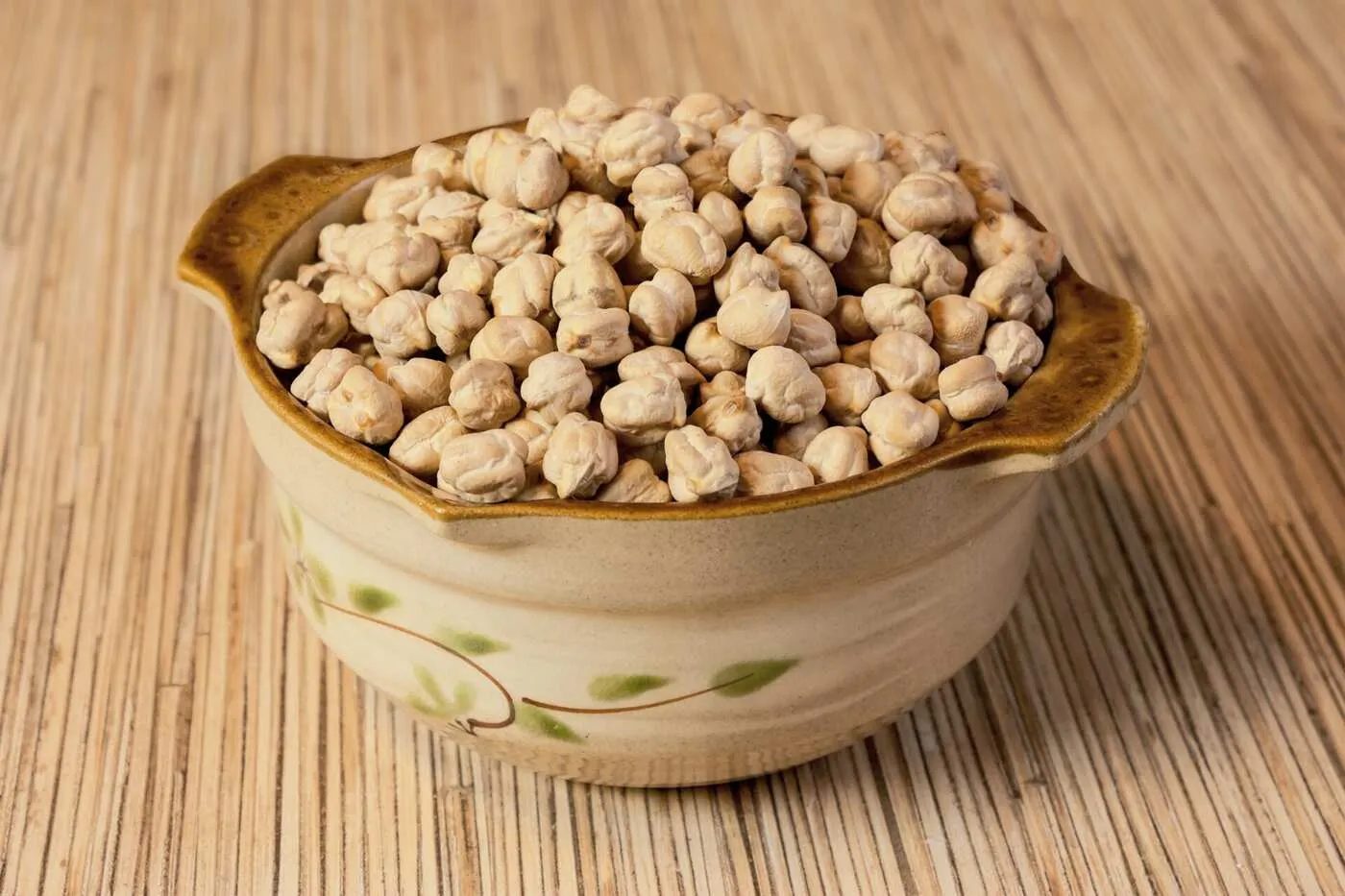 Photo: AlixSaz, CC BY-SA 4.0, via Wikimedia Commons
Soaking dry chickpeas: Cover with at least three times their volume of cold water and soak for 12–24 hours. Drain and rinse thoroughly. Soaking reduces cooking time from 2–3 hours to approximately 1–1.5 hours, and lowered chickpea galacto-oligosaccharide content by about 40% in one analysis, with cooking reducing it further (Njoumi et al., 2019), reducing flatulence potential. The glycemic index may be slightly higher after longer cooking.
Cooking: Bring soaked chickpeas to a boil with fresh water, reduce heat, and simmer 60–90 minutes until fully tender. Pressure cooking reduces this to 15–20 minutes. Adding salt in the final 10 minutes prevents skin hardening. Chickpeas should be fully soft throughout — undercooked chickpeas retain more lectins and antinutrients and cause greater digestive discomfort.
Canned chickpeas: Canned chickpeas are pre-cooked and safe to eat after rinsing. In a test of five canned bean varieties including chickpeas, draining and rinsing cut sodium by about 41% (Duyff et al., 2011). The liquid from canned chickpeas (aquafaba) has film-forming and foaming properties useful as an egg-white substitute in cooking.
Roasting: Oven-roasting at 200 °C until crispy creates a snack with a lower water content and increased crunchiness. Roasting modifies starch structure and may increase glycemic response compared to boiled chickpeas.
FODMAP note: Chickpeas contain significant GOS and raffinose. The low-FODMAP serving per Monash University is approximately 42 g (¼ cup) of canned, drained chickpeas — larger servings may cause symptoms in sensitive individuals.
Flour (besan/gram flour): Chickpea flour is widely used in South Asian cuisines for batters and binding, and in Provençal and Ligurian flatbreads (socca, farinata). It has a higher protein content than most grain flours and a lower glycemic index than wheat flour.
Roasted chickpeas are one of the add-ins in the superfood salad bowl. The plant-based protein guide compares chickpeas with lentils and black beans as protein sources.
Safety, Interactions, and Contraindications
FODMAP sensitivity: As noted, chickpeas contain substantial prebiotic oligosaccharides that produce gas through colonic fermentation. Individuals with IBS or small intestinal bacterial overgrowth (SIBO) may experience significant bloating and abdominal pain. Soaking, draining, and thorough cooking mitigates but does not eliminate this.
Phytoestrogens (isoflavones): Chickpeas contain biochanin A and formononetin — isoflavones that can be demethylated in the body to genistein and daidzein. Whether typical dietary intakes of chickpeas affect hormonal status has not been established in human studies. Individuals with hormone-sensitive conditions (estrogen receptor-positive breast cancer, endometriosis) may wish to consult a healthcare provider about isoflavone-containing food intake.
Kidney disease: Chickpeas supply moderate amounts of potassium and phosphorus. Patients with CKD on dietary restriction of these minerals should consult a nephrologist or renal dietitian before consuming large amounts.
Anticoagulant interactions: Chickpeas contain little vitamin K1 (about 4 µg per 100 g cooked, per USDA FoodData Central); no clinically significant warfarin interaction has been established. The fiber content may, in theory, influence drug absorption timing — a general precaution to space high-fiber foods from oral medications applies.
Lectin safety: Thorough cooking reduces or eliminates chickpea lectins and other antinutritional factors (Jukanti et al., 2012). Raw chickpea flour (gram flour) should not be consumed uncooked in large quantities; it is typically used in batters that are subsequently fried or baked.
Frequently Asked Questions
Are chickpeas and garbanzo beans the same?
Yes. Chickpea and garbanzo bean are two names for the seed of Cicer arietinum; “garbanzo” comes from Spanish and is common on US cans. Other names include Bengal gram and ceci. There are two market types: larger, cream-colored kabuli chickpeas, used in hummus, and smaller, darker desi chickpeas, common in South Asia, which have a thicker seed coat and more fiber.
Do chickpeas have protein?
Yes. Cooked chickpeas supply about 8.9 g protein per 100 g, roughly 14 g per cup. Chickpea protein contains all essential amino acids but is relatively low in methionine, so pairing chickpeas with grains or seeds over the day gives a more complete profile. Chickpea flour (besan) has more protein than most grain flours.
Are chickpeas good for you?
For most people, yes. They are rich in fiber, folate, manganese and plant protein, and have one of the lowest glycemic indexes among starchy foods. Pooled trials of pulses, including chickpeas, show modest drops in LDL cholesterol and improved glucose markers, with greater short-term fullness after meals. Most chickpea-specific studies are small or short.
Are chickpeas good for diabetics?
Chickpeas have a glycemic index of about 28, so they raise blood glucose slowly. In a small study in healthy women, a chickpea preload lowered blood glucose by 29–36% compared with white bread, and a meta-analysis of pulse trials found lower fasting glucose and HbA1c. People managing diabetes should fit carbohydrate portions into their plan with their care team.
Why do chickpeas cause gas?
Chickpeas contain galacto-oligosaccharides and raffinose, sugars the small intestine cannot digest. Colonic bacteria ferment them, producing gas. Soaking dried chickpeas cut galacto-oligosaccharides by about 40% in one analysis, and cooking lowers them further. Rinsing canned chickpeas and starting with small portions also helps; people with IBS may tolerate about 42 g of canned chickpeas per sitting.
How many chickpeas should I eat a day?
No official target exists for chickpeas. In a 12-week study, adults added an average of 104 g of chickpeas a day to their usual diet, and reported greater fullness and ate fewer other foods. Pulse trials often use about one serving a day. People with kidney disease on potassium or phosphorus limits should check with a clinician first.
References
Show all 15 referencesShow fewer
- Sievenpiper, J. L., et al. (2009). Effect of non-oil-seed pulses on glycaemic control: A systematic review and meta-analysis of randomised controlled experimental trials in people with and without diabetes. Diabetologia, 52(8), 1479–1495.
- Murty, C. M., Pittaway, J. K., & Ball, M. J. (2010). Chickpea supplementation in an Australian diet affects food choice, satiety and bowel health. Appetite, 54(2), 282–288.
- Bazzano, L. A., et al. (2011). Non-soy legume consumption lowers cholesterol levels: A meta-analysis of randomized controlled trials. Nutrition, Metabolism and Cardiovascular Diseases, 21(2), 94–103.
- Li, S. S., et al. (2014). Dietary pulses, satiety and food intake: A systematic review and meta-analysis of acute feeding trials. Obesity, 22(8), 1773–1780.
- Fernando, W. M., Hill, J. E., Zello, G. A., Tyler, R. T., Dahl, W. J., & Van Kessel, A. G. (2010). Diets supplemented with chickpea or its main oligosaccharide component raffinose modify faecal microbial composition in healthy adults. Beneficial Microbes, 1(2), 197–207.
- USDA FoodData Central. (2019). Chickpeas (garbanzo beans, Bengal gram), mature seeds, cooked, boiled, without salt. FDC ID 173757. U.S. Department of Agriculture.
- Jukanti, A. K., et al. (2012). Nutritional quality and health benefits of chickpea (Cicer arietinum L.): A review. British Journal of Nutrition, 108(S1), S11–S26.
- Zafar, T. A., & Kabir, Y. (2017). Chickpeas suppress postprandial blood glucose concentration, and appetite and reduce energy intake at the next meal. Journal of Food Science and Technology, 54(4), 987–994.
- Abbo, S., et al. (2003). The chickpea, summer cropping, and a new model for pulse domestication in the ancient Near East. Quarterly Review of Biology, 78(4), 435–448.
- Atkinson, F. S., Foster-Powell, K., & Brand-Miller, J. C. (2008). International tables of glycemic index and glycemic load values: 2008. Diabetes Care, 31(12), 2281–2283.
- Njoumi, S., et al. (2019). Soaking and cooking modify the alpha-galacto-oligosaccharide and dietary fibre content in five Mediterranean legumes. International Journal of Food Sciences and Nutrition, 70(5), 551–561.
- Duyff, R. L., Mount, J. R., & Jones, J. B. (2011). Sodium reduction in canned beans after draining, rinsing. Journal of Culinary Science & Technology, 9(2), 106–112.
- van Oss, R., et al. (2015). Genetic relationship in Cicer sp. expose evidence for geneflow between the cultigen and its wild progenitor. PLoS One, 10(10), e0139789.
- Chung, H. J., et al. (2008). In vitro starch digestibility, expected glycemic index, and thermal and pasting properties of flours from pea, lentil and chickpea cultivars. Food Chemistry.
- Ruiz, R. G., et al. (1996). A preliminary study on the effect of germination on saponin content and composition of lentils and chick peas. Zeitschrift für Lebensmittel-Untersuchung und -Forschung.
Related content
More in Grains & Legumes
- Amaranth (Amaranthus spp.)
Amaranth benefits and nutrition: a gluten-free pseudocereal high in lysine, manganese and iron, what human studies show, and its side effects.
- Beans (Phaseolus spp.)
Beans benefits and nutrition: protein, fiber, folate and resistant starch in navy, pinto, black and kidney beans, what studies show, and side effects.
- Black Beans (Phaseolus vulgaris)
Black beans vs pinto beans compared, plus black beans nutrition and benefits: 8.9 g protein and 8.7 g fiber per 100 g cooked, and what studies show.
- Brown Rice (Oryza sativa)
Brown rice vs white rice: brown keeps the bran, with 4x the fiber and 3x the magnesium, a slightly lower GI and more arsenic. Benefits and evidence.
- Buckwheat (Fagopyrum esculentum)
Is buckwheat gluten free? Yes: it is a seed unrelated to wheat. Buckwheat nutrition, rutin, glycemic index, benefits, allergy and side effects.
- Edamame (Glycine max)
Is edamame good for you? These young soybeans give 11.9 g complete protein, 5.2 g fiber and 78% DV folate per 100 g. Benefits, downsides and safety.


Curated by Superfoods Advisor Editors·Last updated