Beans (Phaseolus spp.)
Phaseolus vulgaris · also known as common bean, navy bean, pinto bean, black bean, cannellini bean, haricot bean
By Superfoods Advisor Editors·July 3, 2026
Beans benefits and nutrition: protein, fiber, folate and resistant starch in navy, pinto, black and kidney beans, what studies show, and side effects.
Beans (Phaseolus spp., mainly the common bean Phaseolus vulgaris) are legumes whose seeds supply about 8–9 g protein and 7–10.5 g fiber per 100 g cooked, plus folate and resistant starch. Their best-supported benefit is steadier blood glucose: cohort studies and a 3-month trial link legume-rich diets to better glycemic control, while heart and gut effects are less certain.
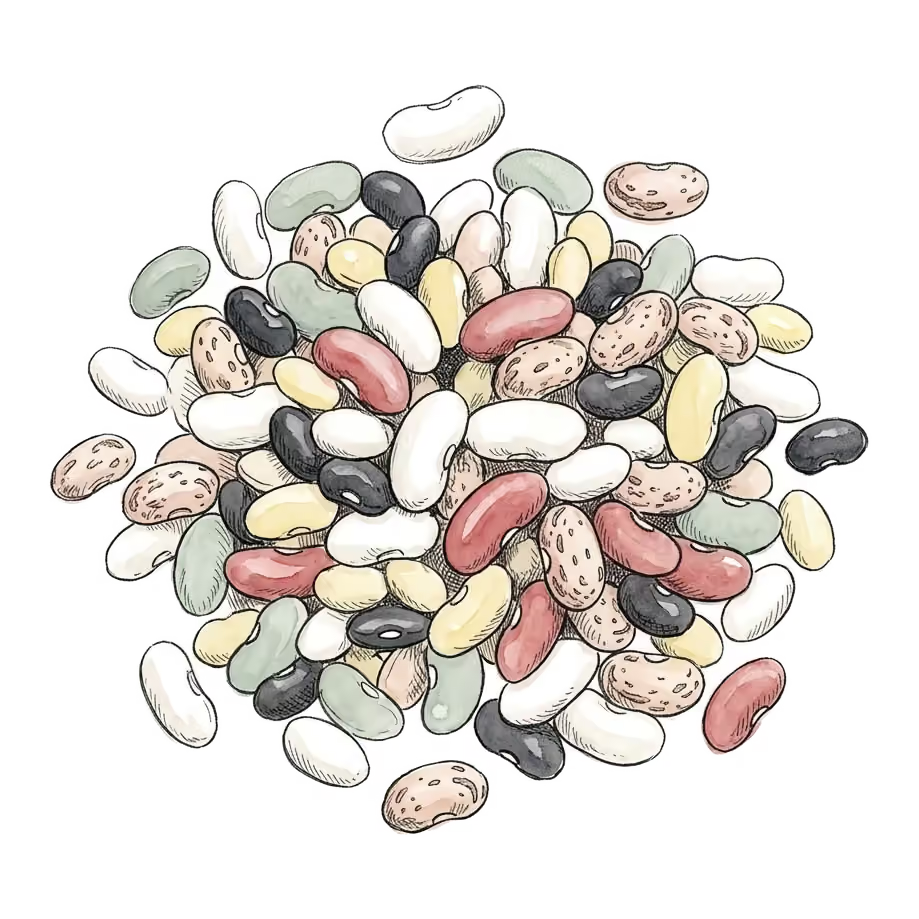
Beans are among the most widely consumed legumes on Earth. Domesticated independently in Mesoamerica and the Andes (Bitocchi et al., 2013), they spread globally following European contact with the Americas in the 15th and 16th centuries. Today hundreds of named cultivars exist within Phaseolus vulgaris alone, including navy beans, pinto beans, black beans, kidney beans, and cannellini (white kidney) beans, each differing in seed coat color, polyphenol composition, and subtle culinary properties, while sharing a broadly similar macronutrient profile. Additional Phaseolus species of dietary relevance include P. lunatus (lima bean), P. coccineus (runner bean), and P. acutifolius (tepary bean).
In the traditional diets of Latin America, the Caribbean, and parts of Africa, beans are an important source of dietary protein, especially where animal foods are scarce. Pairing beans with a grain (corn, rice, or wheat) yields a more complete amino acid profile: beans supply the lysine that grains lack, and grains supply the sulfur amino acids (methionine and cysteine) that beans are low in. This entry provides a genus-level overview; readers interested in specific entries should consult the kidney beans, black beans and soybeans pages.
Evidence at a glance
Active Compounds
- Resistant starch (RS): Beans are one of the richest dietary sources of resistant starch, particularly RS1 (starch physically trapped within intact cotyledon cell walls) and RS2 (high-amylose starch granules). After cooking and cooling, RS3 (retrograded starch) forms additionally. Resistant starch is not digested in the small intestine; it reaches the colon, where it is fermented by resident microbiota into short-chain fatty acids (SCFAs), principally butyrate, propionate, and acetate. Resistant starch content in cooked beans varies by variety, cooking method, and whether the beans have been cooled after cooking.
- Soluble and insoluble fiber: Beyond resistant starch, beans contain substantial pectin-type soluble fiber (forming viscous gels that slow gastric emptying and blunt postprandial glucose) and insoluble cellulose and hemicellulose. Total dietary fiber in cooked common beans runs about 7–10.5 g per 100 g, from kidney (7.4 g) to navy (10.5 g) (USDA FoodData Central; navy).
- Protein: Beans supply about 8–9 g protein per 100 g cooked (USDA FoodData Central). In a rodent bioassay, cooked or extruded Phaseolus beans averaged a protein digestibility-corrected amino acid score (PDCAAS) of about 0.66, and baked beans about 0.52 (Nosworthy et al., 2018), reflecting a relative deficit in the sulfur-containing amino acids methionine and cysteine. Lysine content is high; beans are among the few plant foods that provide significant amounts of it, which is why they complement cereals (Messina, 2014).
- Polyphenols: Seed coat color is a rough guide to polyphenol composition. Black beans are richest in anthocyanins, predominantly delphinidin with lesser amounts of petunidin and malvidin (Marles et al., 2010). Red and kidney beans are high in proanthocyanidins. Pinto beans contain kaempferol and quercetin glycosides. White beans (navy, cannellini) have the lowest polyphenol content. These polyphenols contribute antioxidant activity in vitro and may influence postprandial glycemia by inhibiting α-amylase and α-glucosidase.
- Folate (vitamin B9): Beans are among the best dietary sources of folate. Cooked black beans, for example, provide approximately 149 µg DFE per 100 g, roughly 37% of the adult daily value (USDA FoodData Central). Navy (140 µg) and pinto (172 µg) beans are similarly rich.
- Phytic acid: A significant antinutrient in dry beans, phytate chelates divalent minerals (iron, zinc, calcium, magnesium) and reduces their fractional absorption. In one study of carioca beans, soaking with the soaking water discarded before cooking cut phytate by about 61%, against about 21% for cooking without soaking (Helbig et al., 2003). Fermentation can reduce it further.
- Oligosaccharides (GOS/FODMAP): Galacto-oligosaccharides — primarily raffinose, stachyose, and verbascose — are not absorbed in the small intestine and are fermented by colonic bacteria, producing gas. This is the primary mechanism behind legume-associated flatulence. Soaking and rinsing reduce but do not eliminate these oligosaccharides. Enzyme supplements (alpha-galactosidase, sold as Beano) hydrolyze them in the gut.
- Lectins (phytohaemagglutinin): Present in raw Phaseolus beans, particularly in kidney varieties. Raw beans must be cooked thoroughly (see Safety section). See the dedicated kidney beans entry for full detail on PHA toxicity.
Nutritional Profile
Per 100 g cooked black beans, boiled without salt (USDA FoodData Central):
| Nutrient | Amount | % DV |
|---|---|---|
| Energy | 132 kcal | — |
| Protein | 8.9 g | — |
| Total fat | 0.5 g | — |
| Carbohydrate | 23.7 g | — |
| Dietary fiber | 8.7 g | — |
| Sugars | 0.3 g | — |
| Folate | 149 µg DFE | 37% |
| Iron | 2.1 mg | 12% |
| Magnesium | 70 mg | 17% |
| Potassium | 355 mg | 8% |
| Zinc | 1.1 mg | 10% |
| Phosphorus | 140 mg | 11% |
Values differ modestly across bean varieties. Navy beans are lower in polyphenols but similarly rich in fiber and folate. Iron bioavailability from beans is low: in stable-isotope studies in young women, mean iron absorption from a whole red bean porridge was 2.5%, held down by its phytate and polyphenols (Petry et al., 2010), compared with an estimated 14–18% from mixed diets (Hurrell & Egli, 2010). Vitamin C improves iron absorption in single-meal isotope studies, though the effect of any one enhancer is more modest across a varied diet (Hurrell & Egli, 2010).
Evidence for Purported Benefits
Glycemic Control and Type 2 Diabetes Risk
Evidence:Moderate Cohort data plus a 3-month RCT of mixed legumes in type 2 diabetes; pooled cohort results do not all agree.
Beans have a low glycemic index, and a randomized trial suggests legume-rich diets can improve blood sugar control in type 2 diabetes. Several prospective cohort studies have associated higher legume consumption with lower risk of type 2 diabetes. In the Shanghai Women’s Health Study, which followed 64,227 middle-aged Chinese women for an average of 4.6 years, women in the highest quintile of total legume intake (including soybeans and peanuts) had a 38% lower risk of type 2 diabetes than those in the lowest (Villegas et al., 2008); the association was strongest for soybeans. Not every pooled analysis agrees: a 2014 meta-analysis found no significant association between legume intake and diabetes, though only two studies were available (Afshin et al., 2014). Mechanistically, the low glycemic index of beans (kidney beans average about 24 in the international GI tables; Atkinson et al., 2008) — driven by resistant starch, intact cell walls, and soluble fiber — reduces postprandial glucose and insulin excursions. Short-term trials point the same way: in a 3-month randomized trial of 121 adults with type 2 diabetes, a low-glycemic-index diet that added at least 1 cup of legumes per day lowered HbA1c by 0.5%, compared with 0.3% on a high-wheat-fiber diet (Jenkins et al., 2012). The American Diabetes Association’s 2019 nutrition consensus report names pulses (beans, peas, and lentils) among the preferred food sources of fiber for people with diabetes (Evert et al., 2019). Evidence is limited by reliance on dietary recall and substitution effects (what beans replace matters as much as beans themselves).
Cardiovascular Disease Risk Reduction
Evidence:Limited A meta-analysis of 10 small RCTs found modest LDL drops; links to heart disease itself are observational.
Beans may modestly lower LDL cholesterol, but evidence that they prevent heart disease comes from observational data. A meta-analysis of observational studies (Afshin et al., 2014) reported that each four weekly 100 g servings of legumes was associated with a 14% lower risk of ischemic heart disease. A meta-analysis of 10 randomized trials (268 participants) found that non-soy legume diets lowered LDL-cholesterol by about 8 mg/dL and total cholesterol by about 12 mg/dL compared with control diets (Bazzano et al., 2011), a modest effect likely attributable in part to soluble fiber increasing bile acid excretion. Beans are also a good source of potassium (supporting blood pressure) and contain no cholesterol and very little saturated fat.
Gut Microbiome Modulation
Evidence:Preliminary Bean-specific trials are thin; related human data come from isolated fibers, with responses varying by fiber type.
The resistant starch and oligosaccharides in beans are fermented by colonic bacteria into SCFAs, and galacto-oligosaccharides are thought to favor Bifidobacterium growth. Direct trial evidence for beans themselves is thin. Related work on isolated fibers shows the response depends on fiber type and on the individual: in a 2-week trial in 174 healthy young adults, resistant starch from potatoes raised total fecal SCFAs including butyrate, while resistant maize starch and inulin did not significantly raise butyrate (Baxter et al., 2019). Whether specific gut microbiome changes from bean consumption translate to measurable clinical outcomes in healthy individuals remains under investigation. SCFA production, particularly butyrate, is proposed to support colonocyte health and intestinal barrier function.
Colorectal Cancer Risk
Evidence:Preliminary Cohort and case-control studies link legumes to fewer adenomas; data for colorectal cancer itself are less consistent.
Several observational studies have found associations between higher legume consumption and modestly lower colorectal neoplasia risk. A 2013 meta-analysis of 3 cohort and 11 case-control studies found 17% lower odds of colorectal adenoma, a precancerous lesion, in the highest versus lowest legume consumers (Wang et al., 2013); evidence for colorectal cancer itself is less consistent. Proposed mechanisms include SCFA production (particularly butyrate), reduced transit time, and the antioxidant polyphenols in dark-colored beans. Causality cannot be established from epidemiological data alone given confounding by overall dietary pattern.
Weight Management
Evidence:Limited A meta-analysis of 21 short RCTs found 0.34 kg extra weight loss; long-term free-living results conflict.
Beans are high in protein and fiber relative to their caloric density, both properties associated with enhanced satiety. A systematic review and meta-analysis of 21 randomized controlled trials (940 participants; Kim et al., 2016) found that diets including about one serving of pulses per day produced a 0.34 kg greater weight reduction over a median of 6 weeks than comparison diets. The effect size is modest, and free-living long-term studies show inconsistent results, potentially because bean consumption in habitual diets does not necessarily reduce total caloric intake.
Typical Use and Preparation
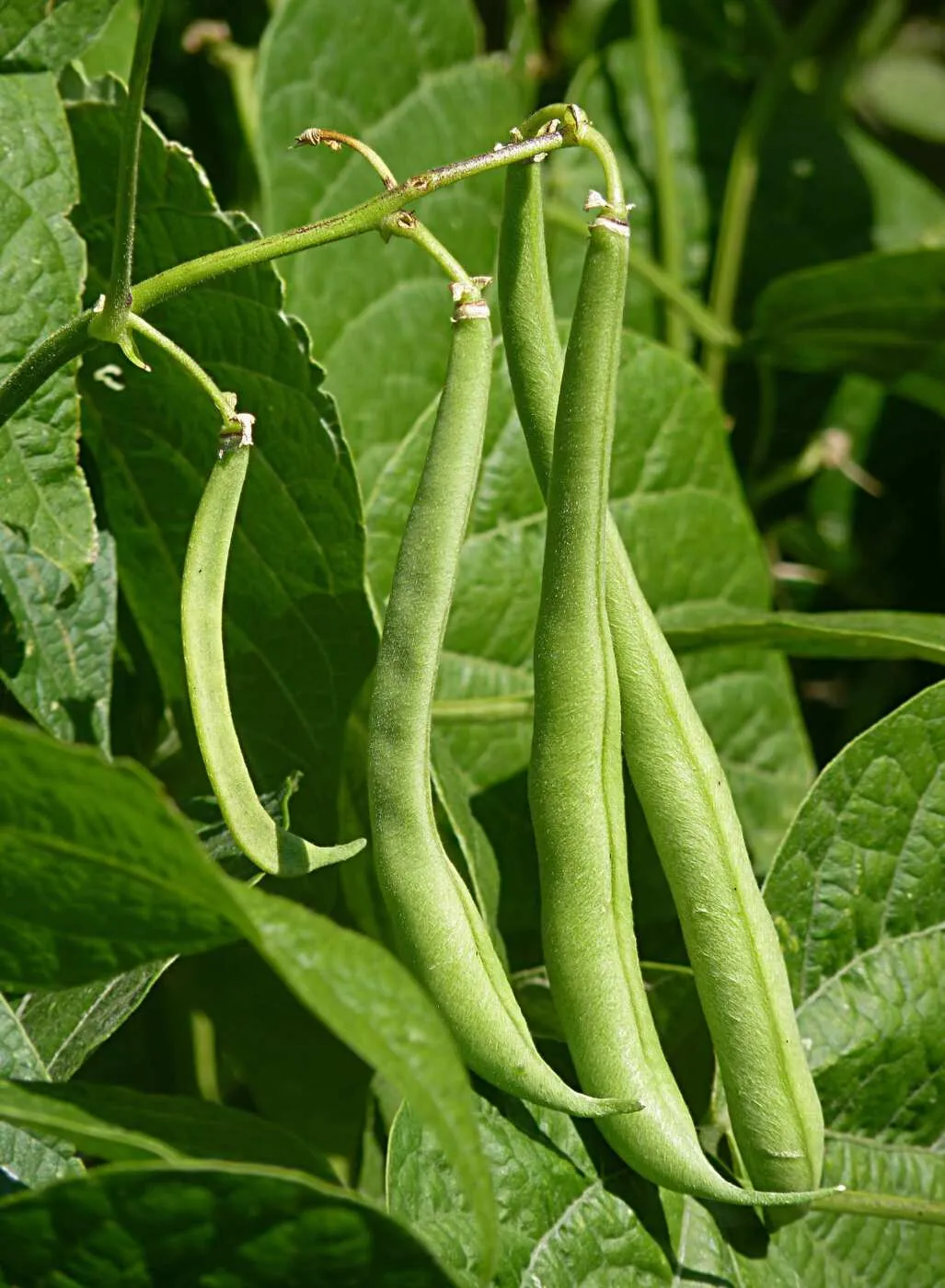 Photo: Jamain, CC BY-SA 3.0, via Wikimedia Commons
Dried beans are usually soaked (the FDA advises at least 5 hours for kidney beans) and then cooked in fresh water until fully soft. The traditional method discards the soaking water (reducing oligosaccharides and phytate) and boils the beans in fresh water; the FDA advises boiling for at least 30 minutes to destroy the lectin (FDA Bad Bug Book), and most varieties need 45–90 minutes to soften. Pressure cooking shortens the cook time considerably. Canned beans are pre-cooked and safe to eat as packed; in a test of five canned varieties, draining cut sodium per serving by 36% and draining plus rinsing by 41% (Duyff et al., 2011).
Beans are consumed in an enormous range of global preparations: refried beans (Mexican cuisine), rice-and-beans (Caribbean, Brazilian), feijoada (Brazilian black bean stew), pasta e fagioli (Italian), cassoulet (French), and as a protein base in plant-based diets worldwide. Black beans pair well with cumin, garlic, and lime; cannellini beans with rosemary and olive oil; navy beans in soups and stews.
Sprouting dried beans before cooking can lower their oligosaccharide content (Messina, 2014) and may also reduce phytate. Cooking beans with the seaweed kombu is a traditional Japanese technique; claims that it reduces gas-producing oligosaccharides are not well supported by studies.
Beans and other legumes get a fuller treatment, including protein content and preparation, in our plant-based protein guide. For how beans fit with other foods studied for glucose control, see the blood sugar superfoods guide.
Safety, Interactions, and Contraindications
Lectin toxicity: Raw or insufficiently cooked beans — particularly red kidney beans — contain phytohaemagglutinin (PHA) at levels sufficient to cause acute gastrointestinal poisoning: extreme nausea and vomiting within 1–3 hours, followed by diarrhea. According to the FDA, as few as four or five raw beans can trigger symptoms; recovery is usually rapid, though some cases have required hospitalization (FDA Bad Bug Book). Boiling at 100°C for 10 minutes destroyed the toxin in laboratory work, but the FDA advises soaking for at least 5 hours, discarding the water, and boiling in fresh water for at least 30 minutes. Slow cookers should not be used for these beans or dishes containing them: casseroles cooked in them often reached only 75°C or less, and several outbreaks have been linked to them. Undercooking still happens at scale: in 2018, chili con carne made with undercooked kidney beans sickened about 200 diners at a French military canteen (Watier-Grillot et al., 2023). See the kidney beans entry for full detail.
Flatulence and GI discomfort: The oligosaccharide content of beans can increase gas production, though perhaps less than people expect: in three feeding trials of ½ cup of beans daily, fewer than half of participants reported more flatulence in the first week of eating pinto or baked beans, and the authors noted wide individual variation by bean type (Winham & Hutchins, 2011). Starting with small portions and gradually increasing intake is recommended for individuals unaccustomed to legumes.
Gout: Beans contain moderate purines. In a 12-year cohort of 47,150 men, intake of purine-rich vegetables was not associated with new cases of gout, unlike meat and seafood (Choi et al., 2004). In people who already have gout, however, a case-crossover study found that purine intake from plant sources was still linked to recurrent attacks, though far more weakly than purine from animal sources (Zhang et al., 2012). Individuals with hyperuricemia may wish to discuss legume intake with a healthcare provider.
Iron and zinc absorption: The phytate and polyphenol content of beans reduces mineral bioavailability, a practical concern in populations whose diet is heavily dominated by legumes without diverse micronutrient sources. Pairing beans with vitamin C-rich foods, soaking, fermenting, or sprouting can improve mineral absorption.
Warfarin interactions: Cooked common beans are low in vitamin K (about 1–8 µg per 100 g across navy, black, and kidney beans in USDA FoodData Central), so they are not a significant vitamin K source for people on warfarin. Abrupt large dietary changes should still be discussed with a prescriber.
Kidney disease: Beans are high in potassium and phosphorus. Individuals with advanced chronic kidney disease (CKD) who must restrict dietary potassium or phosphorus should discuss bean intake with a registered dietitian or nephrologist, as standard preparation can still provide clinically relevant amounts.
Frequently Asked Questions
Are beans good for you?
For most people, yes. Beans are low in fat, high in fiber and protein, and among the best food sources of folate. Cohort studies and a randomized trial in type 2 diabetes link legume-rich diets to better blood sugar control, and pooled trials show a modest LDL drop. Most evidence is observational, and what beans replace in the diet matters.
Do beans have protein?
Yes. Cooked beans supply about 8–9 g protein per 100 g. The protein is rich in lysine but low in methionine and cysteine, so in rodent assays cooked beans scored a PDCAAS of about 0.66. Eating beans with a grain such as rice or corn over the day fills that gap, which is the logic behind rice-and-beans dishes.
Are beans a carb or a protein?
Both, though carbohydrate dominates by weight. Per 100 g cooked black beans there is about 23.7 g carbohydrate, of which 8.7 g is fiber, and 8.9 g protein, with only 0.5 g fat. Much of the starch is resistant starch and is digested slowly, which is why beans have a low glycemic index.
What is the difference between beans and legumes?
Legumes are plants of the pea family (Fabaceae) and their seeds. Beans are one group of legumes; lentils, chickpeas, peas, soybeans and peanuts are others. This entry covers Phaseolus beans such as navy, pinto, black, kidney and cannellini. Related legumes have their own entries, including lentils and chickpeas.
How many beans should I eat a day?
There is no official bean-specific target. The trials summarized here used about one serving of pulses a day for weight outcomes and at least 1 cup of legumes a day in the diabetes study. People new to beans often start with smaller portions to limit gas. Anyone with advanced kidney disease or gout should ask a clinician first.
Can beans cause bloating or constipation?
Gas and bloating are more common than constipation. Beans contain oligosaccharides (raffinose, stachyose) that colonic bacteria ferment into gas, although in feeding trials fewer than half of participants reported more flatulence in the first week. Soaking, rinsing, gradual increases and alpha-galactosidase enzyme products can reduce symptoms.
References
Show all 23 referencesShow fewer
- Villegas, R., et al. (2008). Legume and soy food intake and the incidence of type 2 diabetes in the Shanghai Women’s Health Study. American Journal of Clinical Nutrition, 87(1), 162–167.
- Afshin, A., et al. (2014). Consumption of nuts and legumes and risk of incident ischemic heart disease, stroke, and diabetes: a systematic review and meta-analysis. American Journal of Clinical Nutrition, 100(1), 278–288.
- Bazzano, L. A., et al. (2011). Non-soy legume consumption lowers cholesterol levels: a meta-analysis of randomized controlled trials. Nutrition, Metabolism and Cardiovascular Diseases, 21(2), 94–103.
- Baxter, N. T., et al. (2019). Dynamics of human gut microbiota and short-chain fatty acids in response to dietary interventions with three fermentable fibers. mBio, 10(1), e02566-18.
- Kim, S. J., et al. (2016). Effects of dietary pulse consumption on body weight: a systematic review and meta-analysis of randomized controlled trials. American Journal of Clinical Nutrition, 103(5), 1213–1223.
- Messina, V. (2014). Nutritional and health benefits of dried beans. American Journal of Clinical Nutrition, 100(Suppl 1), 437S–442S.
- Jenkins, D. J., et al. (2012). Effect of legumes as part of a low glycemic index diet on glycemic control and cardiovascular risk factors in type 2 diabetes mellitus: a randomized controlled trial. Archives of Internal Medicine, 172(21), 1653–1660.
- Wang, Y., et al. (2013). Legume consumption and colorectal adenoma risk: a meta-analysis of observational studies. PLoS One, 8(6), e67335.
- Bitocchi, E., et al. (2013). Molecular analysis of the parallel domestication of the common bean (Phaseolus vulgaris) in Mesoamerica and the Andes. New Phytologist, 197(1), 300–313.
- Nosworthy, M. G., et al. (2018). Effect of processing on the in vitro and in vivo protein quality of beans (Phaseolus vulgaris and Vicia faba). Nutrients, 10(6), 671.
- Helbig, E., et al. (2003). Effect of soaking prior to cooking on the levels of phytate and tannin of the common bean (Phaseolus vulgaris L.) and the protein value. Journal of Nutritional Science and Vitaminology, 49(2), 81–86.
- Petry, N., et al. (2010). Polyphenols and phytic acid contribute to the low iron bioavailability from common beans in young women. Journal of Nutrition, 140(11), 1977–1982.
- Hurrell, R., & Egli, I. (2010). Iron bioavailability and dietary reference values. American Journal of Clinical Nutrition, 91(5), 1461S–1467S.
- Atkinson, F. S., et al. (2008). International tables of glycemic index and glycemic load values: 2008. Diabetes Care, 31(12), 2281–2283.
- Duyff, R. L., Mount, J. R., & Jones, J. B. (2011). Sodium reduction in canned beans after draining, rinsing. Journal of Culinary Science & Technology, 9(2), 106–112.
- U.S. Food and Drug Administration (2012). Phytohaemagglutinin (kidney bean lectin). In Bad Bug Book: Foodborne Pathogenic Microorganisms and Natural Toxins (2nd ed.).
- Watier-Grillot, S., et al. (2023). From foodborne disease outbreak (FBDO) to investigation: the plant toxin trap, Brittany, France, 2018. Toxins, 15(7), 457.
- U.S. Department of Agriculture. FoodData Central: Beans, black, mature seeds, cooked, boiled, without salt (FDC 173735).
- Marles, M. A., Balasubramanian, P., & Bett, K. E. (2010). Differential accumulation of polyphenolics in black bean genotypes grown in four environments. Journal of Agricultural and Food Chemistry, 58(11), 7001–7006.
- Evert, A. B., et al. (2019). Nutrition therapy for adults with diabetes or prediabetes: a consensus report. Diabetes Care, 42(5), 731–754.
- Winham, D. M., & Hutchins, A. M. (2011). Perceptions of flatulence from bean consumption among adults in 3 feeding studies. Nutrition Journal, 10, 128.
- Choi, H. K., et al. (2004). Purine-rich foods, dairy and protein intake, and the risk of gout in men. New England Journal of Medicine, 350(11), 1093–1103.
- Zhang, Y., et al. (2012). Purine-rich foods intake and recurrent gout attacks. Annals of the Rheumatic Diseases, 71(9), 1448–1453.
Related content

More in Grains & Legumes
- Amaranth (Amaranthus spp.)
Amaranth benefits and nutrition: a gluten-free pseudocereal high in lysine, manganese and iron, what human studies show, and its side effects.
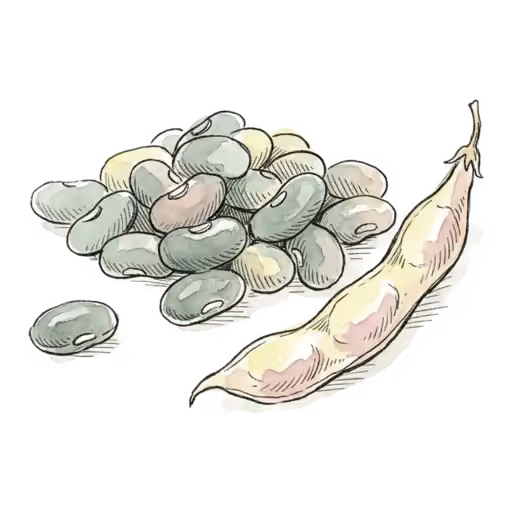
- Black Beans (Phaseolus vulgaris)
Black beans vs pinto beans compared, plus black beans nutrition and benefits: 8.9 g protein and 8.7 g fiber per 100 g cooked, and what studies show.
- Brown Rice (Oryza sativa)
Brown rice vs white rice: brown keeps the bran, with 4x the fiber and 3x the magnesium, a slightly lower GI and more arsenic. Benefits and evidence.
- Buckwheat (Fagopyrum esculentum)
Is buckwheat gluten free? Yes: it is a seed unrelated to wheat. Buckwheat nutrition, rutin, glycemic index, benefits, allergy and side effects.
- Chickpeas (Cicer arietinum)
Chickpeas (garbanzo beans) benefits and nutrition: 8.9 g protein, 7.6 g fiber and 43% DV folate per 100 g, a GI near 28, what studies show, side effects.
- Edamame (Glycine max)
Is edamame good for you? These young soybeans give 11.9 g complete protein, 5.2 g fiber and 78% DV folate per 100 g. Benefits, downsides and safety.

Curated by Superfoods Advisor Editors·Last updated