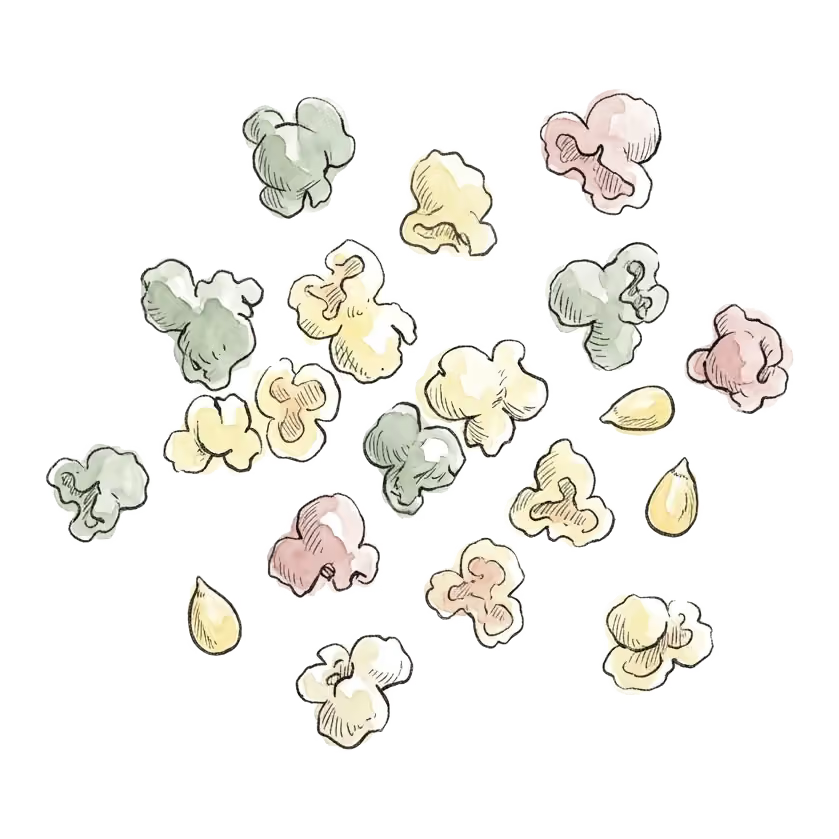
Popcorn (Zea mays var. everta)
Zea mays var. everta · also known as popping corn, popped corn, maize variety everta
By Superfoods Advisor Editors·July 3, 2026
Is popcorn healthy? Air-popped, it is a whole grain with 3.5 g fiber and about 93 kcal per 3 cups. How butter, oil and microwave bags change that.
Air-popped popcorn is a healthy snack for most people: it is a whole grain (Zea mays var. everta), and a 3-cup serving provides about 93 kcal, 3.5 g fiber and 3.1 g protein. How it is made decides the rest. Oil, butter topping, salt and sugar turn it into a high-calorie, high-sodium snack, as with most movie-theater popcorn.
Popcorn comes from a specific botanical variety of maize distinguished from common field corn, sweet corn, and dent corn by the physical properties of its kernel pericarp (hull). The pericarp of popping corn is particularly strong and relatively impermeable to water vapor; when a kernel is heated, the moisture inside the starchy endosperm converts to steam, pressure builds until the pericarp fails suddenly, and the gelatinized starch expands to many times the kernel’s original volume before cooling into the familiar white or yellow foam-like structure.
Maize remains from the coastal Peruvian sites of Paredones and Huaca Prieta, dated to roughly 6,700 years ago (about 4,700 BCE), come from primitive popcorn races, and the excavators describe the early Peruvian maize as a popcorn type in seed size, hardness, and popping ability (Grobman et al., 2012). Indigenous peoples of North and South America consumed it long before European contact, and popped corn was used in ceremonies as well as for food. Commercial popcorn production in the United States expanded dramatically after the introduction of mobile steam-powered popcorn poppers in the 1880s and accelerated during the Great Depression (it was an affordable snack) and World War II (when sugar rationing suppressed candy consumption). Today it is one of the most widely consumed snack foods globally.
The critical nutritional distinction: unlike corn chips and puffed snacks made from refined flour or degermed meal, popcorn is a whole grain — the hull (bran), germ, and endosperm are all present in the intact kernel. Air-popped popcorn provides genuine whole-grain nutrition, including dietary fiber, B vitamins, minerals, and notably high polyphenol concentrations localized in the hull. Its nutritional profile is sharply altered by preparation method; air-popped popcorn and heavily buttered movie-theater popcorn are nutritionally very different foods.
Evidence at a glance
Active Compounds
- Hull polyphenols (ferulic acid and derivatives): The most nutritionally distinctive feature of popcorn is the polyphenol concentration in its pericarpal hull. Ferulic acid — a hydroxycinnamic acid phenolic — is the principal phenolic acid in maize bran. In cereal bran, hydroxycinnamic acids such as ferulic acid are mostly ester-linked to cell wall polysaccharides and cannot be absorbed in that bound form; intestinal esterases, largely of microbial origin in the colon, release them (Andreasen et al., 2001). Coco and Vinson (2019) found the polyphenols of commercial popcorn exclusively in the pericarp, completely bound to the fiber matrix.
- Dietary fiber: Air-popped popcorn provides approximately 14.5 g dietary fiber per 100 g, or about 3.5 g per 3-cup (24 g) serving (USDA FoodData Central). This is predominantly insoluble fiber from the pericarp and endosperm cell walls. While not as high as legumes in fiber density, the relatively low caloric density of air-popped popcorn (approximately 387 kcal/100 g but only ~31 kcal per 8 g cup, due to the large volume) means that substantial fiber can be obtained without excess calories.
- B vitamins: Popcorn’s intact whole grain provides thiamine (B1), niacin (B3), and pyridoxine (B6), retained in the germ and pericarp. Niacin in popcorn, as in other corn-based foods, may be partially in bound form (niacytin); traditional nixtamalization (alkaline treatment) improves niacin bioavailability, but standard air-popped popcorn is not nixtamalized.
- Magnesium and manganese: The germ provides moderate amounts of magnesium (approximately 144 mg per 100 g popped) and manganese (approximately 1.11 mg per 100 g) (USDA FoodData Central), both relevant as dietary contributions in the context of typical snack foods.
- Phosphorus: Approximately 358 mg per 100 g of air-popped popcorn (USDA FoodData Central).
- Carbohydrate and starch: Popcorn is primarily starch (approximately 78 g carbohydrate per 100 g popped, USDA FoodData Central). The rapid starch gelatinization during popping produces a moderate-to-high glycemic index that varies with preparation; however, standard serving sizes (3 cups/24 g) deliver relatively little carbohydrate (approximately 19 g), meaning the glycemic load per serving is modest.
Nutritional Profile
Per 100 g air-popped popcorn (USDA FoodData Central):
| Nutrient | Amount | % DV |
|---|---|---|
| Energy | 387 kcal | — |
| Protein | 12.9 g | — |
| Total fat | 4.5 g | — |
| Carbohydrate | 77.8 g | — |
| Dietary fiber | 14.5 g | — |
| Sugars | 0.9 g | — |
| Thiamine (B1) | 0.10 mg | 9% |
| Niacin (B3) | 2.31 mg | 14% |
| Magnesium | 144 mg | 34% |
| Phosphorus | 358 mg | 29% |
| Zinc | 3.08 mg | 28% |
| Manganese | 1.11 mg | 48% |
Note: The values above are per 100 g of finished air-popped corn, which is a very large volume (approximately 12–13 cups). A standard 3-cup (approximately 24 g) serving provides approximately 93 kcal, 3.5 g dietary fiber, 35 mg magnesium, and 3.1 g protein.
Evidence for Purported Benefits
Whole Grain Status and Associated Health Benefits
Evidence:Preliminary Whole-grain benefits come from cohort data dominated by other grains; popcorn-specific outcome studies are essentially absent.
The classification of popcorn as a whole grain is compositionally established — all three grain components (endosperm, bran, germ) are present in the popped kernel. The extensive evidence base associating whole grain consumption with reduced risk of type 2 diabetes, cardiovascular disease, and certain cancers (Seal & Brownlee, 2015; Aune et al., 2016, a BMJ meta-analysis showing dose-response associations with all-cause mortality) is generally extrapolated to popcorn as a whole grain food. However, most whole grain research is dominated by oats, wheat, and brown rice; popcorn-specific outcome studies are essentially absent. USDA classifies popcorn as a whole grain, and its child-nutrition programs credit 3 cups of popped popcorn as one ounce-equivalent of whole grains (USDA FNS, 2019).
Polyphenol Delivery and Antioxidant Activity
Evidence:Lab & animal only Polyphenol content and in vitro antioxidant capacity are measured; no controlled human trials of popcorn polyphenols exist.
Coco and Vinson (2019, Antioxidants) analyzed nine commercial popcorns and found an average of about 5.9 mg/g total polyphenols, mainly phenolic acids located in the pericarp (hull) and bound to the fiber matrix; popping did not significantly reduce antioxidant capacity, and roughly 2.7 mg/g remained bioaccessible after simulated digestion. The authors proposed that popcorn may be a significant source of dietary polyphenols. However, in vitro antioxidant capacity (measured by Folin-Ciocalteu or FRAP assays) does not directly predict in vivo clinical outcomes; the bioavailability of hull-bound phenolic acids from popcorn and its downstream effects on circulating markers or disease risk have not been studied in controlled human trials. The enthusiasm around popcorn polyphenols must be tempered by the absence of clinical intervention data.
Satiety and Weight Management
Evidence:Preliminary One small crossover in 35 adults compared snacks that were not calorie-matched; no long-term weight data.
Air-popped popcorn is filling for its calories, but whether eating it helps with weight loss has not been tested over the long term. Air-popped popcorn has an exceptionally low energy density (approximately 31 kcal per cup, 387 kcal per 100 g) due to the large volume of air enclosed in the expanded starch structure. A small within-subject crossover study in 35 normal-weight adults (Nguyen et al., 2012) found that 6 cups of low-fat popcorn (100 kcal) produced less hunger and more satisfaction than 1 cup of potato chips (150 kcal), and energy intake at the following meal plus snack was lower after popcorn. The snacks were not calorie-matched, and the study measured only short-term satiety. Long-term weight management data specific to popcorn are not available.
Gut Microbiome (Insoluble Fiber and Polyphenols)
Evidence:Lab & animal only Based on fiber and bran-phenolic mechanisms; popcorn’s effect on the human gut microbiome has not been studied.
The combination of insoluble fiber and bound polyphenols in popcorn hull creates a substrate that reaches the colon relatively intact, where it is available for fermentation by gut microbiota. Esterases from colonic microbiota cleave ester-bound hydroxycinnamic acids from cereal bran, releasing the free phenolics, which may then act locally or be absorbed (Andreasen et al., 2001). Whether popcorn consumption meaningfully alters the composition or metabolic activity of the human gut microbiome has not been studied directly.
Typical Use and Preparation
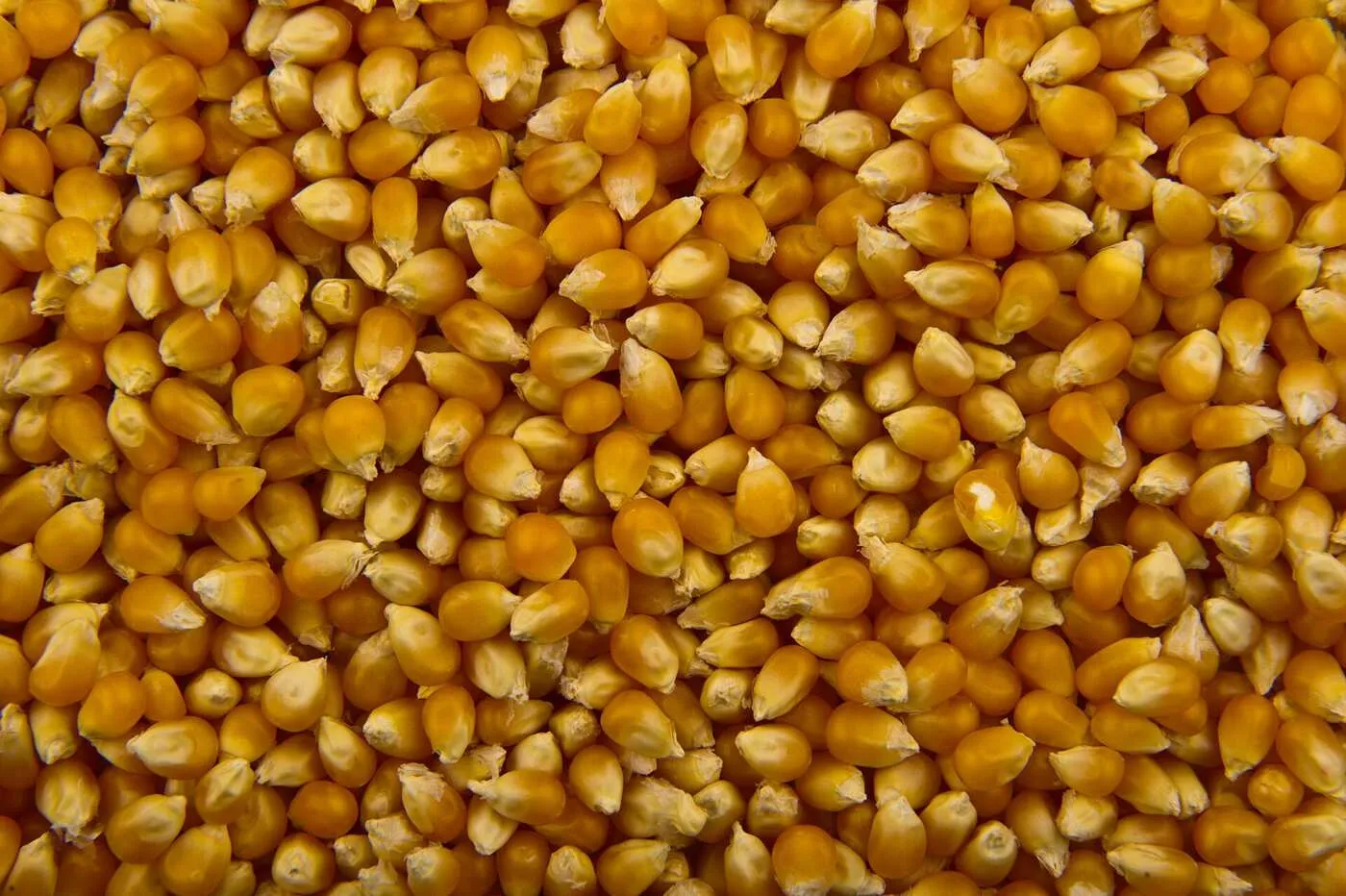 Photo: Bill Ebbesen, CC BY-SA 3.0, via Wikimedia Commons
Preparation method fundamentally determines the nutritional profile of popcorn:
Air-popped popcorn (countertop air popper, stovetop in a pot with minimal oil, or silicone microwave bowl): Approximately 31 kcal per 1-cup serving. Preserves the whole-grain nutritional profile without the caloric burden of added fat. Can be seasoned with nutritional yeast, smoked paprika, garlic powder, or cinnamon without meaningful caloric addition.
Stovetop oil-popped popcorn: Each tablespoon of oil adds roughly 120 kcal (USDA FoodData Central, olive oil) and the fatty acid profile of the oil used. Coconut oil, common in commercial preparations, increases saturated fat substantially. Olive oil or avocado oil provide a better unsaturated fatty acid profile.
Microwave bag popcorn: Most commercial microwave popcorn provides considerably more calories per serving than air-popped and may contain sodium and artificial butter flavoring. Bag linings historically used per- and polyfluoroalkyl substance (PFAS) grease-proofing agents. After long-chain PFAS were removed in the 2010s and 6:2 FTOH grease-proofers were voluntarily phased out from 2020, the FDA announced in February 2024 that PFAS grease-proofers for paper and paperboard were no longer being sold into the US market (FDA). Diacetyl (artificial butter flavor) was linked to bronchiolitis obliterans, an irreversible lung disease, in workers at a microwave popcorn plant (Halldin et al., 2013); one common substitute, 2,3-pentanedione, caused airway fibrosis comparable to diacetyl in rat inhalation studies (Morgan et al., 2016).
Movie theater / commercially popped popcorn: Typically popped in coconut oil with added salt and flavored butter topping. A medium movie theater popcorn can supply a large share of a day’s calories, saturated fat, and sodium, depending on the chain and on the butter topping — a caloric load that eliminates any weight management benefit.
Caramel corn / kettle corn / chocolate-coated popcorn: Added sugar and fat convert a low-calorie snack into a confection.
Popcorn can be incorporated into trail mix, used as a salad topping for crunch, made into popcorn balls, or incorporated into grain-based snack bars.
Our review of fiber and microbiome research puts whole grains such as popcorn in the context of the different fiber classes gut bacteria use. For other whole-grain staples, see oats and brown rice.
Safety, Interactions, and Contraindications
Choking hazard for young children and dental risk: The hard, unpopped kernels (known as “old maids” or “duds”) remaining at the bottom of a batch present a choking hazard and can damage dental work. The American Academy of Pediatrics lists popcorn among foods to avoid or modify for young children and advises keeping high-risk foods from children until 4 years of age or older (HealthyChildren.org).
Dental considerations: Popcorn hull fragments can lodge between teeth and in the gumline, where they may irritate the gums and could contribute to a gum abscess if not removed. Individuals with dental implants or periodontal disease should be particularly attentive to thorough dental hygiene after consuming popcorn.
PFAS in microwave bags: PFAS grease-proofers were used in microwave popcorn bags; the FDA reports they are no longer sold into the US market as of 2024 (FDA). Imported or older packaging may differ, and an air popper or stovetop method avoids the bag entirely.
Acrolein formation: Overheated oils used in popcorn preparation can generate acrolein, a reactive aldehyde that is a respiratory irritant and potential carcinogen. Keeping oil below its smoke point limits its formation.
Celiac disease / gluten sensitivity: Popcorn is a naturally gluten-free food (corn contains no gluten). Certified gluten-free labeling provides assurance against cross-contamination for individuals with celiac disease.
High-fiber caution: For individuals not accustomed to high-fiber intake, a large serving of popcorn can cause bloating, gas, or GI discomfort. Gradual introduction is appropriate.
Frequently Asked Questions
Is popcorn good for you?
Plain air-popped popcorn is a nutritious whole-grain snack: 3 cups supply about 93 kcal and 3.5 g fiber, plus magnesium, zinc and manganese. Cohort studies link whole grains in general to lower disease risk, but popcorn itself has not been studied for health outcomes. Butter topping, oil, salt and sugar can outweigh its benefits.
Is popcorn good or bad for losing weight?
Air-popped popcorn is low in energy density, about 31 kcal per cup, so it fills a large bowl for few calories. In a small crossover study in 35 adults, 6 cups of low-fat popcorn produced less hunger than 1 cup of potato chips, and people ate less at the next meal. No long-term trials show that popcorn causes weight loss.
Why is popcorn so filling?
Mostly volume. Popping expands each kernel many times over, so a serving takes up a lot of space for few calories, and 100 g of popped corn is about 12–13 cups. Popcorn also supplies about 14.5 g fiber per 100 g, mostly insoluble fiber from the hull. Together these slow eating and add bulk, though fullness studies so far are small and short.
Does popcorn have fiber?
Yes. Air-popped popcorn contains about 14.5 g dietary fiber per 100 g, or about 3.5 g in a 3-cup serving, mainly insoluble fiber from the hull and cell walls (USDA). People not used to much fiber may get bloating or gas from a large bowl and can build up gradually.
Is popcorn gluten free?
Yes. Popcorn is corn, which contains no gluten, so plain kernels are naturally gluten free. Flavored, coated or ready-to-eat popcorn can pick up gluten from seasonings or shared equipment, so people with celiac disease should choose products labeled certified gluten-free and check the ingredients on flavored versions.
Is microwave popcorn healthy?
It is usually less healthy than air-popped. Most microwave popcorn carries added fat, salt and butter flavoring, and so considerably more calories per serving. PFAS grease-proofers once used in the bags are no longer sold into the US market, according to the FDA as of 2024. Popping plain kernels in an air popper or a pot with a little oil avoids the bag.
References
Show all 11 referencesShow fewer
- Aune, D., et al. (2016). Whole grain consumption and risk of cardiovascular disease, cancer, and all cause and cause specific mortality: systematic review and dose-response meta-analysis of prospective studies. BMJ, 353, i2716.
- Coco, M. G., Jr., & Vinson, J. A. (2019). Analysis of popcorn (Zea mays L. var. everta) for antioxidant capacity and total phenolic content. Antioxidants, 8(1), 22.
- Nguyen, V., et al. (2012). Popcorn is more satiating than potato chips in normal-weight adults. Nutrition Journal, 11, 71.
- US Food and Drug Administration. Authorized uses of PFAS in food contact applications.
- Seal, C. J., & Brownlee, I. A. (2015). Whole-grain foods and chronic disease: evidence from epidemiological and intervention studies. Proceedings of the Nutrition Society, 74(3), 313–319.
- Grobman, A., et al. (2012). Preceramic maize from Paredones and Huaca Prieta, Peru. Proceedings of the National Academy of Sciences, 109(5), 1755–1759.
- USDA FoodData Central. Snacks, popcorn, air-popped (FDC ID 167959).
- Andreasen, M. F., et al. (2001). Esterase activity able to hydrolyze dietary antioxidant hydroxycinnamates is distributed along the intestine of mammals. Journal of Agricultural and Food Chemistry, 49(11), 5679–5684.
- Halldin, C. N., et al. (2013). Increased respiratory disease mortality at a microwave popcorn production facility with worker risk of bronchiolitis obliterans. PLoS One, 8(2), e57935.
- Morgan, D. L., et al. (2016). Chemical reactivity and respiratory toxicity of the α-diketone flavoring agents: 2,3-butanedione, 2,3-pentanedione, and 2,3-hexanedione. Toxicologic Pathology, 44(5), 763–783.
- USDA Food and Nutrition Service. (2019). Crediting popcorn in the Child Nutrition Programs (SP 23-2019).
More in Grains & Legumes
- Amaranth (Amaranthus spp.)
Amaranth benefits and nutrition: a gluten-free pseudocereal high in lysine, manganese and iron, what human studies show, and its side effects.
- Beans (Phaseolus spp.)
Beans benefits and nutrition: protein, fiber, folate and resistant starch in navy, pinto, black and kidney beans, what studies show, and side effects.
- Black Beans (Phaseolus vulgaris)
Black beans vs pinto beans compared, plus black beans nutrition and benefits: 8.9 g protein and 8.7 g fiber per 100 g cooked, and what studies show.
- Brown Rice (Oryza sativa)
Brown rice vs white rice: brown keeps the bran, with 4x the fiber and 3x the magnesium, a slightly lower GI and more arsenic. Benefits and evidence.
- Buckwheat (Fagopyrum esculentum)
Is buckwheat gluten free? Yes: it is a seed unrelated to wheat. Buckwheat nutrition, rutin, glycemic index, benefits, allergy and side effects.
- Chickpeas (Cicer arietinum)
Chickpeas (garbanzo beans) benefits and nutrition: 8.9 g protein, 7.6 g fiber and 43% DV folate per 100 g, a GI near 28, what studies show, side effects.

Curated by Superfoods Advisor Editors·Last updated