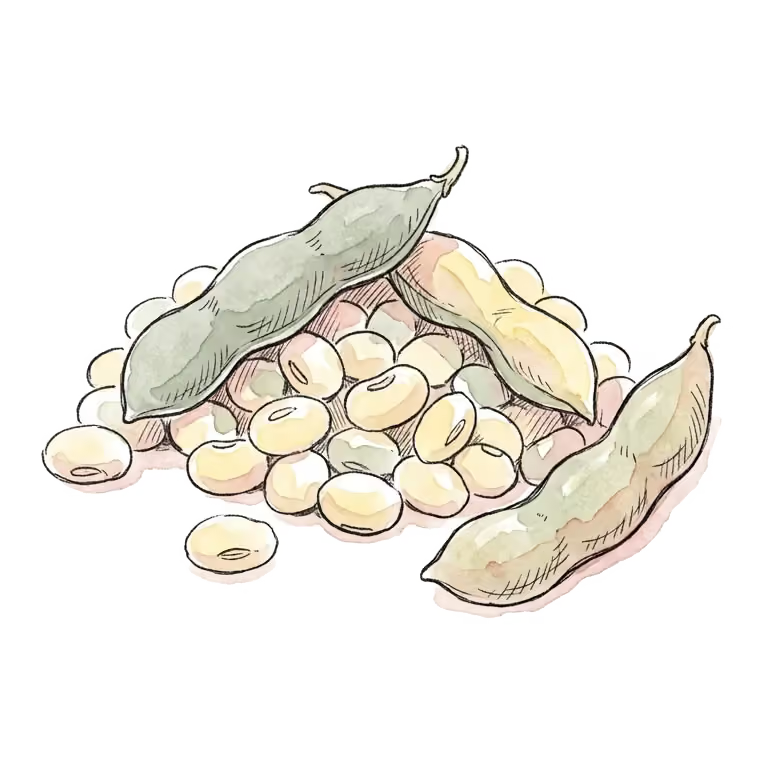
Soybeans (Glycine max)
Glycine max · also known as soya bean, soya, edamame (immature form), soy
By Superfoods Advisor Editors·July 3, 2026
Are soybeans bad for you? Not for most people: soy is a complete protein that modestly lowers LDL. The evidence on estrogen, thyroid, cancer and allergy.
For most people, soybeans are not bad for you. Soybeans (Glycine max) are a legume with complete protein (18.2 g per 100 g boiled), fiber and isoflavones, and soy protein modestly lowers LDL cholesterol. Large cohort studies have not found the feared rise in breast cancer risk. The main cautions are soy allergy, raw soy, and levothyroxine timing.
Native to East Asia, the soybean is one of the most widely grown legumes in the world. Its protein digestibility-corrected amino acid score (PDCAAS) is among the highest of any commonly eaten plant food, approaching the maximum of 1.0 in some processed forms, meaning it provides all nine essential amino acids in proportions that meet human requirements. Beyond protein, soybeans are distinguished by their content of isoflavone phytoestrogens (genistein, daidzein, glycitein), their unique fatty acid profile, and a complex of antinutritional factors: trypsin inhibitors and lectins, which are largely inactivated by thorough cooking, and phytic acid, which is heat-stable and is reduced mainly by soaking, sprouting, or fermentation.
Soybeans have been cultivated in China for several thousand years, where soybeans appear among the “five grains” (wu gu) listed in ancient Chinese texts. They spread to Korea and Japan long before reaching the West; soybeans were brought to North America in 1765 (Hymowitz & Harlan, 1983) but became a major Western field crop only in the 20th century. Today, the United States, Brazil, and Argentina together produce the large majority of global soybean output; the vast majority is processed into soybean oil and soy meal used as animal feed. For human consumption, soybeans take numerous forms: whole cooked soybeans, edamame (immature; see dedicated edamame entry), tofu, tempeh, miso, soy milk, soy protein concentrate, and soy protein isolate. Nutritional properties differ substantially across these forms depending on processing.
Few foods have attracted as much debate in nutrition science as the soybean. The isoflavone-phytoestrogen debate, questions about thyroid interference, and concerns about hormone-sensitive cancers have generated an extensive — and at times contradictory — literature. This entry attempts to present that evidence accurately and in appropriate context.
Evidence at a glance
Active Compounds
- Complete protein (PDCAAS ~0.9): Mature raw soybeans contain approximately 36 g protein per 100 g (USDA FoodData Central), and approximately 18 g per 100 g boiled (USDA FoodData Central). Unlike most other legume proteins, soy protein provides all essential amino acids in quantities that meet adult human requirements, although the sulfur amino acids (methionine and cysteine) are its most limiting. Measured scores vary with the product and its processing: a quantitative review of soy protein-quality studies found a mean PDCAAS of about 0.86 across soy products, or about 0.92 after excluding samples that had been further heat-treated (van den Berg et al., 2022). This is nutritionally significant: soy-based diets can support adequate protein nutrition without complementary grains.
- Isoflavones (genistein, daidzein, glycitein): Soybeans are by far the richest dietary source of isoflavones, with boiled mature soybeans averaging about 65 mg total isoflavones per 100 g, and individual samples ranging from roughly 23 to 128 mg depending on variety, growing conditions, and processing (USDA Isoflavone Database, Release 2.1). In boiled soybeans, genistein and daidzein are present in roughly equal amounts, with glycitein a small remainder (about 6% of the total, per the same database). Isoflavones are phytoestrogens — plant compounds that bind to estrogen receptors (ER-α and ER-β) with much lower affinity than endogenous 17β-estradiol, and with relatively stronger binding at ER-β than at ER-α (Kuiper et al., 1998). They can exert either weak estrogenic or anti-estrogenic effects depending on tissue type, circulating estrogen levels, and individual receptor expression.
- Equol: Only some adults harbor gut microbiota capable of converting daidzein to equol (roughly 20–30% of Western adults versus 50–70% of East Asian adults, per Sekikawa et al., 2019), a metabolite with greater estrogenic potency and stronger ER-β affinity than daidzein itself. Equol producer status has been proposed to modify the physiological effects of soy isoflavone consumption, but trials comparing producers and non-producers have been small and their results inconsistent. Equol production depends mainly on gut microbiome composition, which is shaped in part by diet.
- Trypsin inhibitors (Bowman-Birk and Kunitz inhibitors): Raw soybeans contain potent serine protease inhibitors that block trypsin and chymotrypsin activity, impairing protein digestion and (in animals) causing pancreatic hypertrophy. Adequate heat treatment (thorough boiling, autoclaving, or the commercial processing used for soy products) inactivates most trypsin inhibitor activity. Raw soy flour may retain significant activity.
- Phytic acid: Soybeans are high in phytic acid, which reduces iron, zinc, and calcium absorption. Fermentation (as in tempeh, miso, and natto) lowers phytate content through microbial phytase activity; ordinary cooking does not destroy phytic acid.
- Lectins (soybean agglutinin, SBA): Largely inactivated by thorough cooking.
- Saponins: Soybeans contain soyasaponins, a group of oleanane-type triterpenoid glycosides (Guang et al., 2014), with proposed cholesterol-lowering activity; evidence for meaningful clinical effects in humans is limited.
- Omega-6 and omega-3 fatty acids: The fat in raw soybeans (approximately 20 g/100 g) is predominantly polyunsaturated: linoleic acid (omega-6, approximately 50% of total fat) and alpha-linolenic acid (ALA, omega-3, approximately 7%), with small amounts of saturated fat (USDA FoodData Central). Soybean oil is the dominant vegetable oil in the US food supply.
- Vitamin K2 (menaquinone-7) in fermented forms: Natto (fermented soybeans, particularly popular in Japan) is the richest dietary source of vitamin K2 (MK-7), with one HPLC analysis measuring about 940 µg MK-7 per 100 g (Kamao et al., 2007) — enough that natto is generally avoided by people taking warfarin (Nakajima et al., 2021). This is a property of Bacillus subtilis var. natto fermentation, not of plain cooked soybeans.
Nutritional Profile
Per 100 g boiled mature soybeans, without salt (USDA FoodData Central; isoflavones from the USDA Isoflavone Database):
| Nutrient | Amount | % DV |
|---|---|---|
| Energy | 172 kcal | — |
| Protein | 18.2 g | — |
| Total fat | 9.0 g | — |
| Saturated fat | 1.3 g | — |
| Polyunsaturated fat | 5.1 g | — |
| Carbohydrate | 8.4 g | — |
| Dietary fiber | 6.0 g | — |
| Sugars | 3.0 g | — |
| Folate | 54 µg DFE | 14% |
| Calcium | 102 mg | 8% |
| Iron | 5.1 mg | 29% |
| Magnesium | 86 mg | 20% |
| Potassium | 515 mg | 11% |
| Zinc | 1.2 mg | 10% |
| Phosphorus | 245 mg | 20% |
| Total isoflavones | ~65 mg | — |
Iron content is substantial, but it is non-heme iron, whose absorption is reduced by phytate and is generally lower than the 15–35% bioavailability of heme iron from animal foods (NIH Office of Dietary Supplements).
Evidence for Purported Benefits
Protein Adequacy (Complete Protein, PDCAAS ~0.9)
Evidence:Strong Amino acid composition and digestibility are well measured; scores vary with processing.
Soy protein’s complete amino acid profile and high digestibility are not scientifically contested. Acute studies suggest whey stimulates muscle protein synthesis more than soy, but a meta-analysis of nine resistance-training trials found that soy and animal protein supplements produced similar gains in strength and lean mass (Messina et al., 2018; the lead author consults for the soy industry). Measured protein-quality scores vary with the product and its processing, and heat-treated samples score lower (van den Berg et al., 2022). For individuals following plant-based or vegan diets, soybeans and soy products are among the most complete plant protein sources available.
Cardiovascular Disease (Lipid Lowering)
Evidence:Moderate Meta-analyses of RCTs show about 3–4% lower LDL; the FDA proposed revoking the soy heart claim in 2017.
Soy protein lowers LDL cholesterol, but by less than early studies suggested. A 1995 landmark meta-analysis (Anderson et al., 1995, New England Journal of Medicine) found that soy protein consumption reduced LDL cholesterol by approximately 12.9%. This result prompted the FDA to authorize a health claim in 1999 stating that “25 grams of soy protein per day, as part of a diet low in saturated fat and cholesterol, may reduce the risk of heart disease.” However, subsequent meta-analyses with stricter methodology have shown smaller and more variable effects. In 2017, after reviewing the totality of the evidence, the FDA tentatively concluded that it no longer met the “significant scientific agreement” standard and proposed revoking the authorized health claim (FDA proposed rule, 2017); as of the agency’s most recent Federal Register notices, that proposal had not been finalized. A meta-analysis of the 43 trials with usable data from the FDA’s own evidence set found that a median 25 g/day of soy protein lowered LDL cholesterol by approximately 3–4% (Blanco Mejia et al., 2019; several authors are affiliated with the soy industry) — a modest but not trivial effect.
Menopausal Symptom Relief
Evidence:Moderate An isoflavone meta-analysis found fewer hot flashes; a Cochrane review of phytoestrogens was inconclusive. Trials used extracts, not soybeans.
The most consistent clinical evidence for soy isoflavone benefit involves menopausal hot flashes. A Cochrane review (Lethaby et al., 2013) of 43 randomized trials found no conclusive evidence that phytoestrogen supplements as a class reduce hot flash frequency or severity, although trials of extracts providing more than 30 mg/day of genistein consistently reported fewer hot flashes, and placebo responses were large. A meta-analysis restricted to soy isoflavones (Taku et al., 2012, Menopause) found a 20.6% greater reduction in daily hot flash frequency for isoflavone interventions vs. placebo. Effects are smaller than those of hormone therapy. Some small trials suggest equol producers may respond better, but this has not been firmly established. The mechanism is not settled; estrogen-receptor activity in thermoregulatory centers has been proposed.
Bone Health
Evidence:Limited A meta-analysis of isoflavone extract trials found higher spine bone density only; fracture effects are unknown.
Estrogen deficiency is a primary driver of postmenopausal bone loss, and the weak estrogenic activity of soy isoflavones has prompted investigation as a bone-protective intervention. A meta-analysis of randomized trials (Taku et al., 2010, Asia Pacific Journal of Clinical Nutrition; 1,240 menopausal women) found that about 82 mg/day of soy isoflavone extract for 6–12 months increased lumbar spine bone mineral density by roughly 2.4% compared with controls, with no significant effect at the femoral neck or total hip. The clinical significance for fracture risk is unestablished.
Cancer Risk (Hormone-Sensitive Cancers)
Evidence:Preliminary Large cohorts find no added breast cancer risk, possibly lower; the concerns came from cell and animal studies.
The phytoestrogen content of soybeans prompted significant concern that soy consumption might stimulate estrogen-receptor-positive breast cancer growth. This concern arose largely from laboratory and animal studies, such as genistein stimulating ER+ breast cancer cell proliferation at certain concentrations; a review of the human literature concluded that these concerns are based primarily on animal data (Messina, 2016; the author directs a soy-industry-funded institute). Subsequent clinical and epidemiological evidence has not confirmed this theoretical risk and in some cases suggests the opposite:
- In the China Kadoorie Biobank (over 300,000 Chinese women), moderate soy intake was not associated with breast cancer risk, and a dose-response meta-analysis of prospective studies in the same report found a small inverse association with isoflavone intake (Wei et al., 2020).
- For breast cancer survivors, the Shanghai Breast Cancer Survival Study (Shu et al., 2009, JAMA, n=5,042) found that higher soy food intake after diagnosis was associated with significantly reduced breast cancer mortality and recurrence — results that ran counter to precautionary advice that had been given to survivors to avoid soy.
- One proposed mechanism is that isoflavones at food-level concentrations act as partial agonists at estrogen receptors, which could blunt stronger endogenous estrogen activity in estrogen-replete women; this has not been confirmed clinically.
The American Cancer Society states that a large body of evidence supports the safety of soy foods as part of a healthy diet, while advising against soy supplements, which can contain much higher amounts of isoflavones than foods (American Cancer Society). However, the evidence base remains imperfect, and individuals with hormone-sensitive cancers should discuss soy intake with their oncologist for personalized guidance.
Type 2 Diabetes Risk
Evidence:Preliminary A cohort meta-analysis found no link for total soy but inverse links for tofu and isoflavones; quality rated low.
In a meta-analysis of 15 prospective cohorts, total soy intake was not significantly associated with type 2 diabetes risk, although tofu, soy protein, and soy isoflavone intakes were inversely associated; the authors rated the evidence quality as low (Tang et al., 2020). Proposed mechanisms include the low glycemic index of soybeans (about 16 on the glucose scale, per the international GI tables), the effects of soy protein on insulin sensitivity, and genistein’s effects on pancreatic beta-cell function in animal and cell studies (Gilbert & Liu, 2013). RCT evidence is limited and heterogeneous.
Typical Use and Preparation
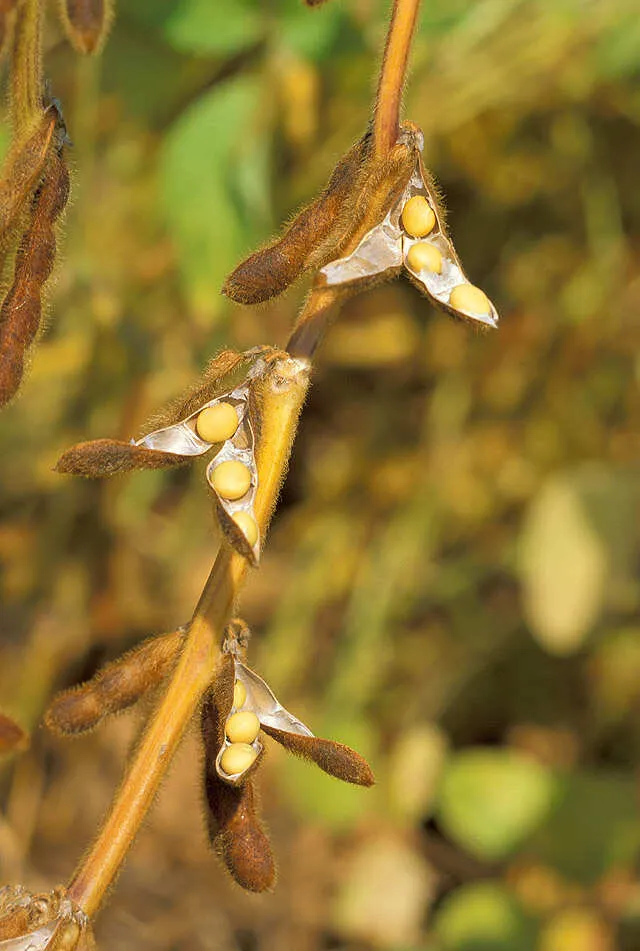 Photo: USDA, public domain, via Wikimedia Commons
Dried soybeans require soaking (8–12 hours) and thorough cooking (2–3 hours simmering, or 45 minutes in a pressure cooker) to inactivate trypsin inhibitors and lectins and achieve palatable texture. Unlike most beans, soybeans have a relatively bland flavor that benefits from seasoning. Cooked whole soybeans can be used in soups, stews, and grain bowls.
The majority of soy consumed globally is in processed forms, each with a distinct nutritional profile:
- Tofu (soybean curd): Coagulated soy protein from soy milk using calcium or magnesium salts. Lower in isoflavones than whole beans due to loss of isoflavone-containing whey during production. Calcium-set tofu is a significant calcium source.
- Tempeh: Whole cooked soybeans fermented with Rhizopus oligosporus mold. Higher in protein and lower in phytate (fermentation activates phytase). Rhizopus itself makes no vitamin B12, but contaminating bacteria can produce active B12 in unpredictable amounts (Keuth & Bisping, 1993), so tempeh is not a reliable B12 source for vegans.
- Miso: Fermented soybean paste with rice or barley. High sodium content is a consideration; the fermentation reduces phytate.
- Natto: Bacillus subtilis natto-fermented soybeans. Exceptionally rich in vitamin K2 (MK-7). Sticky texture and strong flavor; widely consumed in Japan, less common elsewhere.
- Soy milk: Processed soymilk beverage; unsweetened fortified versions are among the closest plant-based matches to dairy milk for protein, though protein and fortification vary by brand.
- Soy protein isolate: Highly processed (90%+ protein); removes most fat and carbohydrates; used in protein powders, meat alternatives, and processed foods. Isoflavone content varies widely with the extraction method and is lower per gram of protein than in whole soybeans.
- Edamame: See the dedicated edamame entry.
Soy milk supplies the protein base of the matcha smoothie recipe. The plant-based protein guide compares soy foods with other plant proteins, and the heart health superfoods guide covers soy among foods studied for cholesterol.
Safety, Interactions, and Contraindications
Thyroid function and levothyroxine absorption: Genistein inactivates thyroid peroxidase (TPO) in vitro and in rats, although the rats’ thyroid hormone levels stayed normal; iodine deficiency greatly increases soy’s antithyroid effects (Doerge & Sheehan, 2002). Goiter has been reported in rare cases associated with soy-based infant formula in iodine-deficient infants. In a review of 14 trials in presumably healthy adults, soy foods or isoflavones produced either no effect or only very modest changes in thyroid function, providing little evidence of harm in euthyroid, iodine-replete people (Messina & Redmond, 2006). Case reports suggest soy foods may reduce levothyroxine absorption, although the only prospective randomized crossover study found no difference when levothyroxine and soy isoflavones were taken together, and the clinical impact appears small (Gatta et al., 2023). Individuals taking levothyroxine are commonly advised to keep soy intake consistent and to separate it from their dose by a few hours. Individuals with subclinical hypothyroidism who are borderline for treatment may wish to discuss their level of soy consumption with an endocrinologist.
Soy allergy: Soy is one of the nine major food allergens declared on US labels; the FASTER Act of 2021 added sesame as the ninth, effective January 1, 2023 (FDA). Soy allergy is most common in young children, many of whom outgrow it (Savage et al., 2010), and is less common in adults. It is distinct from peanut allergy, though cross-reactivity with other legumes is possible. Individuals with soy allergy must avoid soybeans and soy-derived ingredients. Highly refined oils are exempt from US allergen labeling (FDA), and highly refined soy oil (with most protein removed) may be tolerated by some soy-allergic individuals, but this varies; consult an allergist for individual guidance.
Phytoestrogen caution — breast cancer survivors: As described in the Evidence section, the evidence no longer supports a blanket recommendation to avoid soy foods for breast cancer survivors, and several guidelines now explicitly permit moderate consumption. However, high-dose isoflavone supplements remain more concerning than food-level consumption and are generally not recommended for hormone-sensitive cancer patients without oncologist guidance.
Trypsin inhibitors — raw soy: Raw or undercooked soybeans and raw soy flour contain active trypsin inhibitors that impair protein digestion. All standard cooked and commercial soy food products have these inactivated. Raw soy milk that has not been properly heated and raw soy flour added to products without cooking should be avoided.
Gout: Soybean foods fall below the conventional 200 mg/100 g high-purine cutoff (Kaneko et al., 2008); current evidence does not strongly implicate soy consumption in gout attacks, but very high intake in individuals with hyperuricemia may warrant discussion with a healthcare provider.
Kidney disease (CKD): Soybeans are high in phosphorus, potassium, and protein. Individuals with advanced CKD requiring restriction of these nutrients should discuss soy intake with a nephrologist or registered dietitian. Plant-based phosphorus is less bioavailable than animal-derived phosphorus, and a short crossover study in CKD patients found lower serum phosphorus on a vegetarian diet (Moe et al., 2011), but high intake of soy still contributes meaningfully.
Warfarin: Natto (fermented soybean) is extremely high in vitamin K2 (MK-7, ~940 µg/100 g) and is generally avoided by people taking warfarin (Nakajima et al., 2021). Plain cooked soybeans contain far less vitamin K than natto; people on warfarin are generally advised to keep their vitamin K intake consistent.
Frequently Asked Questions
Are soybeans good for you?
For most people, yes. Soybeans are one of the few plant foods with complete protein, plus fiber, iron, magnesium and potassium. Trials show soy protein modestly lowers LDL cholesterol, and isoflavone extracts reduced hot flashes in a meta-analysis. Evidence on diabetes and bone is preliminary or limited. People with soy allergy should avoid them.
Does soy raise estrogen or cause cancer?
Soy isoflavones bind estrogen receptors far more weakly than the body’s own estradiol and can act as weak estrogens or anti-estrogens depending on the tissue. Concerns about breast cancer came mainly from cell and animal studies. In large cohorts, soy foods were not linked to higher breast cancer risk, and the American Cancer Society considers soy foods safe while advising against high-dose supplements.
Can soybeans be eaten raw?
No. Raw soybeans contain trypsin inhibitors that block protein digestion and lectins, both largely inactivated by thorough cooking. Dried soybeans need soaking for 8–12 hours and 2–3 hours of simmering, or about 45 minutes in a pressure cooker. Raw soy flour and unheated soy milk should also be avoided; commercial soy foods are already heat-treated.
Are soybeans and edamame the same?
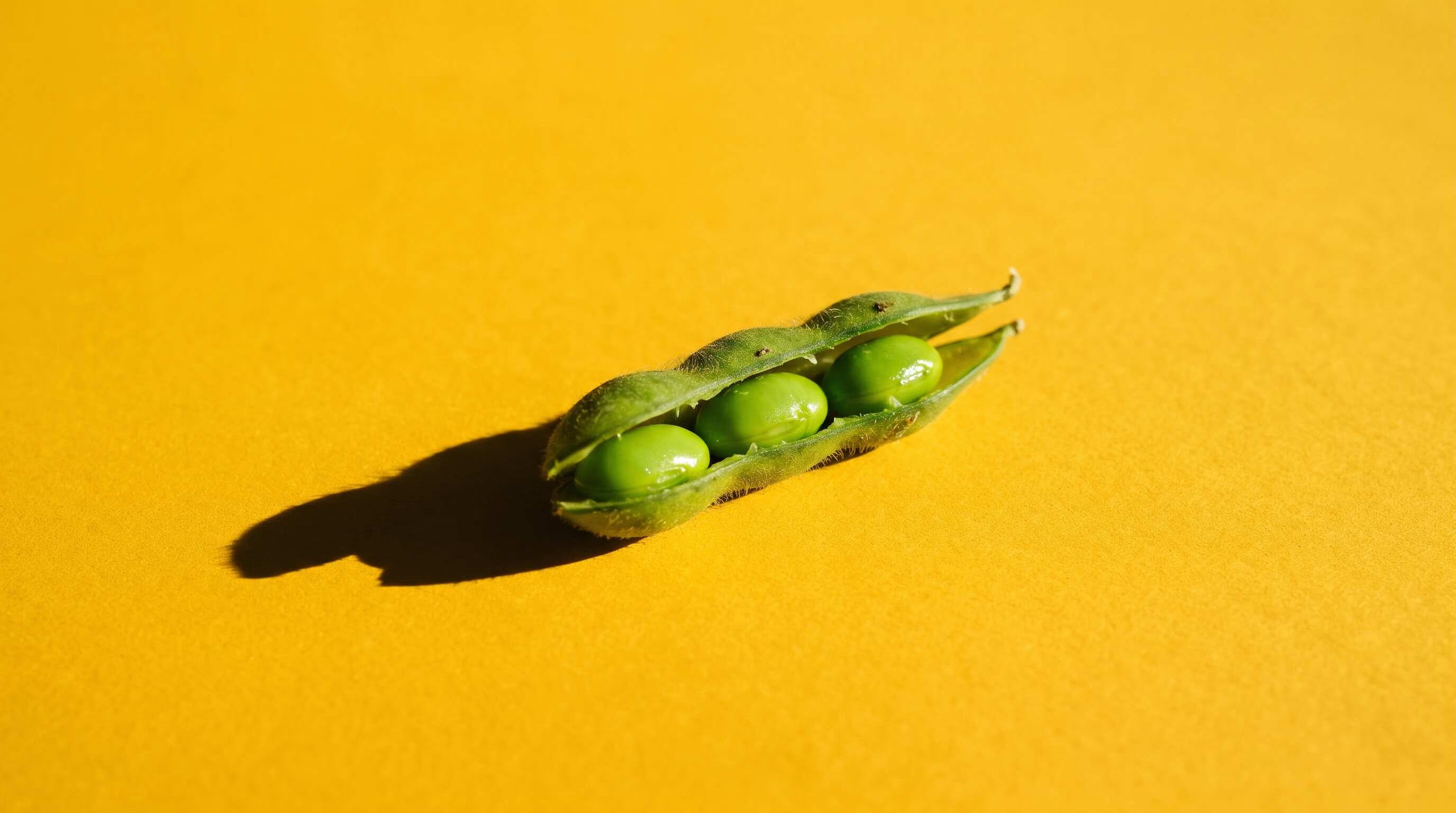
They are the same plant, Glycine max, harvested at different stages. Edamame is picked young and green and eaten as a vegetable; mature soybeans are left to dry and harden and are used for tofu, soy milk, tempeh and oil. Mature soybeans are higher in protein, calories and isoflavones per gram because they hold less water.
Are soybeans a legume or a nut?
Soybeans are a legume, a member of the pea family, like beans, lentils and chickpeas. They are not a nut, although roasted “soy nuts” are sold as a snack. Soy allergy is distinct from peanut allergy (peanuts are also legumes), though some cross-reactivity between legumes is possible, so people with allergies should ask an allergist.
Are soybeans gluten free?
Plain soybeans contain no gluten-containing grain. Soy products are another matter: soy sauce is commonly brewed with wheat, and barley miso is made with barley, so the product label is what tells you. Tamari labeled gluten-free, plain tofu, edamame, soy milk and tempeh without added grains are generally suitable, but cross-contact is possible, so people with celiac disease should check each product’s label.
References
Show all 28 referencesShow fewer
- Anderson, J. W., et al. (1995). Meta-analysis of the effects of soy protein intake on serum lipids. New England Journal of Medicine, 333(5), 276–282.
- Shu, X. O., et al. (2009). Soy food intake and breast cancer survival. JAMA, 302(22), 2437–2443.
- Taku, K., et al. (2012). Extracted or synthesized soybean isoflavones reduce menopausal hot flash frequency and severity: systematic review and meta-analysis of randomized controlled trials. Menopause, 19(7), 776–790.
- Messina, M. (2016). Soy and health update: evaluation of the clinical and epidemiologic literature. Nutrients, 8(12), 754.
- US Food and Drug Administration. (2017). Food Labeling: Health Claims; Soy Protein and Coronary Heart Disease (proposed rule). Federal Register, 82 FR 50324.
- Doerge, D. R., & Sheehan, D. M. (2002). Goitrogenic and estrogenic activity of soy isoflavones. Environmental Health Perspectives, 110(Suppl 3), 349–353.
- Taku, K., Melby, M. K., Takebayashi, J., et al. (2010). Effect of soy isoflavone extract supplements on bone mineral density in menopausal women: meta-analysis of randomized controlled trials. Asia Pacific Journal of Clinical Nutrition, 19(1), 33–42.
- Lethaby, A., Marjoribanks, J., Kronenberg, F., et al. (2013). Phytoestrogens for menopausal vasomotor symptoms. Cochrane Database of Systematic Reviews, (12), CD001395.
- Blanco Mejia, S., et al. (2019). A meta-analysis of 46 studies identified by the FDA demonstrates that soy protein decreases circulating LDL and total cholesterol concentrations in adults. Journal of Nutrition, 149(6), 968–981.
- van den Berg, L. A., et al. (2022). Protein quality of soy and the effect of processing: a quantitative review. Frontiers in Nutrition.
- Sekikawa, A., et al. (2019). Effect of S-equol and soy isoflavones on heart and brain. Current Cardiology Reviews.
- Kamao, M., et al. (2007). Vitamin K content of foods and dietary vitamin K intake in Japanese young women. Journal of Nutritional Science and Vitaminology, 53(6), 464–470.
- Gatta, E., et al. (2023). Interference or noninterference between soy and levothyroxine: that is the question. A narrative review of literature. Endocrine Practice.
- Bhagwat, S., & Haytowitz, D. B. (2015). USDA Database for the Isoflavone Content of Selected Foods, Release 2.1. US Department of Agriculture.
- Messina, M., & Redmond, G. (2006). Effects of soy protein and soybean isoflavones on thyroid function in healthy adults and hypothyroid patients: a review of the relevant literature. Thyroid, 16(3), 249–258.
- Messina, M., et al. (2018). No difference between the effects of supplementing with soy protein versus animal protein on gains in muscle mass and strength in response to resistance exercise. International Journal of Sport Nutrition and Exercise Metabolism, 28(6), 674–685.
- Wei, Y., et al. (2020). Soy intake and breast cancer risk: a prospective study of 300,000 Chinese women and a dose-response meta-analysis. European Journal of Epidemiology, 35(6), 567–578.
- Tang, J., et al. (2020). Legume and soy intake and risk of type 2 diabetes: a systematic review and meta-analysis of prospective cohort studies. American Journal of Clinical Nutrition, 111(3), 677–688.
- Atkinson, F. S., Foster-Powell, K., & Brand-Miller, J. C. (2008). International tables of glycemic index and glycemic load values: 2008. Diabetes Care, 31(12), 2281–2283.
- Gilbert, E. R., & Liu, D. (2013). Anti-diabetic functions of soy isoflavone genistein: mechanisms underlying its effects on pancreatic β-cell function. Food & Function, 4(2), 200–212.
- Kuiper, G. G., et al. (1998). Interaction of estrogenic chemicals and phytoestrogens with estrogen receptor beta. Endocrinology, 139(10), 4252–4263.
- Guang, C., et al. (2014). Biological functionality of soyasaponins and soyasapogenols. Journal of Agricultural and Food Chemistry, 62(33), 8247–8255.
- Nakajima, T., et al. (2021). First clinical trial of a newly developed, low menaquinone-7, fermented soybean natto in warfarin-dependent patients. Journal of Medicinal Food, 24(8), 860–865.
- Keuth, S., & Bisping, B. (1993). Formation of vitamins by pure cultures of tempe moulds and bacteria during the tempe solid substrate fermentation. Journal of Applied Bacteriology, 75(5), 427–434.
- Savage, J. H., et al. (2010). The natural history of soy allergy. Journal of Allergy and Clinical Immunology, 125(3), 683–686.
- Kaneko, K., et al. (2008). Purine contents of soybean-derived foods and selected Japanese vegetables and mushrooms. Nucleosides, Nucleotides and Nucleic Acids, 27(6), 628–630.
- Moe, S. M., et al. (2011). Vegetarian compared with meat dietary protein source and phosphorus homeostasis in chronic kidney disease. Clinical Journal of the American Society of Nephrology, 6(2), 257–264.
- Hymowitz, T., & Harlan, J. R. (1983). Introduction of soybean to North America by Samuel Bowen in 1765. Economic Botany, 37(4), 371–379.
Related content
More in Grains & Legumes
- Amaranth (Amaranthus spp.)
Amaranth benefits and nutrition: a gluten-free pseudocereal high in lysine, manganese and iron, what human studies show, and its side effects.
- Beans (Phaseolus spp.)
Beans benefits and nutrition: protein, fiber, folate and resistant starch in navy, pinto, black and kidney beans, what studies show, and side effects.
- Black Beans (Phaseolus vulgaris)
Black beans vs pinto beans compared, plus black beans nutrition and benefits: 8.9 g protein and 8.7 g fiber per 100 g cooked, and what studies show.
- Brown Rice (Oryza sativa)
Brown rice vs white rice: brown keeps the bran, with 4x the fiber and 3x the magnesium, a slightly lower GI and more arsenic. Benefits and evidence.
- Buckwheat (Fagopyrum esculentum)
Is buckwheat gluten free? Yes: it is a seed unrelated to wheat. Buckwheat nutrition, rutin, glycemic index, benefits, allergy and side effects.
- Chickpeas (Cicer arietinum)
Chickpeas (garbanzo beans) benefits and nutrition: 8.9 g protein, 7.6 g fiber and 43% DV folate per 100 g, a GI near 28, what studies show, side effects.

Curated by Superfoods Advisor Editors·Last updated