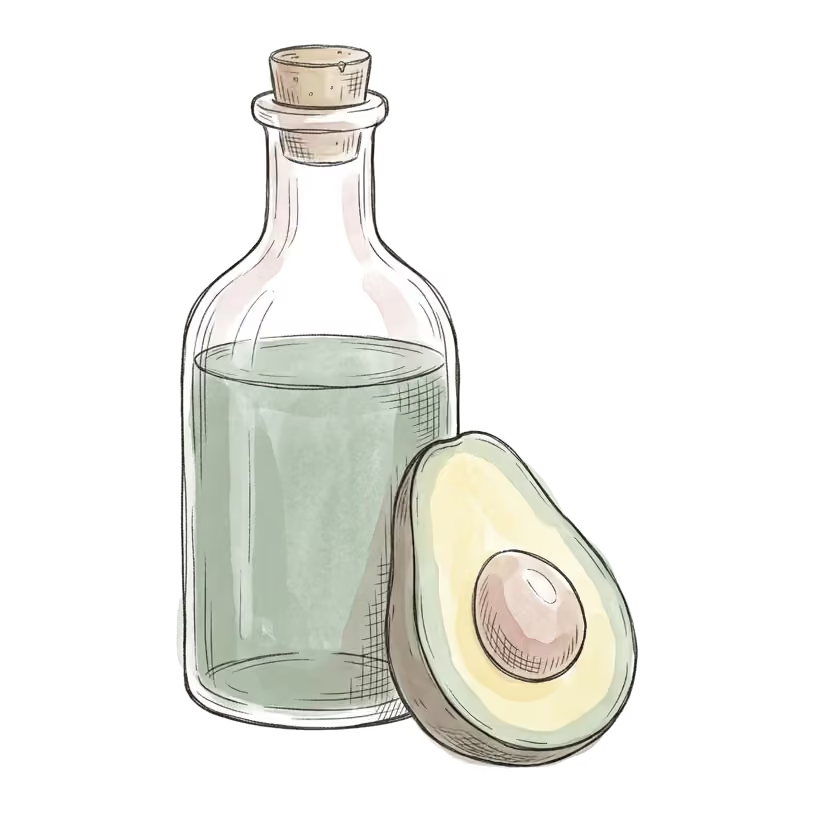
Avocado Oil (Persea americana)
Persea americana · also known as avocado fruit oil, cold-pressed avocado oil, extra virgin avocado oil
By Superfoods Advisor Editors·July 3, 2026
Avocado oil vs olive oil: how the two compare on fat profile, smoke point and vitamin E, plus avocado oil benefits, nutrition, uses and side effects.
Avocado oil is a plant oil pressed from the pulp of the avocado fruit (Persea americana), not its seed, so it is not a seed oil. Compared with olive oil it has a similar fat profile (about 68% oleic acid versus roughly 71%), a higher reported smoke point (above 250 °C; Aktar & Adal, 2019), and far less clinical research behind it.
Cold-pressed (expeller-pressed at low temperatures) avocado oil keeps a green hue from chlorophylls and carotenoids and a mild, buttery flavor. It retains more fat-soluble phytochemicals than refined oil, and its mostly monounsaturated fat makes it more heat-stable than fragile oils such as flaxseed oil. The whole fruit has its own entry: avocado.
Evidence at a glance
Active Compounds
Fatty acid profile. Avocado oil is approximately 68% oleic acid (18:1 n-9), a monounsaturated omega-9 fatty acid also predominant in extra virgin olive oil (USDA FoodData Central). The remainder comprises roughly 11% palmitic acid (16:0, saturated), 12% linoleic acid (18:2 n-6, polyunsaturated), and smaller fractions of alpha-linolenic acid (18:3 n-3), palmitoleic acid (16:1), and stearic acid (18:0).
Lutein and zeaxanthin. Cold-pressed avocado oil contains measurable quantities of lutein, a xanthophyll carotenoid concentrated in the macular region of the human retina. Carotenoid and chlorophyll content varies with fruit maturity, cultivar, and extraction method (Flores et al., 2019). Avocado oil’s main documented role with lutein is as a carrier: in a small feeding study, adding it to a salad increased absorption of the salad’s own lutein and other carotenoids (see Evidence section).
Vitamin E (tocopherols). Cold-pressed avocado oil supplies alpha-tocopherol, the form of vitamin E most bioavailable to humans. Reported alpha-tocopherol values span roughly 8–19 mg per 100 g oil (Aktar & Adal, 2019), varying with cultivar and extraction, and refining substantially reduces this fraction. In a direct comparison, avocado oil contained less vitamin E than olive oil (24.5 vs. 35.5 mg/100 g; Berasategi et al., 2012).
Chlorophylls and phytosterols. The characteristic green color of unrefined avocado oil derives from pheophytin a and b (chlorophyll degradation products). Beta-sitosterol is the dominant phytosterol. One analysis measured about 340 mg total phytosterols per 100 g, higher than the olive oil it was compared with (about 228 mg/100 g; Berasategi et al., 2012). A tablespoon therefore supplies roughly 50 mg, well below the gram-level intakes used in cholesterol-lowering phytosterol trials.
Persenones. Persenone A and B are unusual lipid compounds isolated from avocado fruit that suppressed nitric oxide and superoxide generation in cell-culture models (Kim et al., 2000); how much reaches the oil, and whether they act in humans, has not been established.
Avocado Oil vs Olive Oil
The two oils are closer than marketing suggests: both are mostly oleic acid and both suit everyday cooking. The practical differences are heat tolerance, minor compounds and the depth of the research.
Fat profile: about 68% oleic acid in avocado oil (USDA) and about 71% in olive oil, with similar shares of saturated and polyunsaturated fat.
Heat: avocado oil’s smoke point is generally reported above 250 °C. Extra virgin olive oil has no single agreed figure, but it held up well in heating tests described in the extra virgin olive oil entry.
Vitamin E and phytosterols: in one analysis, avocado oil had less vitamin E (24.5 vs. 35.5 mg/100 g) but more phytosterols (about 340 vs. 228 mg/100 g) than olive oil (Berasategi et al., 2012).
Polyphenols and evidence: extra virgin olive oil carries oleocanthal and hydroxytyrosol and has large outcome trials such as PREDIMED behind it. Avocado oil has no comparable polyphenol standard and has been tested in people far less.
Evidence for Purported Benefits
Cardiovascular lipid profile
Evidence:Preliminary Fat-swap meta-analyses and one whole-avocado feeding trial support lower LDL; avocado oil itself has barely been tested in people.
In a meta-analysis of 60 controlled feeding trials, replacing saturated fat with cis-unsaturated fats, which include monounsaturated oleic acid, lowered the ratio of total to HDL cholesterol (Mensink et al., 2003). A randomized crossover controlled-feeding trial (Wang et al., 2015) in 45 overweight or obese adults compared three 5-week cholesterol-lowering diets: lower-fat, moderate-fat using mainly high-oleic oils, and moderate-fat with one Hass avocado a day. LDL cholesterol fell from baseline by 13.5 mg/dL on the avocado diet, more than on the fatty-acid-matched moderate-fat diet (8.3 mg/dL) or the lower-fat diet (7.4 mg/dL). Because the oil-based diet matched the avocado diet’s fatty acids but lowered LDL less, the authors concluded that whole avocado’s effect extends beyond its fatty acid profile, so the result cannot simply be transferred to avocado oil.
Avocado oil specifically has been less studied than olive oil in human cardiovascular trials. Evidence for avocado oil’s cardiovascular effects in isolation remains preliminary.
Carotenoid bioavailability
Evidence:Preliminary Small crossover studies (11 adults each) show added fat, avocado oil included, raises carotenoid absorption.
The lipid matrix of avocado oil enhances the intestinal absorption of fat-soluble carotenoids through a process called micellarization — emulsification of dietary fat into mixed micelles that carry carotenoids to the intestinal cells that absorb them. In small crossover studies (11 healthy adults each), Unlu et al. (2005) found that adding avocado to salsa increased lycopene and beta-carotene absorption, and that adding either 150 g of avocado or 24 g of avocado oil to a salad similarly increased absorption of alpha-carotene, beta-carotene, and lutein compared with an avocado-free salad; the lipid source made no difference. A later crossover study using fresh avocado (Kopec et al., 2014) reported that it also increased beta-carotene absorption from tomato sauce and carrots and its conversion to vitamin A. This lipid-vector effect is not specific to avocado oil; other dietary fats are expected to work similarly.
Blood pressure and endothelial function
Evidence:Insufficient No human trials; the one rat study cited did not measure blood pressure.
Human data on avocado oil and blood pressure or endothelial function are sparse. In a rat model of sucrose-induced metabolic changes, avocado oil lowered triglycerides, VLDL, LDL and hs-CRP without affecting HDL, with effects similar to olive oil (Carvajal-Zarrabal et al., 2014); that study did not measure blood pressure.
Skin and wound healing
Evidence:Lab & animal only Rat wound studies only; no randomized trials in people, and no data on eating avocado oil.
In a rat wound model, topical avocado oil increased wound contraction and collagen density compared with petroleum jelly (de Oliveira et al., 2013), while older animal work found avocado and soybean oil mixtures reduced collagen cross-linking (Flores et al., 2019). Topical avocado oil formulations are used commercially, but rigorous randomized controlled trials in humans are lacking. Any skin benefit from dietary avocado oil is currently speculative.
Typical Use and Culinary Applications
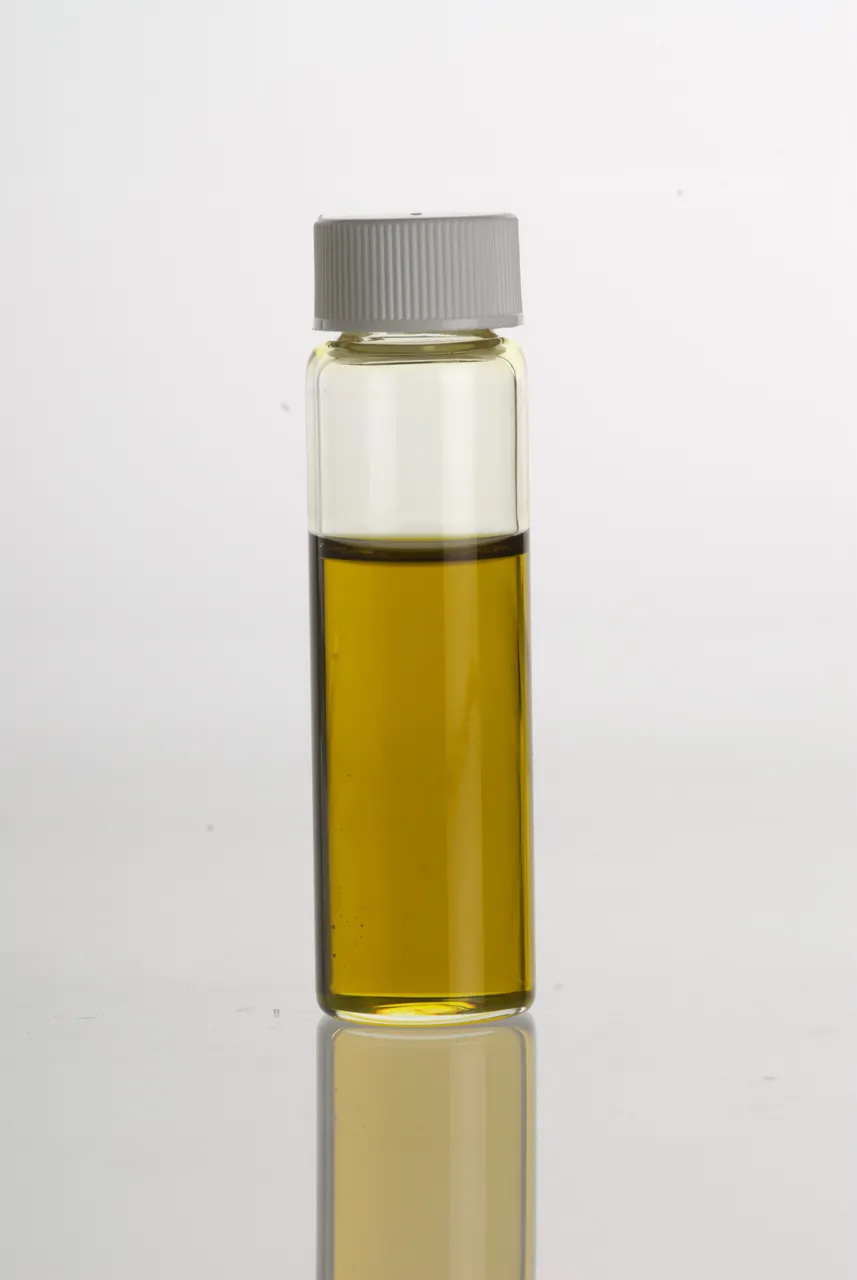 Photo: Itineranttrader, public domain, via Wikimedia Commons
Smoke point and heat stability. Avocado oil’s smoke point is generally reported above 250 °C (Aktar & Adal, 2019), though the figure for any given bottle depends on refining and free fatty acid content. This makes it a common choice for searing, stir-frying, roasting, and grilling, although all oils oxidize to some degree under prolonged high heat.
Raw and finishing use. The mild, buttery flavor of cold-pressed avocado oil makes it suitable for salad dressings, dips, and drizzling over finished dishes, applications in which its carotenoid and vitamin E content is fully preserved.
Emulsification. Avocado oil’s mild flavor suits emulsified preparations such as homemade mayonnaise and vinaigrettes, where the egg yolk or mustard provides the emulsifier.
Typical serving size. One tablespoon (~14 g) provides approximately 124 kcal, 14 g total fat (10 g MUFA), 0 g carbohydrate, and 0 g protein (USDA FoodData Central). Caloric density is high and should be accounted for in energy-controlled diets.
Storage. Store in a dark glass bottle away from heat and light; refrigeration extends shelf life but may cause slight cloudiness (reversible at room temperature).
Our superfood salad recipe puts the carotenoid-absorption finding to practical use by pairing leafy greens with a fat-based dressing.
Safety, Interactions, and Contraindications
Avocado oil is a common culinary fat; safety research specific to the oil is sparse, so most of the cautions below are extrapolated from the whole fruit.
Allergy. Avocado allergy exists, and avocado is one of the main fruits in latex-fruit syndrome, alongside banana, kiwifruit, and papaya (Gromek et al., 2024). Individuals with a known avocado or latex allergy should talk to their allergist before using avocado oil; unrefined forms may retain more protein residues than refined oil.
Caloric density. Like all fats, avocado oil provides ~9 kcal per gram. Substituting avocado oil for other fats is nutritionally reasonable, but adding it on top of existing dietary fat intake without compensating reductions can contribute to excess energy intake.
Drug interactions. Interactions between avocado oil and medications have not been studied. Avocado fruit (not the oil) was linked to a reduced warfarin effect in case reports (Blickstein et al., 1991); the mechanism is unknown and was not explained by vitamin K, and a later review rated the evidence as scarce (Norwood et al., 2015). People taking warfarin should keep their avocado intake consistent and tell their clinician about large dietary changes.
Pregnancy and lactation. No studies have looked at avocado oil specifically during pregnancy or lactation. It is a common food ingredient, and culinary amounts are not singled out for concern; questions about supplements or large intakes are best taken to a clinician.
Product Selection Criteria
Cold-pressed / extra virgin designation. Look for “cold-pressed” or “extra virgin” on the label. These terms are meant to indicate mechanical extraction without chemical solvents or high heat, which preserves more chlorophylls and vitamin E, but the U.S. has no enforceable standard for avocado oil grades, so the label alone does not guarantee it (Green & Wang, 2020). The oil should appear distinctly green and have a mild grassy or buttery aroma — highly refined avocado oil is pale yellow and nearly flavorless, indicating significant processing.
Polyphenol / antioxidant content. Unlike olive oil, avocado oil does not yet have a standardized polyphenol testing or labeling protocol. Seek producers who publish third-party analysis data for fatty acid profile and antioxidant content.
Country of origin and harvest date. Major avocado oil producers include New Zealand, Mexico, the United States, South Africa, and Chile (Flores et al., 2019). Fresher oil has higher antioxidant content; look for a harvest or press date rather than only a “best by” date.
Packaging. Dark glass bottles or opaque containers are preferable to clear plastic, which allows light-induced oxidative degradation.
Avoid adulterated products. A 2020 UC Davis study of avocado oils sold in the U.S. (Green & Wang, 2020) found that most samples were oxidized before their expiration date, and three (two labeled “extra virgin”) were nearly pure soybean oil. Third-party certification or verified authenticity testing is advisable.
Frequently Asked Questions
Is avocado oil a seed oil?
No. Avocado oil is pressed from the fleshy pulp of the fruit, while canola, sunflower, soybean and most other plant oils come from seeds. Cold-pressed avocado oil is extracted mechanically without solvents, but the U.S. has no enforceable grade standard for it, so “extra virgin” on a label does not by itself guarantee how a given bottle was made.
Is avocado oil healthier than olive oil?
Neither is clearly healthier. Both are mostly oleic acid. Avocado oil’s higher reported smoke point suits searing, while extra virgin olive oil brings more polyphenols and much more clinical research, including the PREDIMED trial. One analysis found avocado oil lower in vitamin E but higher in phytosterols, differences too small to settle the question on their own.
Does avocado oil have a high smoke point?
Yes. Its smoke point is generally reported above 250 °C, which is why it is a common choice for searing, stir-frying and grilling. The figure for any given bottle depends on refining and free fatty acid content, and every oil oxidizes to some degree under prolonged high heat, so the number is a guide rather than a guarantee.
What is avocado oil good for?
In the kitchen it is used for high-heat cooking and raw in dressings and mayonnaise. Nutritionally, a small crossover study found that adding 24 g of avocado oil to a salad increased absorption of the salad’s carotenoids. Claims about heart health and skin rest on preliminary or animal evidence for the oil itself.
How much avocado oil per day?
No daily amount has been established. Studies have used culinary quantities, such as 24 g (under two tablespoons) added to a meal. One tablespoon supplies about 124 kcal, so avocado oil makes most sense as a swap for other fats rather than an addition. Anyone with an avocado or latex allergy should ask an allergist first.
References
Show all 15 referencesShow fewer
- Wang, L., Bordi, P. L., Fleming, J. A., Hill, A. M., & Kris-Etherton, P. M. (2015). Effect of a moderate fat diet with and without avocados on lipoprotein particle number, size and subclasses in overweight and obese adults: A randomized, controlled trial. Journal of the American Heart Association, 4(1), e001355.
- Unlu, N. Z., Bohn, T., Clinton, S. K., & Schwartz, S. J. (2005). Carotenoid absorption from salad and salsa by humans is enhanced by the addition of avocado or avocado oil. Journal of Nutrition, 135(3), 431–436.
- Carvajal-Zarrabal, O., Nolasco-Hipolito, C., Aguilar-Uscanga, M. G., Melo-Santiesteban, G., Hayward-Jones, P. M., & Barradas-Dermitz, D. M. (2014). Avocado oil supplementation modifies cardiovascular risk profile markers in a rat model of sucrose-induced metabolic changes. Disease Markers, 2014, 386425.
- Flores, M., Saravia, C., Vergara, C. E., Avila, F., Valdés, H., & Ortiz-Viedma, J. (2019). Avocado oil: Characteristics, properties, and applications. Molecules, 24(11), 2172.
- Kopec, R. E., Cooperstone, J. L., Schweiggert, R. M., Young, G. S., Harrison, E. H., Francis, D. M., Clinton, S. K., & Schwartz, S. J. (2014). Avocado consumption enhances human postprandial provitamin A absorption and conversion from a novel high-beta-carotene tomato sauce and from carrots. Journal of Nutrition, 144(8), 1158–1166.
- Green, H. S., & Wang, S. C. (2020). First report on quality and purity evaluations of avocado oil sold in the US. Food Control, 116, 107328.
- Berasategi, I., Barriuso, B., Ansorena, D., & Astiasarán, I. (2012). Stability of avocado oil during heating: Comparative study to olive oil. Food Chemistry, 132(1), 439–446.
- Aktar, T., & Adal, E. (2019). Determining the Arrhenius kinetics of avocado oil: Oxidative stability under Rancimat test conditions. Foods, 8(7), 236.
- U.S. Department of Agriculture. FoodData Central: Oil, avocado (FDC ID 173573).
- Mensink, R. P., Zock, P. L., Kester, A. D., & Katan, M. B. (2003). Effects of dietary fatty acids and carbohydrates on the ratio of serum total to HDL cholesterol and on serum lipids and apolipoproteins: A meta-analysis of 60 controlled trials. American Journal of Clinical Nutrition, 77(5), 1146–1155.
- Kim, O. K., Murakami, A., Nakamura, Y., Takeda, N., Yoshizumi, H., & Ohigashi, H. (2000). Novel nitric oxide and superoxide generation inhibitors, persenone A and B, from avocado fruit. Journal of Agricultural and Food Chemistry, 48(5), 1557–1563.
- de Oliveira, A. P., et al. (2013). Effect of semisolid formulation of Persea americana Mill (avocado) oil on wound healing in rats. Evidence-Based Complementary and Alternative Medicine, 2013, 472382.
- Blickstein, D., Shaklai, M., & Inbal, A. (1991). Warfarin antagonism by avocado. Lancet, 337(8746), 914–915.
- Norwood, D. A., et al. (2015). A comprehensive review of potential warfarin-fruit interactions. Journal of Pharmacy Practice, 28(6), 561–571.
- Gromek, W., et al. (2024). Revisiting latex-fruit syndrome after 30 years of research: A comprehensive literature review and description of two cases. Journal of Clinical Medicine, 13(14), 4222.
More in Oils & Fats
- Coconut (Cocos nucifera)
Is coconut oil good for you? What trials show on LDL, HDL, weight and MCTs, how it compares with olive and MCT oil, plus coconut flesh, milk and water.
- Dark Chocolate (Theobroma cacao ≥70%)
Is dark chocolate good for you? What trials show for blood pressure, cholesterol and the brain, plus how much a day, caffeine, sugar and heavy metals.
- Extra Virgin Olive Oil (Olea europaea)
Extra virgin olive oil benefits weighed against the evidence: PREDIMED heart data, oleocanthal and other polyphenols, nutrition, daily amounts and safety.
- Ghee / Clarified Butter (Bos taurus, milk fat)
Ghee vs butter: how clarifying removes water, lactose and casein and raises the smoke point, plus ghee benefits, nutrition, storage and saturated fat.
- Raw Cacao (Theobroma cacao)
Cacao vs cocoa: same Theobroma cacao bean, different processing. How roasting and Dutching change flavanols, plus cacao benefits, caffeine and safety.

Curated by Superfoods Advisor Editors·Last updated