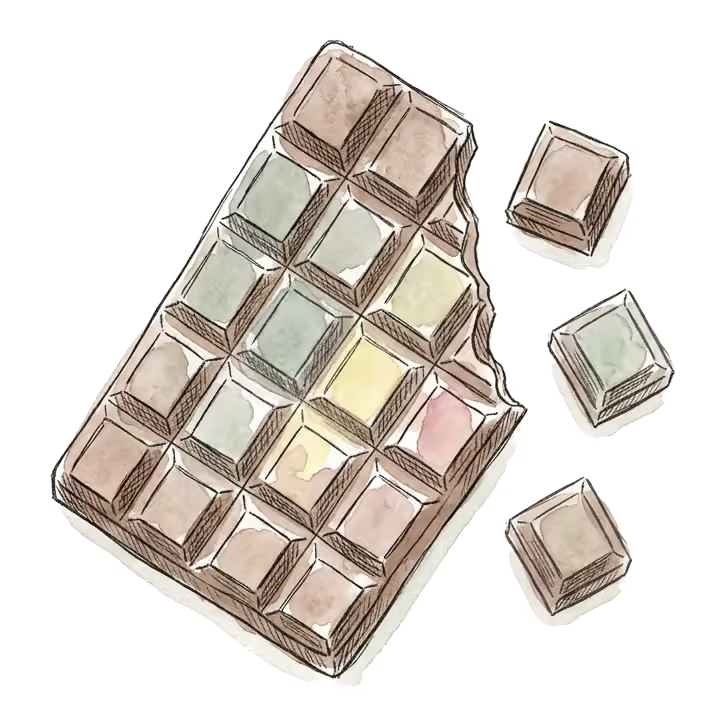
Dark Chocolate (Theobroma cacao ≥70%)
Theobroma cacao · also known as high-cacao chocolate, 70% dark chocolate, bittersweet chocolate
By Superfoods Advisor Editors·July 3, 2026
Is dark chocolate good for you? What trials show for blood pressure, cholesterol and the brain, plus how much a day, caffeine, sugar and heavy metals.
Dark chocolate, here meaning chocolate made from Theobroma cacao with at least 70% cacao solids, can fit a healthy diet in small portions, but its benefits are modest. Flavanol-rich cocoa lowered blood pressure by about 2 mmHg in a Cochrane review, while a 40 g serving also brings about 10 g of sugar and 32 mg of caffeine.
The 70% threshold is a market and research convention, not a regulatory definition: US rules do not define “dark chocolate” at all, and “semisweet” or “bittersweet” chocolate needs only 35% chocolate liquor (21 CFR 163.123). Its unprocessed source is described under raw cacao.
Dark vs. milk chocolate: the difference is not merely aesthetic. In a survey of US products, flavanol content tracked non-fat cocoa solids closely and cacao percentage somewhat less closely, since that figure also counts cocoa butter (Miller et al., 2009). Whether milk itself reduces flavanol absorption is contested: small trials found little effect on plasma flavanol levels (Keogh et al., 2007), though one reported lower urinary excretion of flavanol metabolites (Mullen et al., 2009).
Evidence at a glance
Active Compounds
Flavanols (epicatechin and procyanidins). The bioactive core of dark chocolate’s nutritional profile. Epicatechin is the primary monomeric flavanol; procyanidins (oligomers of epicatechin) are present in varying chain lengths. Flavanol content varies widely between bars, and alkalization (Dutch processing) is a major driver: in a survey of commercial cocoa powders, average total flavanols fell from 34.6 mg/g in natural cocoa to 3.9 mg/g in heavily alkalized cocoa (Miller et al., 2008). Flavanols are thought to account for most of dark chocolate’s documented vascular effects, largely by increasing endothelial nitric oxide formation (Ried et al., 2017).
Processing and flavanol degradation. The sequence of processing steps that degrades flavanols:
- Roasting: reduces epicatechin and procyanidins, with the size of the loss depending on roasting temperature, humidity, and bean type (Oracz et al., 2015).
- Alkalizing (Dutching): raises the extractable pH of the cocoa from about 5.3–5.8 to roughly 6.5–8, and flavanol content falls linearly as pH rises (Miller et al., 2008). This step is used in many commercial products for color, reduced bitterness, and longer shelf life.
- Conching: extended mechanical mixing at heat, with additional modest flavanol losses.
Natural (non-alkalized) cocoa powder therefore retains far more flavanols than Dutch-processed powder, and the same principle likely applies to chocolate bars made from each.
Cocoa butter. Dark chocolate contains significant cocoa butter — a fat rich in stearic acid (~33%), oleic acid (~33%), and palmitic acid (~25%) (USDA FoodData Central). Stearic acid is a saturated fat that does not raise LDL cholesterol in clinical trials, an important distinction from palmitic acid and lauric acid. The oleic acid content contributes to the relatively benign lipid profile of dark chocolate compared with the saturated fat narrative alone would suggest.
Theobromine and caffeine. A 40 g serving of 70% dark chocolate contains roughly 320 mg theobromine and 32 mg caffeine, based on USDA values for 70–85% chocolate (USDA FoodData Central). Theobromine is a mild stimulant, and its bronchodilator effect has been shown only at high doses (10 mg/kg) in a small study of young people with asthma (Simons et al., 1985); caffeine is a more potent adenosine antagonist. Both contribute to any perceived energy-enhancing or mood effects.
Magnesium. Dark chocolate is a meaningful dietary source of magnesium (about 91 mg per 40 g for 70–85% chocolate, per USDA FoodData Central), roughly 22% of the 420 mg Daily Value.
Sugar content. A 40 g serving of 70–85% dark chocolate contains about 10 g of sugar (USDA FoodData Central), and bars at the 70% end of that range tend to contain more. At lower cacao percentages (50–60%), sugar content rises considerably. This is a relevant consideration for individuals managing blood glucose or caloric intake.
Evidence for Purported Benefits
Blood pressure and vascular function
Evidence:Moderate Cochrane meta-analysis of 35 RCTs: about 2 mmHg lower with flavanol-rich cocoa; the effect depends on flavanol content.
The evidence base for dark chocolate’s cardiovascular effects is substantial but closely tied to flavanol content. A Cochrane meta-analysis (Ried et al., 2017) pooling 35 RCTs found moderate-quality evidence that flavanol-rich cocoa products reduced systolic and diastolic blood pressure by approximately 2 mmHg each in the short term; the effect appeared larger in people with hypertension, though that subgroup difference was of borderline significance. Flow-mediated dilation (FMD) of the brachial artery — a marker of endothelial function — improved after both single and repeated cocoa intakes in a meta-analysis of 42 short-term trials, which rated the overall evidence low to moderate quality (Hooper et al., 2012).
Ried et al. found no significant difference between trials that used a flavanol-free control and those that used a low-flavanol cocoa control. They downgraded the evidence because of heterogeneity they could not explain, and found a slightly smaller effect when trials with authors employed by the sponsoring industry were excluded.
Lipid profile
Evidence:Limited Two meta-analyses of short trials; the LDL drop was absent in healthy people and in the higher-quality trials.
The stearic acid in cocoa butter does not raise LDL. A meta-analysis by Jia et al. (2010) (8 trials, 215 participants) found that short-term cocoa product consumption lowered LDL by approximately 5.9 mg/dL, with no significant change in HDL; the LDL effect was seen mainly in participants with cardiovascular risk factors and at low cocoa doses, not in healthy subjects, and was not significant in the three high-quality trials. A later meta-analysis found only marginal effects on LDL and HDL (Hooper et al., 2012).
Cognitive function
Evidence:Limited Results conflict: a 16-trial meta-analysis found some speed gains, but a three-year trial of 2,262 adults found none.
Two weeks of flavanol-rich cocoa increased blood flow velocity in a major brain artery in a small trial of older adults (Sorond et al., 2008). A 2026 meta-analysis of 16 trials found improvements in some tests of processing speed and verbal fluency with regular cocoa or dark chocolate, but inconsistent results for working and verbal memory and no change in MMSE scores (Arabpour et al., 2026). The COSMOS-Mind trial (Baker et al., 2023; 2,262 adults, mean age 73), however, found that 3 years of a cocoa extract supplying 500 mg/day of flavanols had no effect on global cognition compared with placebo; the benefit seen in that trial came from the multivitamin arm. It is among the largest and longest RCTs of cocoa flavanols, and it used a supplement rather than whole chocolate.
Mood and subjective well-being
Evidence:Preliminary One small uncontrolled study (30 people) found lower stress hormones; no controlled trials.
A small uncontrolled study (Martin et al., 2009; n = 30) found that eating 40 g/day of dark chocolate for 2 weeks reduced urinary excretion of cortisol and catecholamines and partially normalized stress-related metabolic differences in participants with higher trait anxiety, suggesting a possible stress-modulating effect. The mechanism is not firmly established; confounding by palatability, expectation, and hedonic reward is difficult to fully control in chocolate studies.
Insulin sensitivity
Evidence:Limited A meta-analysis of short-term trials found lower fasting insulin and HOMA-IR; effects were modest and longer trials are needed.
In a meta-analysis of short-term trials, chocolate or cocoa lowered fasting insulin and improved HOMA-IR, a marker of insulin resistance; the authors called the finding promising and asked for larger, longer, independently funded trials (Hooper et al., 2012). The mechanism is not established, the effect sizes are modest, and the evidence is not strong enough to support a dietary recommendation.
Typical Use and Culinary Applications
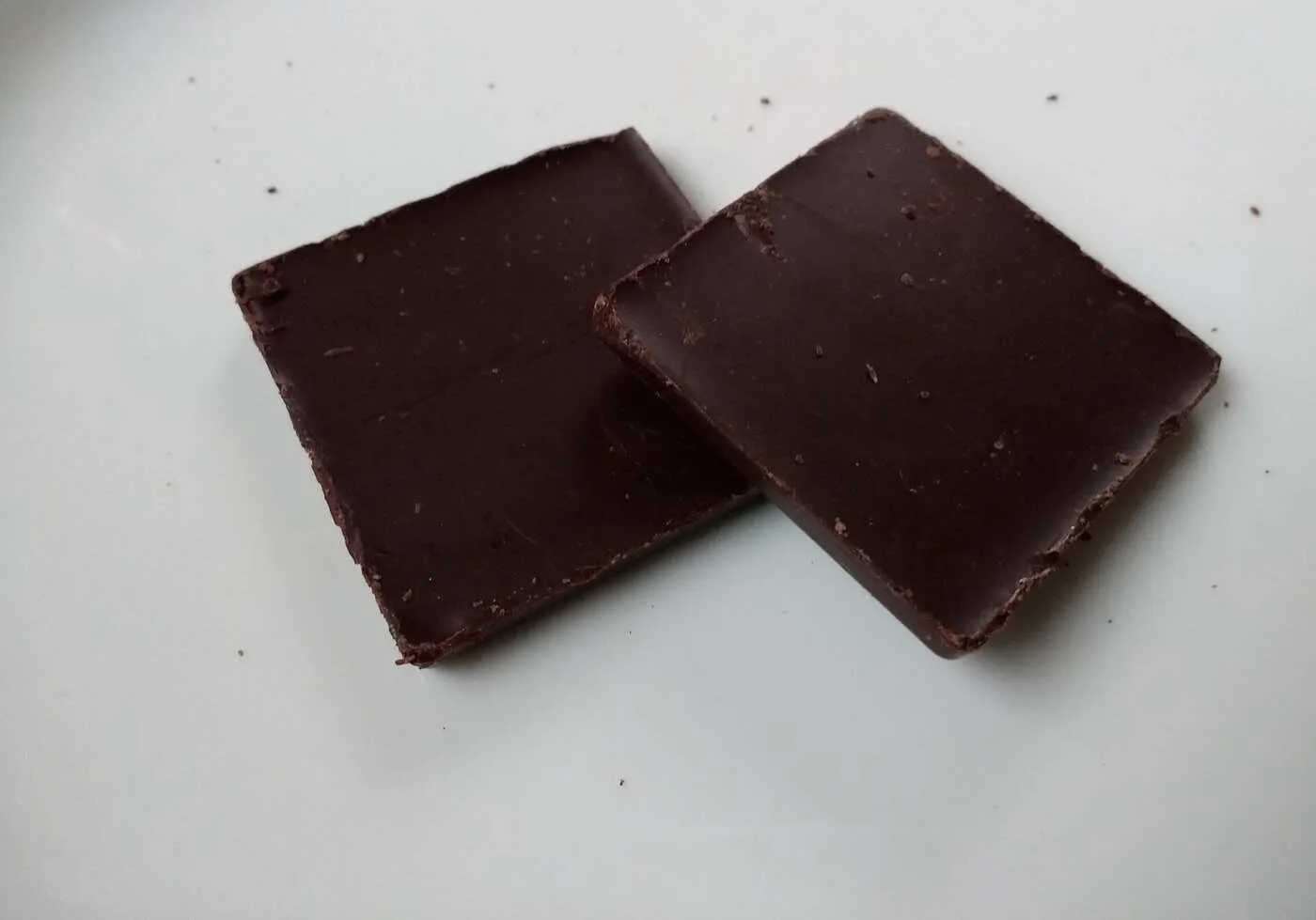 Photo: Mx. Granger, CC0, via Wikimedia Commons
Eating chocolate. Bars of 70%, 80%, 85%, 90%, or 99% cacao offer a spectrum of bitterness-to-flavanol tradeoffs. For most adults seeking functional benefit, ≥70% is practical; above 85%, palatability decreases significantly for many consumers.
Baking and cooking. Unsweetened chocolate (100% cacao) and bittersweet chocolate chips (which can range well below 70% cacao) are common baking ingredients. Flavanol retention depends on processing temperature and duration; most home baking does not completely destroy flavanols but will reduce them.
Melting. Dark chocolate melts at low heat; overheating causes seizing (loss of emulsion). Gentle double-boiler or microwave melting minimizes flavanol loss.
Pairing. Dark chocolate pairs well with coffee, sea salt, dried fruit, nuts, and red wine. The bitterness of high-cacao bars is complemented by mild sweetness and umami.
Serving size for benefit. Clinical trials are dosed by flavanol content rather than bar weight; the trials pooled by Ried et al. (2017) supplied 30 to 1,218 mg of flavanols per day, often from standardized high-flavanol products. A 20–40 g serving of 70–85% chocolate supplies about 120–240 kcal (USDA FoodData Central), so larger servings add substantial calories.
The polyphenols and aging review discusses cocoa flavanols in the wider context of dietary polyphenol research, and the brain health superfoods guide looks at dark chocolate and processing speed.
Safety, Interactions, and Contraindications
Caffeine sensitivity. Dark chocolate provides about 32 mg caffeine per 40 g serving — less than a cup of coffee but relevant for caffeine-sensitive individuals, children, and those with insomnia or anxiety.
Migraine. Chocolate is the food people with migraine most often report as a trigger, but double-blind provocation studies have not found it more likely to bring on headache than a placebo (Marcus et al., 1997). Craving chocolate may be an early symptom of an attack rather than its cause (Nowaczewska et al., 2020). Individuals who notice a consistent pattern can still note their own response.
GERD and acid reflux. Chocolate lowers lower esophageal sphincter pressure, and in patients with reflux esophagitis it increased esophageal acid exposure in the hour after eating compared with a matched control drink (Murphy & Castell, 1988). Individuals with GERD may need to limit or eliminate dark chocolate.
Oxalate content. Like raw cacao, dark chocolate contains oxalate, relevant for those managing calcium oxalate kidney stone risk.
Drug interactions. Caffeine in dark chocolate may interact with stimulant medications, MAOIs, and some blood pressure drugs. Single doses of cocoa products reduced platelet aggregation in human studies, though long-term effects are unclear (Peluso et al., 2015); people taking anticoagulant or antiplatelet drugs who eat large amounts of high-flavanol cocoa may want to mention it to their doctor.
Lead and cadmium. Consumer Reports (2022) found elevated heavy metals in numerous commercial dark chocolate products, with some exceeding California’s Proposition 65 limits for cadmium and lead. Individuals consuming dark chocolate daily at high quantities should consider varying brands and sourcing.
Diabetes management. While flavanol-rich dark chocolate may improve insulin sensitivity, its sugar and caloric content are relevant for glycemic management. Lower-sugar formulations (80–90%+ bars) are preferable for individuals with type 2 diabetes.
Product Selection Criteria
Cacao percentage ≥70%. Lower-percentage dark chocolates contain more sugar and less cacao-derived flavanol per serving. For nutritional purposes, ≥70% is the practical minimum; 80–85% provides better flavanol density with manageable bitterness.
Non-alkalized / natural cocoa. The most important quality indicator for flavanol content. Check the ingredient list for “cocoa processed with alkali,” “alkalized cocoa,” or “Dutch process” — these indicate flavanol-depleted products. Absence of these terms suggests natural (non-alkalized) processing.
Disclosed flavanol content. No independent certification or standard for flavanol content exists for chocolate, and few bars state it on the label. Mars, Inc.’s Cocoapro is a proprietary handling and processing method meant to retain flavanols, not a third-party certification. Where a brand does state a measured flavanol amount, that figure is more informative than cacao percentage alone.
Minimal ingredient list. High-quality dark chocolate requires only: cacao mass (or liquor), cocoa butter, sugar, and optionally vanilla and lecithin (as emulsifier). Avoid formulations with artificial flavors, vegetable fats substituted for cocoa butter, or excessive sugar fillers.
Heavy metal testing. For regular daily consumers, particularly families with children, consider brands that publish third-party heavy metal testing results. Varying consumption among different brands from different geographic origins is a practical harm-reduction strategy.
Storage. Store dark chocolate below 20°C, away from light and moisture, to prevent bloom (fat bloom is a whitish surface discoloration from fat crystal restructuring — cosmetic, not safety-related) and oxidative degradation of flavanols.
Frequently Asked Questions
How much dark chocolate a day is reasonable?
No amount has been established. Many studies used 20 to 40 g a day, which supplies about 120 to 240 kcal for 70–85% chocolate, and trials dose by flavanol content rather than bar weight. Eating 90% chocolate daily is common, but calories, caffeine and heavy-metal exposure add up, so a small square or two is the usual frame.
Does dark chocolate have caffeine?
Yes. A 40 g serving of 70–85% dark chocolate contains about 32 mg of caffeine, less than a cup of coffee, plus roughly 320 mg of theobromine, a milder stimulant. People who are sensitive to caffeine, children and anyone with insomnia may notice it, especially when eaten in the evening.
Is dark chocolate good for diabetics?
It can fit in small amounts, but it is not a treatment. A meta-analysis of short trials found lower fasting insulin and better HOMA-IR with cocoa products, a modest effect that needs longer studies. A 40 g serving of 70–85% chocolate carries about 10 g of sugar, so higher-cacao bars and a clinician’s input on carbohydrate budgets make sense.
Is dark chocolate healthier than milk chocolate?
Generally, yes. Dark chocolate has more non-fat cocoa solids, which tracked flavanol content most closely in a survey of US products, and usually less sugar. Whether the milk in milk chocolate blocks flavanol absorption is contested, but its lower cocoa content alone means fewer flavanols per serving.
What should I look for in a healthy dark chocolate?
Look for at least 70% cacao, an ingredient list without “processed with alkali”, and a short list: cacao mass, cocoa butter, sugar and perhaps vanilla or lecithin. Few bars state flavanol content, and none are independently certified for it. Brands that publish third-party lead and cadmium results reduce the guesswork on heavy metals.
References
Show all 19 referencesShow fewer
- Ried, K., Fakler, P., & Stocks, N. P. (2017). Effect of cocoa on blood pressure. Cochrane Database of Systematic Reviews, (4), CD008893.
- Jia, L., Liu, X., Bai, Y. Y., Li, S. H., Sun, K., He, C., & Hui, R. (2010). Short-term effect of cocoa product consumption on lipid profile: A meta-analysis of randomized controlled trials. The American Journal of Clinical Nutrition, 92(1), 218–225.
- Baker, L. D., Manson, J. E., Rapp, S. R., Sesso, H. D., Gaussoin, S. A., Shumaker, S. A., & Espeland, M. A. (2023). Effects of cocoa extract and a multivitamin on cognitive function: A randomized clinical trial. Alzheimer’s & Dementia, 19(4), 1308–1319.
- Martin, F. P., Rezzi, S., Peré-Trepat, E., Kamlage, B., Collino, S., Leibold, E., Kastler, J., Rein, D., Fay, L. B., & Kochhar, S. (2009). Metabolic effects of dark chocolate consumption on energy, gut microbiota, and stress-related metabolism in free-living subjects. Journal of Proteome Research, 8(12), 5568–5579.
- Consumer Reports. (2022). Lead and cadmium could be in your dark chocolate. Consumer Reports investigative report, December 2022.
- Miller, K. B., Hurst, W. J., Payne, M. J., Stuart, D. A., Apgar, J., Sweigart, D. S., & Ou, B. (2008). Impact of alkalization on the antioxidant and flavanol content of commercial cocoa powders. Journal of Agricultural and Food Chemistry, 56(18), 8527–8533.
- USDA FoodData Central. Chocolate, dark, 70–85% cacao solids (FDC 170273); Oil, cocoa butter (FDC 171421).
- Oracz, J., Nebesny, E., & Żyżelewicz, D. (2015). Changes in the flavan-3-ols, anthocyanins, and flavanols composition of cocoa beans of different Theobroma cacao L. groups affected by roasting conditions. European Food Research and Technology, 241(5), 663–681.
- Hooper, L., et al. (2012). Effects of chocolate, cocoa, and flavan-3-ols on cardiovascular health: A systematic review and meta-analysis of randomized trials. The American Journal of Clinical Nutrition.
- Miller, K. B., et al. (2009). Survey of commercially available chocolate- and cocoa-containing products in the United States. 2. Comparison of flavan-3-ol content with nonfat cocoa solids, total polyphenols, and percent cacao. Journal of Agricultural and Food Chemistry.
- Keogh, J. B., et al. (2007). The effect of milk protein on the bioavailability of cocoa polyphenols. Journal of Food Science.
- Mullen, W., et al. (2009). Milk decreases urinary excretion but not plasma pharmacokinetics of cocoa flavan-3-ol metabolites in humans. The American Journal of Clinical Nutrition.
- Simons, F. E., et al. (1985). The bronchodilator effect and pharmacokinetics of theobromine in young patients with asthma. Journal of Allergy and Clinical Immunology.
- Sorond, F. A., et al. (2008). Cerebral blood flow response to flavanol-rich cocoa in healthy elderly humans. Neuropsychiatric Disease and Treatment.
- Arabpour, Z., et al. (2026). Effect of chronic dark chocolate or cocoa intake on cognitive function: A GRADE-assessed systematic review and meta-analysis of randomized controlled trials. Nutrition Reviews.
- Marcus, D. A., et al. (1997). A double-blind provocative study of chocolate as a trigger of headache. Cephalalgia.
- Nowaczewska, M., et al. (2020). To eat or not to eat: A review of the relationship between chocolate and migraines. Nutrients.
- Murphy, D. W., & Castell, D. O. (1988). Chocolate and heartburn: Evidence of increased esophageal acid exposure after chocolate ingestion. American Journal of Gastroenterology.
- Peluso, I., et al. (2015). Effect of cocoa products and flavanols on platelet aggregation in humans: A systematic review. Food & Function.
Related content
More in Oils & Fats
- Avocado Oil (Persea americana)
Avocado oil vs olive oil: how the two compare on fat profile, smoke point and vitamin E, plus avocado oil benefits, nutrition, uses and side effects.
- Coconut (Cocos nucifera)
Is coconut oil good for you? What trials show on LDL, HDL, weight and MCTs, how it compares with olive and MCT oil, plus coconut flesh, milk and water.
- Extra Virgin Olive Oil (Olea europaea)
Extra virgin olive oil benefits weighed against the evidence: PREDIMED heart data, oleocanthal and other polyphenols, nutrition, daily amounts and safety.
- Ghee / Clarified Butter (Bos taurus, milk fat)
Ghee vs butter: how clarifying removes water, lactose and casein and raises the smoke point, plus ghee benefits, nutrition, storage and saturated fat.
- Raw Cacao (Theobroma cacao)
Cacao vs cocoa: same Theobroma cacao bean, different processing. How roasting and Dutching change flavanols, plus cacao benefits, caffeine and safety.


Curated by Superfoods Advisor Editors·Last updated