Polyphenols and Longevity: How Berries, Dark Chocolate, and Green Tea Affect Aging
By Superfoods Advisor Editors·July 4, 2026
Polyphenol-rich foods such as berries, dark chocolate, green tea, pomegranate and turmeric: what human trials show on aging, and what is only lab work.
Polyphenol-rich foods include berries such as blueberries and acai, dark chocolate, green tea and matcha, pomegranate, walnuts and turmeric. Polyphenols are plant compounds that act on aging pathways in lab and animal studies; in humans, diets rich in a variety of them are associated with better cardiovascular and cognitive outcomes, but no polyphenol has been shown to extend lifespan.
Polyphenols are a structurally diverse class of plant compounds unified by the presence of multiple phenol rings. More than 8,000 have been identified (Pandey & Rizvi, 2009). They are not vitamins or minerals. Plants synthesize them as UV shields, antimicrobial defenses, and pigments. When humans consume these compounds regularly, some of them appear to interact with cellular pathways that govern how we age.
The “hallmarks of aging” framework, first described by López-Otín and colleagues in Cell (2013), catalogued nine recurring biological processes that drive organismal aging, including genomic instability, telomere attrition, and mitochondrial dysfunction. The 2023 update expanded the list to twelve, adding chronic inflammation, disabled macroautophagy, and dysbiosis. Several of these hallmarks are mechanistically influenced by specific polyphenol classes in laboratory and animal models. Whether that translates into meaningful longevity benefits for humans eating ordinary food is a separate and harder question. This post examines the evidence honestly, distinguishing what animal data suggest from what human studies actually demonstrate.
How Do Polyphenols Interact with Longevity Pathways?
Four cellular signaling pathways appear most relevant to aging research on polyphenols: sirtuins (NAD+-dependent deacetylases), AMPK (energy-sensing kinase), mTOR (growth and nutrient sensor), and NF-kB (master regulator of inflammatory gene expression). Research across multiple polyphenol classes suggests these compounds can modulate all four, though most evidence comes from cell culture and rodent models, not controlled human trials.
Sirtuins: The SIRT1 Connection
Sirtuins are a family of NAD+-dependent enzymes. SIRT1, the most studied member, deacetylates histones and transcription factors to regulate gene expression, DNA repair, and metabolic adaptation. Resveratrol (a stilbene polyphenol found in grape skins and, in small and variable amounts, red wine) was shown in early work by Howitz et al. (Nature, 2003) to activate SIRT1 and extend lifespan in yeast by 70%. This generated substantial excitement. However, subsequent research complicated the picture: many resveratrol effects in mammals depend on indirect mechanisms and high doses far above dietary intake, and human RCT results have been inconsistent.
Dark chocolate flavanols, particularly epicatechin, have also been linked to SIRT1 activation in cell and rodent models (Ramirez-Sanchez et al., 2018). As the dark chocolate encyclopedia entry notes, flavanol content varies widely between products, and systemic bioavailability after absorption reduces the effective tissue concentration substantially compared with the concentrations applied directly to cells.
AMPK Activation and mTOR Inhibition
AMPK acts as a cellular energy gauge. When ATP falls, AMPK activates, triggering catabolic processes (fatty acid oxidation, autophagy) and suppressing anabolic ones (mTOR-driven protein synthesis and cell growth). EGCG from green tea has been shown to activate AMPK in cell studies (Holczer et al., 2018). Curcumin from turmeric inhibits mTOR signaling in cancer cell lines (Beevers et al., 2006). Both effects, if confirmed in humans at realistic dietary doses, would theoretically support cellular maintenance over growth, a hallmark of longevity-associated metabolic states like caloric restriction. The critical caveat: concentrations used in most cell experiments are well above what food consumption delivers to tissues.
NF-kB and Chronic Inflammation
NF-kB regulates the transcription of more than 150 target genes, including many inflammatory cytokines, chemokines, and adhesion molecules (Pahl, 1999). Chronic low-grade inflammation in older age, in which NF-kB signaling plays a central role, was termed “inflamm-aging” by Franceschi and colleagues (2000), and chronic inflammation is now listed as a hallmark of aging in the 2023 framework. EGCG, curcumin, anthocyanins, and ellagitannins all suppress NF-kB in cell models. A 2020 meta-analysis of 16 pomegranate RCTs by Wang et al. (Complementary Therapies in Medicine) found reductions in hs-CRP, IL-6, and TNF-α versus placebo, though not in standard CRP, providing modest and mixed human evidence that polyphenol-mediated NF-kB modulation may have measurable inflammatory effects.
Are Anthocyanin-Rich Berries Effective Against Cardiovascular and Cognitive Aging?
Anthocyanins are water-soluble flavonoid pigments responsible for the blue, purple, and red colors in berries. They’re among the most studied polyphenols for aging-related outcomes, with a relatively stronger human evidence base than many other polyphenol subclasses, particularly for cardiovascular and cognitive endpoints.
Blueberries: Cardiovascular and BDNF Evidence
Blueberries contain cyanidin, delphinidin, malvidin, peonidin, and petunidin glycosides, a broad anthocyanin profile. The most robust cardiovascular finding comes from a 2019 RCT by Curtis et al. (American Journal of Clinical Nutrition, n=115) in which freeze-dried blueberry equivalent to 1 cup (150 g) of fresh berries a day for 6 months improved endothelial function and arterial stiffness in participants with metabolic syndrome; blood pressure and insulin resistance were unaffected, and a half-cup dose had no effect. These are intermediate endpoints, not mortality data.
On cognitive aging, blueberries have generated interest for their potential to increase BDNF (brain-derived neurotrophic factor), a protein that supports neuronal survival and plasticity. In older adults, increasing age has been associated with lower serum BDNF (Erickson et al., 2010). A 2010 pilot study by Krikorian et al. (Journal of Agricultural and Food Chemistry, n=9) found 12 weeks of wild blueberry juice improved memory in older adults with early memory decline. Sample size was small; replication in larger trials is needed before strong conclusions are drawn.
Acai Berry: Rich in Anthocyanins, Preliminary Human Evidence
Acai berry from Euterpe oleracea is rich in anthocyanins, primarily cyanidin-3-glucoside and cyanidin-3-rutinoside, measured at about 320 mg per 100 g (3.19 mg/g dry weight) of freeze-dried pulp/skin powder (Schauss et al., Journal of Agricultural and Food Chemistry, 2006). In a small acute crossover trial (n=12), acai pulp, but not clarified acai juice, significantly raised plasma antioxidant capacity, though so did the applesauce control (Mertens-Talcott et al., Journal of Agricultural and Food Chemistry, 2008). However, the human RCT evidence for clinical aging endpoints is limited, and the available trials are small and short. Acai scores high on ORAC, but ORAC is an in-vitro assay, and the USDA withdrew its ORAC database in 2012 because such values do not reflect effects in the body. Acai is worth including in a diverse dietary polyphenol pattern, but it should not be treated as a proven longevity food.
What Does the Evidence Show for Flavanols in Dark Chocolate and Vascular Aging?
Vascular aging (stiffening of arteries, declining endothelial function, and rising blood pressure) is a primary mechanism through which cardiovascular disease risk increases with age. Cocoa flavanols, primarily epicatechin and its oligomers, activate endothelial nitric oxide synthase (eNOS), increasing nitric oxide bioavailability. NO is the key signaling molecule that keeps blood vessels flexible and responsive. (Ried et al., Cochrane Database of Systematic Reviews, 2017)
A Cochrane meta-analysis by Ried et al. (2017) pooling 35 RCTs found that cocoa flavanol consumption reduced systolic blood pressure by approximately 2 mmHg and diastolic by 2 mmHg. Effect sizes are modest but consistent. Importantly, effects are strongly dependent on flavanol content. Dutch-processed (alkalized) cocoa loses much of its flavanol content during production; many commercial hot cocoa powders and chocolate bars use alkalized cocoa. Many trials used flavanol-standardized cocoa drinks or extracts rather than chocolate bars; among retail products, non-alkalized, high-cacao dark chocolate generally retains more flavanols.
In a survey of commercial cocoa powders, average total flavanols fell from 34.6 mg/g in natural cocoa to 3.9 mg/g in heavily alkalized cocoa, a roughly ninefold drop (Miller et al., 2008). This means a cacao percentage on a label provides no reliable information about flavanol content without knowing the processing method.
SIRT1 Activation: Cell Data vs. Human Reality
Laboratory evidence links epicatechin to SIRT1 deacetylase activation in endothelial and cardiac cells, suggesting a potential role in vascular aging beyond simple blood pressure. This mechanism is plausible and mechanistically interesting. Human tissue evidence is thin: in an uncontrolled study of five patients with type 2 diabetes and heart failure, about 100 mg/day of epicatechin from dark chocolate and a cocoa beverage for 3 months increased skeletal-muscle markers of mitochondrial biogenesis, a panel that included SIRT1 (Taub et al., 2012). No controlled trial has confirmed this. The COSMOS-Mind trial (Baker et al., Alzheimer’s & Dementia, 2023) gave 2,262 adults aged 65 and older a concentrated cocoa extract (500 mg flavanols/day) for 3 years and found no effect on global cognition; the benefit seen in that trial came from its multivitamin arm, not the cocoa extract.
How Does EGCG from Green Tea and Matcha Influence Autophagy?
Autophagy (the cellular process of dismantling and recycling damaged proteins and organelles) declines significantly with aging. “Disabled macroautophagy” was added as a hallmark of aging in the 2023 López-Otín update. EGCG (epigallocatechin gallate) from Camellia sinensis is one of the most studied polyphenols for autophagy induction; in cell studies it induced autophagy through mTOR- and AMPK-linked signaling (Holczer et al., 2018).
Green tea brewed from loose-leaf or bagged tea averages about 70 mg EGCG per 100 mL (roughly 140 mg in a 200 mL cup), though measured values range more than 80-fold with grade and steeping conditions (EFSA, 2018). Epidemiological data from Japan have associated 5+ cups/day with lower all-cause mortality, for example in the Ohsaki cohort of 40,530 adults (Kuriyama et al., JAMA, 2006). But these are observational findings subject to confounding by overall diet quality and lifestyle.
Matcha vs. Brewed Green Tea: Does Concentration Matter?
Matcha delivers a higher EGCG dose per serving than brewed green tea because the whole ground leaf is consumed rather than an infusion. One analysis estimated that, gram for gram of leaf, the EGCG available from drinking matcha was at least three times the highest literature value for other green teas (Weiss & Anderton, 2003). Actual content per serving varies with the leaf, since EGCG in dried green tea leaves ranges about 13-fold (EFSA, 2018). Our matcha powder comparison looks at grade, origin and testing across products.
Whether this higher EGCG dose translates to meaningfully greater autophagy induction in humans is unknown. Doses used in animal autophagy studies are generally higher, relative to body weight, than a typical matcha intake. An important safety note: EFSA concluded in 2018 that supplement intakes of 800 mg EGCG/day or more raised liver enzymes in clinical trials (EFSA, 2018). The same opinion considered catechins from traditionally prepared green tea infusions generally safe, while noting rare idiosyncratic cases of liver injury.
Can Pomegranate Polyphenols Renew Mitochondria Through Urolithin A?
Mitochondrial dysfunction is a central hallmark of cellular aging. Mitophagy (the selective autophagy of damaged mitochondria) clears dysfunctional organelles and is essential for maintaining energy metabolism. Pomegranate contains punicalagins, large ellagitannins that the gut microbiome metabolizes sequentially into ellagic acid and then urolithin A (UA). In preclinical work, urolithin A stimulated mitophagy and improved muscle health in old animals (Andreux et al., Nature Metabolism, 2019).
The 2019 Andreux et al. first-in-human trial in Nature Metabolism gave healthy, sedentary older adults urolithin A either as a single dose or as daily doses over 4 weeks. UA had a favourable safety profile (the primary outcome) and was bioavailable in plasma at every dose tested, and 4 weeks at 500 mg or 1,000 mg/day modulated plasma acylcarnitines and mitochondrial gene expression in skeletal muscle, which the authors describe as a molecular signature of improved mitochondrial health (Andreux et al., 2019). A 2022 trial in 66 adults aged 65 to 90 found that 1,000 mg/day of UA for 4 months did not significantly improve the primary endpoints, six-minute walk distance and maximal muscle ATP production, versus placebo, though it improved hand and leg muscle endurance, a secondary outcome (Liu et al., JAMA Network Open, 2022). A second 2022 trial in middle-aged adults likewise missed its primary endpoint (peak power output) while reporting gains in muscle strength (Singh et al., Cell Reports Medicine, 2022). These findings are promising, but several limitations must be stated clearly.
Why Dietary Pomegranate May Not Reliably Deliver Urolithin A
An important biological reality limits the direct dietary relevance of urolithin A research: production of urolithin A from ellagitannins depends on the gut microbiome and varies widely. In a Spanish cohort of 839 people aged 5 to 90, about 10% produced no urolithins at all, and a growing share with age produced urolithin B and isourolithin A alongside urolithin A (Cortés-Martín et al., Food & Function, 2018). In a 2022 supplement trial, only about 15% of middle-aged participants had detectable plasma urolithin A before supplementation (Singh et al., Cell Reports Medicine, 2022). The RCTs reporting mitochondrial biomarker changes used synthetic UA supplements, not pomegranate juice. The variable production of UA from food depends on microbiome composition in ways we cannot yet predict or modify reliably.
Walnuts also provide ellagitannins (pedunculagin, tellimagrandin) in the pellicle (the thin inner skin) that the gut microbiome can similarly convert to urolithins (Cerdá et al., 2005). A 28 g serving of raw walnuts with the pellicle intact provides ALA omega-3 alongside the polyphenol substrate for urolithin production, making walnuts a complementary source to pomegranate in a urolithin-supporting dietary pattern.
Does Curcumin from Turmeric Influence Inflammation and Telomere Biology?
Curcumin, the primary curcuminoid in turmeric (Curcuma longa), suppresses NF-kB transcription and downregulates COX-2, IL-6, and IL-8 in cell and animal models. A meta-analysis of randomized trials reported lower CRP and hs-CRP with curcumin versus placebo (Gorabi et al., 2022), though results vary by formulation and population. The longevity-specific question, whether curcumin affects telomere attrition or extends healthy lifespan, is a different and much harder claim.
Curcumin’s longevity research suffers from a fundamental bioavailability problem. Plain curcumin undergoes rapid glucuronidation in the intestinal wall and liver, leaving oral bioavailability very low without absorption enhancers. The 2,000% bioavailability improvement documented with piperine (from black pepper) in the landmark Shoba et al. study (Planta Medica, 1998) raised serum curcumin from nearly undetectable to measurable. But even enhanced formulations achieve tissue concentrations far below what cell studies use. Any discussion of curcumin and longevity that ignores bioavailability is incomplete.
Telomere-related evidence for curcumin is in its earliest stages. Preliminary cell and animal data suggest curcumin may inhibit the enzyme telomerase in cancer cells and reduce oxidative DNA damage that contributes to telomere shortening in normal cells. No adequately powered human RCT has demonstrated curcumin-related changes in telomere length. This remains speculative research.
How Should You Translate Polyphenol Research into Your Diet?
The most clinically supported finding in polyphenol-longevity research is not that any single compound extends lifespan, but that dietary patterns rich in diverse polyphenols associate with better cardiovascular outcomes, preserved cognitive function, and reduced chronic disease risk. The Mediterranean diet is the most studied polyphenol-dense pattern. In a meta-analysis of prospective cohort studies, each 2-point increase in adherence score was associated with an 8% lower risk of overall mortality (Sofi et al., American Journal of Clinical Nutrition, 2010). No single-compound supplement has comparable outcome data.
Practical Priorities from the Evidence
A realistic, evidence-grounded polyphenol dietary pattern emphasizes variety over any single superfood. Blueberries or acai berry (1/2 cup daily), dark chocolate (20-40 g of ≥70% non-alkalized, not Dutch-processed), 2-3 cups of green tea or matcha (1-2 cups), pomegranate juice or arils (100-240 mL pure juice), turmeric in cooking with black pepper, and a small handful (28 g) of walnuts provide multiple complementary polyphenol classes without relying on any single mechanism.
Supplements warrant caution; the resveratrol and longevity review covers the best-known case in detail. Concentrated EGCG extracts at 800 mg/day or more have raised liver enzymes in trials. Resveratrol supplement trials are mixed: high-dose RCTs in obese men and in non-obese women found no metabolic benefit over placebo (Poulsen et al., 2013; Yoshino et al., 2012), while a 2026 umbrella review found blood-pressure reductions mainly in people with type 2 diabetes (Sun et al., 2026). Plain curcumin supplements are poorly absorbed without bioavailability enhancement. Urolithin A supplements are promising but early-stage, and they bypass the dietary food matrix that may carry additional benefits.
What Polyphenol Research Cannot Currently Tell Us
Human polyphenol research faces serious methodological constraints. Observational studies cannot isolate individual compounds from broader dietary patterns. Most intervention trials are short-term (weeks to months), use surrogate biomarkers rather than clinical endpoints, and employ doses achievable only with supplements. Lifespan data in humans are essentially impossible to obtain through RCTs. Lifespan findings in yeast, worms, and flies do not translate reliably to mammals: resveratrol extended survival in mice fed a high-calorie diet (Baur et al., 2006) but did not significantly extend lifespan in the NIA Interventions Testing Program’s genetically diverse mice (Strong et al., 2013). A scientifically honest position is that polyphenol-rich diets are associated with better aging outcomes, and several mechanisms are biologically plausible, but we cannot yet say which specific compounds drive the benefit or at what doses.
Frequently Asked Questions
What foods are highest in polyphenols?
The foods with the most human research behind them are blueberries and acai, dark chocolate of at least 70% cacao, green tea and matcha, pomegranate, walnuts and turmeric. Acai powder is one of the most concentrated anthocyanin sources, at about 320 mg per 100 g freeze-dried. Concentration is not the whole story, though: blueberries have stronger trial evidence than acai despite lower measured content.
What are polyphenols good for?
The best-supported effects are on blood vessels and inflammation markers, not on lifespan. Cocoa flavanols and berry anthocyanins have small human trials on vascular function, and a meta-analysis of randomized trials reported lower CRP with curcumin than placebo. Most longevity mechanisms, such as SIRT1 activation and autophagy, come from cell and animal studies. Whole-diet patterns rich in varied polyphenols show the most consistent associations.
Do polyphenols actually extend human lifespan?
No human clinical trial has demonstrated lifespan extension from any polyphenol. Resveratrol extended lifespan in yeast, C. elegans, and fruit flies in early studies, but in mice it improved survival only on a high-calorie diet (Baur et al., 2006) and had no significant effect on lifespan in the NIA Interventions Testing Program (Strong et al., 2013). Observational data associate Mediterranean-style dietary patterns with lower all-cause mortality in prospective cohort studies (Sofi et al., 2010), but confounding cannot be excluded. The honest answer is “associated with healthspan benefits, not proven to extend lifespan.”
Is a resveratrol supplement worth taking for longevity?
Probably not, based on current evidence. Early excitement from Howitz et al. (Nature, 2003) showing yeast lifespan extension was followed by RCTs that found no metabolic benefit from high-dose oral resveratrol compared with placebo (Poulsen et al., 2013; Yoshino et al., 2012); pooled trial data suggest modest blood-pressure effects mainly in people with type 2 diabetes (Sun et al., 2026). Red wine contains only small, variable amounts of resveratrol, far below the doses used in lab research. The Mediterranean diet’s benefits are unlikely to come from resveratrol alone.
Which berry has the highest polyphenol content?
By measured anthocyanin concentration, acai berry powder is a concentrated source (about 320 mg anthocyanins per 100 g freeze-dried powder, Schauss et al., 2006). However, in-vitro antioxidant scores and total polyphenol content do not reliably predict clinical benefit. Blueberries have substantially stronger human RCT evidence for cardiovascular and cognitive aging outcomes. Diversity of polyphenol classes likely matters more than maximizing any single metric.
How does green tea compare with matcha for EGCG content?
Matcha generally delivers more EGCG per serving than brewed green tea because the whole leaf is consumed; brewed green tea averages about 70 mg EGCG per 100 mL, with wide variation (EFSA, 2018). Content in both depends heavily on the leaf and preparation. For routine daily consumption, both forms provide meaningful EGCG; matcha provides more per serving but at higher cost. Neither is a proven longevity intervention on its own.
Is it necessary to take urolithin A supplements or can pomegranate juice provide the same benefit?
The trials showing urolithin A’s mitochondrial effects used synthetic supplements, not pomegranate juice (Andreux et al., Nature Metabolism, 2019). Dietary pomegranate provides the substrate (punicalagins) for gut-microbial UA production, but about 10% of people produce no urolithins at all, and the amount the rest produce varies widely (Cortés-Martín et al., Food & Function, 2018). Supplements deliver UA directly regardless of microbiome status. Whether food-derived UA at variable amounts produces the same magnitude of benefit as standardized supplement doses is not yet established.
Medical Disclaimer
This article is for educational purposes only and does not constitute medical advice, diagnosis, or treatment. The research on polyphenols and aging is promising but preliminary; no dietary compound described here has been proven to extend human lifespan or treat any disease. Consult a qualified healthcare provider before making significant dietary changes or starting any supplement regimen. Nothing in this article should be interpreted as a claim that any food or supplement prevents, treats, cures, or mitigates any health condition.
References
Show all 35 referencesShow fewer
- López-Otín, C., Blasco, M. A., Partridge, L., Serrano, M., & Kroemer, G. (2013). The hallmarks of aging. Cell, 153(6), 1194–1217.
- Andreux, P. A., Blanco-Bose, W., Ryu, D., Burdet, F., Ibberson, M., Aebischer, P., … Rinsch, C. (2019). The mitophagy activator urolithin A is safe and induces a molecular signature of improved mitochondrial and cellular health in humans. Nature Metabolism, 1(6), 595–603.
- Ried, K., Fakler, P., & Stocks, N. P. (2017). Effect of cocoa on blood pressure. Cochrane Database of Systematic Reviews, (4), CD008893.
- Baker, L. D., Manson, J. E., Rapp, S. R., Sesso, H. D., Gaussoin, S. A., Shumaker, S. A., & Espeland, M. A. (2023). Effects of cocoa extract and a multivitamin on cognitive function: A randomized clinical trial. Alzheimer’s & Dementia, 19(4), 1308–1319.
- Wang, P., Zhang, Q., Hou, H., Liu, Z., Wang, L., Rasekhmagham, R., Kord-Varkaneh, H., Santos, H. O., & Yao, G. (2020). The effects of pomegranate supplementation on biomarkers of inflammation and endothelial dysfunction: A meta-analysis and systematic review. Complementary Therapies in Medicine, 49, 102358.
- Schauss, A. G., Wu, X., Prior, R. L., Ou, B., Patel, D., Huang, D., & Kababick, J. P. (2006). Phytochemical and nutrient composition of the freeze-dried Amazonian palm berry, Euterpe oleraceae Mart. (acai). Journal of Agricultural and Food Chemistry, 54(22), 8598–8603.
- Shoba, G., Joy, D., Joseph, T., Majeed, M., Rajendran, R., & Srinivas, P. S. (1998). Influence of piperine on the pharmacokinetics of curcumin in animals and human volunteers. Planta Medica, 64(4), 353–356.
- Cortés-Martín, A., García-Villalba, R., González-Sarrías, A., Romo-Vaquero, M., Loria-Kohen, V., Ramírez-de-Molina, A., Tomás-Barberán, F. A., Selma, M. V., & Espín, J. C. (2018). The gut microbiota urolithin metabotypes revisited: The human metabolism of ellagic acid is mainly determined by aging. Food & Function, 9(8), 4100–4106.
- Singh, A., D’Amico, D., Andreux, P. A., Fouassier, A. M., Blanco-Bose, W., Evans, M., Aebischer, P., Auwerx, J., & Rinsch, C. (2022). Urolithin A improves muscle strength, exercise performance, and biomarkers of mitochondrial health in a randomized trial in middle-aged adults. Cell Reports Medicine, 3(5), 100633.
- Liu, S., D’Amico, D., Shankland, E., Bhayana, S., Garcia, J. M., Aebischer, P., Rinsch, C., Singh, A., & Marcinek, D. J. (2022). Effect of urolithin A supplementation on muscle endurance and mitochondrial health in older adults: A randomized clinical trial. JAMA Network Open, 5(1), e2144279.
- Pandey, K. B., & Rizvi, S. I. (2009). Plant polyphenols as dietary antioxidants in human health and disease. Oxidative Medicine and Cellular Longevity, 2(5), 270–278.
- López-Otín, C., Blasco, M. A., Partridge, L., Serrano, M., & Kroemer, G. (2023). Hallmarks of aging: An expanding universe. Cell, 186(2), 243–278.
- Howitz, K. T., Bitterman, K. J., Cohen, H. Y., Lamming, D. W., Lavu, S., Wood, J. G., … Sinclair, D. A. (2003). Small molecule activators of sirtuins extend Saccharomyces cerevisiae lifespan. Nature, 425(6954), 191–196.
- Pahl, H. L. (1999). Activators and target genes of Rel/NF-kappaB transcription factors. Oncogene, 18(49), 6853–6866.
- Curtis, P. J., van der Velpen, V., Berends, L., Jennings, A., Feelisch, M., Umpleby, A. M., … Cassidy, A. (2019). Blueberries improve biomarkers of cardiometabolic function in participants with metabolic syndrome: Results from a 6-month, double-blind, randomized controlled trial. American Journal of Clinical Nutrition, 109(6), 1535–1545.
- Krikorian, R., Shidler, M. D., Nash, T. A., Kalt, W., Vinqvist-Tymchuk, M. R., Shukitt-Hale, B., & Joseph, J. A. (2010). Blueberry supplementation improves memory in older adults. Journal of Agricultural and Food Chemistry, 58(7), 3996–4000.
- Miller, K. B., Hurst, W. J., Payne, M. J., Stuart, D. A., Apgar, J., Sweigart, D. S., & Ou, B. (2008). Impact of alkalization on the antioxidant and flavanol content of commercial cocoa powders. Journal of Agricultural and Food Chemistry, 56(18), 8527–8533.
- EFSA Panel on Food Additives and Nutrient Sources added to Food. (2018). Scientific opinion on the safety of green tea catechins. EFSA Journal, 16(4), e05239.
- Kuriyama, S., Shimazu, T., Ohmori, K., Kikuchi, N., Nakaya, N., Nishino, Y., Tsubono, Y., & Tsuji, I. (2006). Green tea consumption and mortality due to cardiovascular disease, cancer, and all causes in Japan: The Ohsaki study. JAMA, 296(10), 1255–1265.
- Weiss, D. J., & Anderton, C. R. (2003). Determination of catechins in matcha green tea by micellar electrokinetic chromatography. Journal of Chromatography A, 1011(1–2), 173–180.
- Sofi, F., Abbate, R., Gensini, G. F., & Casini, A. (2010). Accruing evidence on benefits of adherence to the Mediterranean diet on health: An updated systematic review and meta-analysis. American Journal of Clinical Nutrition, 92(5), 1189–1196.
- Mertens-Talcott, S. U., Rios, J., Jilma-Stohlawetz, P., Pacheco-Palencia, L. A., Meibohm, B., Talcott, S. T., & Derendorf, H. (2008). Pharmacokinetics of anthocyanins and antioxidant effects after the consumption of anthocyanin-rich acai juice and pulp (Euterpe oleracea Mart.) in human healthy volunteers. Journal of Agricultural and Food Chemistry, 56(17), 7796–7802.
- Ramirez-Sanchez, I., Mansour, C., Navarrete-Yañez, V., Ayala-Hernandez, M., Guevara, G., Castillo, C., … Villarreal, F. J. (2018). (-)-Epicatechin induced reversal of endothelial cell aging and improved vascular function: Underlying mechanisms. Food & Function, 9(9), 4802–4813.
- Taub, P. R., Ramirez-Sanchez, I., Ciaraldi, T. P., Perkins, G., Murphy, A. N., Naviaux, R., … Villarreal, F. (2012). Alterations in skeletal muscle indicators of mitochondrial structure and biogenesis in patients with type 2 diabetes and heart failure: Effects of epicatechin rich cocoa. Clinical and Translational Science, 5(1), 43–47.
- Holczer, M., Besze, B., Zámbó, V., Csala, M., Bánhegyi, G., & Kapuy, O. (2018). Epigallocatechin-3-gallate (EGCG) promotes autophagy-dependent survival via influencing the balance of mTOR-AMPK pathways upon endoplasmic reticulum stress. Oxidative Medicine and Cellular Longevity, 2018, 6721530.
- Beevers, C. S., Li, F., Liu, L., & Huang, S. (2006). Curcumin inhibits the mammalian target of rapamycin-mediated signaling pathways in cancer cells. International Journal of Cancer, 119(4), 757–764.
- Franceschi, C., Bonafè, M., Valensin, S., Olivieri, F., De Luca, M., Ottaviani, E., & De Benedictis, G. (2000). Inflamm-aging: An evolutionary perspective on immunosenescence. Annals of the New York Academy of Sciences, 908, 244–254.
- Erickson, K. I., Prakash, R. S., Voss, M. W., Chaddock, L., Heo, S., McLaren, M., … Kramer, A. F. (2010). Brain-derived neurotrophic factor is associated with age-related decline in hippocampal volume. Journal of Neuroscience, 30(15), 5368–5375.
- Cerdá, B., Tomás-Barberán, F. A., & Espín, J. C. (2005). Metabolism of antioxidant and chemopreventive ellagitannins from strawberries, raspberries, walnuts, and oak-aged wine in humans: Identification of biomarkers and individual variability. Journal of Agricultural and Food Chemistry, 53(2), 227–235.
- Gorabi, A. M., Abbasifard, M., Imani, D., Aslani, S., Razi, B., Alizadeh, S., … Sahebkar, A. (2022). Effect of curcumin on C-reactive protein as a biomarker of systemic inflammation: An updated meta-analysis of randomized controlled trials. Phytotherapy Research, 36(1), 85–97.
- Poulsen, M. M., Vestergaard, P. F., Clasen, B. F., Radko, Y., Christensen, L. P., Stødkilde-Jørgensen, H., … Jørgensen, J. O. (2013). High-dose resveratrol supplementation in obese men: An investigator-initiated, randomized, placebo-controlled clinical trial of substrate metabolism, insulin sensitivity, and body composition. Diabetes, 62(4), 1186–1195.
- Yoshino, J., Conte, C., Fontana, L., Mittendorfer, B., Imai, S., Schechtman, K. B., … Klein, S. (2012). Resveratrol supplementation does not improve metabolic function in nonobese women with normal glucose tolerance. Cell Metabolism, 16(5), 658–664.
- Sun, J. N., Yang, R., Fang, L., Li, Y. J., Xing, W. Y., Sun, M. L., Wu, L., Wu, Q. J., & Gong, T. T. (2026). Effects of resveratrol supplementation on multiple health outcomes: An umbrella review of systematic reviews and meta-analyses of randomized controlled trials. Nutrition Journal, 25(1), 63.
- Baur, J. A., Pearson, K. J., Price, N. L., Jamieson, H. A., Lerin, C., Kalra, A., … Sinclair, D. A. (2006). Resveratrol improves health and survival of mice on a high-calorie diet. Nature, 444(7117), 337–342.
- Strong, R., Miller, R. A., Astle, C. M., Baur, J. A., de Cabo, R., Fernandez, E., … Harrison, D. E. (2013). Evaluation of resveratrol, green tea extract, curcumin, oxaloacetic acid, and medium-chain triglyceride oil on life span of genetically heterogeneous mice. Journal of Gerontology A: Biological Sciences and Medical Sciences, 68(1), 6–16.
Shopping for matcha green tea?
Top-ranked of 6 products compared.

Compare all 6 picks →Affiliate links. Disclosure.
Shopping for turmeric?
Top-ranked of 5 products compared.
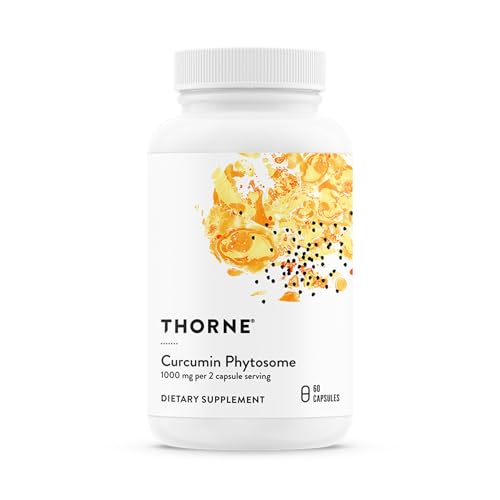
Compare all 5 picks →Affiliate links. Disclosure.
Read next
Written by Superfoods Advisor Editors·Published July 4, 2026