
Algae Oil (Schizochytrium and Crypthecodinium)
Schizochytrium sp. / Crypthecodinium cohnii · also known as algal oil, vegan omega-3, microalgae oil, DHA algae oil, vegetarian fish oil alternative
By Superfoods Advisor Editors·August 19, 2026
Algae oil omega-3 explained: how much EPA and DHA it supplies, algae oil vs fish oil, what trials show for heart and pregnancy, dosing, and safety.
Algae oil is an omega-3 supplement made from microalgae, chiefly Schizochytrium species and Crypthecodinium cohnii, grown in closed fermentation tanks. It supplies preformed DHA and often EPA, typically 300–400 mg DHA and 100–200 mg EPA per capsule, and raised blood DHA as effectively as salmon in a small trial. It is the main vegan source of DHA.
Algae oil inverts the usual assumption about where long-chain omega-3s come from. Most marine fish have limited capacity to synthesise eicosapentaenoic acid (EPA) or docosahexaenoic acid (DHA); they accumulate them largely by eating organisms that eat microalgae. Algae oil short-circuits that chain, taking the fatty acids from their actual origin rather than from an animal that has concentrated them.
This is more than a curiosity of sourcing. It resolves the central problem in plant-based omega-3 nutrition. Alpha-linolenic acid from flaxseed, chia, walnuts and hemp is only a partial substitute: in adults, supplemental ALA raises blood EPA and DPA but has little effect on blood DHA, whereas preformed DHA reliably raises it (Brenna et al., 2009, Prostaglandins, Leukotrienes and Essential Fatty Acids, PubMed:19269799). A diet rich in ALA seeds is nutritionally valuable for other reasons and does not fill the DHA gap. Algae oil is currently the main supplement that does so without an animal source.
This entry covers algae oil sold as an omega-3 supplement, not the algae cooking oil sold for frying.
Evidence at a glance
Active Compounds
- Docosahexaenoic acid (DHA, 22:6 n-3): The dominant fatty acid in most algal oils and the structural omega-3 of neural and retinal membranes. DHA constitutes a large fraction of the phospholipid fatty acids of the cerebral cortex and photoreceptor outer segments, and its accumulation in the third trimester and first two years of life is the basis for maternal and infant supplementation guidance.
- Eicosapentaenoic acid (EPA, 20:5 n-3): The precursor to the series-3 prostaglandins and thromboxanes and to the E-series resolvins (DHA gives rise to the D-series resolvins, protectins and maresins; Serhan, 2014). Historically absent from algal products; EPA-bearing strains are now commercially available and EPA content is the specification worth checking.
- Docosapentaenoic acid (DPA, 22:5 n-6): Schizochytrium oils carry substantial amounts of the omega-6 isomer of DPA alongside DHA; in one trial, oil supplying 1.5 g/day of DHA also supplied 0.6 g/day of n-6 DPA (Sanders et al., 2006). This is not the omega-3 DPA (22:5 n-3) found in fish oil, and it should not be counted toward a product’s omega-3 content.
- Triglyceride and ethyl ester forms: Algal oil is typically supplied as a natural triglyceride. In fish-oil studies, ethyl ester concentrates were absorbed less well than triglycerides, and their absorption depended heavily on the fat content of the meal (Lawson & Hughes, 1988; Dyerberg et al., 2010).
- Native antioxidants and added tocopherols: The oil is highly unsaturated and therefore oxidation-prone. Formulations carry added tocopherols or rosemary extract; the closed fermentation process itself limits the oxidative exposure that open-ocean harvesting and rendering impose on fish oil.
Nutritional Profile
Composition varies substantially by organism and strain, so the meaningful figures are per-serving rather than per-100 g. A representative capsule supplying 500 mg of combined EPA and DHA:
| Component | Typical amount |
|---|---|
| Energy | 9–18 kcal |
| Total fat | 1–2 g |
| DHA | 300–400 mg |
| EPA | 100–200 mg |
| DPA (n-6, Schizochytrium oils) | varies by strain; not an omega-3 |
| Cholesterol | 0 mg |
| Vitamin E (added) | variable |
Two contrasts with fish oil are worth stating plainly. Algae oil contains no cholesterol, and because the organism is grown in a controlled vessel at the bottom of the food chain, it bypasses the marine bioaccumulation route by which fish oil acquires methylmercury, dioxins and polychlorinated biphenyls. Against that, cost per gram of combined EPA and DHA is generally higher than for fish oil, and the main triglyceride-lowering outcome trial (REDUCE-IT) used purified EPA. DHA itself also lowers triglycerides: in a head-to-head crossover trial, 2.7 g/day of DHA lowered them slightly more than EPA (Allaire et al., 2016).
Evidence for Purported Benefits
Bioequivalence with Fish Oil
Evidence:Preliminary One open-label trial in 32 adults found algal oil and salmon raised blood DHA equally over two weeks.
This is the load-bearing claim, and it rests mainly on one small trial. Arterburn and colleagues randomised 32 healthy adults to 600 mg/day of DHA from either algal-oil capsules or cooked salmon in an open-label, parallel-group study, and found that the two sources raised plasma phospholipid and erythrocyte DHA equivalently over two weeks (2008, Journal of the American Dietetic Association, PubMed:18589030).
The important qualification is what bioequivalence establishes and what it does not. It shows that algae oil delivers the fatty acids to tissue as effectively as fish oil at a matched dose. It does not independently demonstrate clinical outcomes; for those, algae oil inherits whatever the fish oil outcome literature supports, which is a more contested inheritance than the supplement aisle suggests.
Cardiovascular Outcomes
Evidence:Limited Large omega-3 trials at ordinary doses were null and high-dose trials conflict; none tested algae oil itself.
The inherited evidence is genuinely mixed and dose-dependent. Large trials at ordinary supplemental doses have been largely null: VITAL randomised 25,871 participants to 840 mg/day of marine omega-3 and found no significant reduction in the primary composite cardiovascular endpoint (Manson et al., 2019, New England Journal of Medicine, PubMed:30415637), and ASCEND reported the same in 15,480 people with diabetes (2018, PubMed:30146932).
At high pharmacological doses the picture diverges and is unresolved. REDUCE-IT reported a 25% relative risk reduction in major cardiovascular events with 4 g/day of icosapent ethyl, a purified EPA preparation, in people with elevated triglycerides on statin therapy (Bhatt et al., 2019, PubMed:30415628). STRENGTH, testing a comparable dose of a mixed EPA/DHA preparation against a corn-oil comparator, found no benefit (2020, JAMA, PubMed:33190147). Whether the difference reflects the EPA-only formulation, the choice of mineral-oil comparator in REDUCE-IT, or something else remains actively debated. The full argument is set out in Omega-3 EPA and DHA Research.
For an ordinary reader the honest summary is that supplemental omega-3 reliably lowers triglycerides, has not shown clear cardiovascular event reduction at ordinary doses, and that the high-dose prescription evidence does not transfer straightforwardly to a consumer capsule.
Pregnancy and Infant Development
Evidence:Moderate A Cochrane review of omega-3 RCTs found less preterm birth; most trials did not use algae oil specifically.
A Cochrane review of omega-3 supplementation in pregnancy found evidence of reduced risk of preterm birth before 37 weeks and of early preterm birth before 34 weeks, alongside a possible increase in prolonged gestation (Middleton et al., 2018, Cochrane Database of Systematic Reviews, PubMed:30480773). This is the application where algae oil has the clearest practical advantage: it delivers DHA at the doses guidance recommends while avoiding entirely the methylmercury exposure that constrains fish intake during pregnancy.
Vegan and Vegetarian Omega-3 Status
Evidence:Moderate A systematic review of 45 studies found low DHA in vegans and that microalgae oil raised serum DHA.
A systematic review of 45 studies found that vegetarians, and vegans in particular, had lower blood EPA and DHA than omnivores despite higher ALA intake, and that DHA from microalgae oil improved serum DHA status (Chamorro et al., 2026). That makes it the practical option for anyone excluding fish. The relevant reasoning appears in the Plant-Based Protein Guide and, for the neural rationale, in Brain Health Superfoods.
Typical Use and Preparation
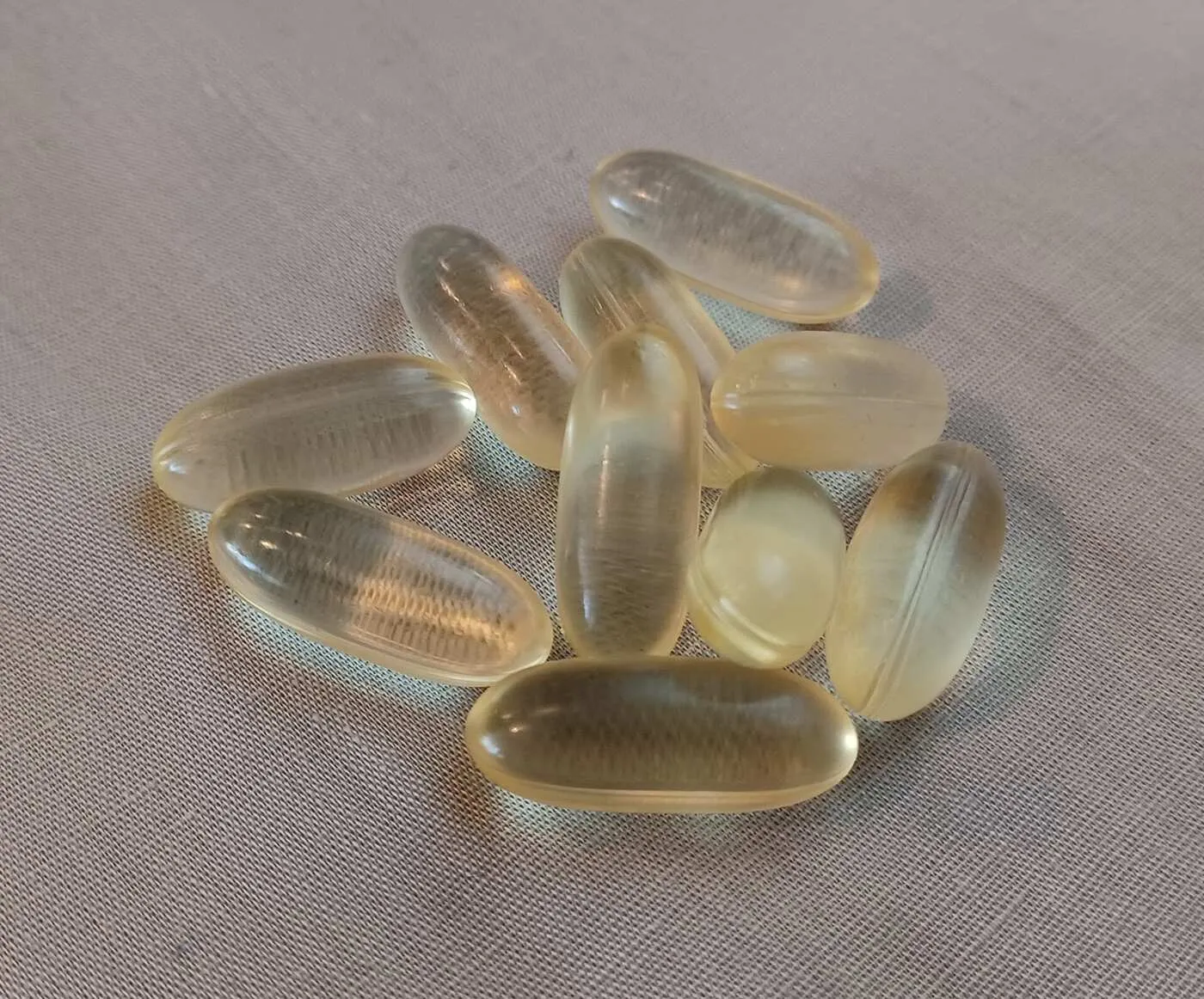 Photo: Mx. Granger, CC0, via Wikimedia Commons
EFSA sets the adult adequate intake at 250 mg/day of combined EPA and DHA, with an additional 100–200 mg/day of preformed DHA during pregnancy and lactation (EFSA NDA Panel, 2010); common supplemental targets for someone not eating fish sit at or somewhat above that adult figure, with higher doses used specifically for triglyceride reduction under medical supervision. Read the label for EPA and DHA milligrams rather than total oil weight — “1,000 mg algae oil” may contain a fraction of that as the active fatty acids, and this is the most common way a product misleads without lying.
Take with a fat-containing meal; in a small fish-oil study, a high-fat meal raised absorption of EPA from triglycerides and tripled absorption from ethyl esters (Lawson & Hughes, 1988). Refrigerate after opening. Oxidised omega-3 oil is not merely less effective but delivers lipid peroxidation products, and rancidity is detectable — a capsule that smells sharply fishy or paint-like when broken should be discarded, and the absence of a fish source does not exempt algal oil from oxidising.
Vegan-labelled softgels use plant-derived capsule material rather than bovine or porcine gelatin, which is worth checking if the reason for choosing algae oil is dietary rather than environmental. For people who do eat fish, salmon and sardines supply the same fatty acids in food form.
Safety, Interactions, and Contraindications
Bleeding risk: Long-chain omega-3s inhibit platelet aggregation in a dose-dependent way. In a small trial, 3–6 g/day of fish oil did not significantly change INR in people on stable warfarin (Bender et al., 1998), but anyone taking warfarin, a direct oral anticoagulant, clopidogrel or regular aspirin should raise supplementation with their prescriber, and doses at the gram level should be discussed before scheduled surgery.
Atrial fibrillation: A meta-analysis of seven cardiovascular outcome trials found marine omega-3 supplements were associated with a higher risk of atrial fibrillation (HR 1.25). The risk was greater in trials above 1 g/day (HR 1.49) but was also slightly raised at 1 g/day or less (HR 1.12) (Gencer et al., 2021). Anyone with a history of atrial fibrillation should discuss supplementation with their doctor.
LDL cholesterol: In one four-week trial, 4 g/day of a DHA-rich Schizochytrium oil (1.5 g DHA) raised LDL cholesterol by about 10% compared with placebo, alongside a rise in HDL (Sanders et al., 2006); whether this applies at typical supplement doses of a few hundred milligrams is unclear.
Gastrointestinal effects: Belching, loose stools and abdominal discomfort are the common complaints and are usually dose-related. Algal oil is often marketed as causing less fishy reflux than fish oil, but direct comparisons are limited.
Allergy: Algae oil is not derived from fish or shellfish. Anaphylaxis has been reported to whole-algae products such as spirulina (Petrus et al., 2010), a different, protein-rich product. Someone with a severe fish allergy should still introduce any new supplement cautiously and confirm the manufacturing environment.
Contaminants: Closed-vessel cultivation avoids the marine bioaccumulation problem — mercury, dioxins, PCBs — that drives third-party testing of fish oil. This is the strongest safety argument for the category. It does not remove the value of third-party certification, which also covers oxidation markers and label accuracy.
Regulatory status: Sold as a dietary supplement rather than a drug, without pre-market efficacy review. Look for third-party verification of EPA and DHA content and of peroxide and anisidine values.
Not a substitute for prescription therapy: Consumer algae oil is not equivalent to prescription icosapent ethyl in dose or formulation, and should not be substituted for a prescribed lipid therapy.
Frequently Asked Questions
Does algae oil have omega-3?
Yes. Algae oil supplements are concentrated sources of the long-chain omega-3 DHA, and many now include EPA. A typical capsule with 500 mg of combined EPA and DHA has about 300–400 mg DHA and 100–200 mg EPA. Unlike plant ALA, preformed DHA has been shown to raise blood DHA in adults.
Is algae cooking oil a good source of omega-3?
Usually not. Algae cooking oil, sold for frying and dressings, is a different product from algae oil supplements: it is generally described as made from other microalgae strains and as mostly monounsaturated fat. Do not assume it supplies EPA or DHA. Check the label for a stated EPA and DHA amount; the omega-3 figures on this page apply to supplements only.
Is algae oil as good as fish oil?
For raising blood DHA, it appears to be. In an open-label trial in 32 adults, 600 mg/day of DHA from algal-oil capsules raised plasma and red-cell DHA as much as the same dose from cooked salmon over two weeks. Clinical outcome trials have used fish-derived omega-3s, so algae oil inherits that evidence, which is mixed for heart disease at ordinary doses.
How much algae oil per day?
EFSA sets the adult adequate intake at 250 mg/day of combined EPA and DHA, plus 100–200 mg/day of extra DHA in pregnancy and lactation. Supplement targets for people who do not eat fish usually sit at or a little above 250 mg. Higher doses for triglycerides belong under medical supervision, and anyone on anticoagulants or with atrial fibrillation should ask their doctor first.
Is algae oil a seed oil?
No. Seed oils such as canola, sunflower and soybean are pressed from plant seeds. Algae oil supplements are extracted from microalgae grown in fermentation tanks, and their defining fats are the long-chain omega-3s DHA and EPA, which seed oils lack. Flaxseed oil supplies ALA, a shorter omega-3 that raises blood DHA very little in adults.
Is algae oil good for you?
For people who eat little or no fish, algae oil is the most direct way to raise DHA status: a review of 45 studies found low blood DHA in vegans and that microalgae oil improved it. A Cochrane review links omega-3 in pregnancy to fewer preterm births. Large trials at ordinary doses have not shown fewer heart attacks or strokes, and higher doses carry a small atrial fibrillation risk.
References
Show all 17 referencesShow fewer
- Arterburn, L. M., Oken, H. A., Bailey Hall, E., Hamersley, J., Kuratko, C. N., & Hoffman, J. P. (2008). Algal-oil capsules and cooked salmon: nutritionally equivalent sources of docosahexaenoic acid. Journal of the American Dietetic Association, 108(7), 1204–1209.
- Brenna, J. T., Salem, N. Jr, Sinclair, A. J., & Cunnane, S. C. (2009). Alpha-linolenic acid supplementation and conversion to n-3 long-chain polyunsaturated fatty acids in humans. Prostaglandins, Leukotrienes and Essential Fatty Acids, 80(2-3), 85–91.
- Manson, J. E., Cook, N. R., Lee, I. M., et al. (2019). Marine n-3 fatty acids and prevention of cardiovascular disease and cancer. New England Journal of Medicine, 380(1), 23–32.
- Bhatt, D. L., Steg, P. G., Miller, M., et al. (2019). Cardiovascular risk reduction with icosapent ethyl for hypertriglyceridemia. New England Journal of Medicine, 380(1), 11–22.
- Nicholls, S. J., Lincoff, A. M., Garcia, M., et al. (2020). Effect of high-dose omega-3 fatty acids vs corn oil on major adverse cardiovascular events in patients at high cardiovascular risk: the STRENGTH randomized clinical trial. JAMA, 324(22), 2268–2280.
- ASCEND Study Collaborative Group. (2018). Effects of n-3 fatty acid supplements in diabetes mellitus. New England Journal of Medicine, 379(16), 1540–1550.
- Middleton, P., Gomersall, J. C., Gould, J. F., et al. (2018). Omega-3 fatty acid addition during pregnancy. Cochrane Database of Systematic Reviews, 11, CD003402.
- EFSA Panel on Dietetic Products, Nutrition, and Allergies. (2010). Scientific opinion on dietary reference values for fats, including saturated fatty acids, polyunsaturated fatty acids, monounsaturated fatty acids, trans fatty acids, and cholesterol. EFSA Journal, 8(3), 1461.
- Sanders, T. A., Gleason, K., Griffin, B., & Miller, G. J. (2006). Influence of an algal triacylglycerol containing docosahexaenoic acid (22:6n-3) and docosapentaenoic acid (22:5n-6) on cardiovascular risk factors in healthy men and women. British Journal of Nutrition, 95(3), 525–531.
- Lawson, L. D., & Hughes, B. G. (1988). Absorption of eicosapentaenoic acid and docosahexaenoic acid from fish oil triacylglycerols or fish oil ethyl esters co-ingested with a high-fat meal. Biochemical and Biophysical Research Communications, 156(2), 960–963.
- Dyerberg, J., Madsen, P., Møller, J. M., Aardestrup, I., & Schmidt, E. B. (2010). Bioavailability of marine n-3 fatty acid formulations. Prostaglandins, Leukotrienes and Essential Fatty Acids, 83(3), 137–141.
- Allaire, J., Couture, P., Leclerc, M., et al. (2016). A randomized, crossover, head-to-head comparison of eicosapentaenoic acid and docosahexaenoic acid supplementation to reduce inflammation markers in men and women: the Comparing EPA to DHA (ComparED) Study. American Journal of Clinical Nutrition, 104(2), 280–287.
- Gencer, B., Djousse, L., Al-Ramady, O. T., Cook, N. R., Manson, J. E., & Albert, C. M. (2021). Effect of long-term marine omega-3 fatty acids supplementation on the risk of atrial fibrillation in randomized controlled trials of cardiovascular outcomes: a systematic review and meta-analysis. Circulation, 144(25), 1981–1990.
- Bender, N. K., Kraynak, M. A., Chiquette, E., Linn, W. D., Clark, G. M., & Bussey, H. I. (1998). Effects of marine fish oils on the anticoagulation status of patients receiving chronic warfarin therapy. Journal of Thrombosis and Thrombolysis, 5(3), 257–261.
- Chamorro, R., Tabilo, C., Muñoz, Y., et al. (2026). Vegetarian diets and their effect on n-3 polyunsaturated fatty acids status in humans: systematic review. Lipids, 61(1), 29–53.
- Serhan, C. N. (2014). Pro-resolving lipid mediators are leads for resolution physiology. Nature, 510(7503), 92–101.
- Petrus, M., Culerrier, R., Campistron, M., Barre, A., & Rougé, P. (2010). First case report of anaphylaxis to spirulin: identification of phycocyanin as responsible allergen. Allergy, 65(7), 924–925.
Related content
More in Seaweed & Algae
- Chlorella (Chlorella vulgaris)
Chlorella vs spirulina compared, plus chlorella benefits: trials on immunity and cholesterol, the detox claim, B12, cell walls, dose and side effects.
- Sea Moss (Irish Moss)
What is sea moss good for? Sea moss benefits against the evidence: nutrition, gut, thyroid and immune claims, iodine and heavy metals, and safety.
- Seaweed (Edible Sea Vegetables)
Is seaweed good for you? Nutrition of nori, wakame and kombu, iodine benefits and risks, what research shows, how much is too much, and which to avoid.
- Spirulina (Arthrospira platensis)
What is spirulina good for? Spirulina nutrition, what trials show for cholesterol and blood sugar, the B12 myth, how much per day, and side effects.




Curated by Superfoods Advisor Editors·Last updated