CBD (Cannabidiol)
Cannabis sativa L. · also known as cannabidiol, hemp CBD, full-spectrum CBD, CBD isolate, broad-spectrum CBD
By Superfoods Advisor Editors·July 3, 2026
CBD for sleep: what the research shows, how CBD differs from THC, plus the anxiety and epilepsy evidence, dosing, legal status and side effects.
Cannabidiol (CBD) is a non-intoxicating compound from the hemp plant (Cannabis sativa L.). For sleep the evidence is thin: the main human data come from an uncontrolled case series in which 66.7% of patients reported better sleep scores in the first month, and no large controlled trial has shown that CBD treats insomnia at supplement doses.
CBD is a phytocannabinoid extracted primarily from the aerial parts of hemp, a variety of the cannabis plant selectively bred to contain less than 0.3% delta-9-tetrahydrocannabinol (THC) by dry weight — the legal threshold in the United States under the 2018 Farm Bill. A November 2025 federal law (P.L. 119-37) narrows that definition to 0.3% total THC, including THCA, and excludes finished cannabinoid products containing more than 0.4 mg of total THC per container; the change is scheduled to take effect in late 2026 and is likely to put many full-spectrum products outside the hemp definition (Congressional Research Service). Unlike THC, CBD is non-intoxicating and does not produce the euphoric “high” associated with marijuana. Consumer interest in CBD surged following its reclassification and the approval of the first CBD-derived prescription drug, yet scientific evidence for most wellness applications remains preliminary or inconsistent.
Hemp-derived and marijuana-derived CBD share an identical molecular structure; the difference lies in the source plant’s THC content and the resulting regulatory classification.
United States: hemp-derived CBD supplements occupy a legal gray zone. The FDA has concluded that CBD is excluded from the dietary supplement definition, and cannot lawfully be added to food, because it is the active ingredient in an approved drug (Epidiolex) and was the subject of substantial clinical investigations before it was marketed in foods or supplements (FDA), a position that has not prevented widespread retail sale.
European Union: CBD foods require novel food authorization; in 2026 the European Food Safety Authority set a provisional safe level of about 2 mg/day for a 70 kg adult (0.0275 mg/kg body weight), limited to supplements of at least 98% pure CBD, and said safety could not be established for people under 25, during pregnancy or lactation, or for people taking medication (EFSA, 2026).
England and Wales: CBD foods also need novel food authorization; products on the Food Standards Agency’s public list may stay on sale while applications are assessed but are not authorized, and the agency advises healthy adults to limit CBD from food to 10 mg/day (FSA). Consumers and clinicians should verify current regulations in their jurisdiction before use.
Evidence at a glance
Active Compounds and Composition
CBD products vary substantially in their phytochemical profiles, and the labeled product type determines what bioactives are present beyond CBD itself:
- Full-spectrum extracts: Contain CBD alongside the full range of hemp phytochemicals — minor cannabinoids (CBG, CBN, CBC, trace THC), terpenes (myrcene, linalool, beta-caryophyllene), flavonoids, and chlorophylls. Proponents argue for an “entourage effect” in which these constituents act synergistically; this hypothesis remains incompletely validated in human clinical trials.
- Broad-spectrum extracts: Similar to full-spectrum but with THC selectively removed to non-detectable levels through additional processing steps. Still contains minor cannabinoids and terpenes.
- CBD isolate: Highly purified crystalline CBD (typically 98% or higher), with other hemp constituents removed. THC exposure risk is minimal if the label is accurate; no potential entourage effect.
- Epidiolex (pharmaceutical CBD): An FDA-approved, pharmaceutical-grade oral solution containing 100 mg/mL CBD in sesame oil, approved for seizures associated with Lennox-Gastaut syndrome, Dravet syndrome, and tuberous sclerosis complex in patients aged 1 year and older (FDA prescribing information). This product is categorically distinct from consumer supplements in terms of purity standards, dosing precision, and regulatory oversight.
CBD exerts pharmacological activity primarily through modulation of the endocannabinoid system (ECS), a lipid-based retrograde signaling network involved in homeostatic regulation of mood, pain perception, appetite, immune function, and sleep. Key targets include:
- CB1 receptors: Concentrated in the central nervous system (brain, spinal cord). In cell studies, CBD acts as a negative allosteric modulator rather than a direct agonist — it can dampen CB1 signaling without activating it, in contrast to THC’s agonist activity (Laprairie et al., 2015).
- CB2 receptors: Predominantly expressed in immune tissues. CBD has low affinity for CB2; one cell study found it acted as a partial agonist there (Tham et al., 2019), and its role at this receptor in humans is unclear.
- TRPV1 (transient receptor potential vanilloid 1): Involved in pain and temperature sensation; in cell studies CBD activated the channel and then desensitized it (Bisogno et al., 2001).
- 5-HT1A receptors: Serotonin receptors implicated in anxiety and mood regulation; in cell culture, CBD acted as a modest-affinity agonist at micromolar concentrations (Russo et al., 2005).
- GPR55: An orphan receptor sometimes called a “third cannabinoid receptor”; CBD blocked GPR55 activation in cell studies (Ryberg et al., 2007).
Evidence for Purported Benefits
Epilepsy / Seizure Reduction
Evidence:Strong Several placebo-controlled RCTs of prescription CBD in Dravet and Lennox-Gastaut syndromes; FDA-approved. Does not extend to consumer products.
The most robustly supported application for CBD is the reduction of seizure frequency in rare, treatment-resistant epilepsy syndromes. Multiple randomized, double-blind, placebo-controlled trials support pharmaceutical CBD (Epidiolex) for Lennox-Gastaut syndrome and Dravet syndrome. In Devinsky et al. (2017, New England Journal of Medicine), 120 children and young adults with Dravet syndrome were randomized to CBD or placebo on top of standard treatment for 14 weeks; median monthly convulsive seizures fell from 12.4 to 5.9 with CBD versus 14.9 to 14.1 with placebo (adjusted median difference −22.8 percentage points). Importantly, these findings were achieved with pharmaceutical-grade product at doses of 20 mg/kg/day — doses far above typical supplement servings and under careful medical supervision. Consumer CBD products should not be used as substitutes for prescribed anticonvulsant therapy.
Anxiety
Evidence:Preliminary One small single-dose RCT and an uncontrolled case series; a meta-analysis found few trials and scarce evidence.
CBD’s interaction with 5-HT1A and potentially other serotonergic and GABAergic pathways provides a plausible biological rationale for anxiolytic effects. Bergamaschi et al. (2011, Neuropsychopharmacology) reported that a single 600 mg oral dose of CBD reduced anxiety in 24 treatment-naïve patients with social anxiety disorder (12 per group) undergoing a simulated public speaking test compared to placebo, but this was a small, single acute-dose study. A 2019 retrospective case series by Shannon et al. (The Permanente Journal) noted anxiety improvement in 79% of patients with CBD administered in a clinical setting, but the observational design and lack of placebo control substantially limit inference. A 2019 systematic review and meta-analysis (Black et al., Lancet Psychiatry) found scarce evidence that cannabinoids improve anxiety disorders and noted that few randomized trials had tested pharmaceutical CBD at all. In a small placebo-controlled laboratory study of 14 adults with obsessive-compulsive disorder (Kayser et al., 2020), smoked high-CBD cannabis did not improve OCD symptoms and reduced anxiety less than placebo. Dose-response relationships at the much lower doses in consumer products are unclear.
Does CBD Help You Sleep?
Evidence:Preliminary Only an uncontrolled case series; no well-controlled trials at supplement doses.
Possibly, but it has not been properly tested. The same Shannon et al. (2019) case series reported sleep score improvements in 66.7% of patients in the first month, though scores fluctuated over subsequent months. CBD’s potential sleep effects may be indirect — arising from reduced anxiety rather than direct sleep architecture modification. No large, well-controlled RCTs have established efficacy for primary insomnia at supplement doses.
Pain
Evidence:Preliminary One small trial of topical CBD; broader cannabinoid reviews mostly tested THC-containing products, not CBD alone.
Pain management is among the most common consumer motivations for CBD use. CBD’s TRPV1 modulation and anti-inflammatory signaling provide mechanistic support. Vuckovic et al. (2018, Frontiers in Pharmacology) reviewed cannabinoids broadly (mostly THC-containing cannabis products, not CBD alone) and found a moderate amount of trial evidence for analgesic effects, especially in neuropathic pain, limited by short durations, small samples and modest effects. A 2020 four-week randomized trial in 29 patients (Xu et al., Current Pharmaceutical Biotechnology) found topical CBD oil reduced intense and sharp pain in peripheral neuropathy of the legs versus placebo, but the applicability to oral supplements is uncertain given bioavailability differences. Topical CBD products present separate regulatory and evidence questions.
Inflammation
Evidence:Lab & animal only Cell and animal studies; not reliably replicated in human trials at supplement doses.
In cell culture and animal models, CBD has reduced pro-inflammatory cytokine production and related signaling (Burstein, 2015). These effects have not been reliably replicated in human intervention trials at supplement doses.
Typical Use and Dosing
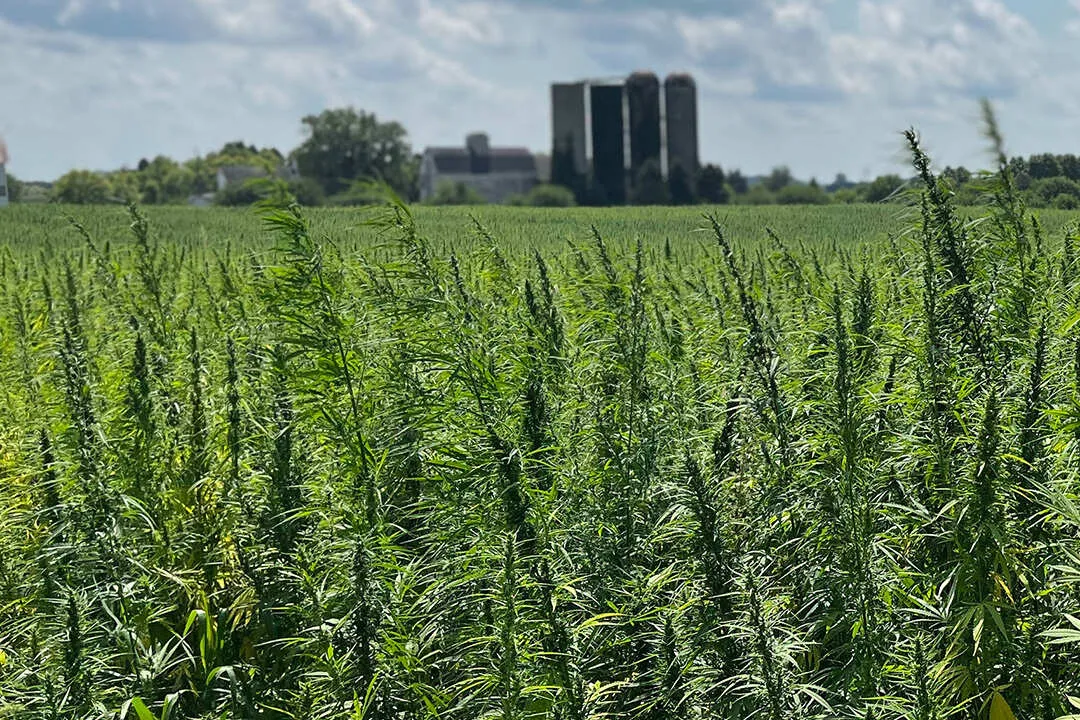 Photo: Kifcure, CC0, via Wikimedia Commons
CBD is available in oral tinctures (oil-based drops placed sublingually), capsules, edibles, topical creams and balms, and vape products. Bioavailability varies significantly by delivery route:
- Oral (capsules, edibles): Low bioavailability, estimated at about 6% under fasting conditions because absorption is incomplete and much of the absorbed dose is removed by first-pass liver metabolism; taking CBD with a high-fat meal raised exposure about fourfold (Perucca & Bialer, 2020).
- Sublingual (oil tincture): Often marketed as better absorbed than swallowed products, but absolute bioavailability by this route has not been measured in humans (Millar et al., 2018).
- Inhalation: The one human estimate, after smoking, is about 31%, with peak levels reached faster than by oral routes (Millar et al., 2018). Vaping introduces respiratory risks from aerosolized oils and additives; the 2019 EVALI lung-injury outbreak was strongly linked to vitamin E acetate in THC-containing vape products (CDC), and vaping is not recommended.
- Topical: Systemic absorption is thought to be limited; effects are localized if they occur at all.
Serving sizes on consumer products vary widely and are usually far below trial doses. The dose used in the anxiety study by Bergamaschi et al. was 600 mg — substantially higher than most commercial products. Pharmaceutical doses for seizure disorders are weight-based (maintenance doses up to 20 mg/kg/day for Lennox-Gastaut and Dravet syndromes and 25 mg/kg/day for tuberous sclerosis complex) and not applicable to supplement guidance (FDA prescribing information). No universal therapeutic dose for supplement applications has been established.
If sleep or anxiety is what brought you to CBD, our practical guide to ashwagandha covers another botanical studied for those outcomes, along with its own safety caveats; the herb’s research is summarized in the ashwagandha entry.
Safety, Interactions, and Contraindications
Drug interactions — clinically significant: The Epidiolex label describes CBD as a moderate inhibitor of CYP2C19 and lists interactions involving CYP1A2, CYP2B6, CYP2C8, UGT1A9 and the drug transporter P-glycoprotein (FDA prescribing information). Documented examples include:
- Clobazam: CBD raised levels of clobazam’s active metabolite, N-desmethylclobazam, about threefold, with no change in clobazam itself (FDA prescribing information; VanLandingham et al., 2020). In the Lennox-Gastaut and Dravet trials, somnolence or sedation was reported in 46% of CBD-treated patients taking clobazam versus 16% of those not taking it.
- Immunosuppressants: In 12 healthy volunteers, CBD at 5 mg/kg twice daily raised peak tacrolimus levels 4.2-fold and total exposure 3.1-fold (So et al., 2025). The label reports an approximately 2.5-fold increase in everolimus exposure and advises monitoring with sirolimus and tacrolimus.
- Warfarin: Two case reports in patients starting Epidiolex describe rising INR values that required warfarin dose reductions (Grayson et al., 2018; Cortopassi, 2020).
- Clopidogrel and other prodrugs activated by CYP2C19 may be less effective, according to the label.
Most of this evidence comes from pharmaceutical doses, and how often lower-dose consumer products cause interactions is not well characterized. Anyone taking prescription medications should consult a physician before using CBD.
Hepatotoxicity: In controlled Epidiolex trials, ALT rose above three times the upper limit of normal in 13% of CBD-treated patients versus 1% on placebo; most cases occurred in patients also taking valproate, and the rate was 17% at 20 mg/kg/day versus 1% at 10 mg/kg/day. The label calls for liver tests before treatment and at 1, 3 and 6 months (FDA prescribing information). Liver signals also appear at lower doses: in an FDA-run randomized trial of 201 healthy adults, 5 mg/kg/day for 28 days produced ALT or AST elevations above three times normal in 5.6% of the CBD group and none on placebo (Florian et al., 2025). Liver function monitoring is advisable for regular high-dose use.
Common adverse effects: In the Epidiolex trials, the most common were somnolence, decreased appetite, diarrhea, raised liver enzymes, fatigue, rash, sleep disturbance and infections (FDA prescribing information).
THC exposure: Full-spectrum products carry trace THC. In a controlled study, healthy adults taking 100 mg CBD oil containing as little as 0.5–1 mg THC produced positive urine drug tests, and one sample from the CBD-only group also tested positive; standard tests cannot distinguish hemp products from cannabis (Wolinsky et al., 2026). A positive test can have occupational or legal consequences.
Pregnancy and breastfeeding: The FDA “strongly advises against” CBD in any form during pregnancy or breastfeeding. It notes there is no comprehensive human research, but that high doses of CBD in pregnant animals have caused problems with the reproductive system of developing male fetuses, and that some CBD is expected to pass into breast milk (FDA). The Epidiolex label also reports embryofetal and developmental effects in animal studies. CBD should be avoided.
Quality control: The FDA has reported that products it tested did not contain the amount of CBD claimed on the label, and some contained unlisted substances such as THC (FDA testimony, 2019). In an independent analysis of 84 CBD products sold online, 31% were labeled within ±10% of their measured CBD content, 43% contained more than labeled and 26% less, and THC was detected in 21% (Bonn-Miller et al., 2017). Third-party Certificates of Analysis (COA) from accredited laboratories are essential.
Product Selection Criteria
Given the regulatory ambiguity and documented quality issues in the CBD market, the following criteria can help identify higher-quality products:
- Third-party COA: Every batch should have a current (within 12 months) Certificate of Analysis from an ISO/IEC 17025-accredited independent laboratory, confirming CBD potency, THC content within the applicable legal limit, absence of pesticides, heavy metals, residual solvents, and microbial contaminants.
- Extraction method: Supercritical CO₂ and ethanol are the most common extraction methods. Hydrocarbon (butane/propane) extraction can leave residual solvents if they are not fully purged, which the COA’s solvent panel should show.
- Product type transparency: Label should clearly state full-spectrum, broad-spectrum, or isolate, and specify the product’s CBD content in milligrams per serving.
- Hemp source: Hemp can take up heavy metals from soil, which is why it has been studied for phytoremediation. US federal hemp production rules require testing only for THC (7 CFR Part 990), so contaminant testing depends on state rules and the manufacturer, and a batch COA is the practical check.
- No unsubstantiated claims: The FDA has sent warning letters to companies marketing CBD products with disease treatment claims (FDA); such claims signal a disregard for compliance.
Frequently Asked Questions
How much CBD should I take for sleep?
No effective sleep dose has been established. The UK Food Standards Agency advises healthy adults to limit CBD from food to 10 mg a day, and EFSA set a provisional safe level of about 2 mg a day for a 70 kg adult. Trial doses for anxiety and epilepsy were far higher, which is where liver and interaction problems appeared. A clinician can advise, especially alongside medication.
What is the difference between CBD and THC?
Both are cannabinoids from Cannabis sativa, but THC is intoxicating and CBD is not. THC activates CB1 receptors in the brain, while in cell studies CBD dampens CB1 signaling without activating it. Hemp is legally defined by its low THC content (under 0.3% by dry weight in the US), which is why hemp-derived CBD can be sold at all.
Does CBD make you high?
No. CBD itself does not produce the euphoric effect of THC. Full-spectrum products contain trace THC, though, and in a controlled study, 100 mg of CBD oil with as little as 0.5–1 mg THC produced positive urine drug tests. Standard drug tests cannot tell hemp products from cannabis.
Is CBD legal?
It depends on where you live. In the US, hemp-derived CBD is widely sold, but the FDA holds that it cannot lawfully be sold as a dietary supplement or food ingredient, and a 2025 law will narrow the hemp definition in late 2026. The EU and UK require novel food authorization. Check current local rules before buying.
What are the side effects of CBD?
In the Epidiolex trials, the most common were sleepiness, decreased appetite, diarrhea, raised liver enzymes and fatigue. In an FDA-run trial of 201 healthy adults, 5 mg/kg a day raised liver enzymes above three times normal in 5.6%. CBD also interacts with drugs such as clobazam, tacrolimus and warfarin.
References
Show all 24 referencesShow fewer
- Devinsky, O., Cross, J. H., Laux, L., et al. (2017). Trial of cannabidiol for drug-resistant seizures in the Dravet syndrome. New England Journal of Medicine, 376(21), 2011–2020.
- Bergamaschi, M. M., Queiroz, R. H., Chagas, M. H., et al. (2011). Cannabidiol reduces the anxiety induced by simulated public speaking in treatment-naïve social phobia patients. Neuropsychopharmacology, 36(6), 1219–1226.
- Shannon, S., Lewis, N., Lee, H., & Hughes, S. (2019). Cannabidiol in anxiety and sleep: A large case series. The Permanente Journal, 23, 18-041.
- Vuckovic, S., Srebro, D., Vujovic, K. S., et al. (2018). Cannabinoids and pain: New insights from old molecules. Frontiers in Pharmacology, 9, 1259.
- Kayser, R. R., Haney, M., Raskin, M., et al. (2020). Acute effects of cannabinoids on symptoms of obsessive-compulsive disorder: A human laboratory study. Depression and Anxiety, 37(8), 801–811.
- Black, N., Stockings, E., Campbell, G., et al. (2019). Cannabinoids for the treatment of mental disorders and symptoms of mental disorders: A systematic review and meta-analysis. Lancet Psychiatry, 6(12), 995–1010.
- Xu, D. H., Cullen, B. D., Tang, M., & Fang, Y. (2020). The effectiveness of topical cannabidiol oil in symptomatic relief of peripheral neuropathy of the lower extremities. Current Pharmaceutical Biotechnology, 21(5), 390–402.
- Bonn-Miller, M. O., Loflin, M. J. E., Thomas, B. F., et al. (2017). Labeling accuracy of cannabidiol extracts sold online. JAMA, 318(17), 1708–1709.
- Millar, S. A., Stone, N. L., Yates, A. S., & O’Sullivan, S. E. (2018). A systematic review on the pharmacokinetics of cannabidiol in humans. Frontiers in Pharmacology, 9, 1365.
- Perucca, E., & Bialer, M. (2020). Critical aspects affecting cannabidiol oral bioavailability and metabolic elimination, and related clinical implications. CNS Drugs, 34(8), 795–800.
- VanLandingham, K. E., Crockett, J., Taylor, L., & Morrison, G. (2020). A phase 2, double-blind, placebo-controlled trial to investigate potential drug-drug interactions between cannabidiol and clobazam. Journal of Clinical Pharmacology, 60(10), 1304–1313.
- So, G. C., Lu, J. B. L., Koyama, S., et al. (2025). A phase I trial of the pharmacokinetic interaction between cannabidiol and tacrolimus. Clinical Pharmacology & Therapeutics, 117(3), 716–723.
- Grayson, L., Vines, B., Nichol, K., & Szaflarski, J. P. (2018). An interaction between warfarin and cannabidiol, a case report. Epilepsy & Behavior Case Reports, 9, 10–11.
- Florian, J., Salcedo, P., Burkhart, K., et al. (2025). Cannabidiol and liver enzyme level elevations in healthy adults: A randomized clinical trial. JAMA Internal Medicine, 185(9), 1070–1078.
- Wolinsky, D., et al. (2026). The acute and chronic pharmacokinetics and pharmacodynamics of oral cannabidiol with and without low doses of delta-9-tetrahydrocannabinol. Journal of Analytical Toxicology.
- U.S. Food and Drug Administration. EPIDIOLEX (cannabidiol) oral solution: Prescribing information. DailyMed.
- European Food Safety Authority. (2026). Provisional safe level for cannabidiol as a novel food.
- Laprairie, R. B., Bagher, A. M., Kelly, M. E., & Denovan-Wright, E. M. (2015). Cannabidiol is a negative allosteric modulator of the cannabinoid CB1 receptor. British Journal of Pharmacology, 172(20), 4790–4805.
- Tham, M., Yilmaz, O., Alaverdashvili, M., et al. (2019). Allosteric and orthosteric pharmacology of cannabidiol and cannabidiol-dimethylheptyl at the type 1 and type 2 cannabinoid receptors. British Journal of Pharmacology, 176(10), 1455–1469.
- Bisogno, T., Hanus, L., De Petrocellis, L., et al. (2001). Molecular targets for cannabidiol and its synthetic analogues: Effect on vanilloid VR1 receptors and on the cellular uptake and enzymatic hydrolysis of anandamide. British Journal of Pharmacology, 134(4), 845–852.
- Russo, E. B., Burnett, A., Hall, B., & Parker, K. K. (2005). Agonistic properties of cannabidiol at 5-HT1a receptors. Neurochemical Research, 30(8), 1037–1043.
- Ryberg, E., Larsson, N., Sjögren, S., et al. (2007). The orphan receptor GPR55 is a novel cannabinoid receptor. British Journal of Pharmacology, 152(7), 1092–1101.
- Burstein, S. (2015). Cannabidiol (CBD) and its analogs: A review of their effects on inflammation. Bioorganic & Medicinal Chemistry, 23(7), 1377–1385.
- Cortopassi, J. (2020). Warfarin dose adjustment required after cannabidiol initiation and titration. American Journal of Health-System Pharmacy, 77(22), 1846–1851.
More in Supplements & Ingredients
- Berberine
Berberine for weight loss: trials show about 1 to 2 kg, not Ozempic-level results, plus blood sugar and LDL effects, dosage, side effects and interactions.
- Collagen (Hydrolyzed Collagen Peptides)
Collagen peptides benefits weighed against the trials: skin elasticity, joint pain, bone density and muscle, plus daily dose, timing and side effects.
- Inulin
What is inulin? A prebiotic fiber from chicory root and other plants: how it feeds gut bacteria, benefits, daily dose, side effects and inulin vs psyllium.
- MCT Oil (Medium-Chain Triglycerides)
What is MCT oil? C8 and C10 fats fractionated from coconut or palm kernel oil. Ketones, weight and brain evidence, vs coconut oil, dose and side effects.
- Nutritional Yeast
Is nutritional yeast good for you? About 8 g complete protein per 15 g, B vitamins and B12 if fortified, vs brewer's yeast, daily amounts and gout.
- Resveratrol (trans-3,5,4'-Trihydroxystilbene)
Resveratrol benefits weighed against the evidence: under 1% bioavailability, mixed human trials, no lifespan gain in rigorous mouse tests, plus safety.

Browse all supplements & ingredients →
Curated by Superfoods Advisor Editors·Last updated