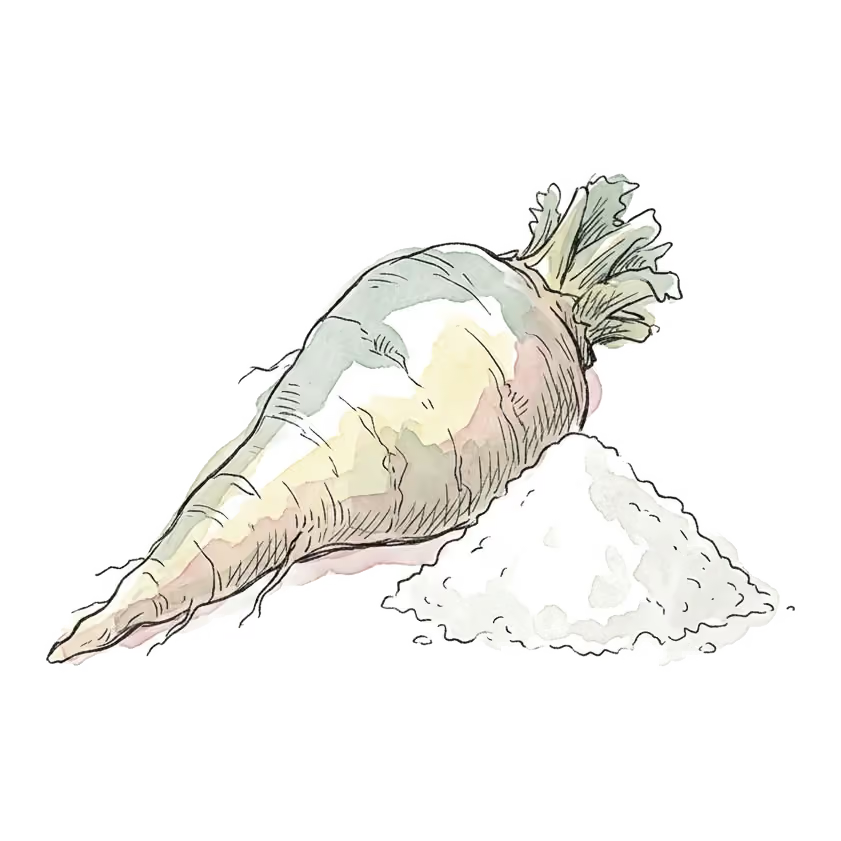
Inulin
Cichorium intybus · also known as chicory inulin, fructooligosaccharides, FOS, oligofructose, chicory root fiber, inulin-type fructans
By Superfoods Advisor Editors·July 3, 2026
What is inulin? A prebiotic fiber from chicory root and other plants: how it feeds gut bacteria, benefits, daily dose, side effects and inulin vs psyllium.
Inulin is a prebiotic dietary fiber: a chain of fructose units that plants such as chicory (Cichorium intybus), Jerusalem artichoke, garlic and onion store in their roots and bulbs. Humans cannot digest it, so it reaches the colon intact, where gut bacteria ferment it. Its best-documented effect is a rise in Bifidobacterium, a group of gut bacteria generally regarded as beneficial.
Sources and status: inulin also occurs in leek and asparagus. Commercially, most inulin used in food products and supplements is extracted from chicory root, with agave (Agave tequilana) serving as an additional source. Inulin belongs to a class of carbohydrates called fructans — polymers of fructose with a terminal glucose residue — and inulin-type fructans are among the established prebiotics in the 2017 International Scientific Association for Probiotics and Prebiotics (ISAPP) consensus (Gibson et al., 2017). It qualifies because it resists digestion in the small intestine and reaches the colon intact, where it serves as a fermentable substrate for beneficial microorganisms. In the United States, the FDA has said it intends to add inulin and inulin-type fructans to its regulatory definition of dietary fiber and, until that rulemaking is complete, allows manufacturers to count them as dietary fiber on the label (FDA).
Consumer interest in inulin spans its roles as a digestive health supplement, a caloric sweetener substitute (a labeling value of 1.5 kcal/g has been recommended for chicory inulin and oligofructose, against about 4 kcal/g for sucrose; Roberfroid, 1999), a fat replacer in reduced-calorie foods, and a texture modifier in dairy alternatives and snack products. Unlike probiotics, which introduce live microorganisms, inulin acts by selectively nourishing existing beneficial bacteria — the definition of a prebiotic established by Gibson and Roberfroid (1995) and broadened by the 2017 ISAPP consensus (Gibson et al., 2017).
Evidence at a glance
Active Compounds and Composition
Inulin is not a single compound but a heterogeneous mixture of linear fructan chains with varying degrees of polymerization (DP) — the number of fructose and glucose units per molecule. Chain length profoundly affects both functional behavior and physiological tolerability:
- Short-chain inulin (scFOS / oligofructose): DP of 2–8, average ~4 (Roberfroid, 2007). Includes fructooligosaccharides (FOS) such as kestose, nystose, and fructosylnystose. More rapidly fermented in the proximal colon; more likely to cause gas and bloating at lower doses.
- Long-chain inulin (HP inulin): DP of 10–60, with average DP ~25 (Roberfroid, 2007). Fermented more slowly and distally in the colon. Better tolerated at equivalent gram doses but less rapidly bifidogenic.
- Inulin-type fructans (ITF): A collective term encompassing the full spectrum; native chicory inulin spans DP 2–60, with average DP ~12 (Roberfroid, 2007).
The primary prebiotic mechanism is selective fermentation. Human digestive enzymes (amylase, sucrase, and other gastrointestinal hydrolases) cannot cleave the β(2→1) glycosidic bonds linking fructose units in inulin. The fiber therefore passes intact through the stomach and small intestine to reach the colon, where resident bacteria possessing the enzyme inulinase or β-fructosidase ferment it via anaerobic glycolysis. Key fermentation products include:
- Short-chain fatty acids (SCFAs): Primarily acetate, propionate, and butyrate. Butyrate is the primary energy substrate for colonocytes and plays roles in intestinal barrier integrity and anti-inflammatory signaling.
- Gases: Carbon dioxide, hydrogen, and methane — the source of inulin’s characteristic flatulence at higher doses.
- Lactate: Produced transiently during rapid fermentation.
The bifidogenic effect — selective enrichment of Bifidobacterium species — is the most consistently documented prebiotic property of inulin across human studies. Bifidobacterium species readily metabolize FOS and inulin and are generally regarded as beneficial members of the colonic microbiota, although whether raising their numbers produces health benefits has not been definitively proven (Roberfroid et al., 2010).
Evidence for Purported Benefits
Gut Microbiota Modulation (Bifidogenic Effect)
Evidence:Strong Consistent across RCTs and two meta-analyses, one independent; the bifidobacteria shift is clear, downstream health effects less so.
Inulin reliably changes the gut microbiota; whether that change improves health in people who already eat enough fiber is less clear. Food sources such as garlic and onions supply smaller amounts alongside other fibers.
Inulin’s ability to selectively increase Bifidobacterium counts in the human colon is the best-supported outcome in the literature. Roberfroid et al. (2010, British Journal of Nutrition) published a comprehensive review of human intervention studies and concluded that inulin-type fructans consistently produce statistically significant shifts in gut microbiota composition, most notably an increase in fecal Bifidobacterium counts. In a dose-finding trial in 40 healthy adults, Bouhnik et al. (1999, Journal of Nutrition) found that 10 g/day of short-chain FOS for 7 days was the lowest dose that significantly raised fecal bifidobacteria; 2.5 and 5 g/day did not. A 2023 meta-analysis of 50 RCTs (2,525 participants) by Nagy et al. (Critical Reviews in Food Science and Nutrition) found that chicory-derived inulin-type fructans at 3–20 g/day increased Bifidobacterium abundance, except in people with gastrointestinal disorders; two of its authors were employed by BENEO, a commercial chicory-inulin producer (Nagy et al., 2023). An independent meta-analysis of 64 fiber RCTs in healthy adults found that fructans and galacto-oligosaccharides raised fecal Bifidobacterium and, to a smaller degree, Lactobacillus, without changing overall microbial diversity (So et al., 2018). SCFA production increases are documented by fecal measurements but do not always translate into measurable systemic outcomes in healthy individuals with adequate baseline fiber intake.
Blood Glucose Attenuation
Evidence:Limited Results conflict: effects appear mainly in prediabetes or type 2 diabetes subgroups, with little change in people with normal glucose.
Inulin is a non-viscous soluble fiber, so it lacks the gel-forming, viscosity-dependent glycemic effect seen with fibers such as psyllium and beta-glucan (McRorie & McKeown, 2017). Any glucose effect is instead thought to work through fermentation, with SCFAs proposed to stimulate glucagon-like peptide-1 (GLP-1) and peptide YY secretion from enteroendocrine L-cells. In a double-blind crossover trial in 40 adults with prediabetes, Guess et al. (2016, Annals of Nutrition and Metabolism) found that 30 g/day of inulin for 2 weeks increased the early insulin response to a meal compared with cellulose and reduced insulin resistance (HOMA) only in the isolated impaired-fasting-glucose subgroup. A meta-analysis by Liu et al. (2017, European Journal of Clinical Nutrition) of 20 RCTs (607 adults) found that inulin-type fructans lowered LDL cholesterol overall, while lower fasting insulin and a non-significant trend toward lower fasting glucose appeared only in the small type 2 diabetes subgroup. Effects in normoglycemic individuals are smaller and less consistent.
Calcium and Mineral Absorption
Evidence:Limited Two trials, in adolescents and a small group of postmenopausal women; data in other adults are sparse.
Colonic fermentation of inulin is thought to lower luminal pH, which increases ionization of calcium and magnesium salts and improves their passive absorption through the colonic epithelium — a mechanism distinct from and complementary to active duodenal calcium absorption. Abrams et al. (2005, American Journal of Clinical Nutrition) found that 8 g/day of a mixed short- and long-chain inulin product increased calcium absorption in pubertal adolescents at 8 weeks and 1 year compared with placebo, with greater gains in whole-body bone mineral content and density after one year. In a 6-week crossover trial in 15 postmenopausal women, Holloway et al. (2007, British Journal of Nutrition) found that oligofructose-enriched inulin increased fractional calcium and magnesium absorption, though only about two-thirds of participants responded. Evidence in adults and older individuals remains limited.
Satiety and Body Weight
Evidence:Limited A small pilot and one 12-week RCT; effects across studies are small and results conflict.
Inulin may modulate appetite through SCFA-stimulated GLP-1 and PYY release, hormones that signal satiety to the hypothalamus. In a small single-blind crossover pilot study, Cani et al. (2006, European Journal of Clinical Nutrition) (n = 10 healthy adults) reported increased satiety ratings and about 5% lower total daily energy intake with 16 g/day oligofructose vs. placebo over 2 weeks. A randomized, double-blind trial by Parnell and Reimer (2009, American Journal of Clinical Nutrition) (n = 48 overweight or obese adults) found that 21 g/day oligofructose for 12 weeks produced a 1.03 kg weight loss versus a 0.45 kg gain with placebo, alongside lower ghrelin, higher peptide YY, and reduced self-reported calorie intake. Effects across studies are small and variable. Inulin is not a weight-loss supplement in isolation.
Immune Function
Evidence:Preliminary Mostly animal and mechanistic work; few, heterogeneous human trials on clinical immune outcomes.
SCFA-mediated effects on gut-associated lymphoid tissue and on barrier function have been proposed, mostly on the basis of animal and mechanistic studies. Direct intervention trials for clinical immune outcomes (infection rates, allergy) are limited and methodologically heterogeneous.
Typical Use and Dosing
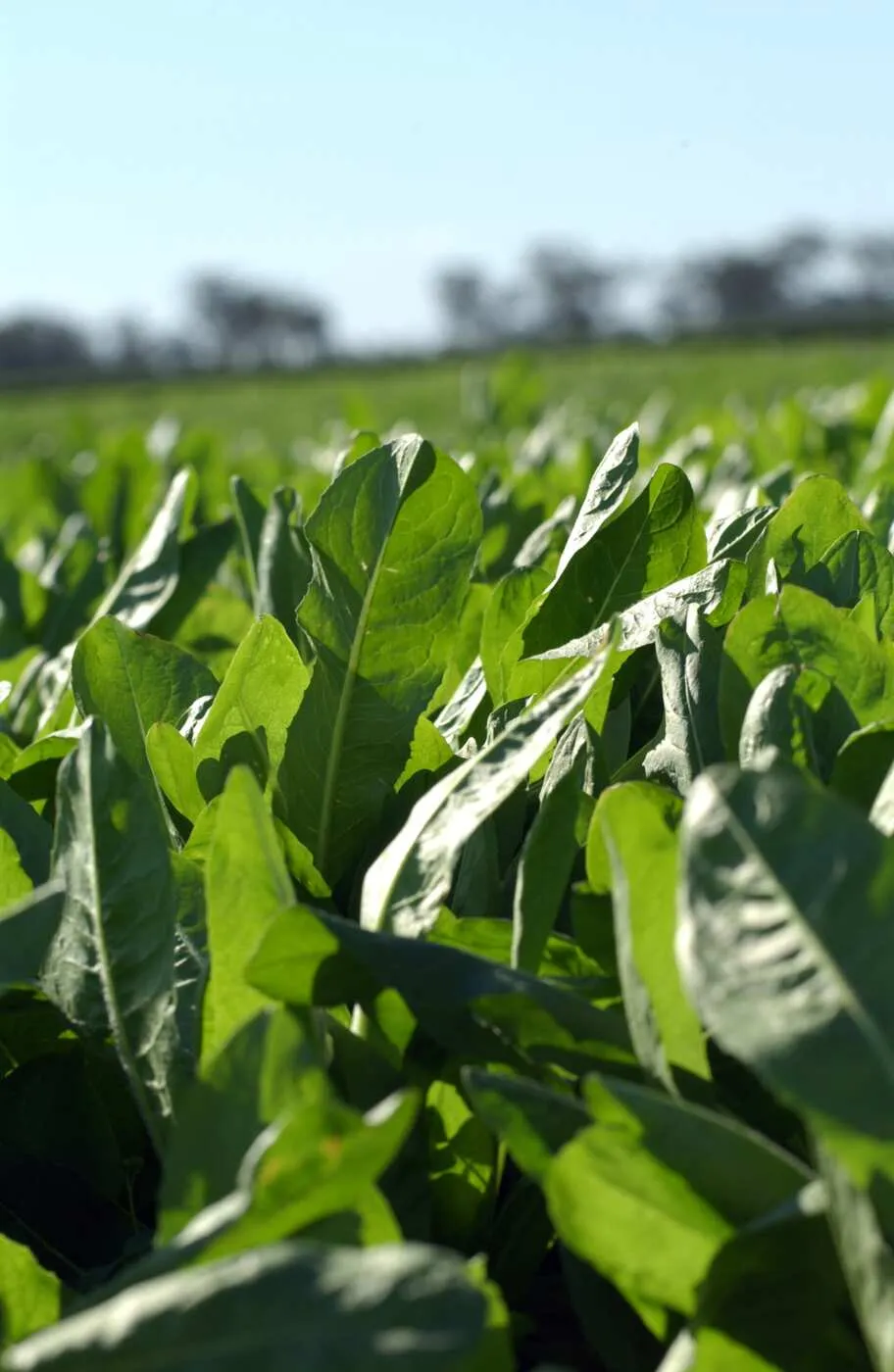 Photo: Carl Davies, CSIRO, CC BY 3.0, via Wikimedia Commons
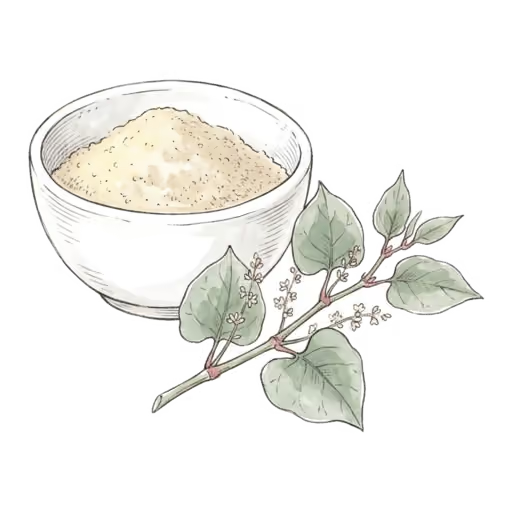
Inulin is available as a white or off-white powder with a mildly sweet taste and a slightly grainy texture. It can be stirred into beverages, incorporated into baked goods, or taken in capsule form.
- Bifidogenic / prebiotic effect: about 10 g/day of short-chain FOS was the lowest effective dose in the clearest dose-finding trial; trials pooled in a 2023 industry-co-authored meta-analysis used 3–20 g/day (Nagy et al., 2023).
- Blood glucose management: doses vary widely across trials (30 g/day in the prediabetes crossover trial above), and metabolic effects remain inconsistent.
- Calcium absorption: 8 g/day in the year-long adolescent trial above.
- GI tolerance: In a small crossover trial in 26 healthy adults, single doses of up to 10 g native inulin and up to 5 g oligofructose were well tolerated, while 10 g oligofructose substantially increased GI symptoms, mainly flatulence and bloating (Bonnema et al., 2010). Symptoms generally rise with dose.
Starting with a small dose and increasing gradually is commonly advised to limit GI symptoms, though specific escalation schedules have not been well tested.
The dietary fiber and microbiome research review covers inulin alongside other fermentable fibers, and the gut health superfoods guide puts prebiotic foods in the context of a whole diet.
Safety, Interactions, and Contraindications
GI distress (FODMAP consideration): Inulin is classified as a high-FODMAP food (Fermentable Oligosaccharides, Disaccharides, Monosaccharides, and Polyols). Individuals following a low-FODMAP diet for irritable bowel syndrome (IBS) are advised to avoid or minimize inulin, as it is likely to exacerbate bloating, cramping, and altered stool habit in this population. In a blinded rechallenge trial in 25 IBS patients who had responded to fructose and fructan restriction, 77% reported inadequately controlled symptoms on fructans versus 14% on glucose (Shepherd et al., 2008). In an MRI study, a 40 g inulin drink raised colonic gas similarly in IBS patients and healthy controls, but 13 of 29 IBS patients developed significant symptoms, consistent with heightened gut sensitivity rather than extra gas production (Major et al., 2017). This is the primary safety concern at supplement doses.
GI symptoms at high doses: Even in healthy individuals, larger doses commonly produce flatulence and bloating, and short-chain forms do so at lower doses than native inulin (Bonnema et al., 2010).
Fructose malabsorption: Fructose malabsorption and fructan intolerance are separate problems that often occur together, and people with fructose malabsorption may also react to inulin. People with hereditary fructose intolerance, a rare metabolic disorder, should follow their metabolic team’s advice; restricted diets for the condition commonly exclude inulin and fructooligosaccharides.
Drug interactions: Drug interactions with inulin have not been systematically studied. By modifying colonic pH and transit time, high-dose prebiotic use could theoretically alter absorption of pH-sensitive oral drugs.
Diabetic medications: Those using insulin or oral hypoglycemic agents who add inulin supplementation for glucose management should monitor blood glucose and consult a physician, as additive glucose-lowering effects could risk hypoglycemia.
Immunocompromised individuals: Safety data for prebiotic supplements in severely immunocompromised patients are limited, so these patients should check with their care team before use.
Product Selection Criteria
- Source disclosure: Chicory root inulin is the most studied and most widely available commercial form. Agave “inulin” differs structurally: agave fructans are branched molecules (graminans and neo-fructans, sometimes called agavins) rather than the linear chains of chicory inulin (Mancilla-Margalli & López, 2006).
- Chain length specification: For general prebiotic use, native chicory inulin (mixed DP) is appropriate. For potentially better tolerance, long-chain HP inulin may be preferable; for a faster bifidogenic effect, short-chain FOS (oligofructose) is fermented more quickly.
- No added sugar: Some commercial “prebiotic fiber” blends add sugars or syrups; read the label.
- Third-party testing: Verify for pesticide residues (chicory root is an agricultural crop) and heavy metals.
- Dose per serving: Verify that serving sizes are comparable to doses used in published trials rather than token inclusions in proprietary blend products.
Frequently Asked Questions
Is inulin good for you?
For most healthy people, inulin is a safe source of fermentable fiber that consistently raises Bifidobacterium in the gut. Whether that shift leads to better health is less certain, and effects on blood glucose, weight and calcium absorption are small or mixed. People with IBS or fructan intolerance often feel worse on it.
How much inulin per day?
No official amount exists. Prebiotic trials used 3 to 20 g a day, and about 10 g of short-chain FOS was the lowest dose that raised bifidobacteria in one dose-finding trial. In a tolerance study, up to 10 g of native inulin in a single dose was well tolerated. Starting lower and increasing gradually is the usual advice.
Does inulin cause gas and bloating?
Often, yes, especially at higher doses. Bacteria ferment inulin into carbon dioxide, hydrogen and methane. In a crossover trial of 26 healthy adults, 10 g of oligofructose substantially increased flatulence and bloating, while native inulin at the same dose was better tolerated. Long-chain inulin is fermented more slowly and tends to be gentler.
Is inulin a soluble fiber?
Yes. Inulin is soluble but non-viscous, so it does not form a gel the way psyllium or beta-glucan does. That matters because the gel is what drives those fibers’ effects on blood glucose and cholesterol; inulin’s effects come instead from fermentation in the colon.
What is the difference between inulin and psyllium?
Both are soluble fibers, but they work differently. Psyllium forms a viscous gel that slows digestion and has gel-dependent glycemic effects. Inulin is non-viscous and highly fermentable, so its main effect is feeding gut bacteria, at the cost of more gas. People with IBS on a low-FODMAP diet are usually steered away from inulin.
References
Show all 20 referencesShow fewer
- Gibson, G. R., & Roberfroid, M. B. (1995). Dietary modulation of the human colonic microbiota: Introducing the concept of prebiotics. Journal of Nutrition, 125(6), 1401–1412.
- Roberfroid, M., Gibson, G. R., Hoyles, L., et al. (2010). Prebiotic effects: Metabolic and health benefits. British Journal of Nutrition, 104(S2), S1–S63.
- Guess, N. D., Dornhorst, A., Oliver, N., & Frost, G. S. (2016). A randomised crossover trial: The effect of inulin on glucose homeostasis in subtypes of prediabetes. Annals of Nutrition and Metabolism, 68(1), 26–34.
- Abrams, S. A., Griffin, I. J., Hawthorne, K. M., et al. (2005). A combination of prebiotic short- and long-chain inulin-type fructans enhances calcium absorption and bone mineralization in young adolescents. American Journal of Clinical Nutrition, 82(2), 471–476.
- Cani, P. D., Joly, E., Horsmans, Y., & Delzenne, N. M. (2006). Oligofructose promotes satiety in healthy human: a pilot study. European Journal of Clinical Nutrition, 60(5), 567–572.
- Liu, F., Prabhakar, M., Ju, J., Long, H., & Zhou, H. W. (2017). Effect of inulin-type fructans on blood lipid profile and glucose level: a systematic review and meta-analysis of randomized controlled trials. European Journal of Clinical Nutrition, 71(1), 9–20.
- Bouhnik, Y., Vahedi, K., Achour, L., et al. (1999). Short-chain fructo-oligosaccharide administration dose-dependently increases fecal bifidobacteria in healthy humans. Journal of Nutrition, 129(1), 113–116.
- Holloway, L., Moynihan, S., Abrams, S. A., Kent, K., Hsu, A. R., & Friedlander, A. L. (2007). Effects of oligofructose-enriched inulin on intestinal absorption of calcium and magnesium and bone turnover markers in postmenopausal women. British Journal of Nutrition, 97(2), 365–372.
- Parnell, J. A., & Reimer, R. A. (2009). Weight loss during oligofructose supplementation is associated with decreased ghrelin and increased peptide YY in overweight and obese adults. American Journal of Clinical Nutrition, 89(6), 1751–1759.
- Roberfroid, M. B. (1999). Caloric value of inulin and oligofructose. Journal of Nutrition, 129(7 Suppl), 1436S–1437S.
- Roberfroid, M. B. (2007). Inulin-type fructans: functional food ingredients. Journal of Nutrition, 137(11 Suppl), 2493S–2502S.
- Nagy, D. U., Sándor-Bajusz, K. A., Bódy, B., et al. (2023). Effect of chicory-derived inulin-type fructans on abundance of Bifidobacterium and on bowel function: a systematic review with meta-analyses. Critical Reviews in Food Science and Nutrition, 63(33), 12018–12035. (Two authors employed by BENEO, an inulin producer.)
- Bonnema, A. L., Kolberg, L. W., Thomas, W., & Slavin, J. L. (2010). Gastrointestinal tolerance of chicory inulin products. Journal of the American Dietetic Association, 110(6), 865–868.
- Shepherd, S. J., Parker, F. C., Muir, J. G., & Gibson, P. R. (2008). Dietary triggers of abdominal symptoms in patients with irritable bowel syndrome: randomized placebo-controlled evidence. Clinical Gastroenterology and Hepatology, 6(7), 765–771.
- Major, G., Pritchard, S., Murray, K., et al. (2017). Colon hypersensitivity to distension, rather than excessive gas production, produces carbohydrate-related symptoms in individuals with irritable bowel syndrome. Gastroenterology, 152(1), 124–133.
- Gibson, G. R., Hutkins, R., Sanders, M. E., et al. (2017). Expert consensus document: The International Scientific Association for Probiotics and Prebiotics (ISAPP) consensus statement on the definition and scope of prebiotics. Nature Reviews Gastroenterology & Hepatology, 14(8), 491–502.
- So, D., Whelan, K., Rossi, M., et al. (2018). Dietary fiber intervention on gut microbiota composition in healthy adults: a systematic review and meta-analysis. American Journal of Clinical Nutrition, 107(6), 965–983.
- McRorie, J. W., & McKeown, N. M. (2017). Understanding the physics of functional fibers in the gastrointestinal tract. Journal of the Academy of Nutrition and Dietetics, 117(2), 251–264.
- Mancilla-Margalli, N. A., & López, M. G. (2006). Water-soluble carbohydrates and fructan structure patterns from Agave and Dasylirion species. Journal of Agricultural and Food Chemistry, 54(20), 7832–7839.
- U.S. Food and Drug Administration. Questions and Answers on Dietary Fiber.
Related content
More in Supplements & Ingredients
- Berberine
Berberine for weight loss: trials show about 1 to 2 kg, not Ozempic-level results, plus blood sugar and LDL effects, dosage, side effects and interactions.
- CBD (Cannabidiol)
CBD for sleep: what the research shows, how CBD differs from THC, plus the anxiety and epilepsy evidence, dosing, legal status and side effects.
- Collagen (Hydrolyzed Collagen Peptides)
Collagen peptides benefits weighed against the trials: skin elasticity, joint pain, bone density and muscle, plus daily dose, timing and side effects.
- MCT Oil (Medium-Chain Triglycerides)
What is MCT oil? C8 and C10 fats fractionated from coconut or palm kernel oil. Ketones, weight and brain evidence, vs coconut oil, dose and side effects.
- Nutritional Yeast
Is nutritional yeast good for you? About 8 g complete protein per 15 g, B vitamins and B12 if fortified, vs brewer's yeast, daily amounts and gout.
- Resveratrol (trans-3,5,4'-Trihydroxystilbene)
Resveratrol benefits weighed against the evidence: under 1% bioavailability, mixed human trials, no lifespan gain in rigorous mouse tests, plus safety.


Browse all supplements & ingredients →
Curated by Superfoods Advisor Editors·Last updated