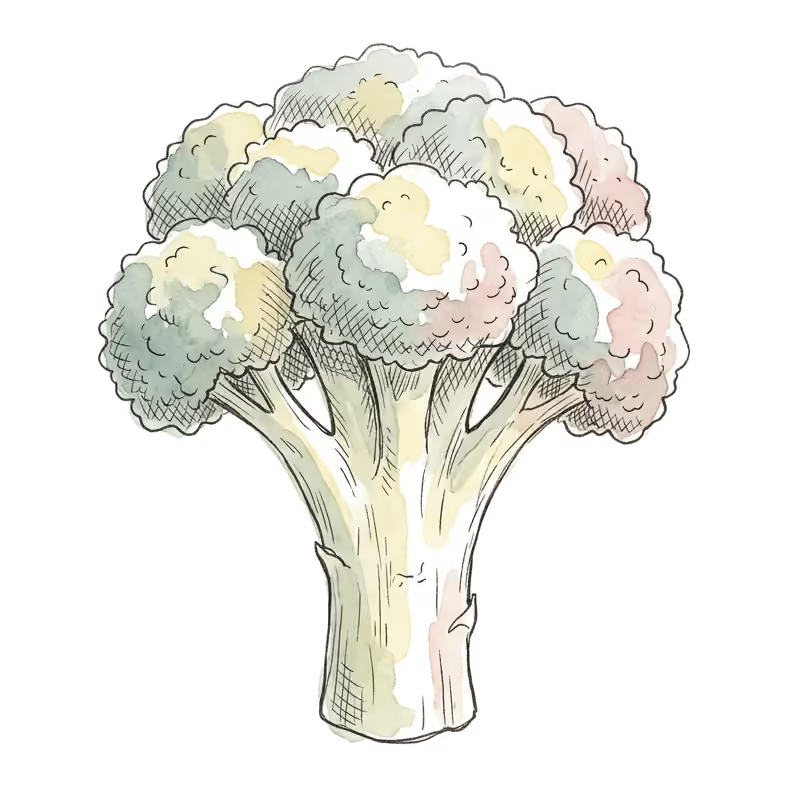
Broccoli (Brassica oleracea var. italica)
Brassica oleracea var. italica · also known as Calabrese, Sprouting broccoli, Italian broccoli
By Superfoods Advisor Editors·July 3, 2026
Is broccoli good for you? Broccoli nutrition per 100 g, including 118% DV vitamin K, how sulforaphane forms, what human studies show, and safety notes.
Broccoli (Brassica oleracea var. italica), also called calabrese, is a cruciferous vegetable in the cabbage family (Brassicaceae). It is good for you mainly as a dense source of vitamins C and K and fiber for 35 kcal per 100 g cooked, and as a leading source of glucoraphanin, which forms sulforaphane. Human evidence for disease prevention remains preliminary.
Broccoli was developed through selective cultivation in the Italian peninsula. The name is the plural of Italian broccolo (cabbage sprout), a diminutive of brocco (shoot), from Latin broccus (projecting, pointed). Genetic analysis points to an origin of B. oleracea cultivation in the eastern Mediterranean, with the Aegean B. cretica as its closest living wild relative (Mabry et al., 2021). Broccoli was introduced to England and France in the 18th century, where it was sometimes called “Italian asparagus,” and became a mainstream commercial crop in the United States during the 1920s.
From a nutritional science perspective, broccoli gained significant research attention in the 1990s when Paul Talalay’s laboratory at Johns Hopkins University identified sulforaphane — derived from the glucosinolate glucoraphanin via the enzyme myrosinase — as a potent inducer of phase-II detoxification enzymes (Zhang et al., 1992). This discovery anchored broccoli and broccoli sprouts as among the most studied dietary sources of chemopreventive phytochemicals. Three-day-old broccoli sprouts, in particular, can contain 10–100 times the glucoraphanin of the mature plant (Fahey et al., 1997) and are widely used in clinical research.
Evidence at a glance
Active Compounds
Glucosinolates and the Myrosinase-Sulforaphane Pathway
Broccoli contains a family of sulfur-containing secondary metabolites called glucosinolates, the most abundant of which is glucoraphanin. Glucosinolates themselves are biologically inert; they require hydrolysis by the plant enzyme myrosinase (β-thioglucosidase) to generate bioactive isothiocyanates.
The pathway operates as follows:
- In intact plant tissue, glucoraphanin and myrosinase are stored in separate cellular compartments (vacuoles and myrosin cells, respectively).
- Cell disruption — via chewing, chopping, blending, or freezing and thawing — brings these constituents into contact, initiating enzymatic hydrolysis.
- Glucoraphanin + myrosinase → sulforaphane (4-methylsulfinylbutyl isothiocyanate) + glucose + sulfate.
Cooking caveat: Myrosinase is heat-labile; in broccoli juice it loses activity progressively across roughly 45–60 °C (Van Eylen et al., 2007). In one laboratory study, boiling and microwaving broccoli caused sulforaphane yield to fall within about a minute, while steaming for 1–3 minutes increased it in most cultivars tested (Wang et al., 2012). However, gut bacteria (for example, Bacteroides thetaiotaomicron) can convert part of the residual glucoraphanin to isothiocyanates in the colon, though less efficiently and far more variably between individuals than when plant myrosinase is active (Fahey et al., 2012; Fahey et al., 2015).
Practical mitigation: Allowing chopped raw broccoli to rest before cooking (“the chop-and-rest method”) is intended to let myrosinase convert glucoraphanin to sulforaphane before heat inactivates it; in one laboratory study, letting broccoli hydrolyze before stir-frying left more sulforaphane in the cooked dish (Wu et al., 2018). Light steaming also appears to help: a heat-sensitive cofactor in broccoli otherwise diverts much of the hydrolysis toward inactive sulforaphane nitrile, and steaming for 1–3 minutes reduced nitrile and raised sulforaphane yield in the same study (Wang et al., 2012). Adding raw mustard seed powder (a myrosinase source) to cooked broccoli is another strategy supported by a small human crossover study: adding 1 g of powdered brown mustard to 200 g of cooked broccoli roughly quadrupled urinary sulforaphane metabolite excretion in 12 adults (Okunade et al., 2018).
Sulforaphane mechanism of action: Sulforaphane is an indirect antioxidant and inducer of the Nrf2 (nuclear factor erythroid 2–related factor 2) transcription pathway. By covalently modifying Keap1 (Kelch-like ECH-associated protein 1), sulforaphane releases Nrf2 to translocate to the nucleus, where it upregulates the antioxidant response element (ARE) and drives expression of phase-II detoxification enzymes — including glutathione S-transferases (GSTs), NAD(P)H:quinone oxidoreductase 1 (NQO1), and heme oxygenase-1 (HO-1). These enzymes facilitate detoxification of carcinogens and electrophilic mutagens (Talalay & Fahey, 2001).
Indole-3-Carbinol (I3C) and Diindolylmethane (DIM)
Broccoli contains indolyl glucosinolates (primarily glucobrassicin) that hydrolyze to indole-3-carbinol (I3C). In the acidic environment of the stomach, I3C is condensed to diindolylmethane (DIM) and other oligomers. In small human studies, I3C supplements increased 2-hydroxylation of estrogens and lowered 16α-hydroxyestrone (Michnovicz et al., 1997), and in a placebo-controlled pilot trial in 19 postmenopausal women, DIM supplements raised urinary 2-hydroxyestrone, though the shift in the 2-hydroxyestrone/16α-hydroxyestrone ratio was not statistically significant (Dalessandri et al., 2004). This property has attracted interest in hormone-sensitive cancers, though clinical evidence remains preliminary.
Vitamin C, Vitamin K, and Folate
Broccoli is among the richer vegetable sources of vitamin C, with raw broccoli providing approximately 89 mg per 100 g (nearly 100% of the adult daily value; USDA FoodData Central). It is also a significant source of vitamin K1 and folate.
Nutritional Profile
Per 100 g of cooked broccoli (boiled, drained, without salt; USDA FoodData Central):
| Nutrient | Amount | % DV |
|---|---|---|
| Energy | 35 kcal | — |
| Protein | 2.4 g | — |
| Total fat | 0.4 g | — |
| Carbohydrate | 7.2 g | — |
| Dietary fiber | 3.3 g | — |
| Sugars | 1.4 g | — |
| Vitamin C | 64.9 mg | 72% |
| Vitamin K | 141 µg | 118% |
| Folate | 108 µg | 27% |
| Vitamin A (RAE) | 77 µg | 9% |
| Potassium | 293 mg | 6% |
| Calcium | 40 mg | 3% |
Raw broccoli contains somewhat higher vitamin C (89 mg/100 g) than cooked, as vitamin C is both heat-sensitive and water-soluble. In one comparison of five cooking methods, steaming was the only one that did not cause a significant loss of vitamin C (Yuan et al., 2009).
Evidence for Purported Benefits
Chemopreventive and Cancer-Risk Reduction
Evidence:Preliminary Observational links vary by cancer site; one RCT showed pollutant detoxification, and none has tested cancer incidence.
Epidemiological studies have found inverse associations between cruciferous vegetable consumption and risk of several cancers, though not consistently. A review by Higdon et al. (2007, Pharmacological Research) concluded that high cruciferous vegetable intake has been associated with lower risk of lung and colorectal cancer in some epidemiological studies, while evidence for breast and prostate cancer is limited and inconsistent, and that genetic differences in isothiocyanate metabolism may modify any protective effect. A later umbrella review of meta-analyses found inverse associations for several cancers, including lung, gastric, and breast, but not for colorectal or bladder cancer, and judged the findings inconsistent (Guo et al., 2024).
Laboratory evidence is more consistent: sulforaphane induces phase-II detoxification enzymes that inactivate carcinogens, its metabolites inhibited histone deacetylases (HDACs) in human cell lines (Myzak et al., 2004), and it has shown antiproliferative effects in multiple cancer cell lines. Isothiocyanates and indoles have also shown tumor promotion over prolonged exposure in some experimental protocols (Higdon et al., 2007).
A 12-week randomized trial by Egner et al. (2014, Cancer Prevention Research) in 291 adults in Qidong, China — a region with heavy airborne pollution — found that a daily broccoli sprout beverage increased urinary excretion of the glutathione-derived conjugates of benzene (by 61%) and acrolein (by 23%) compared with placebo, indicating enhanced detoxification of these pollutants. However, direct evidence from RCTs showing reduced cancer incidence from broccoli or sulforaphane supplementation is absent, and such trials are methodologically challenging due to long latency periods.
Cardiovascular Protection
Evidence:Preliminary Large cohort associations plus one small crossover trial (18 adults) on blood pressure.
In a small randomized crossover trial (Connolly et al., 2024, BMC Medicine), 18 Australian adults with mildly elevated blood pressure who ate about 300 g/day of cruciferous vegetables for two weeks had 24-hour systolic blood pressure 2.5 mmHg lower than after eating root and squash vegetables. In two prospective Shanghai cohorts of 134,796 adults (Zhang et al., 2011, American Journal of Clinical Nutrition), higher cruciferous vegetable intake was associated with lower total and cardiovascular mortality, though confounding by overall dietary quality is difficult to fully exclude.
Antioxidant and Anti-inflammatory Activity
Evidence:Preliminary One four-week RCT (81 patients) of broccoli sprout powder improved some lipid and oxidation markers.
Sulforaphane-rich broccoli sprout preparations have been studied for effects on oxidative stress and cardiometabolic biomarkers in small human trials. A double-blind, placebo-controlled RCT by Bahadoran et al. (2012, Diabetes Research and Clinical Practice) in 81 patients with type 2 diabetes found that 10 g/day of broccoli sprout powder for four weeks significantly reduced serum triglycerides, the oxidized LDL/LDL ratio, and the atherogenic index of plasma. Effect sizes are modest and study durations short.
Blood Glucose and Insulin Sensitivity
Evidence:Preliminary Cell and animal work plus one small human trial of sulforaphane-rich sprout extract; needs replication.
A 2017 study by Axelsson et al. (Science Translational Medicine) found that sulforaphane suppressed glucose production in liver cells through Nrf2 nuclear translocation and lower expression of key gluconeogenic enzymes, and reduced exaggerated glucose production in diabetic animals by a magnitude similar to metformin. In the same paper’s human trial, sulforaphane-rich broccoli sprout extract reduced fasting blood glucose and HbA1c in obese patients with dysregulated type 2 diabetes. The human trial was small and requires replication.
Typical Use and Preparation
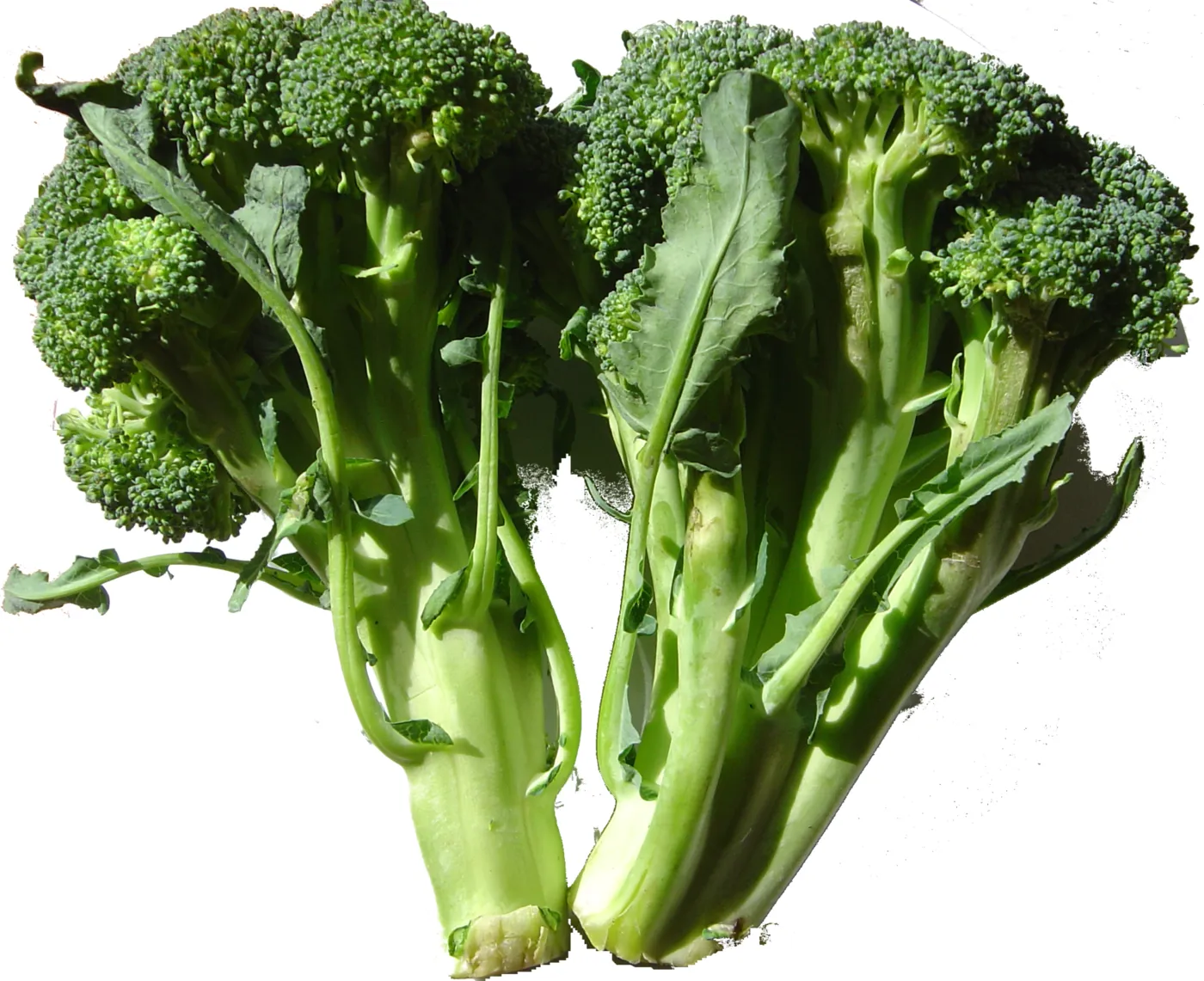 Photo: David Monniaux, CC BY-SA 3.0, via Wikimedia Commons
For maximal sulforaphane yield, the optimal preparation strategy is:
- Chop or blend raw broccoli and allow it to rest at room temperature before any heating — this allows endogenous myrosinase to convert glucoraphanin to sulforaphane while the enzyme is still active.
- If cooking is required, brief steaming (1–3 minutes) gave more sulforaphane than boiling or microwaving in a laboratory comparison (Wang et al., 2012).
- Raw consumption (e.g., in salads, crudités) keeps myrosinase fully active, assuming adequate chewing for cell disruption, although in raw broccoli a large share of glucoraphanin can be converted to inactive nitrile rather than sulforaphane (Wang et al., 2012).
- Broccoli sprouts (young germinated seeds; 3-day-old sprouts were measured by Fahey et al., 1997) can contain 10–100× the glucoraphanin of mature plants and are a practical way to obtain clinically studied sulforaphane doses from food.
Broccoli pairs well with garlic, olive oil, lemon, cheese, and chili. It is widely used stir-fried, roasted, steamed, and in soups.
The cruciferous vegetables and sulforaphane review looks at broccoli and relatives such as cauliflower and Brussels sprouts in more depth, including how chopping and cooking affect sulforaphane formation.
Safety, Interactions, and Contraindications
Thyroid and goitrogen concern: Some glucosinolate breakdown products can reduce thyroid iodine uptake (goitrogenic effect): goitrin forms from progoitrin, and thiocyanate mainly from indole glucosinolates. A review by Felker et al. (2016, Nutrition Reviews) classed commercial broccoli as minimal risk, with less than 10 µmol of goitrin per 100 g serving, and estimated that thiocyanate from indole glucosinolates adds little to normal background plasma levels (Felker et al., 2016; some of the review’s authors were affiliated with produce companies). The concern is mainly relevant to very high intakes of raw cruciferous vegetables and to people with existing iodine deficiency. In a 12-week randomized trial in 45 women, a daily broccoli sprout beverage did not change TSH, free thyroxine, or thyroid autoimmunity markers (Chartoumpekis et al., 2019). Individuals with hypothyroidism who consume large amounts of raw cruciferous vegetables may wish to discuss this with their endocrinologist.
Warfarin interaction: Broccoli is a high-vitamin-K food (about 141 µg per 100 g cooked). A sudden increase in vitamin K intake can lower INR and weaken warfarin’s effect, and a sudden decrease can raise it, so patients taking warfarin are generally advised to keep vitamin K intake steady rather than avoid such foods (Violi et al., 2016).
Gas and GI discomfort: Cruciferous vegetables can cause flatulence and bloating, attributed to colonic fermentation of oligosaccharides and sulfur-containing compounds.
Medication interactions: In a controlled crossover feeding study of 36 adults, six days of a brassica-vegetable diet increased cytochrome P450 1A2 (CYP1A2) activity, measured by caffeine metabolism (Lampe et al., 2000). In laboratory cultures of human liver cells, sulforaphane lowered the expression and activity of CYP3A4 and left CYP1A2 unaffected (Mahéo et al., 1997); whether this occurs at dietary or supplement doses in people has not been established. Clinical drug interaction data for broccoli are limited. Patients taking drugs metabolized by these enzymes, particularly those using high-dose broccoli sprout supplements, should discuss this with their pharmacist.
Frequently Asked Questions
Is broccoli a superfood?
“Superfood” is a marketing term with no legal definition, but broccoli is one of the better-studied vegetables sold under it. Its firmest case is nutritional: 100 g cooked supplies more than a day’s vitamin K, about 72% of the daily value for vitamin C and 3.3 g of fiber for 35 kcal, and it is a leading source of glucoraphanin, which forms sulforaphane. The limit is disease prevention: links to lower cancer risk are observational, and no trial has shown broccoli prevents cancer.
What is broccoli good for?
Broccoli is a nutrient-dense vegetable: 100 g cooked supplies more than a day’s vitamin K, about three-quarters of the daily value for vitamin C, and a quarter of the folate, for 35 kcal. It is also studied for sulforaphane, which activates the body’s Nrf2 detoxification pathway in laboratory work. Links to lower cancer and heart disease risk come mainly from observational studies and remain preliminary.
Does broccoli have fiber?
Yes. Cooked broccoli provides about 3.3 g of dietary fiber per 100 g, alongside 2.4 g of protein and 1.4 g of sugars (USDA FoodData Central). That makes it one of the more fiber-dense common vegetables per calorie, and a useful contributor toward the roughly 28 g daily value for fiber.
Can broccoli cause gas?
It can. Like other cruciferous vegetables, broccoli contains oligosaccharides and sulfur compounds that colon bacteria ferment, which can cause flatulence and bloating. The effect is harmless but may be uncomfortable for people with irritable bowel syndrome. Increasing portions gradually, and cooking broccoli rather than eating large amounts raw, are common ways people reduce it.
How much broccoli is too much?
There is no established upper limit for broccoli as a food. Two groups have reasons to pay attention. People on warfarin are advised to keep vitamin K intake consistent rather than vary it sharply (Violi et al., 2016). People with hypothyroidism or iodine deficiency who eat very large amounts of raw cruciferous vegetables may want to discuss it with their clinician, although a review classed commercial broccoli as minimal goitrogen risk.
What are broccoli sprouts?
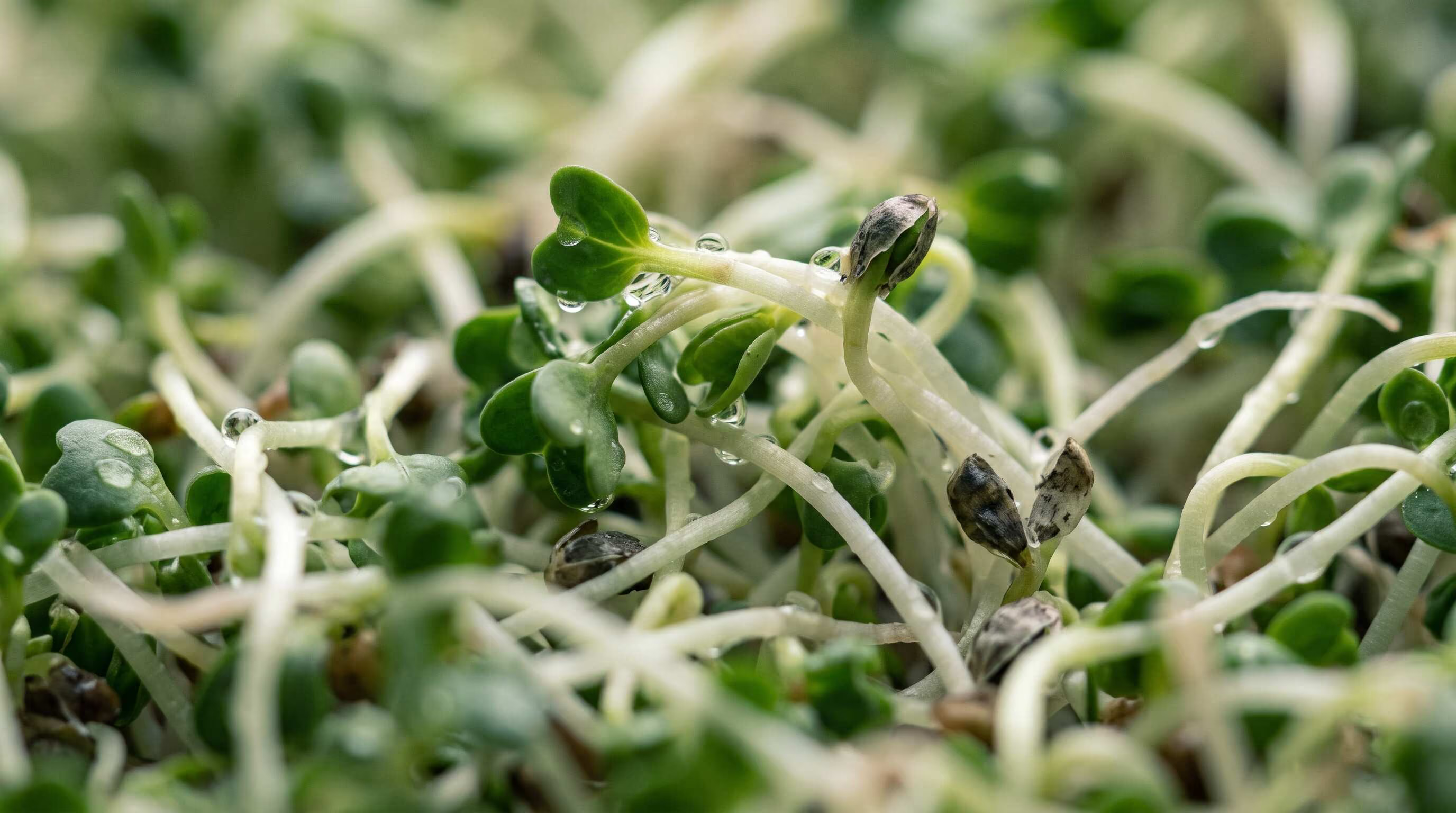
Broccoli sprouts are germinated broccoli seeds harvested a few days after sprouting. Three-day-old sprouts can contain 10–100 times the glucoraphanin of mature broccoli (Fahey et al., 1997), which is why sprout powders and beverages are used in most sulforaphane trials. They have their own entry on broccoli sprouts.
What is the difference between broccoli and broccolini?
Broccolini is a hybrid of broccoli and Chinese broccoli (gai lan), with long, thin stems, small florets and a milder, sweeter taste. Standard broccoli has a single large head on a thick stalk. Both belong to Brassica oleracea and share the cruciferous glucosinolate chemistry, but the clinical research described on this page used broccoli or broccoli sprouts, not broccolini.
References
Show all 28 referencesShow fewer
- Talalay, P., & Fahey, J. W. (2001). Phytochemicals from cruciferous plants protect against cancer by modulating carcinogen metabolism. Journal of Nutrition, 131(11), 3027S–3033S.
- Higdon, J. V., Delage, B., Williams, D. E., & Dashwood, R. H. (2007). Cruciferous vegetables and human cancer risk: epidemiologic evidence and mechanistic basis. Pharmacological Research, 55(3), 224–236.
- Fahey, J. W., Holtzclaw, W. D., Wehage, S. L., Wade, K. L., Stephenson, K. K., & Talalay, P. (2015). Sulforaphane bioavailability from glucoraphanin-rich broccoli: control by active endogenous myrosinase. PLOS ONE, 10(11), e0140963.
- Axelsson, A. S., Tubbs, E., Mecham, B., Chacko, S., Nenonen, H. A., Tang, Y., … & Rosengren, A. H. (2017). Sulforaphane reduces hepatic glucose production and improves glucose control in patients with type 2 diabetes. Science Translational Medicine, 9(394), eaah4477.
- Bahadoran, Z., Mirmiran, P., Hosseinpanah, F., Rajab, A., Asghari, G., & Azizi, F. (2012). Broccoli sprouts powder could improve serum triglyceride and oxidized LDL/LDL-cholesterol ratio in type 2 diabetic patients. Diabetes Research and Clinical Practice, 96(3), 348–354.
- Okunade, O., Niranjan, K., Ghawi, S. K., Kuhnle, G., & Methven, L. (2018). Supplementation of the diet by exogenous myrosinase via mustard seeds to increase the bioavailability of sulforaphane in healthy human subjects after the consumption of cooked broccoli. Molecular Nutrition & Food Research, 62(18), e1700980.
- USDA FoodData Central. Broccoli, cooked, boiled, drained, without salt. FDC ID 169967. U.S. Department of Agriculture.
- Egner, P. A., Chen, J. G., Zarth, A. T., et al. (2014). Rapid and sustainable detoxication of airborne pollutants by broccoli sprout beverage: results of a randomized clinical trial in China. Cancer Prevention Research, 7(8), 813–823.
- Connolly, E. L., Liu, A. H., Radavelli-Bagatini, S., et al. (2024). Cruciferous vegetables lower blood pressure in adults with mildly elevated blood pressure in a randomized, controlled, crossover trial: the VEgetableS for vaScular hEaLth (VESSEL) study. BMC Medicine, 22(1), 353.
- Zhang, X., Shu, X. O., Xiang, Y. B., et al. (2011). Cruciferous vegetable consumption is associated with a reduced risk of total and cardiovascular disease mortality. American Journal of Clinical Nutrition, 94(1), 240–246.
- USDA FoodData Central. Broccoli, raw. FDC ID 170379. U.S. Department of Agriculture.
- Fahey, J. W., Zhang, Y., & Talalay, P. (1997). Broccoli sprouts: an exceptionally rich source of inducers of enzymes that protect against chemical carcinogens. Proceedings of the National Academy of Sciences USA, 94(19), 10367–10372.
- Zhang, Y., Talalay, P., Cho, C. G., & Posner, G. H. (1992). A major inducer of anticarcinogenic protective enzymes from broccoli: isolation and elucidation of structure. Proceedings of the National Academy of Sciences USA, 89(6), 2399–2403.
- Mabry, M. E., Turner-Hissong, S. D., Gallagher, E. Y., et al. (2021). The evolutionary history of wild, domesticated, and feral Brassica oleracea (Brassicaceae). Molecular Biology and Evolution, 38(10), 4419–4434.
- Fahey, J. W., Wehage, S. L., Holtzclaw, W. D., et al. (2012). Protection of humans by plant glucosinolates: efficiency of conversion of glucosinolates to isothiocyanates by the gastrointestinal microflora. Cancer Prevention Research, 5(4), 603–611.
- Wu, Y., Shen, Y., Wu, X., et al. (2018). Hydrolysis before stir-frying increases the isothiocyanate content of broccoli. Journal of Agricultural and Food Chemistry, 66(6), 1509–1515.
- Michnovicz, J. J., Adlercreutz, H., & Bradlow, H. L. (1997). Changes in levels of urinary estrogen metabolites after oral indole-3-carbinol treatment in humans. Journal of the National Cancer Institute, 89(10), 718–723.
- Dalessandri, K. M., Firestone, G. L., Fitch, M. D., Bradlow, H. L., & Bjeldanes, L. F. (2004). Pilot study: effect of 3,3’-diindolylmethane supplements on urinary hormone metabolites in postmenopausal women with a history of early-stage breast cancer. Nutrition and Cancer, 50(2), 161–167.
- Yuan, G. F., Sun, B., Yuan, J., & Wang, Q. M. (2009). Effects of different cooking methods on health-promoting compounds of broccoli. Journal of Zhejiang University Science B, 10(8), 580–588.
- Guo, C., Liu, Y., Fu, H., Zhang, X., & Li, M. (2024). Effect of cruciferous vegetable intake on cancer: an umbrella review of meta-analysis. Journal of Food Science, 89(9), 5230–5244.
- Myzak, M. C., Karplus, P. A., Chung, F. L., & Dashwood, R. H. (2004). A novel mechanism of chemoprotection by sulforaphane: inhibition of histone deacetylase. Cancer Research, 64(16), 5767–5774.
- Chartoumpekis, D. V., Ziros, P. G., Chen, J. G., et al. (2019). Broccoli sprout beverage is safe for thyroid hormonal and autoimmune status: results of a 12-week randomized trial. Food and Chemical Toxicology, 126, 1–6.
- Violi, F., Lip, G. Y., Pignatelli, P., & Pastori, D. (2016). Interaction between dietary vitamin K intake and anticoagulation by vitamin K antagonists: is it really true? A systematic review. Medicine, 95(10), e2895.
- Van Eylen, D., Oey, I., Hendrickx, M., & Van Loey, A. (2007). Kinetics of the stability of broccoli (Brassica oleracea Cv. Italica) myrosinase and isothiocyanates in broccoli juice during pressure/temperature treatments. Journal of Agricultural and Food Chemistry, 55(6), 2163–2170.
- Wang, G. C., Farnham, M., & Jeffery, E. H. (2012). Impact of thermal processing on sulforaphane yield from broccoli (Brassica oleracea L. ssp. italica). Journal of Agricultural and Food Chemistry, 60(27), 6743–6748.
- Felker, P., Bunch, R., & Leung, A. M. (2016). Concentrations of thiocyanate and goitrin in human plasma, their precursor concentrations in brassica vegetables, and associated potential risk for hypothyroidism. Nutrition Reviews, 74(4), 248–258.
- Lampe, J. W., King, I. B., Li, S., et al. (2000). Brassica vegetables increase and apiaceous vegetables decrease cytochrome P450 1A2 activity in humans: changes in caffeine metabolite ratios in response to controlled vegetable diets. Carcinogenesis, 21(6), 1157–1162.
- Mahéo, K., Morel, F., Langouët, S., et al. (1997). Inhibition of cytochromes P-450 and induction of glutathione S-transferases by sulforaphane in primary human and rat hepatocytes. Cancer Research, 57(17), 3649–3652.
Related content
More in Vegetables
- Artichoke (Cynara cardunculus var. scolymus)
Artichokes benefits explained: prebiotic inulin, cynarin, nutrition per 100 g, and what leaf-extract trials show for cholesterol, digestion and the liver.
- Asparagus (Asparagus officinalis)
Is asparagus good for you? Nutrition per 100 g, including 37% DV folate and 42% vitamin K, its prebiotic fiber, what studies show, and safety notes.
- Beets / Beetroot (Beta vulgaris)
Beet juice benefits explained: how beetroot nitrates lowered systolic blood pressure and aided endurance in trials, beets nutrition per 100 g, and safety.
- Brussels Sprouts (Brassica oleracea var. gemmifera)
Brussels sprouts benefits and nutrition per 100 g (148% DV vitamin K, 94% vitamin C), their glucosinolates, what studies show, gas, and warfarin safety.
- Cabbage (Brassica oleracea var. capitata)
Is cabbage good for you? Cabbage nutrition per 100 g (63% DV vitamin K, 41% vitamin C), red vs green, sauerkraut, what studies show, and thyroid safety.
- Carrot (Daucus carota)
Carrots benefits explained: beta-carotene (93% DV vitamin A per 100 g), what studies show for eyes and heart, carrot nutrition facts, and safety notes.

Curated by Superfoods Advisor Editors·Last updated