Matcha Smoothie for Sustained Morning Energy
with almond butter, chia, and frozen banana
By Superfoods Advisor Editors·July 7, 2026
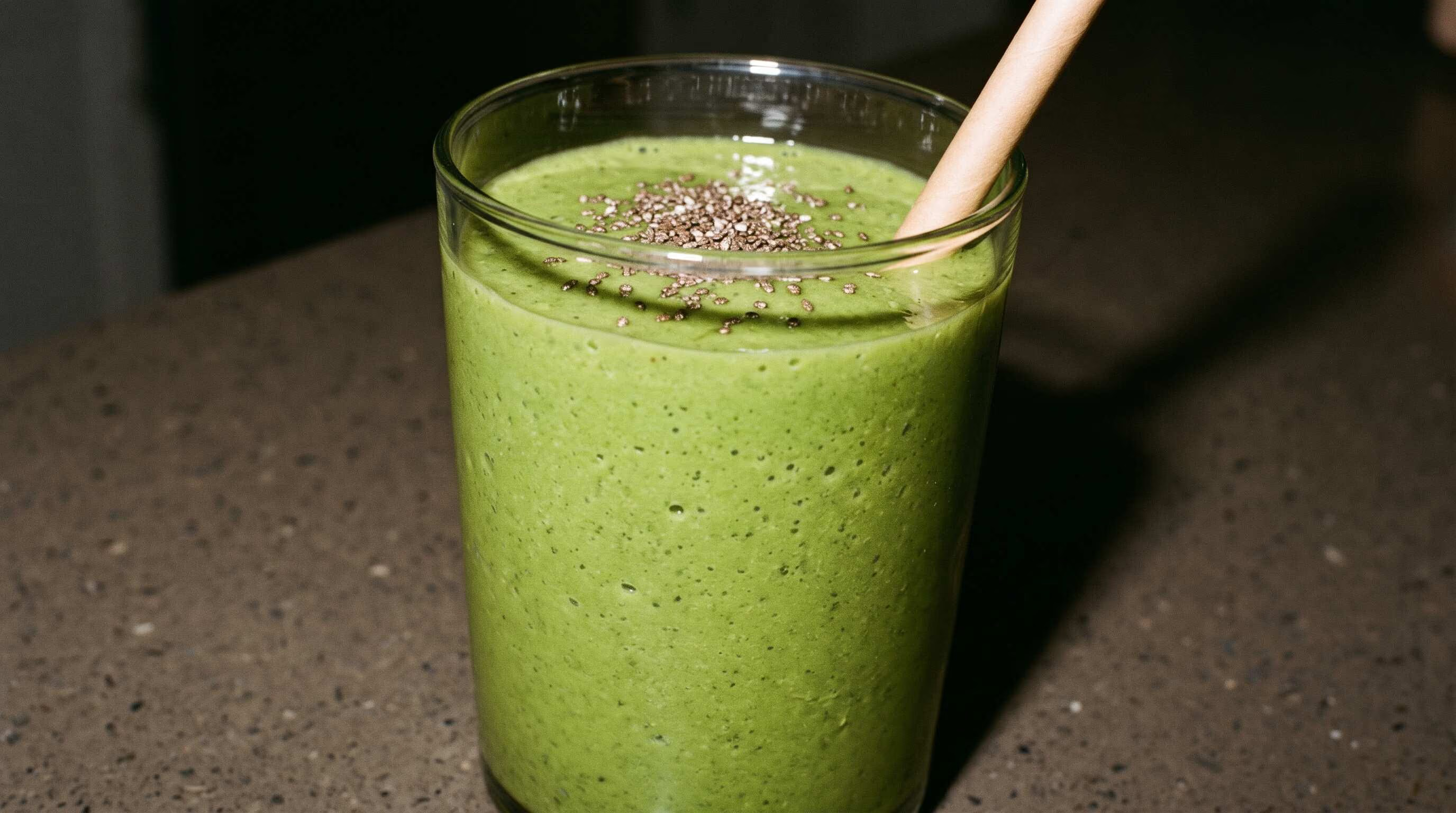
Allergens Soy · Tree nuts
Ingredients
 1 tspCeremonial-grade matcha powder, sifted
 1 cupUnsweetened soy milk (or dairy milk)Unsweetened soy milk carries roughly 7 to 9 g of protein per cup; oat and almond milks carry about 1 to 2 g.
 ½ wholeFrozen banana, sliced
 1 tbspAlmond butter (unsweetened)
 1 tbspChia seeds
- ½ cupIce
From your pantry
- ¼ tspPure vanilla extractOptional; rounds off the matcha's edge without sweetening the glass.
Utensils Fine sieve · Whisk · Blender
Instructions
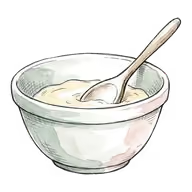
Sift the matcha through a fine strainer. It clumps in the bag, and a blender will not break those clumps up.
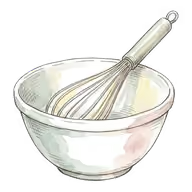
Whisk the sifted matcha with 2 tbsp of the milk into a smooth paste. This is the step that separates a good matcha drink from a chalky one.
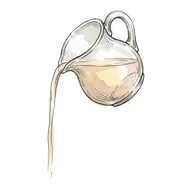
Scrape the paste into the blender and add the remaining milk and the ice.
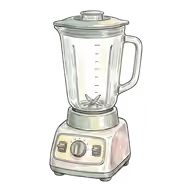
Add the banana, almond butter, chia seeds, and vanilla, then blend 30 to 45 seconds until fully emulsified.
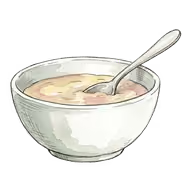
Drink it promptly. The chia begins to gel within minutes and the glass thickens as it stands.
Shopping list
The keeps-in-the-cupboard half of this recipe, and the tools it calls for, in one place. Fresh items are not listed; buy those locally. We earn a commission on purchases made through these links at no cost to you, and it does not affect what gets recommended; see our affiliate disclosure.
Tools
- Fine sieveCheck price on Amazon on Amazon
- WhiskCheck price on Amazon on Amazon
- BlenderCheck price on Amazon on Amazon
Related comparisons: The Best Matcha Powder (2026): Ceremonial and Culinary Picks Compared
Why it works
A 2 g serving of matcha delivers roughly 38-88 mg of caffeine (Kochman et al. 2020, Molecules), alongside L-theanine, an amino acid found in tea, at anywhere from under 10 mg to about 90 mg depending on the powder (Unno et al. 2018, Nutrients). In a small placebo-controlled study, 50 mg of L-theanine increased EEG alpha activity, a marker of relaxed but alert mental state (Nobre et al. 2008, Asia Pacific Journal of Clinical Nutrition), though alpha-wave findings across later studies have been inconsistent (Dashwood & Visioli 2025, Nutrition Research), and a meta-analysis of 11 placebo-controlled studies found moderate improvements in alertness and attention-switching accuracy in the first 2 hours after caffeine and L-theanine taken together (Camfield et al. 2014, Nutrition Reviews). The point of building a smoothie around it is to keep that caffeine-plus-theanine pairing and add protein, fat, and slower carbohydrates, alongside the matcha. In a small trial, adding protein and fat to a high-carbohydrate meal roughly halved its glycemic response (Hätönen et al. 2011, British Journal of Nutrition); whether that translates into steadier energy after a matcha smoothie has not been tested directly.
The soy milk is the protein anchor and the almond butter and chia seeds add fat and gel-forming soluble fiber, which may slow digestion. Swap the soy for oat or almond milk and the glass loses roughly 5 to 6 g of protein, around 40 percent of its total, which changes the arithmetic the recipe is built on. Ceremonial grade is worth it here because the matcha is tasted rather than masked; culinary grade suits a recipe where cocoa or fruit is carrying the flavor.
Macro detail: most of the 9 g of sugar comes from the banana, with about a gram each from the soy milk and almond butter. There is no added sweetener in the glass.
This recipe is part of Matcha Smoothie Recipe for Sustained Morning Energy (No 10 a.m. Crash), which covers the underlying nutrition science and the shared base method.