Omega-3 Fatty Acids (EPA and DHA): What the Research Actually Shows
By Superfoods Advisor Editors·July 4, 2026
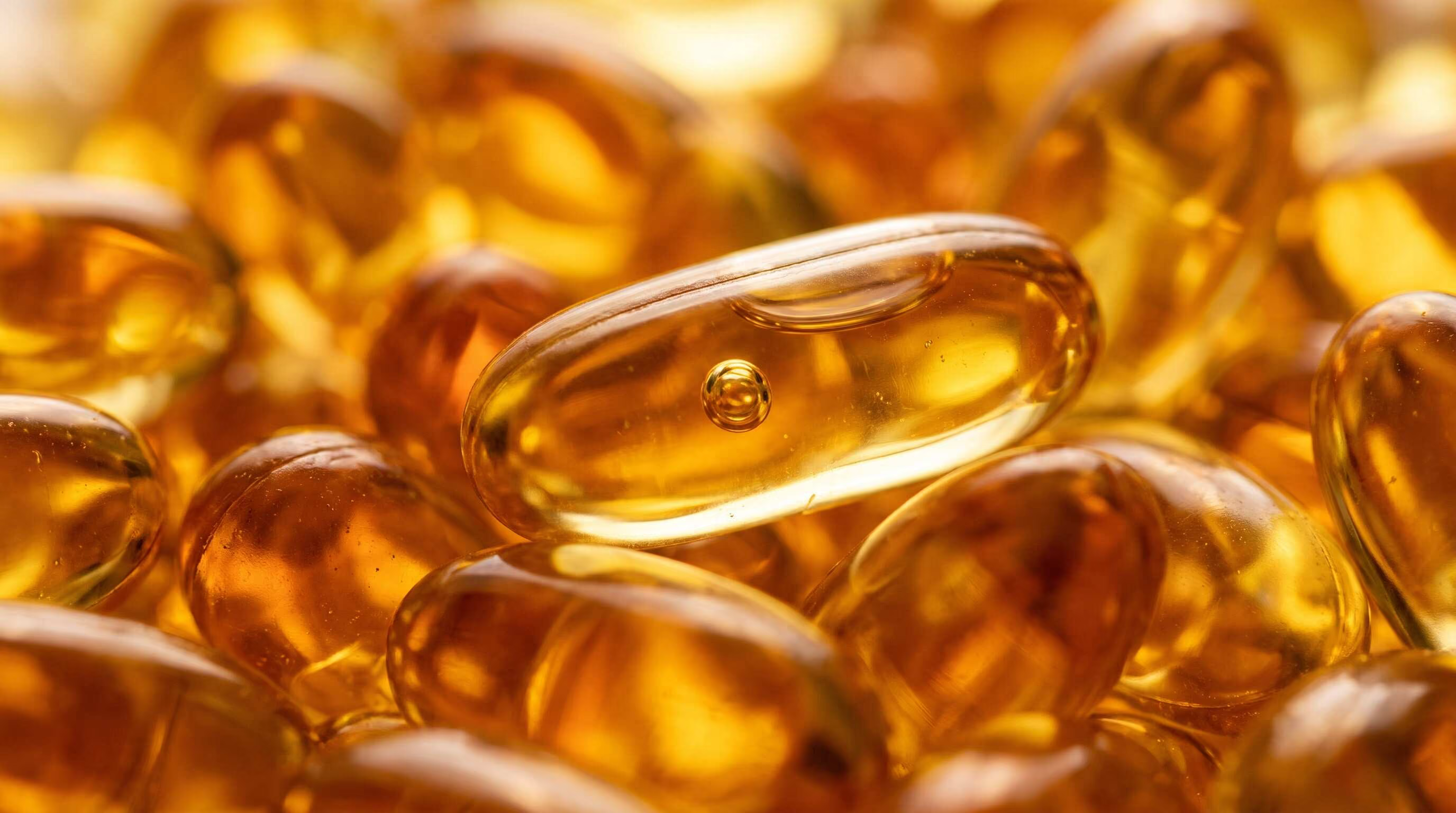
EPA vs DHA: how the two omega-3s differ, why EPA-only and mixed fish oil trials diverge (REDUCE-IT vs STRENGTH, VITAL), and what doses studies used.
EPA (eicosapentaenoic acid) and DHA (docosahexaenoic acid) are the two long-chain omega-3 fatty acids in fish and algae oil. DHA is a structural part of brain and retinal membranes; EPA does not build up there and mainly feeds anti-inflammatory signalling. That split matters because EPA-only and mixed EPA/DHA trials have produced different results.
Omega-3 fatty acids have accumulated one of the largest clinical evidence bases of any nutritional intervention, and also one of the most contradictory. The 2018 REDUCE-IT trial showed a 25% relative reduction in major cardiovascular events with high-dose icosapent ethyl. The 2020 STRENGTH trial, using a different EPA/DHA formulation in a similar population, found no benefit at all. The VITAL trial, in a healthy US population, showed no primary prevention effect. Reading the omega-3 literature honestly means holding all three of those findings simultaneously and understanding why they diverge. This article walks through what EPA and DHA actually do biologically, what the strongest trials show, and where the evidence is thinner than the supplement aisle implies.
What Are EPA and DHA, Biologically?
EPA (eicosapentaenoic acid, 20:5) and DHA (docosahexaenoic acid, 22:6) are long-chain polyunsaturated fatty acids with 5 and 6 double bonds respectively, both in the omega-3 family. They differ in more than chain length. DHA is a major structural component of neuronal membranes and the retina; in photoreceptor outer-segment phospholipids it makes up more than half of the fatty acid chains (Swinkels & Baes, 2023). EPA does not accumulate in neural tissue to the same degree. Both fatty acids feed the specialized pro-resolving mediators, lipid signals that help switch off inflammation, but by different routes: EPA is the precursor of the E-series resolvins, while DHA gives rise to the D-series resolvins, protectins, and maresins (Serhan, 2014).
This split matters clinically. Trials that use EPA-only formulations (like icosapent ethyl) test a different intervention from mixed EPA/DHA formulations, which add structural DHA. The two are not interchangeable, and treating “omega-3s” as a single nutrient obscures divergent trial results.
Food sources are concentrated in cold-water fatty fish. A 100 g portion of raw Atlantic salmon provides roughly 1.4 g (wild) to 2 g (farmed) of combined EPA and DHA (USDA FoodData Central, farmed). Canned sardines supply about 1 g per 100 g (USDA FoodData Central) and are on the FDA’s lowest-mercury “Best Choices” list (FDA), reflecting their short lifespan and low trophic position. Anchovies, mackerel, and herring sit in the same range. Plant sources contain no EPA or DHA at all; they contain ALA (alpha-linolenic acid, 18:3), which the body must elongate and desaturate.
Does Omega-3 Supplementation Actually Reduce Cardiovascular Events?
REDUCE-IT is often cited as vindication of fish oil, but the trial tested a purified prescription EPA ethyl ester (Vascepa), not a mixed fish oil supplement. The dose was 4 g/day of EPA alone, several times what most consumer supplements provide, and the population was already on statins with high baseline cardiovascular risk. Extrapolating that result to healthy adults taking 1 g/day of mixed EPA/DHA is not defensible.
The follow-up STRENGTH trial (Nicholls et al., JAMA, 2020) tested a different formulation, omega-3 carboxylic acid (4 g/day of mixed EPA and DHA), in 13,078 statin-treated high-risk patients. It was stopped early for futility with no cardiovascular benefit versus corn oil placebo. (PubMed, 2020). Two explanations dominate the ongoing debate: DHA may partially offset EPA’s anti-atherosclerotic effect at high doses, or REDUCE-IT’s mineral oil placebo may have caused adverse metabolic effects that inflated the apparent benefit of EPA. A Danish cohort analysis mimicking both trial designs estimated that the comparator oils explained part of the gap, but not all of it (Doi et al., 2021). Neither hypothesis has been resolved.
The VITAL trial (Manson et al., NEJM, 2019) took a different approach: 25,871 healthy US adults over 50 randomized to 1 g/day of a mixed EPA/DHA supplement (Omacor) versus placebo for primary prevention over 5.3 years. The primary composite cardiovascular endpoint was not significantly reduced. (PubMed, 2019). A pre-specified subgroup analysis suggested benefit in participants with low baseline fish intake, but subgroup findings from a negative trial should be treated as hypothesis-generating, not confirmatory.
The ASCEND trial (Bowman et al., NEJM, 2018) enrolled 15,480 adults with diabetes but no prior cardiovascular disease, testing 1 g/day EPA/DHA versus placebo. It found no significant reduction in serious vascular events over 7.4 years. (PubMed, 2018).
The consistent pattern across the four large trials is not “omega-3 works” or “omega-3 doesn’t work.” It’s that high-dose purified EPA in already-medicated high-triglyceride populations may reduce events, while low-to-moderate dose mixed EPA/DHA in general populations does not. Consumer 1-gram fish oil softgels marketed to healthy adults are targeting a population where the evidence is closest to null.
Verdict: Cardiovascular
Moderate (high-dose EPA in high-risk, statin-treated patients); Weak-to-Null (low-dose mixed EPA/DHA in primary prevention)
Icosapent ethyl at 4 g/day reduced events in one large trial in a specific high-risk population; the mixed EPA/DHA STRENGTH trial did not reproduce that result. Consumer fish oil at 1 g/day for general cardiovascular prevention has not shown benefit in adequately powered trials.
What About Cognition and Dementia?
Observational cohorts have repeatedly associated higher fish intake or blood DHA with lower dementia risk. In the Framingham Heart Study (Schaefer et al., 2006), 899 older adults in the top quartile of plasma phosphatidylcholine DHA had a 47% lower risk of all-cause dementia over about nine years than those in the lower three quartiles; the association with Alzheimer disease alone was not statistically significant. (PubMed, 2006) Findings like these drove considerable enthusiasm for omega-3 as a preventive intervention.
Randomized trials have not matched that observational signal. The MIDAS trial (Yurko-Mauro et al., 2010) randomized 485 adults aged 55 and over with age-related memory decline to 900 mg/day DHA or placebo for 24 weeks and found modest improvements on learning and episodic memory tests, but not on working memory or executive function. (PubMed, 2010) Larger trials in cognitively healthy older adults have not shown protection against cognitive decline: in the VITAL cognition substudies (Kang et al., 2022), 1 g/day of omega-3s produced no difference in cognitive change over two to three years. (PubMed, 2022)
For established Alzheimer disease, the OmegAD trial (Freund-Levi et al., 2006) randomized 204 patients with mild-to-moderate disease to 1.7 g DHA plus 0.6 g EPA daily or placebo and found no difference in cognitive decline at six months, though a small subgroup (n=32) with very mild disease showed slower decline on one measure. (PubMed, 2006) This subgroup finding has not been reliably replicated.
Verdict: Cognition
Weak (prevention); Insufficient (treatment of established dementia)
Observational data suggest an association; RCTs have not confirmed a causal preventive effect at studied doses. Whether higher doses, earlier initiation, or DHA-specific formulations would change the picture remains unanswered.
Do Omega-3s Help With Depression?
The Mocking meta-analysis is a widely cited synthesis of the depression evidence and points toward the same EPA-versus-DHA distinction seen in cardiovascular trials: the benefit tracked EPA dose. The proposed mechanism links EPA-derived resolvins to neuroinflammatory pathways implicated in depression pathophysiology, though the mechanistic story is not settled.
Effect sizes are modest. A standardized mean difference of -0.4 sits between what would typically be classified as small and moderate. Omega-3s are not a substitute for first-line antidepressant therapy in moderate-to-severe depression. As adjunctive therapy they have a defensible evidence base. One proof-of-concept trial of 155 adults found that EPA outperformed placebo only in participants with high inflammatory markers (Rapaport et al., 2016), a finding that still needs replication.
A 2019 meta-analysis by Liao and colleagues (Translational Psychiatry) of 26 RCTs (n=2,160) reached similar conclusions: pure EPA and EPA-predominant formulations (EPA ≥60%) at EPA doses up to 1 g/day improved depressive symptoms versus placebo, while pure or predominantly DHA formulations did not. (PubMed, 2019)
Verdict: Depression
Moderate (EPA-predominant formulations as adjunctive treatment); Weak (DHA-predominant formulations)
The mechanistic and clinical case for EPA in depression is stronger than the cognitive case. Composition matters: total omega-3 dose without specifying EPA:DHA ratio is not adequate reporting.
Why Is DHA Important During Pregnancy?
DHA accretion in fetal neural tissue peaks during the brain growth spurt of the last trimester, which is one reason infants born preterm are at risk of incomplete DHA accumulation (Makrides et al., 2010). The fetus depends on maternal supply for that DHA.
The preterm birth reduction is the most consistent pooled signal, but individual trials differ. The KUDOS trial (Carlson et al., 2013) randomized 350 US women to 600 mg/day DHA or placebo from mid-pregnancy and found longer gestation and fewer births before 34 weeks in the DHA group. (PubMed, 2013) The much larger ORIP trial (Makrides et al., 2019) randomized 5,544 pregnancies in Australia to 900 mg/day omega-3 or vegetable oil and found no reduction in early preterm delivery (2.2% vs 2.0%). (PubMed, 2019) One proposed explanation is that the benefit is mostly a replenishment effect in women with low baseline omega-3 status: an exploratory analysis of ORIP found that supplementation reduced early preterm birth among women with low omega-3 levels in early pregnancy (Simmonds et al., 2020).
For infant cognitive outcomes, the picture is less clear. The 2018 Cochrane review found very few differences between supplemented and unsupplemented groups in child cognition, IQ, vision, language, or behaviour, mostly on low- or very-low-quality evidence. The strongest defensible claim is that adequate DHA during gestation supports normal neurodevelopment; supplementing above adequacy has not consistently produced measurably smarter children.
Verdict: Pregnancy
Strong (reduction of early preterm birth); Weak (visual, cognitive, and neurodevelopmental outcomes in children)
An international consensus statement advises pregnant and lactating women to aim for at least 200 mg/day of DHA (Koletzko et al., 2007). Algae-derived DHA is an appropriate option for pregnant women who avoid fish.
Does ALA From Flax and Walnuts Convert to EPA and DHA?
Small isotope-tracer studies give a sense of scale. In six young men, Burdge and colleagues detected no labelled DHA at any point over 21 days after a dose of labelled ALA; EPA and DPA were the main products. (PubMed, 2002) In young women, the same group estimated net conversion of about 21% to EPA and 9% to DHA, suggesting women may have greater conversion capacity than men. (PubMed, 2002)
This is one of the most consistently misrepresented facts in plant-based nutrition. Flaxseed is high in ALA (about 1.6 g per tablespoon of ground seed; USDA FoodData Central). Walnuts contain about 2.5 g of ALA per ounce (USDA FoodData Central). Chia and hemp seeds are also ALA sources. In feeding studies these plant sources can raise blood EPA somewhat, but they do little for DHA.
The rate-limiting enzymes are delta-6-desaturase and delta-5-desaturase, which must also process omega-6 linoleic acid. In Western diets, high linoleic acid intake competes for the same enzymatic machinery and may further reduce conversion. Variants in the FADS1 and FADS2 genes change desaturase activity and blood fatty acid composition between individuals (Koletzko et al., 2019), but no genotype has been shown to make ALA a substitute for preformed DHA.
The practical implication: eating flax and walnuts is nutritionally valuable for other reasons (fiber, lignans, polyphenols, tocopherols), but they cannot substitute for direct EPA/DHA sources. Vegans and vegetarians should assume dietary ALA is not filling the EPA/DHA gap and consider algae oil.
Is Algae Oil a Viable Alternative to Fish Oil?
Algae oil is the original source of EPA and DHA in the marine food chain. Fish accumulate omega-3s by consuming smaller organisms that eat microalgae. Commercial algae oil is produced by fermenting Schizochytrium or Crypthecodinium species and extracting the oil, bypassing fish entirely.
The pharmacokinetic evidence supports algae oil as a legitimate alternative. In a randomized two-week study of 32 healthy adults, Arterburn and colleagues (2008) found that 600 mg/day DHA from algal-oil capsules raised plasma phospholipid and red blood cell DHA as much as the same dose from cooked salmon. (PubMed, 2008) A 2017 systematic review by Craddock and colleagues (four RCTs and two cohort studies) found that algal DHA consistently raised blood DHA and omega-3 index values in vegetarians and vegans. (PubMed, 2017)
Trade-offs exist. Historically, algae oil products were DHA-only, but current formulations include EPA-rich options from newer strains. Cost per gram of EPA+DHA is typically higher than for fish oil.
For pregnant and lactating women, vegans, and anyone concerned about ocean contaminant exposure, algae oil is a reasonable choice on current evidence.
How Much EPA and DHA Should You Actually Take?
Recommendations vary widely by source. The American Heart Association has recommended about 1 g/day of combined EPA+DHA for people with documented coronary disease (Siscovick et al., 2017) and one to two seafood meals per week for the general population (Rimm et al., 2018). The European Food Safety Authority sets an adequate intake of 250 mg/day of combined EPA+DHA for adults (EFSA, 2010), and the 2010 FAO/WHO expert consultation set a minimum of 250 mg/day (FAO/WHO, 2010).
Clinical doses in trials cluster in specific ranges:
| Application | Studied Dose | Formulation Notes |
|---|---|---|
| General cardiovascular prevention | 1 g/day EPA+DHA (VITAL, ASCEND) | No benefit on primary endpoints in large trials |
| Secondary CV prevention (elevated triglycerides) | 4 g/day EPA (icosapent ethyl) | Prescription only |
| Triglyceride reduction | 2-4 g/day EPA+DHA (AHA) | Requires medical supervision |
| Depression (adjunctive) | Up to 1 g/day EPA, EPA ≥60% of total | EPA-predominant formulations |
| Pregnancy | At least 200 mg/day DHA (consensus intake); trials used 600-900 mg | Algae oil acceptable |
| Rheumatoid arthritis | Mostly >2 g/day omega-3 (Sigaux et al., 2022) | Adjunctive to standard treatment |
The Omega-3 Index, a red blood cell measurement of EPA+DHA as a percentage of total membrane fatty acids, is a widely used biomarker of longer-term EPA+DHA status. Values of 8% or higher were associated with the lowest risk of coronary death in the studies analysed by Harris & von Schacky (2004). A survey of 2,177 adults in seven US cities found a mean of 4.4%, with only about 1% in the desirable range (Harris et al., 2019). The test can help guide personal omega-3 dosing, though it is not part of routine blood work.
Mercury, PCBs, and Oxidation: Are Fish Oil Supplements Safe?
Contaminant concerns diverge by source. Whole fish consumption exposes eaters to methylmercury proportional to trophic level; large predatory fish (bigeye tuna, swordfish, king mackerel, shark, Gulf of Mexico tilefish) concentrate the most mercury, while small forage fish (sardines, anchovies, herring) are among the lowest (FDA). Refined fish oil supplements generally contain little mercury: a test of five US brands found levels ranging from undetectable to negligible, similar to the background concentration in human blood (Foran et al., 2003).
PCBs and dioxins are more variable. Third-party testing programs (IFOS, USP) certify products against specific contaminant thresholds.
Oxidation is the underdiscussed risk. Omega-3 fatty acids are polyunsaturated and highly susceptible to peroxidation once exposed to oxygen, light, or heat. Rancid fish oil delivers lipid peroxides directly to consumers. A 2015 analysis by Albert and colleagues in Scientific Reports tested 32 fish oil supplements sold in New Zealand: 83% exceeded recommended peroxide values, 50% exceeded recommended TOTOX levels, only 8% met all international oxidation recommendations, and only 3 contained at least the EPA and DHA stated on the label. (PubMed, 2015) Results from a single national market may not generalize, but they show that label claims and freshness cannot be assumed.
High doses carry a heart-rhythm caveat. In REDUCE-IT, more patients taking icosapent ethyl than placebo were hospitalized for atrial fibrillation or flutter (Bhatt et al., 2019), and a meta-analysis of seven large cardiovascular trials found that omega-3 supplements were associated with a higher risk of atrial fibrillation, with the risk appearing greater at doses above 1 g/day (Gencer et al., 2021). People with a history of arrhythmia should talk to their doctor before taking high-dose omega-3s.
Practical guidance:
- Check for third-party certification (IFOS, USP, NSF).
- Look for a TOTOX (total oxidation) value below 26, the international guideline used by Albert et al., on the certificate of analysis.
- Store in the refrigerator after opening; discard if the softgel smells strongly fishy when bitten.
- Prefer opaque bottles or blister-packed softgels over clear containers.
Frequently Asked Questions
Is EPA or DHA better?
Neither is better overall; they do different jobs. DHA is the structural one, needed for fetal brain and retinal development, which is why pregnancy guidance targets at least 200 mg a day of DHA. EPA-predominant formulations are the ones studied for depression, and the positive REDUCE-IT trial used EPA alone. For general heart health, the large mixed EPA+DHA trials found no benefit on primary endpoints.
How much DHA do I need daily?
There is no single official DHA target for adults. EFSA sets an adequate intake of 250 mg a day of combined EPA and DHA, and the American Heart Association suggests one to two seafood meals a week. Pregnancy is the exception: consensus intake is at least 200 mg a day of DHA, and trials used 600–900 mg. Ask a clinician before taking higher doses.
Is fish oil or krill oil better?
Krill oil delivers EPA and DHA bound to phospholipids rather than triglycerides, which some pharmacokinetic studies suggest improves absorption at low doses. However, krill oil provides less EPA+DHA per gram of oil than concentrated fish oil. The evidence on matched doses is mixed. A 2015 review found that the only two human studies giving the same EPA+DHA dose both suggested higher bioavailability from krill oil (Ulven & Holven, 2015), but a four-week randomized trial matching dose and EPA/DHA content (1.3 g/day) found no significant difference in plasma or red-cell EPA+DHA between krill oil and two fish oil forms (Yurko-Mauro et al., 2015, a DSM-funded trial). Krill oil usually costs more per gram of EPA+DHA. For most users, high-quality fish oil is more cost-effective.
How much omega-3 should I take per day?
For general health with no cardiovascular indication, 250-500 mg/day of combined EPA+DHA covers evidence-based adequacy. For elevated triglycerides or documented coronary disease, higher prescription-strength doses (2-4 g/day) may be indicated under medical supervision. Consumer 1,000 mg fish oil softgels are commonly labelled at about 300 mg of EPA+DHA (the most frequent label claim in one market survey; Albert et al., 2015), the rest being other fatty acids. Read the label for EPA and DHA content, not total fish oil weight.
Can vegans get enough omega-3 from flax or chia?
Not reliably. ALA from flax, chia, hemp, and walnuts converts only partly to EPA and very poorly to DHA, and in feeding studies extra ALA raised blood EPA but had little effect on DHA (Brenna et al., 2009). Vegans who want measurable EPA+DHA status should take algae oil at 250-500 mg/day of combined EPA+DHA.
Should I worry about mercury in fish oil supplements?
Refined fish oil products from reputable manufacturers tested in an independent analysis contained negligible mercury (Foran et al., 2003). Mercury is a valid concern for whole-fish consumption, particularly for pregnant women and children eating large predatory fish. For supplements, oxidation and PCBs are more relevant concerns than mercury, and third-party certification is the best proxy for product quality.
How can I tell if my fish oil is rancid?
Bite into a softgel. Fresh fish oil has a mild sea smell; rancid oil has a sharp, acrid, or paint-like odor. Fishy burps are a common side effect of fish oil in general, so they do not by themselves mean the oil has gone off, but a strong rancid smell or taste does. Refrigerate opened bottles, keep them out of light, and avoid bulk-size bottles you won’t finish within a few months.
Conclusion
Omega-3 fatty acids are not a single intervention with a single answer. EPA and DHA have distinct biological roles, and trials that pool them treat them as more interchangeable than the biology supports. High-dose purified EPA reduced cardiovascular events in one large trial in a specific high-risk population. Consumer-dose mixed fish oil for primary cardiovascular prevention does not have that evidence base. DHA during pregnancy has credible obstetric support for early preterm birth; benefits for child neurodevelopment are less clear. EPA-predominant formulations showed a modest pooled effect on depression severity. Cognitive protection claims outrun the trial data.
The practical framing is unglamorous: eat fatty fish two or three times a week if you tolerate it, choose algae oil if you don’t, verify third-party testing on any supplement, watch for oxidation, and match the dose to a specific goal rather than to a general sense that more is better. The evidence rewards specificity and punishes marketing shorthand. For where fatty fish and other omega-3 foods fit in a wider diet, see the heart health superfoods guide and the brain health superfoods guide.
Medical Disclaimer
The information in this article is for educational purposes only. It does not constitute medical advice, diagnosis, or treatment. Consult a qualified healthcare provider before using any supplement, particularly if you take prescription medications, have a chronic health condition, or are pregnant or breastfeeding. The statements on this site have not been evaluated by the Food and Drug Administration. Dietary supplements are not intended to diagnose, treat, cure, or prevent any disease.
References
Show all 42 referencesShow fewer
-
Bhatt DL, Steg PG, Miller M, et al. Cardiovascular risk reduction with icosapent ethyl for hypertriglyceridemia. New England Journal of Medicine. 2019;380(1):11-22. PubMed
-
Nicholls SJ, Lincoff AM, Garcia M, et al. Effect of high-dose omega-3 fatty acids vs corn oil on major adverse cardiovascular events in patients at high cardiovascular risk: the STRENGTH randomized clinical trial. JAMA. 2020;324(22):2268-2280. PubMed
-
Manson JE, Cook NR, Lee IM, et al. Marine n-3 fatty acids and prevention of cardiovascular disease and cancer. New England Journal of Medicine. 2019;380(1):23-32. PubMed
-
ASCEND Study Collaborative Group; Bowman L, Mafham M, Wallendszus K, et al. Effects of n-3 fatty acid supplements in diabetes mellitus. New England Journal of Medicine. 2018;379(16):1540-1550. PubMed
-
Mocking RJT, Harmsen I, Assies J, et al. Meta-analysis and meta-regression of omega-3 polyunsaturated fatty acid supplementation for major depressive disorder. Translational Psychiatry. 2016;6:e756. PubMed
-
Middleton P, Gomersall JC, Gould JF, et al. Omega-3 fatty acid addition during pregnancy. Cochrane Database of Systematic Reviews. 2018;11:CD003402. PubMed
-
Brenna JT, Salem N Jr, Sinclair AJ, Cunnane SC. Alpha-linolenic acid supplementation and conversion to n-3 long-chain polyunsaturated fatty acids in humans. Prostaglandins, Leukotrienes and Essential Fatty Acids. 2009;80(2-3):85-91. PubMed
-
Sydenham E, Dangour AD, Lim WS. Omega 3 fatty acid for the prevention of cognitive decline and dementia. Cochrane Database of Systematic Reviews. 2012;6:CD005379. PubMed
-
Schaefer EJ, Bongard V, Beiser AS, et al. Plasma phosphatidylcholine docosahexaenoic acid content and risk of dementia and Alzheimer disease: the Framingham Heart Study. Archives of Neurology. 2006;63(11):1545-1550. PubMed
-
Yurko-Mauro K, McCarthy D, Rom D, et al. Beneficial effects of docosahexaenoic acid on cognition in age-related cognitive decline. Alzheimer’s & Dementia. 2010;6(6):456-464. PubMed
-
Kang JH, Vyas CM, Okereke OI, et al. Marine n-3 fatty acids and cognitive change among older adults in the VITAL randomized trial. Alzheimer’s & Dementia: Translational Research & Clinical Interventions. 2022;8(1):e12288. PubMed
-
Freund-Levi Y, Eriksdotter-Jönhagen M, Cederholm T, et al. Omega-3 fatty acid treatment in 174 patients with mild to moderate Alzheimer disease: OmegAD study: a randomized double-blind trial. Archives of Neurology. 2006;63(10):1402-1408. PubMed
-
Liao Y, Xie B, Zhang H, et al. Efficacy of omega-3 PUFAs in depression: a meta-analysis. Translational Psychiatry. 2019;9(1):190. PubMed
-
Carlson SE, Colombo J, Gajewski BJ, et al. DHA supplementation and pregnancy outcomes. American Journal of Clinical Nutrition. 2013;97(4):808-815. PubMed
-
Makrides M, Best K, Yelland L, et al. A randomized trial of prenatal n-3 fatty acid supplementation and preterm delivery. New England Journal of Medicine. 2019;381(11):1035-1045. PubMed
-
Burdge GC, Jones AE, Wootton SA. Eicosapentaenoic and docosapentaenoic acids are the principal products of alpha-linolenic acid metabolism in young men. British Journal of Nutrition. 2002;88(4):355-363. PubMed
-
Burdge GC, Wootton SA. Conversion of alpha-linolenic acid to eicosapentaenoic, docosapentaenoic and docosahexaenoic acids in young women. British Journal of Nutrition. 2002;88(4):411-420. PubMed
-
Arterburn LM, Oken HA, Bailey Hall E, et al. Algal-oil capsules and cooked salmon: nutritionally equivalent sources of docosahexaenoic acid. Journal of the American Dietetic Association. 2008;108(7):1204-1209. PubMed
-
Craddock JC, Neale EP, Probst YC, Peoples GE. Algal supplementation of vegetarian eating patterns improves plasma and serum docosahexaenoic acid concentrations and omega-3 indices: a systematic literature review. Journal of Human Nutrition and Dietetics. 2017;30(6):693-699. PubMed
-
Albert BB, Derraik JGB, Cameron-Smith D, et al. Fish oil supplements in New Zealand are highly oxidised and do not meet label content of n-3 PUFA. Scientific Reports. 2015;5:7928. PubMed
-
Siscovick DS, Barringer TA, Fretts AM, et al. Omega-3 polyunsaturated fatty acid (fish oil) supplementation and the prevention of clinical cardiovascular disease: a science advisory from the American Heart Association. Circulation. 2017;135(15):e867-e884. PubMed
-
Rimm EB, Appel LJ, Chiuve SE, et al. Seafood long-chain n-3 polyunsaturated fatty acids and cardiovascular disease: a science advisory from the American Heart Association. Circulation. 2018;138(1):e35-e47. PubMed
-
Skulas-Ray AC, Wilson PWF, Harris WS, et al. Omega-3 fatty acids for the management of hypertriglyceridemia: a science advisory from the American Heart Association. Circulation. 2019;140(12):e673-e691. PubMed
-
EFSA Panel on Dietetic Products, Nutrition, and Allergies. Scientific opinion on dietary reference values for fats. EFSA Journal. 2010;8(3):1461. EFSA
-
FAO. Fats and fatty acids in human nutrition: report of an expert consultation. FAO Food and Nutrition Paper 91. 2010. PubMed
-
Koletzko B, Cetin I, Brenna JT, et al. Dietary fat intakes for pregnant and lactating women. British Journal of Nutrition. 2007;98(5):873-877. PubMed
-
Swinkels D, Baes M. The essential role of docosahexaenoic acid and its derivatives for retinal integrity. Pharmacology & Therapeutics. 2023;247:108440. PubMed
-
Harris WS, von Schacky C. The Omega-3 Index: a new risk factor for death from coronary heart disease? Preventive Medicine. 2004;39(1):212-220. PubMed
-
Harris WS, Jackson KH, Brenna JT, et al. Survey of the erythrocyte EPA+DHA levels in the heart attack/stroke belt. Prostaglandins, Leukotrienes and Essential Fatty Acids. 2019;148:30-34. PubMed
-
Sigaux J, Mathieu S, Nguyen Y, et al. Impact of type and dose of oral polyunsaturated fatty acid supplementation on disease activity in inflammatory rheumatic diseases: a systematic literature review and meta-analysis. Arthritis Research & Therapy. 2022;24(1):100. PubMed
-
USDA FoodData Central. Salmon, Atlantic, wild, raw (173686); Salmon, Atlantic, farmed, raw (175167); Sardine, Atlantic, canned in oil, drained (175139); Flaxseed (169414); Walnuts, English (170187). FoodData Central
-
Ulven SM, Holven KB. Comparison of bioavailability of krill oil versus fish oil and health effect. Vascular Health and Risk Management. 2015;11:511-524. PubMed
-
Yurko-Mauro K, Kralovec J, Bailey-Hall E, et al. Similar eicosapentaenoic acid and docosahexaenoic acid plasma levels achieved with fish oil or krill oil in a randomized double-blind four-week bioavailability study. Lipids in Health and Disease. 2015;14:99. PubMed
-
Foran SE, Flood JG, Lewandrowski KB. Measurement of mercury levels in concentrated over-the-counter fish oil preparations: is fish oil healthier than fish? Archives of Pathology & Laboratory Medicine. 2003;127(12):1603-1605. PubMed
-
Serhan CN. Pro-resolving lipid mediators are leads for resolution physiology. Nature. 2014;510(7503):92-101. PubMed
-
Doi T, Langsted A, Nordestgaard BG. A possible explanation for the contrasting results of REDUCE-IT vs. STRENGTH: cohort study mimicking trial designs. European Heart Journal. 2021;42(47):4807-4817. PubMed
-
Rapaport MH, Nierenberg AA, Schettler PJ, et al. Inflammation as a predictive biomarker for response to omega-3 fatty acids in major depressive disorder: a proof-of-concept study. Molecular Psychiatry. 2016;21(1):71-79. PubMed
-
Makrides M, Smithers LG, Gibson RA. Role of long-chain polyunsaturated fatty acids in neurodevelopment and growth. Nestlé Nutrition Workshop Series: Pediatric Program. 2010;65:123-133. PubMed
-
Simmonds LA, Sullivan TR, Skubisz M, et al. Omega-3 fatty acid supplementation in pregnancy: baseline omega-3 status and early preterm birth: exploratory analysis of a randomised controlled trial. BJOG. 2020;127(8):975-981. PubMed
-
Koletzko B, Reischl E, Tanjung C, et al. FADS1 and FADS2 polymorphisms modulate fatty acid metabolism and dietary impact on health. Annual Review of Nutrition. 2019;39:21-44. PubMed
-
US Food and Drug Administration. Advice about eating fish. FDA
-
Gencer B, Djousse L, Al-Ramady OT, et al. Effect of long-term marine omega-3 fatty acids supplementation on the risk of atrial fibrillation in randomized controlled trials of cardiovascular outcomes: a systematic review and meta-analysis. Circulation. 2021;144(25):1981-1990. PubMed
Read next




Written by Superfoods Advisor Editors·Published July 4, 2026