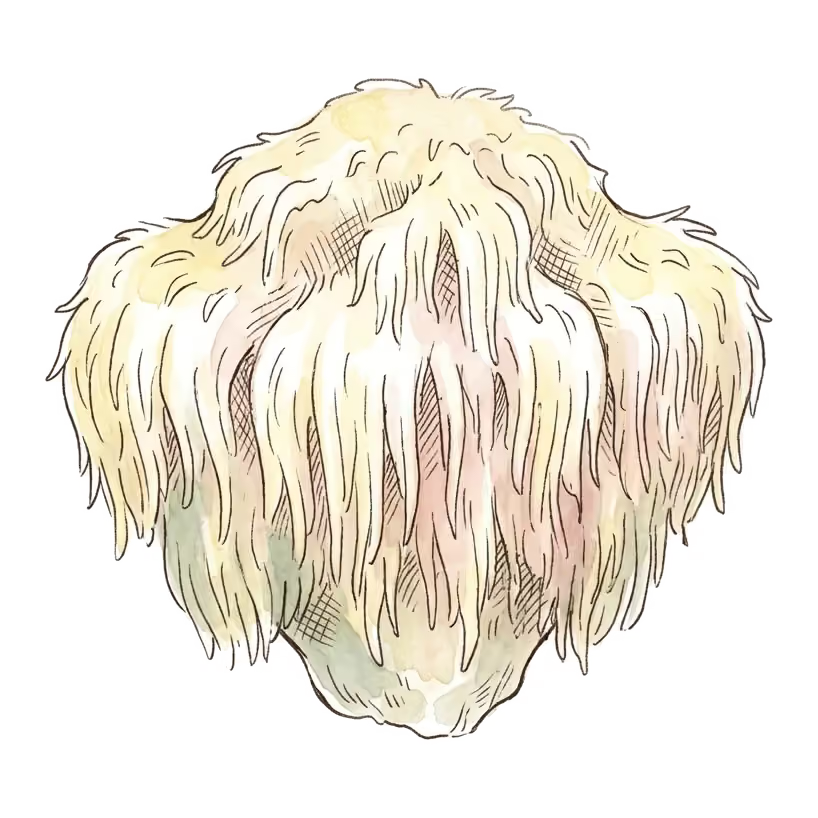
Lion's Mane Mushroom (Hericium erinaceus)
Hericium erinaceus · also known as lion's mane, yamabushitake, hou tou gu, monkey head mushroom, bearded tooth mushroom, pom pom mushroom
By Superfoods Advisor Editors·July 3, 2026
Lion's mane benefits explained: what small human trials show for memory and mood, how hericenones and erinacines work, typical doses and side effects.
Lion’s mane (Hericium erinaceus), also called yamabushitake, hou tou gu or monkey head mushroom, is an edible medicinal mushroom whose hericenones and erinacines stimulated nerve growth factor in laboratory studies. Its main purported benefits are for memory and mood, but the human evidence comes from a few small trials (Mori et al., 2009).
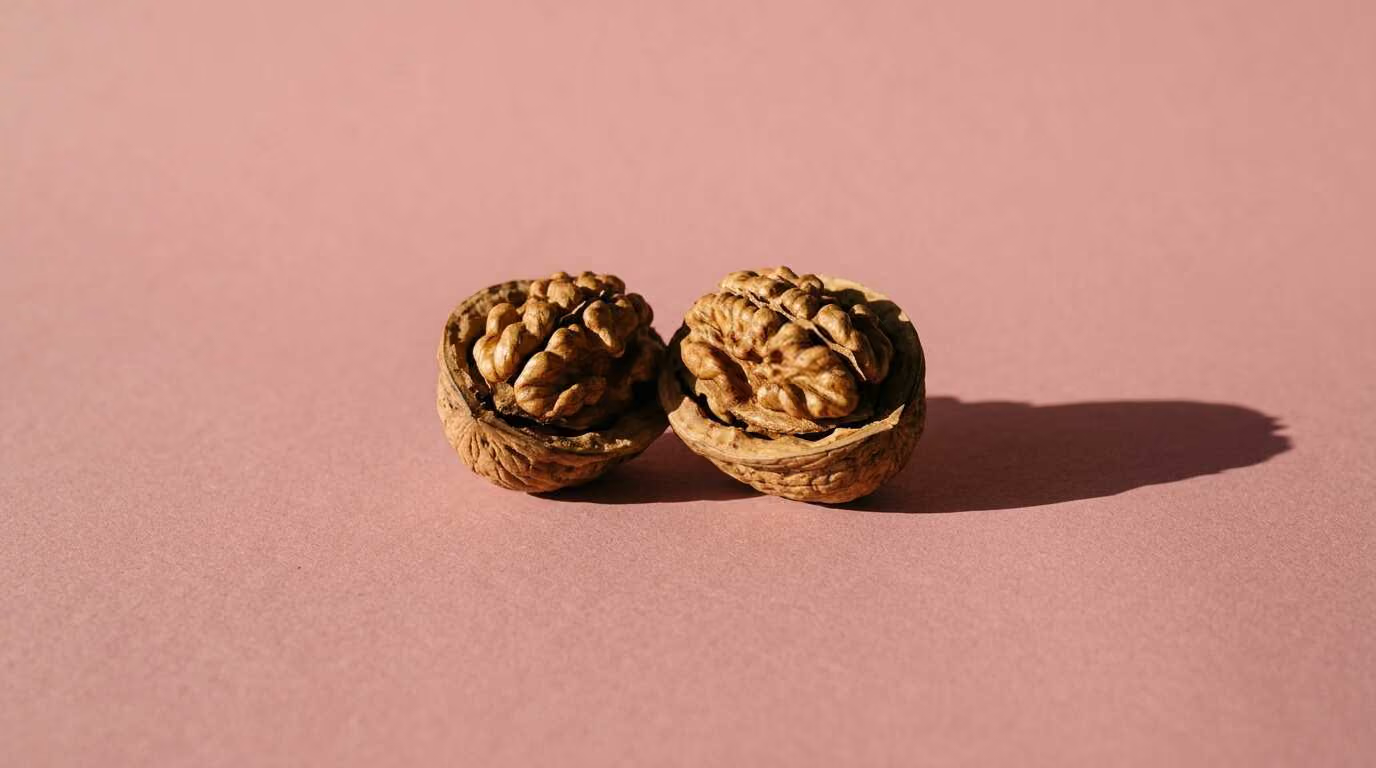
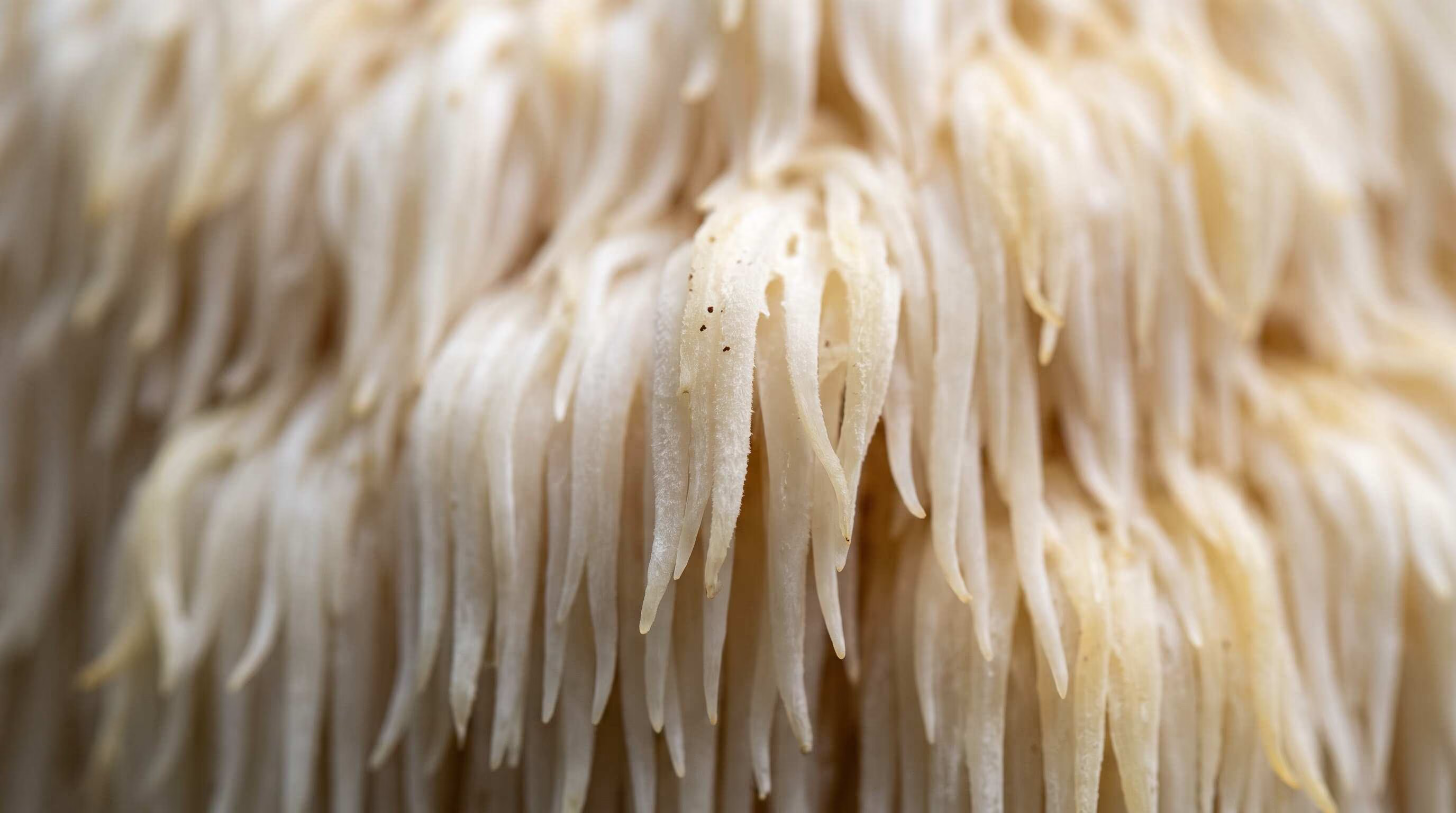
The mushroom grows on the wounds of hardwood trees, particularly oak, walnut, and beech, across Asia, Europe, and North America. Unlike most mushrooms, lion’s mane produces cascading white spines (hydnoid teeth) that hang in clumps resembling a lion’s mane or a shaggy white beard, making it one of the most visually recognizable fungi in the forest. In Japan, it is called yamabushitake (“mountain priest mushroom”) in reference to the hanging white garments worn by yamabushi Buddhist monks; in China, it is known as hou tou gu (“monkey head mushroom”) and has been considered both a culinary delicacy and a tonic medicine for centuries.
In Traditional Chinese Medicine, H. erinaceus was associated with nourishing the spleen, aiding digestion, and supporting the nervous system. It has also been used in folk medicine and as a medicinal food in Japan and Korea, including for gastric complaints (Wang et al., 2015). Contemporary scientific interest, however, has centered almost entirely on a property not emphasized in traditional texts: the mushroom contains unique terpenoid compounds — hericenones (in the fruiting body) and erinacines (in the mycelium) — reported to stimulate the synthesis of nerve growth factor (NGF) in laboratory studies (Lai et al., 2013), a protein essential for the development, maintenance, and survival of neurons. In rats, erinacine A has been shown to reach the brain after oral dosing (Tsai et al., 2021). This NGF-inducing activity has made lion’s mane the medicinal mushroom most studied for potential applications in cognitive function, neurological disease, and mood disorders.
Evidence at a glance
Active Compounds
Lion’s mane has a bioactive profile that is uniquely divided between its fruiting body and mycelium, a distinction with significant implications for product selection.
Hericenones (C–H, J, K): A series of aromatic meroterpenoids found predominantly in the fruiting body. Hericenones C, D, and E were among the first compounds isolated from the fruiting body and reported as NGF-synthesis stimulators by Kawagishi et al. (1991). A later study found that hericenones C, D, and E did not raise NGF gene expression in human astrocytoma cells, although the whole mushroom extract did (Mori et al., 2008); whether hericenones reach the brain after oral intake has not been established.
Erinacines (A–K and beyond): Cyathane diterpenoids found primarily in the mycelium of H. erinaceus. In preclinical assays, erinacines have shown more consistent NGF-inducing activity than hericenones. Erinacine A has been the most extensively studied; a rat pharmacokinetic study detected it in the brain within an hour of oral dosing, with about 24% oral bioavailability (Tsai et al., 2021). In Alzheimer’s model mice, erinacine A-enriched mycelium raised the ratio of mature NGF to its precursor in the brain (Tsai-Teng et al., 2016). Because erinacines are concentrated in the mycelium, mycelium-derived extracts may be preferable specifically for neuroactive compounds, though this depends heavily on cultivation practices.
Polysaccharides and beta-glucans: H. erinaceus fruiting bodies contain beta-(1,3)/(1,6)-glucans; one analysis of a cultivated strain measured about 17% beta-glucan in the fruiting body (Keerthana et al., 2025), and content varies with strain, substrate, and extraction. These polysaccharides contribute to immune-modulating properties and are the basis for comparing lion’s mane to other medicinal mushrooms in immune-support contexts.
Hericerins and isohericerins: Additional isoindolinone compounds from the fruiting body; their biological activity has been examined only in laboratory studies.
Amyloban 3399: A branded H. erinaceus extract used in Japanese research. Earlier clinical reports linked it to improved social function in patients with treatment-resistant schizophrenia and depression, but these were small and have not been confirmed in controlled trials; the extract has also been tested in mice (Wang et al., 2024).
Ergosterol: The standard fungal sterol, convertible to vitamin D2 under UV light.
Evidence for Purported Benefits
Cognitive function is the best-studied lion’s mane benefit, and even there the human data come from a few small trials. The other claims rest mostly on animal and cell research.
Cognitive Function and Neuroprotection
Evidence:Limited Extensive animal work; a few small human RCTs with partly positive, partly null cognitive results.
One of the most cited human trials of lion’s mane is a randomized, double-blind, placebo-controlled trial published in Phytotherapy Research in 2009 by Mori et al., whose lead author worked for a mushroom producer (n=30 adults aged 50–80 with mild cognitive impairment). Participants received either lion’s mane fruiting body powder (four 250 mg tablets three times a day, about 3 g total per day) or placebo for 16 weeks. The supplementation group showed significantly improved Hasegawa Dementia Scale scores compared to placebo during the treatment period, with scores declining 4 weeks after cessation of supplementation. The trial was small and relied on a single cognitive scale.
A 2019 randomized, double-blind, placebo-controlled trial by Saitsu et al. (Biomedical Research) found that 12 weeks of supplements containing lion’s mane fruiting body improved scores on the Mini-Mental State Examination, though two other cognitive tests (Benton visual retention and verbal paired-associate learning) showed no significant benefit. A 2023 pilot study published in Nutrients (Docherty et al.; n=41 adults aged 18–45, double-blind, parallel groups, 1.8 g) found faster Stroop task performance 60 minutes after a single dose and only a non-significant trend toward lower subjective stress after 28 days, though acute effects from a single dose are difficult to interpret mechanistically.
Preclinical evidence is extensive: erinacine A given to Alzheimer’s model mice reduced amyloid plaque burden and improved performance in the Morris water maze (Tzeng et al., 2018), and hericenone C, more so its deacylated form, protected human astrocytoma cells from hydrogen peroxide-induced oxidative stress (Tamrakar et al., 2023). These animal findings are not translatable directly to human efficacy conclusions.
Peripheral Nerve Regeneration
Evidence:Lab & animal only One rat nerve-crush study; no controlled human trials.
In a 2011 study (Wong et al., Evidence-Based Complementary and Alternative Medicine), rats with a crush injury to the peroneal nerve that received daily oral lion’s mane extract regained hind-limb function earlier, with better axon regeneration and muscle reinnervation, than untreated controls. No controlled human trials of lion’s mane for peripheral nerve injury have been published.
Mood, Anxiety, and Depression
Evidence:Preliminary One small 4-week trial in 30 women plus animal depression models.
A small randomized, placebo-controlled study (n=30 women, 4 weeks, lion’s mane cookies versus placebo cookies) published in Biomedical Research in 2010 (Nagano et al.) reported that depression (CES-D) and general-complaint scores fell from baseline in the lion’s mane group; only a few individual complaint items differed significantly from placebo, while anxiety and irritability merely trended lower. The small sample size and short duration limit interpretation. Animal studies using multiple models of depression (tail suspension test, forced swim test) have reported antidepressant-like effects with lion’s mane extracts, including erinacine A-enriched mycelium (Chiu et al., 2018); proposed mechanisms include BDNF signaling and hippocampal neurogenesis.
Gastrointestinal Health
Evidence:Lab & animal only Rodent ulcer and colitis models only; no controlled human trials.
Lion’s mane has a history of use for gastric complaints in TCM. In mice with ethanol-induced gastric ulcers, a mycelium polysaccharide fraction reduced the ulcerated area (Wang et al., 2015). In rats with induced colitis, a mycelium polysaccharide relieved symptoms and shifted gut microbiota (Shao et al., 2019). Controlled clinical trials in humans are lacking.
Immune Function
Evidence:Lab & animal only Cell-culture immune activity only; no human data specific to lion’s mane.
Beta-glucan fractions have stimulated macrophage and NK cell activity in cell culture assays, consistent with effects from other medicinal mushroom polysaccharides. Human clinical evidence for immune endpoints specifically attributable to lion’s mane is not available.
Shopping for lion's mane mushroom?
Top-ranked of 5 products compared.
 Check price on Amazon on Amazon for Real Mushrooms Lion's Mane Extract Capsules (opens in a new tab)
Compare all 5 picks →Affiliate links. Disclosure.
Typical Use and Dosing
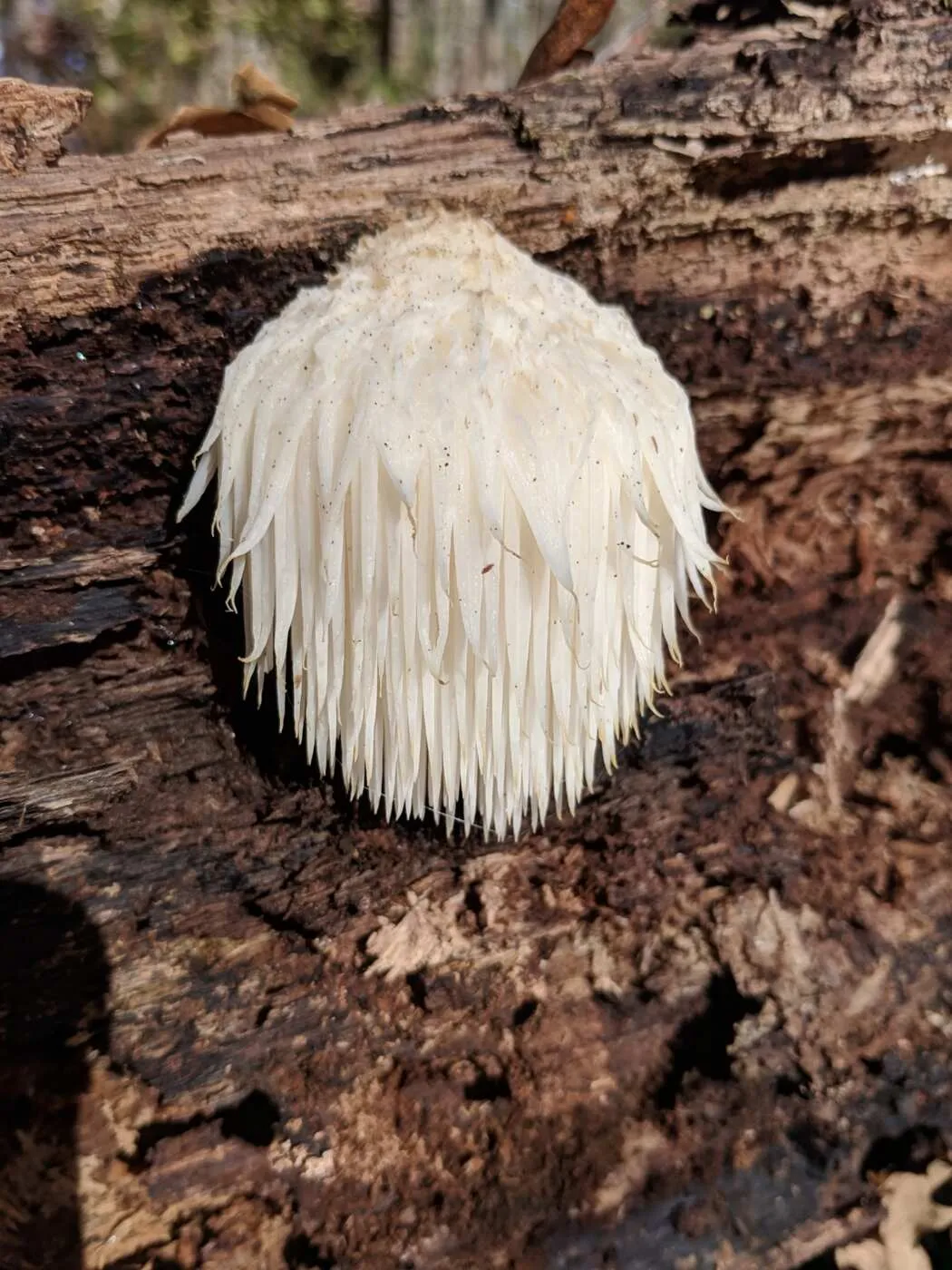 Photo: (c) Alison Northup, some rights reserved (CC BY), CC BY 4.0, via Wikimedia Commons
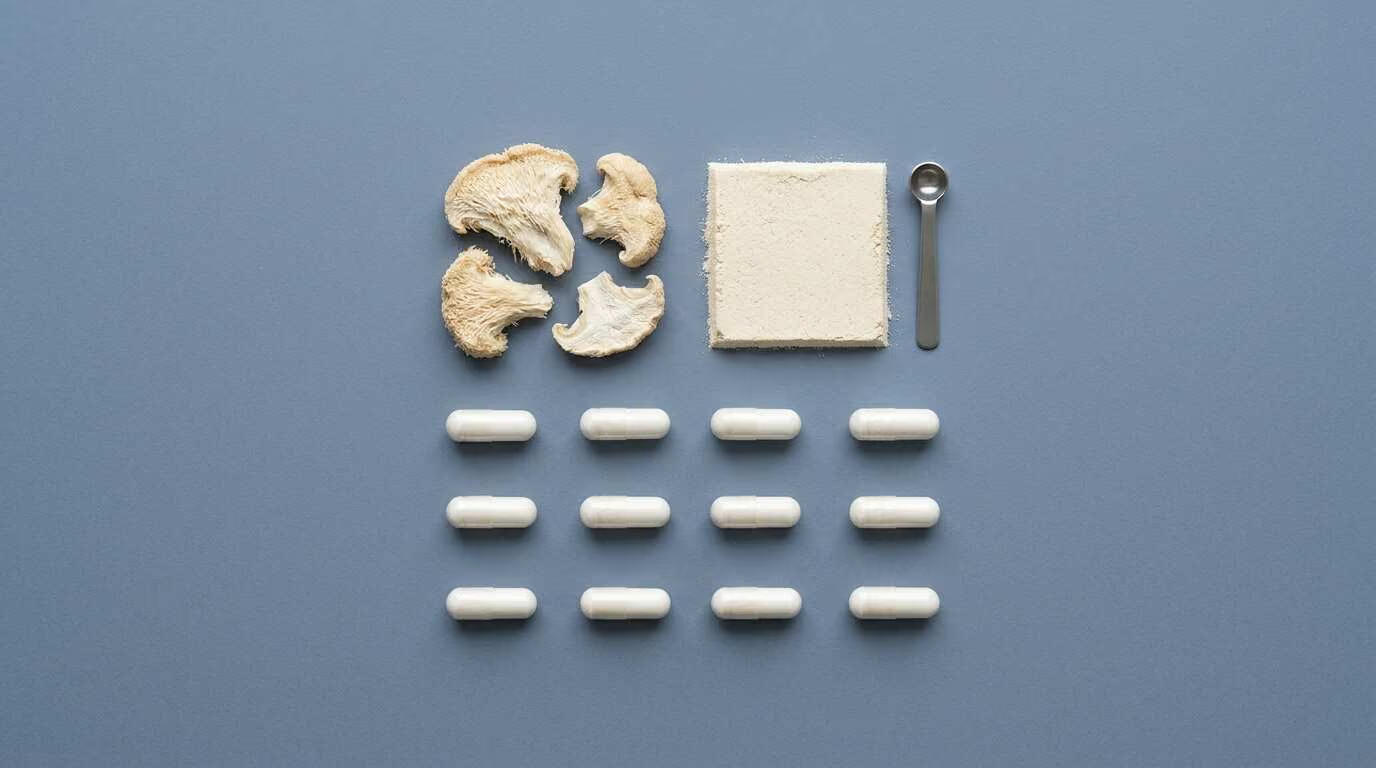
Human trials have used about 1–3 g of lion’s mane a day, as fruiting body powder or erinacine-enriched mycelium, taken for weeks to months. What the product is made from matters more for this mushroom than for most.
Fruiting body vs. mycelium distinction: This is particularly important for lion’s mane. Fruiting bodies are the primary source of hericenones; mycelium is richer in erinacines. Some manufacturers produce grain-colonized mycelium products where a substantial portion of total mass is oat or rice substrate — not fungal material. These products may have lower concentrations of both hericenones and erinacines per gram. The choice is a trade-off: fruiting-body products with declared beta-glucan content suit buyers after hericenones and polysaccharides, while the one long-term pilot in early Alzheimer’s disease used a mycelium extract standardized for erinacine A (Li et al., 2020). For a mycelium product, look for a declared erinacine A content rather than an unquantified grain-grown powder.
Dual-extraction products: Some products combine fruiting body hot-water extract (for polysaccharides) with mycelium extract (for erinacines). The evidence base does not clearly favor one over the other for human cognitive endpoints.
Typical doses used in human studies: roughly 1–3 g/day, taken over weeks to months. The 2009 Mori et al. trial used about 3 g/day of fruiting body powder, the Docherty et al. pilot 1.8 g/day, and a 49-week pilot in early Alzheimer’s disease three 350 mg capsules of erinacine A-enriched mycelium per day (Li et al., 2020); some practitioners suggest higher doses without supporting trial data. Lion’s mane coffee blends typically supply a fraction of these amounts per cup; the best mushroom coffee compares the mushroom dose each product discloses.
Onset of effects: In the 2009 RCT, scores differed from placebo at weeks 8, 12, and 16 and fell again after supplementation stopped (Mori et al., 2009); other trials have run 4 to 49 weeks. A gradual time course would fit the proposed NGF mechanism, though this has not been shown in humans. Lion’s mane should not be expected to produce acute cognitive effects, though one recent study has examined this.
Culinary use: Fresh or dried lion’s mane is a well-regarded culinary mushroom with a seafood-like texture, often compared to crab or lobster. Regular dietary consumption of culinary doses does not deliver the concentrated compounds found in extracts but may contribute bioactive compounds over time.
The medicinal mushrooms review and the brain-health guide both discuss the lion’s mane research in more depth.
Safety, Interactions, and Contraindications
Human trials have been small, but serious adverse effects have not been reported in them. Laboratory tests showed no adverse effects in the 16-week Mori trial (Mori et al., 2009); in the 49-week Li pilot, four participants dropped out because of abdominal discomfort, nausea, or skin rash (Li et al., 2020). In addition:
Allergic and hypersensitivity reactions: Reports are rare. One Japanese case report described acute respiratory distress syndrome in a 63-year-old man who had been taking a commercial H. erinaceus extract, with lymphocyte testing pointing to the extract; he recovered with steroid treatment (Nakatsugawa et al., 2003). Individuals with known mushroom allergies should use caution.
Respiratory sensitivity: Mushroom spores can cause hypersensitivity pneumonitis in growers exposed at work, as documented for shiitake (Ampere et al., 2012); specific data for lion’s mane farms are limited.
Autoimmune caution: As with all immunomodulatory fungi, theoretical concern exists for worsening autoimmune conditions. No human case data support or refute this concern for lion’s mane specifically.
Immunosuppressant interactions: Theoretical risk of antagonizing immunosuppressant therapy based on in vitro immunostimulatory effects of polysaccharide fractions. Transplant patients should consult their physician.
Anticoagulant interactions: In laboratory tests, hericenone B from a lion’s mane ethanol extract inhibited collagen-induced aggregation of rabbit and human platelets (Mori et al., 2010). The clinical significance in humans is unknown.
Pregnancy and lactation: Safety data are lacking; avoid supplements. Ordinary culinary amounts are a separate question that has not been studied.
Drug interactions: Drug-interaction studies in humans have not been published, so the absence of documented interactions is not evidence of safety. People taking prescription medications, including psychoactive drugs, should consult their physician before using lion’s mane supplements.
Product Selection Criteria
Fruiting body or quantified mycelium: Confirm what the product is made from. A fruiting-body product should state “fruiting body” explicitly; a mycelium product should declare its erinacine A content. Either way, the product should not contain significant amounts of oats or other grain substrates detectable in the ingredient list or CoA.
Beta-glucan content: A declared beta-glucan percentage, measured with a method that subtracts starch and other alpha-glucans (McCleary & Draga, 2016), is a reasonable benchmark for a fruiting body extract. Avoid products that report only “total polysaccharides” without specifying beta-glucan, as starches from grain substrate inflate polysaccharide counts.
Hericenone/erinacine content: Some manufacturers report these compound concentrations. A declared amount shows that the terpenoids were measured rather than assumed.
Extraction method: Hot-water extraction is appropriate for polysaccharide content. If mycelium is included for erinacines, dual extraction (hot water plus ethanol) is standard.
Third-party testing: CoAs from accredited labs should confirm species identity via DNA barcoding or HPLC, heavy metal levels below regulatory limits, and absence of pesticides and microbial contamination.
Brand transparency: Brands that publish research or cite specific human trials using their own extract (or an equivalent standardized extract) are preferable to those relying only on generic compound research.
Our roundup of the best lion’s mane supplements for focus applies these criteria to specific products.
Frequently Asked Questions
How long does lion’s mane take to work?
No onset time has been established. In the 16-week trial in older adults with mild cognitive impairment, scores differed from placebo at weeks 8, 12 and 16 and declined four weeks after supplementation stopped (Mori et al., 2009). A pilot in younger adults reported faster performance on one task an hour after a single 1.8 g dose, a result that is hard to interpret.
How much lion’s mane should I take a day?
There is no established dose. Human trials have used roughly 1–3 g a day: about 3 g of fruiting body powder in the Mori trial, 1.8 g in the Docherty pilot, and three 350 mg capsules of erinacine A-enriched mycelium in a 49-week Alzheimer’s pilot (Li et al., 2020). Anyone with a medical condition or on medication should talk to a clinician first.
Is lion’s mane safe, and what are the side effects?
Serious adverse effects have not been reported in the small human trials. In the 49-week pilot, four participants dropped out because of abdominal discomfort, nausea or skin rash, and one case report linked a lion’s mane extract to acute respiratory distress (Nakatsugawa et al., 2003). Safety in pregnancy and drug interactions have not been studied.
Is lion’s mane good for gut health?
Only animal data exist so far. Mycelium polysaccharides reduced ulcer area in mice with induced gastric ulcers and eased symptoms in rats with induced colitis, where they also shifted gut microbiota (Shao et al., 2019). Controlled human trials for digestive outcomes have not been published, so any benefit for people remains unconfirmed.
Can you eat lion’s mane mushroom?
Yes. Fresh or dried lion’s mane is a culinary mushroom with a seafood-like texture often compared to crab or lobster, and it is usually sliced and pan-fried. Kitchen amounts do not deliver the concentrated compounds found in extracts. For other mushrooms studied in the same research, see the entries on reishi and cordyceps.
References
Show all 22 referencesShow fewer
- Mori, K., Inatomi, S., Ouchi, K., et al. (2009). Improving effects of the mushroom Yamabushitake (Hericium erinaceus) on mild cognitive impairment: a double-blind placebo-controlled clinical trial. Phytotherapy Research, 23(3), 367–372.
- Kawagishi, H., Ando, M., Sakamoto, H., et al. (1991). Hericenones C, D and E, stimulators of nerve growth factor (NGF)-synthesis, from the mushroom Hericium erinaceum. Tetrahedron Letters, 32(35), 4561–4564.
- Nagano, M., Shimizu, K., Kondo, R., et al. (2010). Reduction of depression and anxiety by 4 weeks Hericium erinaceus intake. Biomedical Research, 31(4), 231–237.
- Saitsu, Y., Nishide, A., Kikushima, K., et al. (2019). Improvement of cognitive functions by oral intake of Hericium erinaceus. Biomedical Research, 40(4), 125–131.
- Lai, P. L., Naidu, M., Sabaratnam, V., et al. (2013). Neurotrophic properties of the lion’s mane medicinal mushroom, Hericium erinaceus (Higher Basidiomycetes) from Malaysia. International Journal of Medicinal Mushrooms, 15(6), 539–554.
- Docherty, S., Doughty, F. L., & Smith, E. F. (2023). The acute and chronic effects of lion’s mane mushroom supplementation on cognitive function, stress and mood in young adults: a double-blind, parallel groups, pilot study. Nutrients, 15(22), 4842.
- Wong, K. H., Naidu, M., David, P., Abdulla, M. A., Abdullah, N., Kuppusamy, U. R., & Sabaratnam, V. (2011). Peripheral nerve regeneration following crush injury to rat peroneal nerve by aqueous extract of medicinal mushroom Hericium erinaceus (Bull.: Fr) Pers. (Aphyllophoromycetideae). Evidence-Based Complementary and Alternative Medicine, 2011, 580752.
- Keerthana, C. S., Kumari, R., Beura, M., et al. (2025). Unveiling the glucan profile: a comparative study of Lion’s Mane and Shiitake mushrooms. Natural Product Research, 40(9), 2627–2630.
- McCleary, B. V., & Draga, A. (2016). Measurement of β-glucan in mushrooms and mycelial products. Journal of AOAC International, 99(2), 364–373.
- Li, I. C., Chang, H. H., Lin, C. H., et al. (2020). Prevention of early Alzheimer’s disease by erinacine A-enriched Hericium erinaceus mycelia pilot double-blind placebo-controlled study. Frontiers in Aging Neuroscience, 12, 155.
- Tsai, P. C., et al. (2021). Preclinical bioavailability, tissue distribution, and protein binding studies of erinacine A, a bioactive compound from Hericium erinaceus mycelia using validated LC-MS/MS method. Molecules, 26(15), 4510.
- Wang, T., et al. (2024). Amyloban, extracted from Hericium erinaceus, ameliorates social deficits and suppresses the enhanced dopaminergic system in social defeat stress mice. Neuropsychopharmacology Reports.
- Nakatsugawa, M., Takahashi, H., Takezawa, C., et al. (2003). Hericium erinaceum (yamabushitake) extract-induced acute respiratory distress syndrome monitored by serum surfactant proteins. Internal Medicine, 42(12), 1219–1222.
- Mori, K., et al. (2010). Inhibitory effect of hericenone B from Hericium erinaceus on collagen-induced platelet aggregation. Phytomedicine, 17(14), 1082–1085.
- Mori, K., Obara, Y., Hirota, M., et al. (2008). Nerve growth factor-inducing activity of Hericium erinaceus in 1321N1 human astrocytoma cells. Biological and Pharmaceutical Bulletin, 31(9), 1727–1732.
- Tsai-Teng, T., Chin-Chu, C., Li-Ya, L., et al. (2016). Erinacine A-enriched Hericium erinaceus mycelium ameliorates Alzheimer’s disease-related pathologies in APPswe/PS1dE9 transgenic mice. Journal of Biomedical Science, 23(1), 49.
- Tzeng, T. T., Chen, C. C., Chen, C. C., et al. (2018). The cyanthin diterpenoid and sesterterpene constituents of Hericium erinaceus mycelium ameliorate Alzheimer’s disease-related pathologies in APP/PS1 transgenic mice. International Journal of Molecular Sciences, 19(2), 598.
- Tamrakar, S., et al. (2023). Deacylated derivative of hericenone C treated by lipase shows enhanced neuroprotective properties compared to its parent compound. Molecules, 28(11), 4549.
- Chiu, C. H., et al. (2018). Erinacine A-enriched Hericium erinaceus mycelium produces antidepressant-like effects through modulating BDNF/PI3K/Akt/GSK-3β signaling in mice. International Journal of Molecular Sciences, 19(2), 341.
- Wang, M., et al. (2015). Anti-gastric ulcer activity of polysaccharide fraction isolated from mycelium culture of lion’s mane medicinal mushroom, Hericium erinaceus (Higher Basidiomycetes). International Journal of Medicinal Mushrooms, 17(11), 1055–1060.
- Shao, S., et al. (2019). A unique polysaccharide from Hericium erinaceus mycelium ameliorates acetic acid-induced ulcerative colitis rats by modulating the composition of the gut microbiota, short chain fatty acids levels and GPR41/43 receptors. International Immunopharmacology, 71, 411–422.
- Ampere, A., et al. (2012). Hypersensitivity pneumonitis induced by Shiitake mushroom spores. Medical Mycology, 50(6), 654–657.
Reviews
Product recommendations tied to this entry, selected by the criteria in our affiliate disclosure.
The Best Lion's Mane Mushroom Supplements for Focus and Memory (2026)
- Check price on Amazon on Amazon for Real Mushrooms Lion's Mane Extract Capsules (opens in a new tab)
 Check price on Amazon on Amazon for Host Defense / Fungi Perfecti Host Defense Lion's Mane Capsules (opens in a new tab)
 Check price on Amazon on Amazon for Om Mushroom Superfood Lion's Mane Powder (opens in a new tab)
Compare all 5 picks →Affiliate links. Disclosure.
Related content
More in Medicinal Mushrooms
- Chaga Mushroom (Inonotus obliquus)
Chaga benefits examined: what lab and animal studies show for antioxidant and immune effects, why human data are missing, and its oxalate kidney risk.
- Cordyceps (Cordyceps militaris / Ophiocordyceps sinensis)
Cordyceps benefits for exercise, energy, immunity and kidney health, checked against small human trials; plus doses studied, safety and product types.
- Edible Mushrooms
Mushrooms benefits and nutrition: what button, cremini, oyster and shiitake supply, from ergothioneine to vitamin D2, what studies show, and side effects.
- Maitake Mushroom (Grifola frondosa)
Maitake mushroom benefits for immunity and blood sugar, weighed against mostly animal research; plus nutrition, D-fraction extracts and drug interactions.
- Reishi Mushroom (Ganoderma lingzhi)
Reishi benefits for immunity, fatigue and sleep, weighed against the trials; plus doses studied, side effects such as liver injury, and drug interactions.
- Shiitake Mushroom (Lentinula edodes)
Shiitake mushrooms benefits for immunity, cholesterol and vitamin D, checked against human trials; plus nutrition, daily amounts and shiitake dermatitis.

Browse all medicinal mushrooms →
Curated by Superfoods Advisor Editors·Last updated