Reishi Mushroom (Ganoderma lingzhi)
Ganoderma lingzhi · also known as reishi, lingzhi, Ganoderma lucidum, ling chi, varnished conk, mushroom of immortality, ten-thousand-year mushroom, mannentake
By Superfoods Advisor Editors·July 3, 2026
Reishi benefits for immunity, fatigue and sleep, weighed against the trials; plus doses studied, side effects such as liver injury, and drug interactions.
Reishi (Ganoderma lingzhi, often sold as Ganoderma lucidum), also called lingzhi, is a woody bracket fungus from East Asian medicine that is taken today as an extract. Its purported benefits for immunity, fatigue and sleep rest on small trials of generally low quality (Jin et al., 2016), and rare case reports link it to liver injury.
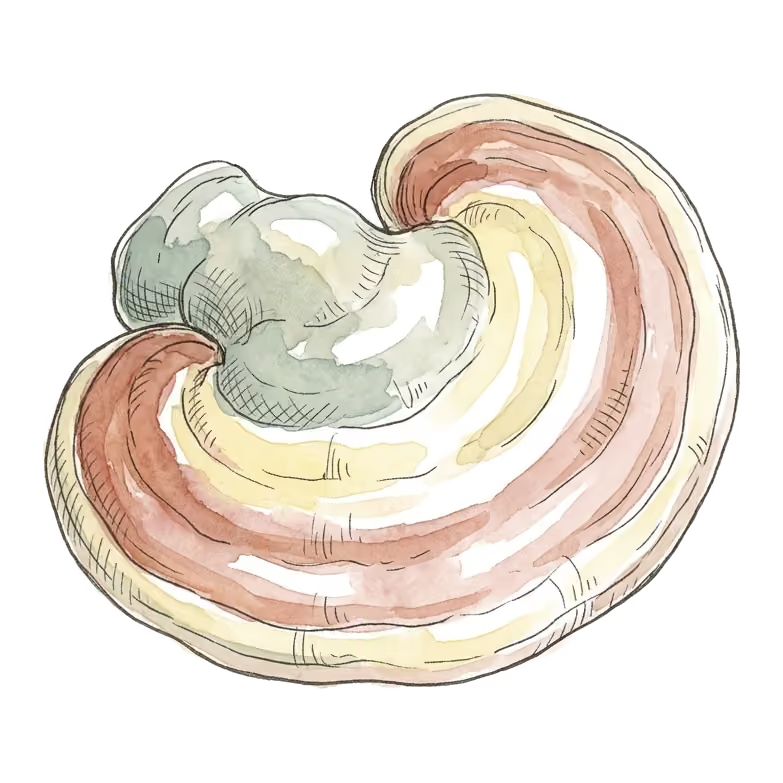
Reishi is the Japanese name and lingzhi the Chinese; the fungus is a polypore native to East Asia that grows on the base and stumps of hardwood trees. Much commercial and older research material was labelled Ganoderma lucidum, a name now restricted to a species native mainly to Europe; DNA testing of reishi products sold in the US identified most as G. lingzhi, the most widely cultivated species, and found none containing G. lucidum in the strict sense (Loyd et al., 2018). Distinguished by its shiny, lacquered appearance, kidney-shaped fan cap, and reddish-brown to mahogany coloration, reishi has a long history in East Asian healing traditions, where it became associated with longevity and immortality, and a description of its properties and applications appears in the Shennong Bencao Jing (Divine Farmer’s Materia Medica, compiled during the Han era), one of the foundational texts of Traditional Chinese Medicine.
In TCM, reishi was classified as a superior herb — one that could be taken long-term without toxicity — and was attributed to calming the mind (treating shen disturbances), strengthening the lungs and heart, tonifying vital energy (qi), and supporting liver function. Because wild reishi was extremely rare and valuable (it was associated with imperial courts and Taoist immortality practices), effective cultivation technologies developed in Japan and China during the 1970s and 1980s transformed it from a luxury rarity into a commercially accessible supplement.
Evidence at a glance
Active Compounds
Reishi contains one of the most chemically diverse profiles of any medicinal mushroom, combining two broad classes of bioactive compounds that are together responsible for most of its studied effects:
Ganoderic acids (triterpenoids): A family of lanostane-type triterpenes unique to Ganoderma species, with many distinct ganoderic acids now characterized. Ganoderic acids are insoluble in water but soluble in ethanol, making alcohol extraction essential for capturing this compound class. They are the compounds most associated with reishi’s liver-protective, anti-inflammatory, and adaptogenic properties. Key members include ganoderic acid A, B, C, and D; each has been studied individually in cell culture and animal models. In laboratory assays, reishi triterpenes inhibited histamine release (Kohda et al., 1985), 5-alpha reductase (relevant to benign prostatic hyperplasia research; Liu et al., 2006), and HMG-CoA reductase, an enzyme involved in cholesterol synthesis (Chen et al., 2017).
Polysaccharides and beta-glucans: The water-soluble fraction of reishi contains high-molecular-weight beta-(1,3)/(1,6)-D-glucans and various glycoproteins that are the primary basis for its immunomodulatory activity. In mouse macrophage cultures, reishi beta-glucan bound the Dectin-1 receptor, increased TLR2 and TLR4 expression, and triggered cytokine release (Batbayar et al., 2011).
Polysaccharide-protein complexes (glycoproteins): Ganoderma polysaccharide-peptide (GLPP) and similar complexes have shown antitumor activity in mice (Cao & Lin, 2004).
Adenosine: Reported at high levels in some extracts and proposed as a contributor to reishi’s antiplatelet activity in the laboratory, though platelet aggregation did not change in five hemophilia patients given an adenosine-containing extract (Gau et al., 1990).
Sterols (ergosterol): Ergosterol is the standard fungal vitamin D precursor.
Lectins and proteoglycans: Additional immunomodulatory protein-carbohydrate conjugates present in smaller quantities.
Evidence for Purported Benefits
Reishi’s best-studied use is as an add-on to cancer treatment, where the trials are of low quality. Evidence for fatigue, immunity in healthy adults and sleep is limited or preliminary, and the liver and blood pressure claims are not supported in humans.
Immune Modulation and Cancer Adjunct Therapy
Evidence:Limited A Cochrane review of five low-quality adjunct RCTs; no support for reishi as a primary cancer treatment.
Reishi occupies an unusual position among medicinal mushroom research: it has been tested in human cancer patients as an adjunct (supportive) therapy alongside conventional chemotherapy and radiation. A systematic review and meta-analysis published in the Cochrane Database of Systematic Reviews in 2016 (Jin et al., 2016) analyzed five RCTs examining G. lucidum as an adjunct to chemotherapy or radiation. The pooled analysis found that patients given reishi alongside chemotherapy or radiotherapy were more likely to show a tumor response than those receiving conventional treatment alone (RR 1.50; 95% CI 0.90–2.51); reishi was also associated with modest increases in T-lymphocyte percentages (CD3, CD4, CD8) and, in four studies, better quality-of-life scores. The reviewers concluded that the evidence did not justify reishi as a first-line cancer treatment, though it “could be administered as an alternative adjunct to conventional treatment.” They described the methodological quality of the included trials as generally unsatisfying. Patients considering reishi alongside cancer treatment must consult their oncologist, as potential interactions with specific chemotherapy regimens have not been excluded.
Fatigue and Quality of Life
Evidence:Limited Two small RCTs, in neurasthenia and in breast cancer patients.
A double-blind RCT published in the Journal of Medicinal Food in 2005 (Tang et al., 2005) involving patients with neurasthenia (n=132) found that a reishi polysaccharide extract (1,800 mg three times daily for 8 weeks) produced greater improvements in clinician-rated severity and in fatigue and well-being scores than placebo. Studies specifically targeting cancer-related fatigue are few; one small pilot RCT (Zhao et al., 2012, n=48) found improvements in fatigue and quality-of-life scores in breast cancer patients taking reishi spore powder for 4 weeks during endocrine therapy, compared with endocrine therapy alone.
Immune Function in Healthy Adults
Evidence:Preliminary One placebo-controlled trial showing immune-marker changes, not clinical outcomes.
A randomized, double-blind, placebo-controlled trial in healthy adults in Taiwan (Chen et al., 2023) reported that 84 days of reishi β-glucan increased T-lymphocyte and natural killer cell counts, natural killer cell cytotoxicity and serum IgA compared with placebo; these are laboratory markers rather than clinical outcomes such as infection rates. No large-scale, adequately powered RCTs in healthy adults have established a clear, clinically meaningful immune benefit from reishi supplementation.
Sleep and Anxiety
Evidence:Preliminary Rat sleep studies; human sleep data come from a few small trials not designed around sleep.
In rats, an oral fruiting-body extract given for 3 days increased total and non-rapid eye movement (NREM) sleep time at 80 mg/kg, an effect the authors linked to TNF-α signalling (Cui et al., 2012); a related aqueous extract did not change sleep in untreated rats but potentiated pentobarbital-induced sleep through a benzodiazepine-like GABAergic mechanism (Chu et al., 2007). Human data on sleep endpoints are limited to the neurasthenia study above and a few other small trials. These findings do not constitute sufficient evidence to claim that reishi reliably improves sleep in humans.
Blood Pressure and Cardiovascular Effects
Evidence:Insufficient ACE inhibition in lab and rat studies, but a human crossover trial and a 17-trial meta-analysis found no blood-pressure effect.
In laboratory assays, triterpenes isolated from reishi (Morigiwa et al., 1986) and peptides from a reishi extract (Tran et al., 2014) inhibited angiotensin-converting enzyme (ACE), and the peptide extract lowered blood pressure in hypertensive rats. In humans, a 12-week randomized, double-blind crossover trial of 1.44 g/day in 26 people with borderline hypertension or high cholesterol found no change in blood pressure (Chu et al., 2012), and a 2025 meta-analysis of 17 randomized trials found no significant effect on blood pressure, rating the certainty of evidence very low (Jafari et al., 2025). These findings are insufficient to establish reishi as an antihypertensive agent; no patient should replace antihypertensive medication with reishi.
Liver Protection
Evidence:Lab & animal only Mouse liver-injury models only; human case reports instead describe liver harm.
Reishi’s traditional hepatoprotective reputation has partial support from mouse studies in which reishi polysaccharides reduced liver injury from carbon tetrachloride (Chen et al., 2019) and acetaminophen (Zhang et al., 2024), with lower markers of oxidative stress and inflammation. Paradoxically, several case reports have documented reishi-associated hepatotoxicity in humans (see Safety section), which complicates the traditional hepatoprotective narrative.
Our review of the medicinal mushroom research compares the reishi immune trials with the evidence for chaga, cordyceps and lion’s mane.
Typical Use and Dosing
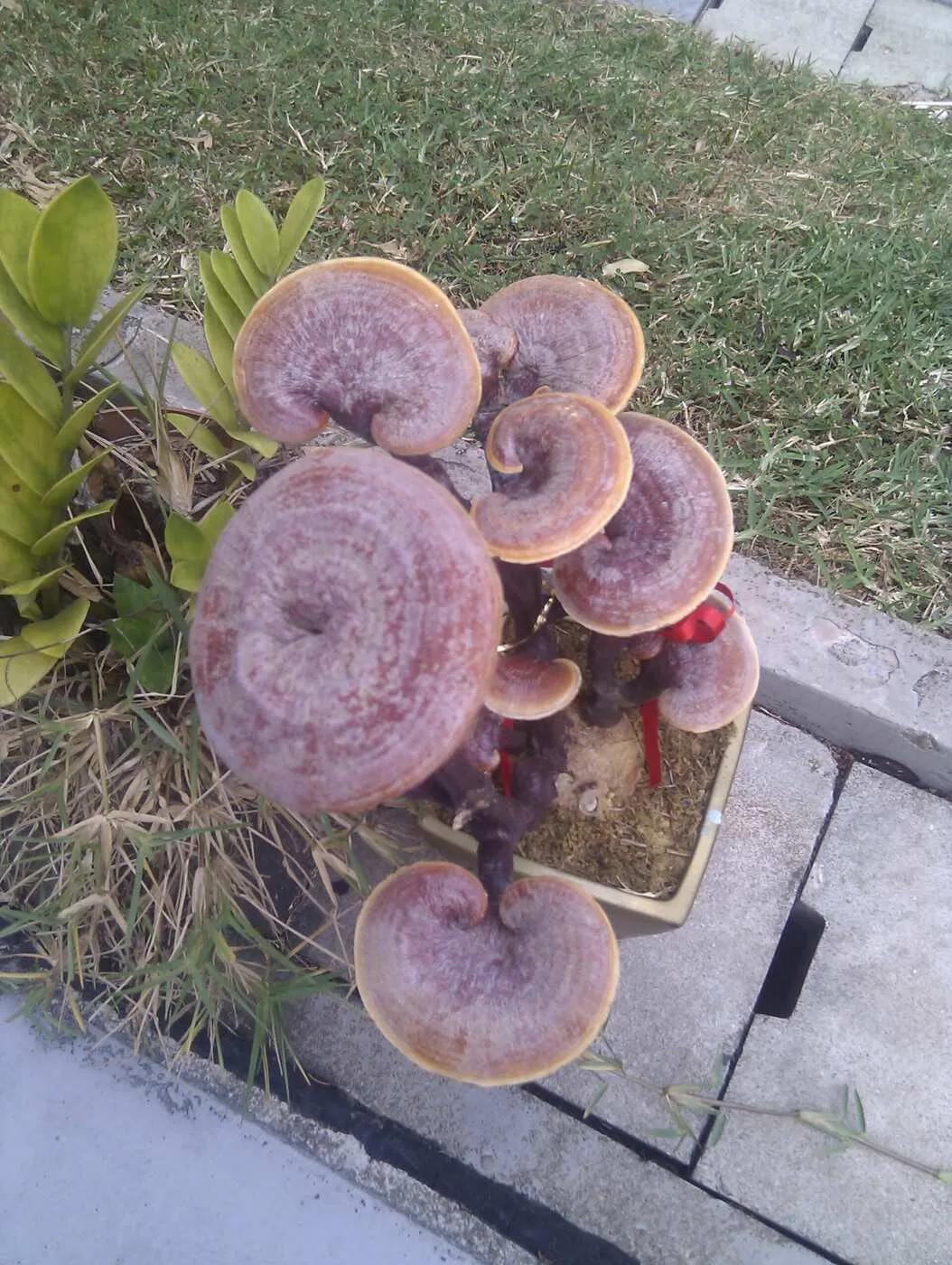 Photo: This image was created by user TecheOldFox (Techieoldfox) at Mushroom Observer ,, CC BY-SA 3.0, via Wikimedia Commons
Reishi is taken as a concentrated extract in capsules, powder or tea; clinical studies have used roughly 1.4–5.4 g a day. The woody fruiting body cannot be eaten as food, so how it is extracted largely determines what a product contains.
Extraction is essential: Unlike culinary mushrooms, reishi has a very tough, woody texture and cannot be eaten directly. Raw dried reishi powder in capsules is ingested whole, but a typical capsule dose contains far less triterpene and polysaccharide than the same weight of a concentrated extract, and the tough cell walls may limit how much is released in digestion.
Dual extraction: High-quality reishi products use sequential or combined hot-water and ethanol extraction to capture both polysaccharides and ganoderic acids in a single concentrate.
Standardization: Look for products declaring both beta-glucan content and ganoderic acid (triterpene) content, measured by a named assay.
Typical doses from clinical studies: Trials have used roughly 1.4–5.4 g/day of reishi preparations, from 1.44 g/day (Chu et al., 2012) and 1.5 g/day (Kwok et al., 2005) to 1,800 mg three times daily of a polysaccharide extract (Tang et al., 2005). Traditional preparations involved decocting dried fruiting body slices in water.
Long-term use: Traditional texts regarded reishi as safe for long-term use. Clinical studies have generally run for 4–12 weeks. Given reports of hepatotoxicity (see below), periodic liver enzyme monitoring may be prudent for heavy, long-term users.
Spores: Reishi spore oil and cracked-spore powder products are marketed based on claims that spores concentrate triterpenoids. The evidence base for superior spore bioactivity compared to fruiting body extract is limited; spore products are generally more expensive.
Mushroom coffee and blends: Reishi often appears in coffee and cocoa blends, usually at doses well below those used in trials. Our mushroom coffee rankings compare the mushroom amount each product discloses, and the immune-support guide puts mushroom beta-glucans alongside other dietary factors.
Safety, Interactions, and Contraindications
Reishi is generally well-tolerated at typical doses in clinical studies. The following specific concerns apply:
Hepatotoxicity: Despite reishi’s traditional reputation as a liver tonic, several case reports document liver injury temporally associated with reishi supplementation, particularly powdered formulations. A 2004 report in the Journal of Hepatology (Yuen et al., 2004) described hepatotoxicity in a Hong Kong patient after a switch to a powdered reishi formulation, a 2007 Thai case report described fatal fulminant hepatitis after a similar switch from boiled reishi to powder (Wanmuang et al., 2007), and a 2023 US case report described acute hepatitis, resolved within two weeks, in a man who took reishi powder with alcohol (Guedikian et al., 2023). The mechanism has not been established. Individuals with pre-existing liver disease, those taking hepatotoxic medications, or those who consume alcohol heavily should use reishi with caution and monitor liver enzymes.
Anticoagulant and antiplatelet interactions: Reishi extracts inhibited platelet aggregation in vitro, and in an uncontrolled Chinese study, ADP-induced platelet aggregation fell in 33 patients with atherosclerotic disease after 2 weeks of 3 g/day (Tao & Feng, 1990). Memorial Sloan Kettering advises people on blood thinners such as warfarin to talk to their provider before using reishi (MSK About Herbs). Combining reishi with warfarin, heparin, newer oral anticoagulants, or antiplatelet drugs may increase bleeding risk. A small randomized, placebo-controlled study in healthy volunteers (Kwok et al., 2005) found no impairment of platelet function or coagulation after 4 weeks of 1.5 g/day reishi, though it did not test people taking anticoagulants and does not exclude drug interactions.
Immunosuppressant interactions: Reishi’s immunostimulatory polysaccharides may theoretically antagonize immunosuppressant medications. Transplant recipients should consult their transplant team before using reishi.
Autoimmune conditions: Caution is warranted in patients with rheumatoid arthritis, lupus, multiple sclerosis, or other autoimmune conditions, as immune stimulation could theoretically exacerbate these conditions. No human data clarify this risk.
Hypotensive effects: Given in vitro ACE-inhibitory activity and animal blood pressure data, reishi may theoretically potentiate antihypertensive medications.
Pregnancy and lactation: Insufficient safety data; avoid use.
Drug interactions: Concerns about anticoagulants and antihypertensives rest on laboratory, animal, and small uncontrolled human data; no human drug-interaction studies or case reports were found, and the one placebo-controlled trial in healthy volunteers showed no effect on platelet function or clotting. Reishi polysaccharides also inhibited the drug-metabolizing enzymes CYP2E1, CYP1A2, and CYP3A in rat liver microsomes; clinical relevance is unknown (Wang et al., 2007). Report reishi use to all prescribing healthcare providers.
Product Selection Criteria
Fruiting body specification: Reishi fruiting body contains both triterpenoids (ganoderic acids) and polysaccharides. Grain-colonized mycelium products may have lower ganoderic acid concentrations and higher starch content. For reishi specifically, fruiting body source is strongly preferred.
Dual extraction verification: Confirm that both hot-water and ethanol extraction steps were used. Hot-water-only extracts capture comparatively little of the poorly water-soluble ganoderic acids.
Declared ganoderic acid content: Responsible manufacturers declare ganoderic acid percentage by HPLC analysis. A product that declares no triterpene content gives no way to judge whether the ethanol extraction step captured them.
Beta-glucan vs. total polysaccharide: Starch-containing grain mycelium products inflate “total polysaccharide” counts. Seek products that specify beta-glucan content by a method that subtracts starch, such as the Megazyme mushroom beta-glucan assay (McCleary & Draga, 2016), rather than total polysaccharide by the phenol-sulfuric acid method.
Species verification: Several Ganoderma species (G. sinense, G. tsugae, G. applanatum, and G. lucidum in the strict sense) are related to G. lingzhi but have different compound profiles, and commercial products labelled reishi can contain more than one of them (Loyd et al., 2018). Look for botanical name confirmed by DNA barcoding in the CoA.
Third-party testing: CoAs from accredited labs should confirm identity, absence of heavy metals, pesticide residues, and microbial contamination.
Frequently Asked Questions
Is reishi effective?
For most claims, it has not been shown to be. A Cochrane review of five low-quality trials found reishi used alongside chemotherapy or radiotherapy was associated with better immune markers and quality of life, without support as a primary cancer treatment (Jin et al., 2016). One trial in 132 people with neurasthenia reported less fatigue, and a 17-trial meta-analysis found no blood pressure effect.
Does reishi help you sleep?
Human evidence is thin. In rats, a fruiting-body extract increased total and non-REM sleep time (Cui et al., 2012), and a related extract deepened drug-induced sleep through a GABA-like mechanism. Human sleep data come from the neurasthenia trial and a few other small studies that were not designed around sleep, which is not enough to say reishi reliably improves it.
What should you not mix reishi with?
The main concerns are blood thinners and antiplatelet drugs, since reishi extracts inhibited platelet aggregation in lab studies, and Memorial Sloan Kettering advises people on warfarin to talk to their provider first (MSK About Herbs). Immunosuppressants, blood pressure drugs, liver-toxic medications and heavy alcohol use are further cautions. Tell every prescriber about reishi use.
Is reishi mushroom safe?
It was generally well tolerated in short clinical studies, but rare case reports describe liver injury after switching to powdered reishi, including one fatal case (Wanmuang et al., 2007). Safety data in pregnancy and breastfeeding are lacking, so avoid it then. People with liver disease, autoimmune conditions or a transplant should talk to a clinician before taking it.
Is lion’s mane or reishi better?
They are studied for different things, so neither is better overall. Reishi research centers on immune markers, fatigue and cancer-treatment support, driven by its beta-glucans and ganoderic acids. Lion’s mane is studied mainly for memory and mood because its hericenones and erinacines induced nerve growth factor in lab studies. Human evidence for both is limited.
References
Show all 27 referencesShow fewer
- Jin, X., Ruiz Beguerie, J., Sze, D. M., et al. (2016). Ganoderma lucidum (Reishi mushroom) for cancer treatment. Cochrane Database of Systematic Reviews, (4), CD007731.
- Tang, W., Gao, Y., Chen, G., et al. (2005). A randomized, double-blind and placebo-controlled study of a Ganoderma lucidum polysaccharide extract in neurasthenia. Journal of Medicinal Food, 8(1), 53–58.
- Chu, T. T., Benzie, I. F., Lam, C. W., et al. (2012). Study of potential cardioprotective effects of Ganoderma lucidum (Lingzhi): Results of a controlled human intervention trial. British Journal of Nutrition, 107(7), 1017–1027.
- Wanmuang, H., Leopairut, J., Kositchaiwat, C., et al. (2007). Fatal fulminant hepatitis associated with Ganoderma lucidum (Lingzhi) mushroom powder. Journal of the Medical Association of Thailand, 90(1), 179–181.
- Zhao, H., Zhang, Q., Zhao, L., et al. (2012). Spore powder of Ganoderma lucidum improves cancer-related fatigue in breast cancer patients undergoing endocrine therapy: a pilot clinical trial. Evidence-Based Complementary and Alternative Medicine, 2012, 809614.
- Yuen, M. F., Ip, P., Ng, W. K., & Lai, C. L. (2004). Hepatotoxicity due to a formulation of Ganoderma lucidum (lingzhi). Journal of Hepatology, 41(4), 686–687.
- Kwok, Y., Ng, K. F. J., Li, C. C. F., et al. (2005). A prospective, randomized, double-blind, placebo-controlled study of the platelet and global hemostatic effects of Ganoderma lucidum (Ling-Zhi) in healthy volunteers. Anesthesia & Analgesia, 101(2), 423–426.
- Chen, S. N., Nan, F. H., Liu, M. W., et al. (2023). Evaluation of immune modulation by β-1,3; 1,6 D-glucan derived from Ganoderma lucidum in healthy adult volunteers, a randomized controlled trial. Foods, 12(3), 659.
- Cui, X. Y., Cui, S. Y., Zhang, J., et al. (2012). Extract of Ganoderma lucidum prolongs sleep time in rats. Journal of Ethnopharmacology, 139(3), 796–800.
- Chu, Q. P., Wang, L. E., Cui, X. Y., et al. (2007). Extract of Ganoderma lucidum potentiates pentobarbital-induced sleep via a GABAergic mechanism. Pharmacology Biochemistry and Behavior, 86(4), 693–698.
- Morigiwa, A., Kitabatake, K., Fujimoto, Y., & Ikekawa, N. (1986). Angiotensin converting enzyme-inhibitory triterpenes from Ganoderma lucidum. Chemical & Pharmaceutical Bulletin, 34(7), 3025.
- Tran, H. B., et al. (2014). Hypotensive effects and angiotensin-converting enzyme inhibitory peptides of reishi (Ganoderma lingzhi) auto-digested extract. Molecules, 19(9).
- Guedikian, R., et al. (2023). Ganoderma lingzhi (Reishi mushroom)-induced acute liver injury in the setting of alcohol use: a case report and review of the literature. Cureus, 15(9), e45953.
- Kohda, H., Tokumoto, W., Sakamoto, K., et al. (1985). The biologically active constituents of Ganoderma lucidum (Fr.) Karst. Histamine release-inhibitory triterpenes. Chemical & Pharmaceutical Bulletin, 33(4), 1367–1374.
- Liu, J., Kurashiki, K., Shimizu, K., & Kondo, R. (2006). 5alpha-reductase inhibitory effect of triterpenoids isolated from Ganoderma lucidum. Biological & Pharmaceutical Bulletin, 29(2), 392–395.
- Chen, B., Tian, J., Zhang, J., et al. (2017). Triterpenes and meroterpenes from Ganoderma lucidum with inhibitory activity against HMGs reductase, aldose reductase and α-glucosidase. Fitoterapia, 120.
- Batbayar, S., Kim, M. J., & Kim, H. W. (2011). Medicinal mushroom Lingzhi or Reishi, Ganoderma lucidum, beta-glucan induces Toll-like receptors and fails to induce inflammatory cytokines in NF-kappaB inhibitor-treated macrophages. International Journal of Medicinal Mushrooms, 13(3).
- Cao, Q. Z., & Lin, Z. B. (2004). Antitumor and anti-angiogenic activity of Ganoderma lucidum polysaccharides peptide. Acta Pharmacologica Sinica, 25(6), 833–838.
- Gau, J. P., Lin, C. K., Lee, S. S., & Wang, S. R. (1990). The lack of antiplatelet effect of crude extracts from Ganoderma lucidum on HIV-positive hemophiliacs. American Journal of Chinese Medicine, 18.
- Jafari, A., Mardani, H., Mirzaei Fashtali, Z., & Arghavan, B. (2025). The nutritional significance of Ganoderma lucidum on human health: a GRADE-assessed systematic review and meta-analysis of clinical trials. Food Science & Nutrition.
- Chen, Y. S., Chen, Q. Z., Wang, Z. J., & Hua, C. (2019). Anti-inflammatory and hepatoprotective effects of Ganoderma lucidum polysaccharides against carbon tetrachloride-induced liver injury in Kunming mice. Pharmacology.
- Zhang, N., Han, Z., Zhang, R., et al. (2024). Ganoderma lucidum polysaccharides ameliorate acetaminophen-induced acute liver injury by inhibiting oxidative stress and apoptosis along the Nrf2 pathway. Nutrients, 16(12).
- Tao, J., & Feng, K. Y. (1990). Experimental and clinical studies on inhibitory effect of Ganoderma lucidum on platelet aggregation. Journal of Tongji Medical University, 10(4), 240–243.
- Memorial Sloan Kettering Cancer Center. Reishi mushroom. About Herbs, Botanicals & Other Products.
- Wang, X., Zhao, X., Li, D., et al. (2007). Effects of Ganoderma lucidum polysaccharide on CYP2E1, CYP1A2 and CYP3A activities in BCG-immune hepatic injury in rats. Biological & Pharmaceutical Bulletin, 30(9), 1702–1706.
- McCleary, B. V., & Draga, A. (2016). Measurement of β-glucan in mushrooms and mycelial products. Journal of AOAC International, 99(2), 364–373.
- Loyd, A. L., Richter, B. S., Jusino, M. A., et al. (2018). Identifying the “mushroom of immortality”: assessing the Ganoderma species composition in commercial reishi products. Frontiers in Microbiology, 9, 1557.
Related content
More in Medicinal Mushrooms
- Chaga Mushroom (Inonotus obliquus)
Chaga benefits examined: what lab and animal studies show for antioxidant and immune effects, why human data are missing, and its oxalate kidney risk.
- Cordyceps (Cordyceps militaris / Ophiocordyceps sinensis)
Cordyceps benefits for exercise, energy, immunity and kidney health, checked against small human trials; plus doses studied, safety and product types.
- Edible Mushrooms
Mushrooms benefits and nutrition: what button, cremini, oyster and shiitake supply, from ergothioneine to vitamin D2, what studies show, and side effects.
- Lion's Mane Mushroom (Hericium erinaceus)
Lion's mane benefits explained: what small human trials show for memory and mood, how hericenones and erinacines work, typical doses and side effects.
- Maitake Mushroom (Grifola frondosa)
Maitake mushroom benefits for immunity and blood sugar, weighed against mostly animal research; plus nutrition, D-fraction extracts and drug interactions.
- Shiitake Mushroom (Lentinula edodes)
Shiitake mushrooms benefits for immunity, cholesterol and vitamin D, checked against human trials; plus nutrition, daily amounts and shiitake dermatitis.

Browse all medicinal mushrooms →
Curated by Superfoods Advisor Editors·Last updated